

Gulf Airports Including Cairo, Riyadh and More Face 326 Cancellations and 2,272 Delays Impacting Travel

Published
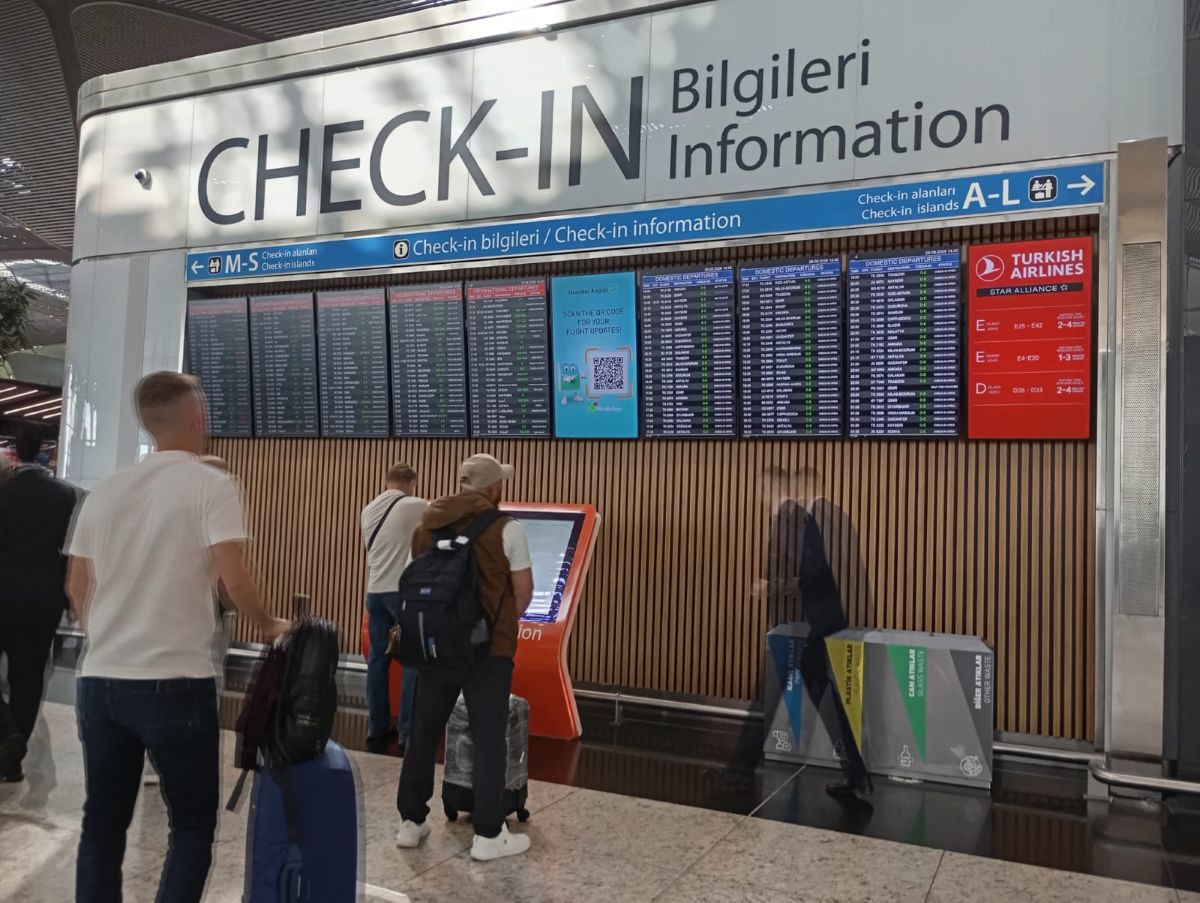
With 326 cancellations and 2,272 delays affecting travel around the area, Gulf airports—including key aviation hubs in Riyadh, Dubai, Abu Dhabi, and more—as well as Cairo and Istanbul see significant flight disruptions. The interruption comes after precautionary airline bans, increased security concerns, and reports of Houthi drone and missile assaults against Saudi Arabian airports. Longer flight paths and regional airspace limitations have also made airline operations and international connections more difficult. Passengers must deal with missing connections, long wait periods, and unforeseen trip modifications in the interim. Routine operating demands may also cause delays, even though security risks account for some cancellations.
Saudi Arabia Records Highest Cancellations as Riyadh and Jeddah Face Major Disruption
Saudi Arabia accounts for 199 cancellations and 683 delays across seven airports, making it the most affected Gulf country in the supplied figures.
King Khalid International Airport in Riyadh leads with 130 cancellations and 323 delays. King Abdulaziz International Airport in Jeddah follows with 30 cancellations and 204 delays.
King Fahd International Airport in Dammam reports 19 cancellations and 71 delays. Abha Regional Airport records 10 cancellations and 34 delays, while Prince Mohammad Bin Abdulaziz International Airport in Madinah registers three cancellations and 51 delays.
Advertisement
Advertisement
Gizan Regional Airport reports three cancellations and no delays, while Najran Domestic Airport records four cancellations and no delays.
These figures show that disruption extends beyond Saudi Arabia’s main international gateways to smaller domestic airports.
Advertisement
Advertisement
UAE Airports Face Widespread Delays Across Dubai, Abu Dhabi and Sharjah
The United Arab Emirates records 46 cancellations and 491 delays across four major airports.
Dubai International Airport reports 35 cancellations and 243 delays, making it the country’s most affected airport by both measures.
Advertisement
Advertisement
Abu Dhabi International Airport registers two cancellations and 134 delays. Sharjah International Airport records five cancellations and 97 delays, while Al Maktoum International Airport reports four cancellations and 17 delays.
The figures suggest that delays are a greater operational challenge than outright cancellations across the UAE airports surveyed.
Qatar, Oman and Other Regional Airports Report Additional Disruption
Hamad International Airport in Doha, Qatar, records 10 cancellations and 123 delays. Oman’s Seeb International Airport reports four cancellations and 32 delays.
Beyond the Gulf, Cairo International Airport in Egypt registers nine cancellations and 142 delays. Istanbul Airport in Türkiye reports 30 cancellations and 312 delays, while Istanbul Sabiha Gökçen records 12 cancellations and 149 delays.
Advertisement
Advertisement
Antalya Airport reports two cancellations and 148 delays.
Elsewhere, Ben Gurion International Airport in Israel records one cancellation and 114 delays. Queen Alia International Airport in Jordan reports six cancellations and 41 delays. Erbil International Airport in Iraq registers one cancellation and three delays, while Ercan International Airport in Northern Cyprus records six cancellations and 34 delays.
| Airport | Origin Cancelled % | Destination Cancelled % |
|---|---|---|
| Abha Regional (AHB) | 11% | 10% |
| Al Maktoum Int’l (DWC) | 5% | — |
| Cairo Int’l (CAI) | 1% | 1% |
| Dubai Int’l (DXB) | 3% | 3% |
| Ercan Int’l (ECN) | 4% | 4% |
| Hamad Int’l (DOH) | 0% | 1% |
| Istanbul Airport (IST) | 1% | 2% |
| Istanbul Sabiha Gokcen Int’l (SAW) | 0% | 1% |
| King Abdulaziz Int’l (JED) | 4% | 3% |
| King Fahd Int’l (DMM) | 7% | 6% |
| King Khalid Int’l (RUH) | 16% | 18% |
| Prince Mohammad Bin Abdulaziz (MED) | 3% | — |
| Queen Alia Int’l (AMM) | 2% | 2% |
| Sharjah Int’l (SHJ) | — | 1% |
Saudia, Turkish Airlines and Emirates Lead Airline Disruption Figures
The airline data reveals significant operational challenges across Gulf-based and regional carriers.
| Airline | Cancellations | Cancellation Rate | Delays | Delay Rate |
|---|---|---|---|---|
| Saudia | 53 | 10% | 210 | 40% |
| Turkish Airlines | 25 | 1% | 299 | 18% |
| Emirates | 20 | 3% | 113 | 21% |
| Qatar Airways | 10 | 1% | 108 | 16% |
| EgyptAir | 10 | 3% | 44 | 15% |
| flydubai | 9 | 2% | 77 | 25% |
| Pegasus Airlines | 8 | 1% | 175 | 23% |
| Air Arabia | 5 | 2% | 88 | 36% |
| flyadeal | 5 | 2% | 78 | 43% |
| Royal Jordanian | 4 | 2% | 12 | 8% |
| flynas | 2 | 0% | 120 | 45% |
| Etihad Airways | 2 | 0% | 95 | 28% |
| Riyadh Air | 2 | 7% | 18 | 64% |
| Oman Air | 2 | 1% | 16 | 15% |
Saudia leads the listed airlines in cancellations, while Turkish Airlines records the highest number of delays. Riyadh Air has the highest reported delay percentage at 64%, followed by flynas at 45% and flyadeal at 43%.
What Can Affected Gulf Passengers Do Now?
Passengers travelling through Riyadh, Jeddah, Dubai, Doha, Abu Dhabi and other affected airports should check their flight status directly with their airlines before departure.
Travellers facing cancellations should request alternative flights or refunds where applicable under their ticket conditions and passenger protection rules.
Advertisement
Advertisement
Those with connecting flights should confirm onward travel arrangements and allow additional time for transfers.
Passengers should also retain booking confirmations, receipts and airline notifications when seeking reimbursement or compensation.
Gulf Aviation Networks Face Continued Pressure
The supplied figures demonstrate how flight disruption affects both major international hubs and smaller regional airports. Saudi Arabia accounts for the largest share of cancellations, while Dubai, Doha and Abu Dhabi report substantial delays.
Although the data identifies the scale of disruption, it does not establish the specific cause of every affected flight. Passengers should therefore rely on official airline updates for confirmed reasons and revised departure information.
Data Verification Notice
The flight disruption data presented in this report has been carefully compiled and verified by our editorial team using real-time aviation records captured on 9 October 2026 at 4:28 pm ET (USA), corresponding to 10 October 2026 at 12:28 am GST.
Primary Sources: FlightAware and local correspondent.
Advertisement
Advertisement
Verification Process: All reported statistics have undergone independent editorial review and cross-verification by our human editorial team. Timestamped flight records, operational data logs and tracking feed snapshots have been securely archived to maintain historical accuracy, accountability and editorial transparency.
Important Note: Real-time flight-tracking figures are subject to continuous updates as airlines and airports adjust their operations. Consequently, minor differences may arise between the figures published in this report and those displayed on official airline websites, airport information systems or departure boards.
Yesterday, Gulf airports recorded 518 flight cancellations and 1,869 delays, causing widespread travel disruptions across the region. Click here to read the full report.
Advertisement
Verified by Somudranil Sarkar
