
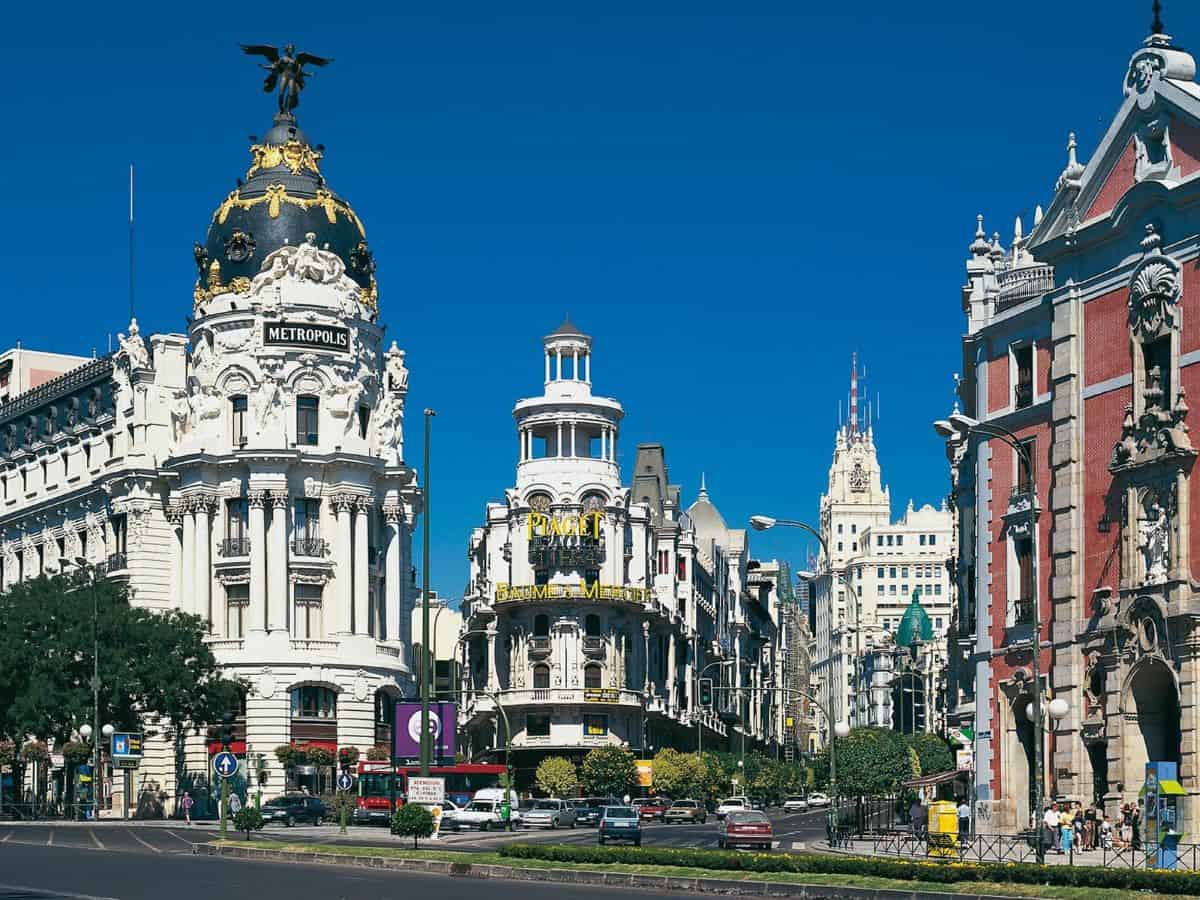
Mexico and other leading countries are following Spain tourism growth as high value travel spending reaches new heights, driven by strong international demand and a shift towards quality-focused tourism. Spain draws more tourists who spend more and stay longer. This is because the Spanish government has focused tourism development on the sustainability of the growth of tourism and on the diversification of the destinations, and on encouraging travelers to spend more per trip. Because of these policies, higher value tourism to Spain is becoming more important and Global Source Markets such as Mexico, Canada, and the USA are also benefiting and growing. Spain’s Specialization of tourism development is an example for other countries.
Spain is entering a new phase of tourism growth in 2026, with international visitors expected to generate record economic value during the summer season. According to projections from Turespaña under Spain’s Ministry of Industry and Tourism, around 43 million international tourists are expected between June and September 2026, representing a 6% increase compared with summer 2025. International tourist spending is forecast to reach nearly €64 billion, rising 10% year on year. The figures highlight Spain’s move towards a higher-value tourism model where visitor spending grows faster than arrivals.
Advertisement
| Spain Tourism Indicator 2026 | Forecast |
|---|---|
| International visitors (June–September) | 43 million |
| Visitor growth | 6% increase |
| International tourist spending | Nearly €64 billion |
| Spending growth | 10% increase |
| Tourism focus | Higher-value sustainable travel |
Spain’s tourism development in 2026 is increasingly focused on quality, sustainability and wider distribution of visitors. The country’s Spain Tourism Strategy 2030 aims to strengthen competitiveness while encouraging travellers to explore more regions beyond traditional hotspots. The latest summer forecasts show that less-visited communities are expected to experience faster growth in international tourist spending compared with Spain’s six largest tourism regions.
The decentralisation approach is creating new opportunities for inland cities, rural areas and smaller destinations that offer culture, nature and local experiences.
Advertisement
Advertisement
| Tourism Region Category | Expected Spending Growth |
|---|---|
| Traditionally less-touristic regions | 8%–10% |
| Main tourism communities | 5%–6% |
| Major destinations | Continued international demand |
Spain’s established tourism destinations remain powerful attractions for international visitors. Regions including Catalonia, Madrid, Andalusia, the Balearic Islands, the Canary Islands and the Valencian Community continue receiving strong global demand due to their combination of beaches, heritage, gastronomy and cultural experiences.
The 2026 tourism outlook shows that Spain is not only increasing visitor numbers but also improving the economic contribution generated by travellers. International tourists are increasingly choosing experiences that include cultural exploration, premium accommodation, food tourism and longer stays.
| Spanish Destination | Main Attraction For International Visitors |
|---|---|
| Catalonia | Barcelona, Mediterranean tourism |
| Madrid | Culture, events and business travel |
| Andalusia | Heritage, beaches and gastronomy |
| Balearic Islands | Island and luxury tourism |
| Canary Islands | Year-round leisure travel |
Mexico is becoming an important long-distance tourism market for Spain because of strong cultural links, shared language and growing demand for European travel experiences. Mexican visitors are attracted to Spain’s historic cities, gastronomy, architecture and heritage destinations.
Popular Spanish destinations for Mexican travellers include Madrid, Barcelona, Seville, Valencia and other cultural centres. The connection between both countries supports tourism flows based on family visits, leisure travel, business activity and cultural exploration.
| Mexico Traveller Interest In Spain | Tourism Impact |
|---|---|
| Madrid | Gateway for European travel |
| Barcelona | Architecture and culture |
| Andalusia | Historic Spanish experiences |
| Gastronomy | Food tourism growth |
| Heritage sites | Cultural visitor demand |
Canadian travellers are an important source market for Spain because of their interest in European culture, history and Mediterranean experiences. Visitors from Canada often seek longer international holidays combining city exploration, coastal relaxation and cultural activities.
Spain’s diverse tourism offer allows Canadian visitors to experience different travel styles, from Barcelona’s urban attractions to Andalusia’s heritage landscapes and island destinations.
The growth of long-distance tourism markets supports Spain’s strategy of attracting visitors who generate higher economic value during their stay.
| Spain Destination For Canadian Visitors | Main Attraction |
|---|---|
| Barcelona | Culture and architecture |
| Madrid | Museums and city experiences |
| Costa del Sol | Coastal holidays |
| Balearic Islands | Island tourism |
| Andalusia | Heritage tourism |
The United States remains one of Spain’s most valuable long-distance tourism markets because American travellers often contribute significant visitor spending through longer stays, cultural experiences and premium tourism activities.
US travellers are attracted to Spain’s historic cities, UNESCO heritage locations, food tourism and Mediterranean lifestyle experiences. Destinations such as Madrid, Barcelona, Seville, Mallorca and the Canary Islands continue attracting American visitors.
Official Spanish tourism data has shown that international visitor spending growth has been supported by markets with higher travel expenditure, including long-haul visitors.
| United States Traveller Attraction | Tourism Benefit |
|---|---|
| Madrid | Culture and business travel |
| Barcelona | Heritage and lifestyle tourism |
| Seville | History and architecture |
| Mallorca | Premium island travel |
| Canary Islands | Leisure tourism |
Spain’s latest tourism outlook reflects a wider global travel transformation where destinations are focusing less on visitor volume alone and more on economic contribution. The forecast of €64 billion in summer international spending demonstrates how Spain is attracting travellers who seek meaningful experiences, cultural discovery and premium services.
The growth of markets such as Mexico, Canada and the United States supports Spain’s strategy of expanding beyond traditional European visitor sources. Long-distance travellers are becoming increasingly important because they often stay longer and explore multiple regions.
| Global Tourism Trend | Spain Impact |
|---|---|
| Experience-based travel | More cultural tourism |
| Higher visitor spending | Greater economic contribution |
| Long-haul demand | Stronger international markets |
| Regional tourism | Wider economic benefits |
| Sustainable growth | Better destination management |
Spain’s tourism success in 2026 is supported by strong connectivity, diverse attractions and a broad visitor offer. From Mediterranean beaches and historic cities to gastronomy and cultural routes, Spain continues attracting travellers from established and emerging markets.
The expected rise in international spending shows that Spain is entering a period where tourism growth is measured not only by the number of visitors but by the value they create for communities and businesses.
The combination of markets such as Mexico, Canada and the United States with Spain’s tourism strategy is creating a stronger global tourism ecosystem built around quality experiences, regional development and sustainable growth.
| Tourism Growth Factor | Future Impact |
|---|---|
| International markets | Wider visitor base |
| Higher spending travellers | Stronger economy |
| Sustainable tourism | Long-term growth |
| Regional development | Balanced tourism flows |
| Cultural experiences | Global competitiveness |
Mexico and other leading countries are following Spain tourism growth as high value travel spending reaches new heights, reflecting a major shift in global tourism towards quality-focused experiences. Spain’s emphasis on culture, high-class services, and longer stays means that more people want to travel there and this has strengthened tourism outside the main spots. The development of high-value tourism from Mexico, Canada, and USA means that Spain is earning a high yield and improving its ranking compared to other countries in the extra-continental travel market.
Image: MINISTERIO DE INDUSTRIA Y TURISMO
Advertisement
Tags: global tourism spending, high value travel, Mexico Spain tourism, Spain tourism growth, United States travel market
Advertisement
Advertisement













Friday, September 4, 2026

Friday, September 4, 2026

Friday, September 4, 2026

Friday, September 4, 2026

Thursday, September 3, 2026

Wednesday, September 2, 2026

Friday, September 4, 2026

Friday, September 4, 2026


