
Vietnam Surges Past Milestones With Breathtaking Global Explorers, Completely Transforming The Future Of Global Travel

Published
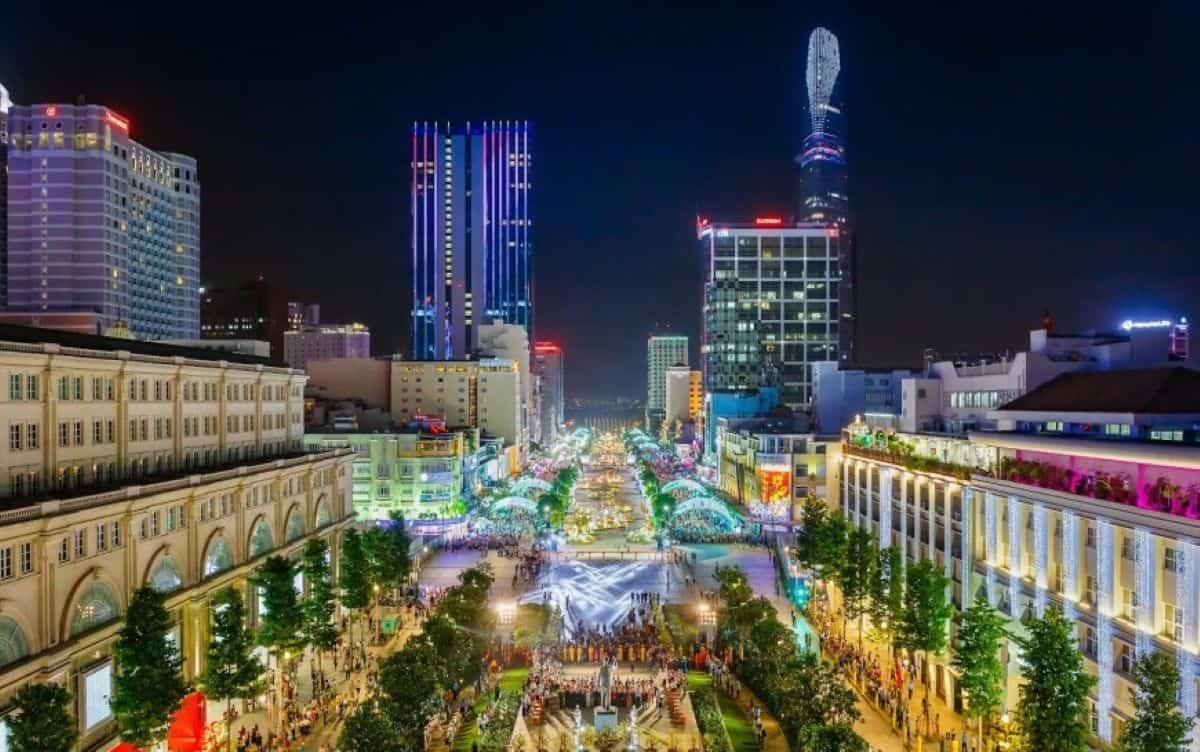
I feel a magic whenever I step off a plane and land in Hanoi. The city welcomes me with air and sweet smells of street coffee. Motorbikes hum softly. The city feels alive. Lately many people around the world have started to notice this magic. Vietnam Welcomes 17.7 Million International Visitors in the First 9 Months of 2026 shows that excitement is growing. It is not about numbers on a sheet; it is about the shared smiles in busy markets. It is about the awe of misty mornings in the mountains. It is deep heartfelt connections that make ordinary vacations become unforgettable chapters, in life.
Analyzing the Trajectory Toward Ambitious National Targets and Strategic Off-Peak Travel Movements Across Global Markets
Advertisement
Advertisement
Evaluating the broader economic trajectory reveals that the destination is well on its way to achieving its overarching tourism objectives for the current calendar year. Current data confirms that this robust performance positions Vietnam at approximately 71% of its full-year target of 25 million visitors, instilling tremendous confidence across the worldwide hospitality sector. Travel analysts point out that reaching this milestone ahead of schedule demonstrates exceptional operational readiness and robust governmental support for international tourism initiatives. For global travelers, this efficiency translates into smoother airport transits, highly reliable transportation networks, and an increasingly diverse array of lodging options that cater to every imaginable preference and budget level.
In addition to cumulative yearly gains, micro-level data demonstrates extraordinary resilience during traditional shoulder seasons, exemplified by impressive monthly milestones. Specifically, the month of September alone recorded approximately 1.77 million arrivals, representing a striking 16.1% growth from the same period last year. This unexpected momentum proves that global tourists are becoming increasingly strategic, opting to travel during less congested months to enjoy a more intimate and relaxed experience. When international explorers visit regional gems and major cultural capitals during these windows, they experience distinct advantages, including personalized customer service and deeper engagement with local artisans and traditions.
Advertisement
Advertisement
Reimagining Global Industry Operations: Shifting From Sheer Visitor Volume Toward Enhanced Quality and Immersive Experiences
The exponential growth in international arrivals serves as a compelling catalyst for industry professionals to completely re-evaluate traditional destination management strategies. While inbound tourism is undeniably booming, leading industry voices emphasize that the overarching industry implication points toward a necessary pivot away from sheer visitor volume. Instead, forward-thinking operators are focusing heavily on enhancing product quality, curating unique local experiences, and actively encouraging extended stays alongside repeat visits. For global travelers, this evolution means that service providers are no longer satisfied with offering standard cookie-cutter itineraries. Instead, the modern tourism ecosystem demands deeply personalized engagements, immersive culinary explorations, and eco-conscious adventures that respect local communities and preserve fragile ecosystems for future generations.
Advertisement
Advertisement
Moreover, this heightened standard of operation influences how international tour planners design journeys across Vietnam and the broader regional landscape. Tourists from North America, Europe, and beyond are setting much higher benchmarks for seamless digital integration, transparent pricing, and authentic cultural storytelling. When travel organizations prioritize quality over quantity, the entire global travel community benefits from enhanced safety, greater environmental accountability, and more enriching educational experiences. Ultimately, the remarkable growth recorded in Vietnam serves as a brilliant blueprint for destinations worldwide, proving that sustainable success lies in inspiring visitors to stay longer, venture far beyond classic tourist routes, and forge lifelong emotional connections with the places they explore.
Evaluating the Broader Worldwide Effects on Travelers, Regional Economies, and Future International Mobility Trends
Advertisement
Advertisement
The unfolding narrative of tourism expansion in Vietnam generates ripple effects that deeply influence how global citizens perceive and plan their international journeys. As modern travelers become more discerning, they demand greater transparency, ecological mindfulness, and genuine cultural immersion from the destinations they choose to visit. This heightened consumer expectation encourages tourism boards across the globe to elevate their hospitality standards, ensuring that rapid development never compromises local heritage or environmental integrity. Consequently, international travelers find themselves participating in a more conscientious global tourism movement, where every journey contributes positively to the preservation of indigenous cultures and natural habitats.
Furthermore, the extraordinary success observed in this vibrant Southeast Asian nation provides valuable lessons for emerging tourism economies around the planet. By successfully managing millions of international arrivals while simultaneously emphasizing product diversification and extended visitor stays, Vietnam sets a stellar benchmark for sustainable growth. Global explorers who witness these developments are increasingly inspired to embrace slow travel, spending weeks rather than days in a single region to truly understand its heartbeat. Ultimately, this transformative era in international travel proves that when destinations focus on authentic quality and deep emotional resonance, the entire global travel community thrives collectively.
Analyzing Regional Source Market Expansion and the Remarkable Surge in European Long-Haul Arrivals
A key driver behind the robust numbers in Vietnam is the substantial diversification of source markets. Data from the National Statistics Office highlights that long-haul segments, particularly arrivals from Europe, experienced the most explosive expansion, posting a remarkable 55% surge compared to the previous year. This upward trajectory indicates that global travelers from western markets are increasingly looking toward Southeast Asian cultural hubs for extended holidays.
Advertisement
Advertisement
For international tour operators, this shift underscores the necessity of designing specialized, multi-week itineraries that cater specifically to the preferences of long-haul visitors. These tailored programs emphasize rich historical context, culinary depth, and seamless connectivity across diverse regional provinces, ensuring that visitors gain a comprehensive and immersive understanding of the destination.
Assessing the Direct Correlation Between Favorable Visa Liberalization Policies and Accelerated Tourist Influx
Government policy adjustments have played a monumental role in facilitating fluid cross-border mobility. Expanded electronic visa frameworks and extended temporary stay durations have directly streamlined entry procedures for global citizens entering Hanoi, Ho Chi Minh City, and regional gateways. Tourism analysts emphasize that frictionless border entry remains one of the top three deciding factors for international tourists choosing between competitive destination markets.
Travel planners and global agencies benefit immensely from these liberalized administrative frameworks, as reduced bureaucracy translates directly into higher last-minute booking conversions and greater traveler satisfaction across international demographics. This policy efficiency encourages spontaneous travel decisions and reduces administrative friction for families and corporate visitors alike.
Unlocking Economic Synergies Where a Robust National Service Sector Amplifies Broad Hospitality Growth
The flourishing tourism ecosystem is tightly linked to broader macroeconomic performance. Recent economic figures show that Vietnam recorded a stellar GDP expansion of 9.01% during the first nine months of the year, with the domestic service sector alone surging by 8.69%. This financial vitality directly fuels infrastructure development, hospitality enhancements, and upgraded transport links across major hubs like Da Nang and Nha Trang.
Advertisement
Advertisement
Strong economic fundamentals reassure international investors and hospitality brands, ensuring that capital is continuously funneled into modernizing accommodation standards, expanding aviation routes, and upgrading destination facilities. Consequently, the entire national economy benefits from the ripple effects of a thriving, well-supported hospitality sector.
Evaluating Global Competitiveness Rankings and Rising Statures on the World Tourism Index
International recognition has further cemented the country’s appeal on the world stage. Official global index evaluations show that Vietnam climbed an impressive seven places to rank 52nd globally, recording one of the fastest growth rates on the worldwide competitiveness index. This metric reflects comprehensive improvements in safety, health standards, price competitiveness, and natural resource management.
For global travelers seeking secure, high-value destinations, climbing competitiveness rankings act as a powerful trust signal, validating safety, superior service standards, and exceptional infrastructural reliability. It reassures visitors that their safety and comfort are prioritized at every single stage of their journey.
Understanding Evolving Domestic Outbound Trends and Changing Regional Travel Dynamics
While inbound tourism is soaring, reciprocal regional travel patterns are also transforming. Statistics indicate that the number of domestic citizens traveling abroad reached approximately 4.3 million during the first nine months, marking a 21.2% contraction compared to the same period previously. This shift reflects a growing internal preference for exploring domestic treasures and localized vacation experiences.
Advertisement
Advertisement
This domestic focus strengthens local hospitality networks, encouraging regional hospitality providers to allocate more resources toward domestic experiential tourism and high-end domestic resort properties. It fosters a balanced tourism ecosystem where internal and external travelers share diverse, high-quality leisure infrastructure.
Capitalizing on Niche Sectors and Positioning Destinations as Premier Hubs for Global Digital Nomads
Beyond standard leisure travel, remote work migration has emerged as a major pillar of sustained visitor engagement. Recent global evaluations place Vietnam securely within the top tier globally—ranking sixth among the easiest countries for digital nomads due to reliable high-speed connectivity, affordable living costs, and vibrant urban co-working ecosystems in metropolitan centers like Ho Chi Minh City and Da Nang.
This trend forces hospitality providers to adapt by offering long-stay packages, robust Wi-Fi infrastructure, and flexible living arrangements that cater to location-independent professionals seeking extended cultural immersion. Such adaptability ensures that the destination remains attractive to modern, mobile professionals who value both productivity and lifestyle quality.
Strategic Destination Diversification and Alleviating Urban Congestion Through Secondary Regional Gems
With major urban hubs welcoming millions of arrivals, the strategic focus has pivoted toward lesser-known regional provinces to manage visitor density. Destinations such as Hoi An, Sapa, and the pristine island of Phu Quoc have experienced an influx of eco-conscious explorers seeking authentic, uncommercialized landscapes away from metropolitan crowds.
Advertisement
Advertisement
Spreading visitor distribution prevents over-tourism, protects delicate local ecosystems, and provides international travelers with diverse, tranquil alternatives that enhance overall holiday quality. This proactive dispersion ensures sustainable long-term growth for the entire regional tourism network.
Elevating Modern Hospitality Standards Through Culinary Heritage and Authentic Cultural Storytelling
The ultimate catalyst for repeat visitation lies in cultural capital and gastronomy. International surveys indicate that over 85% of foreign visitors cite traditional cuisine, local heritage sites, and community-based art forms as the primary motivation for recommending the destination to peers.
Tour operators are shifting away from generic sightseeing tours, investing heavily in immersive culinary workshops, heritage walking trails, and direct interactions with local artisans to meet the elevated expectations of modern global travelers. This deep cultural engagement ensures that every visitor departs with lasting memories and a profound appreciation for local traditions.
Analyzing Luxury Hotel Performance Metrics and Revenue Growth
The contemporary hospitality landscape across Vietnam reflects remarkable financial momentum, particularly within the upper-tier accommodation segments. Recent hospitality tracking data indicates that luxury and upper-upscale properties achieved a robust year-to-date occupancy rate of 66.6%, accompanied by an Average Daily Rate (ADR) of USD 162.41. This operational performance culminated in a Revenue Per Available Room (RevPAR) of USD 108.12, translating to an impressive 25.7% surge compared to previous cycles. For international investors and premium operators, these figures confirm that high-spending global travelers, corporate delegates, and wellness enthusiasts are driving substantial high-yield economic returns across key urban centers and coastal resort destinations.
Advertisement
Advertisement
Expanding Aviation Capacity and International Flight Route Integration
Parallel to the massive influx of inbound tourism, the country’s aviation infrastructure has undergone extensive expansion to accommodate rising global demand. International airline seat capacity into primary transit hubs like Hanoi and Ho Chi Minh City expanded by 18.4% year-on-year, supported by the inauguration of 14 new direct long-haul routes linking Southeast Asia directly with secondary European and Middle Eastern gateways. This elevated connectivity significantly minimizes layover durations and dampens ticket price volatility. Consequently, multi-destination itineraries throughout the region have become vastly more accessible for independent global explorers and corporate travel planners alike.
Capitalizing on the Exponential Growth of Wellness Tourism and Eco-Retreats
Shifting consumer preferences toward holistic well-being have catalyzed a massive boom in health-conscious travel itineraries. Specialized wellness resorts and eco-lodges situated across premier destinations such as Nha Trang, Da Nang, and Phu Quoc reported a 42% increase in advanced forward bookings. Furthermore, average length-of-stay metrics for wellness-focused guests extended notably from 3.4 days to 6.8 days. This behavioral evolution compels hospitality brands to channel substantial capital into dedicated holistic health facilities, organic farm-to-table dining concepts, and certified sustainable architectural designs.
Evaluating the Direct Economic Contribution of MICE Tourism
Corporate business travel has rebounded with extraordinary strength, serving as a vital stabilizing pillar for the hospitality sector. Commercial data highlights that meetings, incentives, conferences, and exhibitions (MICE) related arrivals expanded by 28.5% over the first nine months, injecting over USD 1.4 billion in direct local economic expenditure across urban convention centers and integrated resort properties. The consistent growth of corporate group travel safeguards occupancy levels during traditional shoulder months, guaranteeing year-round employment stability and reliable revenue streams for regional service providers.
Advertisement
Advertisement
Managing Regional Geographic Distribution and Central Coast Momentum
Tourism distribution patterns are progressively evolving away from hyper-concentration in primary metropolitan gateways. While southern commercial hubs maintained 51.47% of the overall hospitality market share, the Central Coast and regional highlands recorded the fastest projected expansion at a compound annual growth rate of 13.36%, heavily propelled by cultural heritage discovery and coastal leisure travel. Spreading visitor density successfully alleviates infrastructural strain on urban centers, preserves vulnerable historical landmarks in cultural treasures like Hoi An, and provides international guests with diverse regional explorations.
Adopting Advanced Artificial Intelligence and Contactless Hospitality Solutions
To process high volumes of international guests with optimal efficiency, regional hospitality groups have accelerated their technology adoption rates. More than 64% of mid-to-upper-scale hotels have integrated automated self-service check-in kiosks, multilingual digital concierge applications, and artificial intelligence-driven predictive guest-service workflows. These innovations successfully reduced front-desk processing wait times by an average of 35 minutes per arrival. Streamlining digital touchpoints elevates guest satisfaction scores across international rating platforms, satisfying tech-savvy global travelers who expect frictionless service execution.
Evolving Consumer Spending Habits Toward Experiential Cultural Investment
Merchant transaction data across local networks reveals a fascinating transformation in tourist expenditure habits. Modern international visitors now allocate nearly 38% of their total daily travel budget toward experiential activities including guided heritage walks, traditional culinary masterclasses, and artisan workshops outpacing conventional retail and dining expenditures for the first time. This cultural shift encourages local tour organizers and community-based cooperatives to formalize authentic cultural programs, ensuring that tourism revenue directly supports grassroots artisan families and heritage preservation projects.
Advertisement
Advertisement
Upgrading Workforce Competency and International Service Standards Calibration
Sustaining an environment capable of welcoming millions of international guests requires rigorous investment in human capital. To match quantitative growth with qualitative excellence, regional hospitality training boards implemented comprehensive upskilling initiatives, successfully certifying over 25,000 tourism professionals in advanced language proficiency, cross-cultural communication, and international hospitality management protocols. Raising workforce capabilities guarantees that service delivery remains pristine, safeguarding the destination’s stellar global reputation for exceptional warmth and professional hospitality.
The Final Verdict
As you finally pack your bags and say goodbye watching the golden sunset fade over the misty limestone karsts of Ha Long Bay a quiet feeling comes over you. This trip wasn’t about crossing off items on a list or marking places on a map. It was, about the surprise of a stranger’s smile the smell of star anise drifting from a small kitchen by the road and how a place you’ve never known before can feel like somewhere you’ve always belonged. Vietnam doesn’t just greet you. It stays with you inside long after you’ve come back home.
Advertisement
