
UK’s Enforces Surprising Beach Rules That Could Hit Tourists with Massive Fines for Taking Pebbles, Shells or Sand

Published
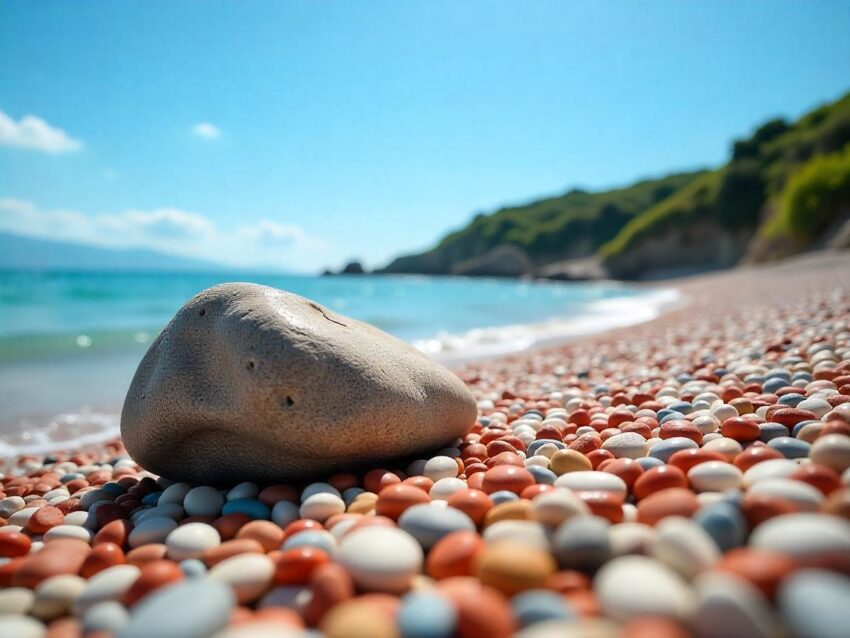 Image generated with Ai
Tourists heading to the UK’s scenic coastlines this summer are being urged to think twice before pocketing shells, pebbles, or even a handful of sand. While it may seem like an innocent keepsake, removing natural materials from British beaches is a serious offence under national law—one that could cost unsuspecting visitors up to £1,000 in fines. These strict rules are in place to protect fragile coastal ecosystems and preserve the natural beauty of the shoreline for future generations.
The UK’s coastlines are among the most picturesque in Europe, drawing millions of visitors every year to enjoy the sweeping sands, turquoise waters, and fresh sea air. But with this natural beauty comes a shared responsibility—keeping beaches clean, safe, and ecologically balanced. As summer approaches and beach traffic increases, a simple mistake made by many holidaymakers could turn into an expensive misstep: taking home natural souvenirs like pebbles or seashells.
Advertisement
Advertisement
While it might seem like a harmless act, removing items from British beaches is not only discouraged—it’s illegal. Under the Coast Protection Act of 1949, taking pebbles, sand, shells, or other natural materials from the coastline can result in fines of up to £1,000. For those unfamiliar with the law, this revelation is often a surprise.
The Beauty of British Beaches—and the Responsibility That Comes With It
The UK boasts a diverse range of beaches, from the rugged cliffs of Cornwall to the serene shores of Norfolk and the iconic stretches of Brighton. Many of these beaches are ranked among Europe’s finest for their crystal-clear waters and unspoiled charm. With the warmer months drawing larger crowds, local councils, environmental organizations, and community groups step up efforts to preserve these natural havens.
Advertisement
Advertisement
Keeping beaches in pristine condition during peak season is no easy task. More visitors often mean more litter, more environmental stress, and greater wear on the fragile coastal ecosystems. While most people understand the importance of cleaning up after themselves and respecting local wildlife, fewer are aware of the ecological consequences of taking natural items home.
Rules Vary—But Some Are Enforced Nationally
Different beaches across the UK may have varied rules based on local council regulations. Some beaches, for instance, ban dogs during the summer months to ensure cleanliness and safety for swimmers and sunbathers. These restrictions are typically issued through Public Spaces Protection Orders (PSPOs), which grant local authorities the power to enforce seasonal limitations.
Advertisement
Advertisement
However, there are some rules that apply across the board—and removing natural materials from beaches is one of them. Whether you’re in Devon, Kent, or the Isle of Wight, the Coast Protection Act 1949 makes it illegal to collect or remove pebbles, sand, rocks, or shells from beaches without permission from the relevant authority.
According to recent reminders issued by environmental consultancy Arbtech, beachgoers may not realise that the seemingly innocent act of gathering a few shells or a handful of sand as a keepsake could be considered a violation of this longstanding law.
Advertisement
Advertisement
Why Is It Illegal to Take Natural Items from Beaches?
To many people, the rule may appear excessive. After all, what harm could a few pebbles or shells do? The truth is, these natural materials play a vital role in coastal environments. Pebbles and rocks help protect against coastal erosion by breaking the force of waves. Sand and shells offer essential habitats for insects, birds, and marine life. Even small removals, when multiplied by thousands of tourists each year, can have long-term consequences.
For example, seashells provide shelter for creatures like hermit crabs and are a food source for some birds. Their removal disrupts food chains and reduces biodiversity. Likewise, sand and plant materials on the shore help anchor dune systems and reduce the risk of flooding.
In popular coastal areas where erosion and habitat loss are already a concern, the enforcement of this law is more stringent. Local councils are empowered to issue warnings or fines, particularly when dealing with repeat offenders or in protected regions like nature reserves and heritage coastlines.
Childhood Memories vs. Environmental Responsibility
Many of us grew up collecting seashells during summer holidays, building sandcastles, or painting stones taken from the beach. These are fond memories for countless families—but the environmental cost of such habits is now better understood. What once seemed like an innocent pastime is today viewed through a lens of ecological awareness.
Advertisement
Advertisement
This shift reflects broader changes in attitudes toward environmental stewardship. As society becomes more conscious of our impact on natural ecosystems, regulations like the Coast Protection Act are being taken more seriously. The message is clear: the coastline is not just a backdrop for holiday photos—it’s a living system that needs to be respected.
What Should You Do Instead?
So, how can visitors enjoy the beach and still take home a memento? The answer lies in responsible tourism. Local shops near most beach towns offer a wide variety of souvenirs—from postcards and keychains to artwork inspired by the sea. Many of these items are sustainably made and support the local economy.
If you’re looking for a memory that’s more personal, consider creating a beach journal. Jot down what you saw, who you were with, and what you felt. Snap some photos. Even collect small manmade objects like tickets or brochures from nearby attractions. These items won’t damage the beach—and they’ll still help you remember your trip.
Another creative alternative is to participate in a beach clean-up. Rather than taking something from the beach, give back. Join local efforts to collect litter and plastic waste. It’s a great activity for kids and adults alike and leaves a positive mark on the environment.
Taking shells, pebbles, or sand from UK beaches might seem harmless, but it’s actually illegal—and could land tourists with fines of up to £1,000. The law protects coastal ecosystems and ensures long-term preservation of these natural landscapes.
The Law Isn’t Meant to Punish, but to Protect
While the £1,000 fine might sound harsh, it’s not about penalising tourists—it’s about safeguarding the long-term health of Britain’s beloved coastlines. Enforcement typically focuses on education first. Beach rangers, local volunteers, and council officers often explain the rules before issuing fines. But ignorance of the law isn’t a defense, especially with increasing signage and awareness campaigns across popular beach destinations.
Advertisement
