
UK’s Heathrow Airport Records Over Five Percent Decline in April Traffic as Ongoing Middle East Conflict Forces Major Global Travel Adjustments, Reroutes Passengers, and Disrupts Key Flight Routes Worldwide: New Report

Published
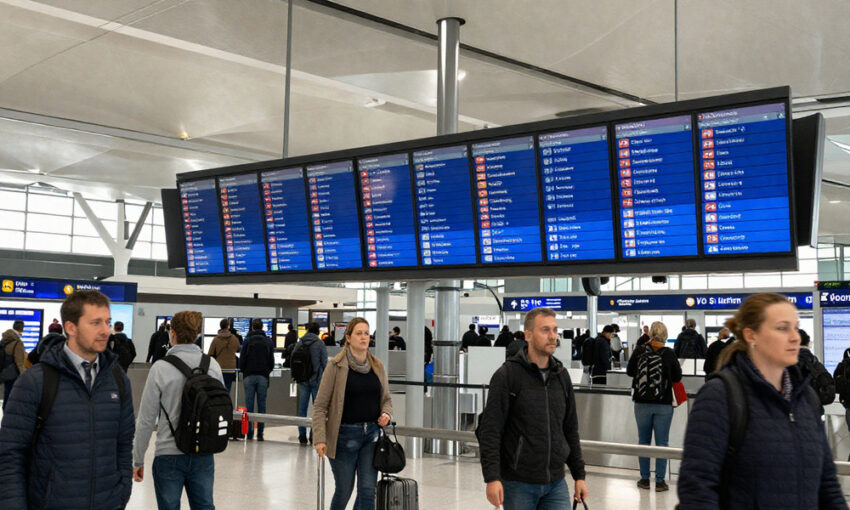 Image generated with Ai
Heathrow Airport in the UK experienced a notable decline in passenger traffic for April, with numbers dropping by over five percent compared to the previous year. This reduction is largely attributed to the ongoing tensions in the Middle East, which have caused significant disruptions to global air travel. The conflict has led to rerouted flights, altered travel plans, and a shift in transit routes, all of which have contributed to the dip in passenger numbers at one of Europe’s busiest airports. Despite these challenges, Heathrow remains a crucial global hub, adapting to the changing dynamics in international travel.
Heathrow Airport Experiences Passenger Decline Amid Middle East Conflict
Advertisement
Advertisement
London’s Heathrow Airport, the busiest airport in Europe and a key hub for the UK, reported a significant drop in passenger traffic for April, marking a 5.3% decrease compared to the same period last year. The decline is primarily attributed to the ongoing conflict in the Middle East, which has disrupted air travel globally. The airport revealed that it handled 6.7 million passengers in April, down from 7.1 million in April of the previous year. This reduction reflects the broader effects of geopolitical tensions in the Middle East, leading to alterations in travel plans and the avoidance of certain flight routes, particularly those affecting the UK’s international connections.
The airport explained that the drop in passenger numbers was partly due to the direct impact the Middle East crisis has had on specific markets, particularly those in the Gulf region. Furthermore, many passengers adjusted their travel routes temporarily, opting for alternate connections to avoid the affected areas. These adjustments stemmed from both the immediate effects of the conflict and the longer-term uncertainties surrounding the region.
Advertisement
Advertisement
Despite the challenging circumstances, Heathrow emphasized that demand for international travel remains strong, with the airport continuing to operate as a major hub for global transit. The increase in transit passengers, up by 10% year-on-year in April, suggests that travelers are choosing to reroute through Heathrow to bypass disruptions in other parts of the world. This surge in transit traffic mirrors a similar trend seen in the previous month, showcasing Heathrow’s continued importance as a connecting hub for international flights.
The disruption to air travel in the Gulf region is tied directly to the military conflict that erupted in late February. The Middle East tensions escalated when Iran launched missile and drone strikes targeting Israel and other U.S. allies in the Gulf. These strikes damaged key airports and critical infrastructure, severely affecting the operations of major airlines based in the region, including Emirates, Etihad Airways, and Qatar Airways. In response, many travelers chose to avoid traveling through the Gulf region altogether, seeking alternative routes to their destinations.
Advertisement
Advertisement
While Heathrow experienced a temporary dip in overall traffic, it remains optimistic about its future growth. The airport remains resilient, continuing to facilitate strong travel demand. Although the geopolitical unrest in the Middle East has led to some short-term disruptions, the underlying strength of the international travel market remains intact. Heathrow also noted that fuel supplies remain stable, which further ensures that flights can continue to operate without significant interruptions, despite the challenges in other regions.
Gulf airlines, which rely heavily on their business models for connecting passengers between Europe, Asia, and the Americas, were directly impacted by the conflict. Following the escalation of the war, many of these airlines had to alter or cancel flights in response to the security risks posed by the ongoing conflict. As a result, some travelers opted to use alternative airports, such as Heathrow, for their international connections. This shift in travel routes has helped maintain a steady demand for transit through Heathrow, despite the broader disruptions.
Advertisement
Advertisement
April’s performance, despite the challenges, still marked the busiest month for Heathrow so far in 2026. The airport’s ability to handle the effects of geopolitical tensions in real-time is a testament to its resilience and adaptability. With passenger numbers remaining steady in key transit areas, the airport is confident that it will continue to recover from the setbacks caused by the ongoing conflict.
The increase in transit passengers demonstrates that Heathrow’s strong position as a global travel hub remains unshaken, even in the face of external disruptions. It has also illustrated the adaptability of travelers, who have become more flexible in rerouting their flights to ensure their journeys continue despite global uncertainties. As global air traffic begins to recover, Heathrow remains a vital node in the world’s aviation network.
Looking forward, Heathrow is focused on maintaining its role as a critical international transport hub. The airport is working to enhance its infrastructure and services, adapting to the new travel patterns brought about by shifting geopolitical circumstances. Although the future of global travel remains uncertain amid continuing Middle East tensions, Heathrow’s swift response to the disruptions highlights its commitment to providing a reliable and stable service to passengers from around the world.
As the Middle East conflict continues, its ripple effects will keep impacting the aviation sector, with ongoing disruptions expected in flight operations and travel patterns. However, airports like Heathrow are expected to continue adapting, ensuring that they remain essential players in the global travel system. The airport’s ability to manage disruptions, coupled with the ongoing demand for travel, ensures that Heathrow will remain a central part of the global aviation landscape for the foreseeable future.
Advertisement
