
Ulaanbaatar: A Blend Of Heritage And Tourism In Mongolia

Updated
Published
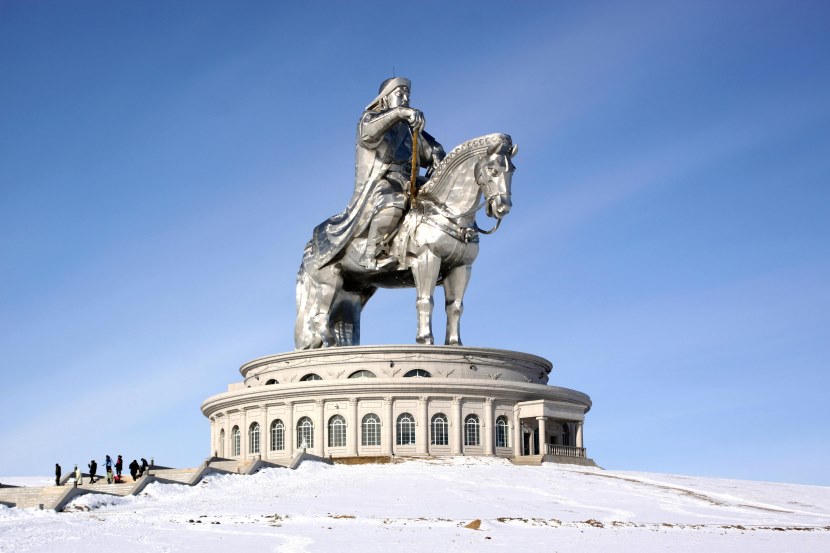 Image generated with Ai
Located in Mongolia, Ulaanbaatar is the capital city and the most prominent center of the country’s economy, politics and culture. Home to over 1.3 million residents, Ulaanbaatar serves as the economic, political, and cultural hub of Mongolia. Despite being a city that constantly evolves, Ulaanbaatar still manages to retain its unique blend of tradition with modern lifestyle offering visitors an experience like no other. Alongside its ever-changing cityscape, its geographical positioning and stunning natural landscapes, as well as its historically and culturally rich heritage, makes Ulaanbaatar a center of attraction for the travelers who want to explore the true and rich history of Mongolia while experiencing the modern lifestyle of the bustling city.
The City’s Dynamic Landscape and Rich History
Ulaanbaatar is located along the Tuul River, framed by four sacred mountains. On its northern slopes, dense pine forests flourish, and to the south, the expansive grassy steppes spread out, creating a landscape that is both visually striking and spiritually significant. This geographical setting allows visitors to experience Mongolia’s breathtaking natural beauty while exploring the city. The surroundings provide a stark contrast to the urban environment of Ulaanbaatar, where modern infrastructure meets ancient traditions.
Advertisement
Advertisement
The city’s charm lies in its perfect juxtaposition. The city center, which is dotted with high-rise buildings and contemporary facilities, reflects Mongolia’s growing modern lifestyle. However, just a short distance away, visitors are transported into the heart of Mongolian tradition. This is most evident in the Ger district, a unique part of the city where traditional Mongolian tents, or “gers,” are still used as homes. This district, which stretches over many parts of the city, showcases the Mongolian nomadic way of life, offering visitors a rare opportunity to witness a lifestyle that has existed for centuries. The city is divided into nine districts and 122 khoroos, with each offering its own charm and experiences.
An Incredible Blend of Old and New
Ulaanbaatar’s allure comes not just from its natural surroundings but from how the city has evolved into a modern metropolis while preserving its rich cultural heritage. Visitors to the city will be greeted by an exciting mix of both old and new. From the moment travelers arrive at the Chinggis Khaan (Buyant-Ukhaa) airport or disembark from the train at the main railway station, they are likely to notice the striking contrast between the new, sleek high-rise buildings and the traditional gers surrounding the city. This unique setting demonstrates how Mongolian culture, steeped in centuries of history, exists harmoniously alongside the progressive advancements of today.
Advertisement
Advertisement
Ulaanbaatar is a city where modern living intertwines seamlessly with the values and traditions of the Mongolian people. While the urban center represents progress, the city’s outskirts, especially the Ger district, continue to represent the enduring influence of Mongolia’s nomadic heritage. The coexistence of these two lifestyles offers tourists a rare, immersive glimpse into the country’s past and present. This duality is the hallmark of Ulaanbaatar and one of the many reasons it continues to attract travelers from all corners of the globe.
Exploring Ulaanbaatar’s Surroundings: Nature and Heritage
The area surrounding Ulaanbaatar is rich in natural beauty and historical sites. For nature enthusiasts, several national parks offer an escape from the hustle and bustle of the city. Hustai National Park, located just a short drive from Ulaanbaatar, is home to the endangered Przewalski horse, a species once thought extinct in the wild. The park’s vast, untamed beauty provides a peaceful retreat, with opportunities for hiking, wildlife observation, and photography. The landscape here is stunning, with rugged hills and open plains that stretch to the horizon.
Advertisement
Advertisement
Similarly, Terelj National Park is another natural gem close to Ulaanbaatar, famous for its dramatic granite rock formations and lush green valleys. The park offers a range of outdoor activities, including horseback riding, trekking, and camping. The serene landscapes of Terelj make it a perfect spot to experience Mongolia’s natural beauty and tranquility.
Ulaanbaatar is also home to a number of significant historical and cultural landmarks. One of the most prominent is the Chinggis Khaan Statue, a towering monument dedicated to the great Mongolian leader. Standing 40 meters tall, the statue is a symbol of Mongolia’s pride and historical significance. Nearby, visitors can explore the 13th Century Complex, an open-air museum that brings the medieval Mongolian empire to life. The complex features replicas of yurts, military encampments, and other aspects of Mongolian history, providing an educational and immersive experience for visitors.
Advertisement
Advertisement
Another important site is Tsonjin Boldog, the location where it is said Chinggis Khaan was born. This site holds immense cultural and historical value for Mongolians, and the nearby Chinggis Khaan Statue is an important national symbol.
The Importance of Tourism in Ulaanbaatar’s Development
Tourism plays a crucial role in Ulaanbaatar’s development, not only from an economic standpoint but also as a means of preserving the city’s cultural heritage. The city’s rich history and beautiful surroundings attract thousands of visitors every year, contributing to the local economy while showcasing Mongolia’s unique cultural identity. As more travelers visit Ulaanbaatar, there has been an increased focus on preserving traditional lifestyles, ensuring that the nomadic culture continues to thrive while modern life adapts to the challenges of urbanization.
Moreover, the growing tourism industry in Ulaanbaatar has spurred investments in infrastructure, such as new hotels, transportation systems, and cultural institutions. These developments ensure that visitors have access to modern amenities while enjoying the traditional Mongolian experience. With more international flights landing in the city and a steady rise in the number of travelers, Ulaanbaatar is poised to become a key destination in the Asian travel market.
Conclusion: Growing Appeal as a Tourist Destination
Ulaanbaatar exemplifies all the defining features of Mongolia – the union of ancient and contemporary, breathtaking nature and diverse heritage. From its bustling city center filled with high-rise buildings to the tranquil Ger district where traditional tents dot the landscape, Ulaanbaatar offers a rare opportunity to experience the contrast between Mongolia’s past and present. With its surrounding national parks, historical monuments, and cultural landmarks, Ulaanbaatar is a must-visit destination for any traveler interested in exploring the heart of Mongolia. The city’s rise as a tourism hub not only benefits its economy but also ensures the continued preservation of its unique cultural identity. As Mongolia continues to grow in popularity among travelers, Ulaanbaatar will undoubtedly remain the country’s most important cultural and economic center.
Advertisement
