
United Airlines Joins Delta Air Lines, JetBlue Airways, Southwest Airlines, ITA Airways as 2026 FIFA World Cup Host City Airports Launch Fast-Track Customs Protocol: Exclusive News

Published
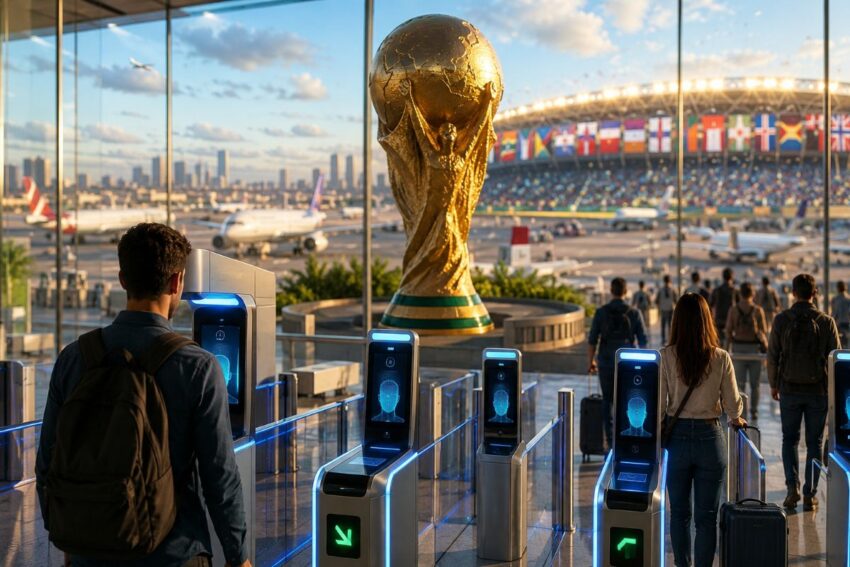
Image generated with Ai
The race to prepare for the 2026 FIFA World Cup is rapidly transforming airport operations across the United States and Europe as United Airlines, Delta Air Lines, JetBlue Airways, Southwest Airlines, and ITA Airways align with host-city airports to introduce specialized Fast-Track customs protocols ahead of the global sporting spectacle. Aviation authorities and airport operators are accelerating infrastructure upgrades to manage an expected surge of millions of international travelers during the tournament, which will span multiple host cities across the United States, Canada, and Mexico. The initiative focuses on reducing immigration bottlenecks, streamlining passenger screening, and improving transfer efficiency at some of the world’s busiest aviation hubs. Industry analysts believe the move represents one of the largest coordinated airport modernization programs linked to a sporting event in modern aviation history.
The implementation of Fast-Track customs systems, AI-powered passenger processing, biometric verification technologies, and dedicated World Cup arrival corridors is expected to redefine international airport operations during mega-events. Major carriers including United Airlines and Delta Air Lines are now integrating operational planning directly with airport authorities to prevent congestion, minimize delays, and strengthen the overall passenger experience. Experts say the preparations highlight how the 2026 FIFA World Cup travel boom is becoming a catalyst for long-term aviation modernization strategies. Airports serving host cities are positioning themselves as global transit gateways capable of handling unprecedented international traffic volumes while maintaining security efficiency and operational resilience.
2026 FIFA World Cup Drives Massive Airport Modernization Plans
The upcoming 2026 FIFA World Cup has triggered an unprecedented wave of infrastructure planning among airlines and host-city airports. With millions of global football fans expected to travel across North America and Europe, aviation stakeholders are prioritizing passenger flow management and customs efficiency.
Airports connected to United Airlines, Delta Air Lines, JetBlue Airways, Southwest Airlines, and ITA Airways are deploying dedicated processing systems to prevent long immigration queues and operational gridlock during peak tournament periods.
Advertisement
Advertisement
- Analysts believe airports are now treating mega sporting events as long-term aviation investment opportunities rather than temporary operational challenges.
- Experts interpret the rapid deployment of customs technology as a signal that future international travel will increasingly rely on automation and biometric systems.
Fast-Track Customs Protocols Aim to Reduce Passenger Congestion
The newly introduced Fast-Track customs protocols are designed to accelerate immigration processing and simplify international arrivals for football fans, athletes, media personnel, and corporate travelers. Dedicated arrival lanes, biometric checkpoints, and AI-assisted passenger verification systems are expected to significantly reduce waiting times at major airports.
Advertisement
Advertisement
Industry insiders say the program could become a permanent model for handling high-volume global events in the future. Airlines are also coordinating flight schedules and arrival waves to avoid simultaneous surges at customs checkpoints.
- Aviation experts suggest the protocols could permanently reshape airport customs operations worldwide after the World Cup concludes.
- Analysts believe passenger expectations for frictionless airport experiences are forcing airlines and governments to modernize faster than previously anticipated.
United, Delta, JetBlue, Southwest, ITA Airways Expand Operational Coordination
Major international and domestic airlines are increasing coordination with airport authorities, immigration agencies, and transportation departments to ensure smooth tournament operations. United Airlines and Delta Air Lines are reportedly enhancing scheduling systems and passenger communication tools, while JetBlue Airways and Southwest Airlines are focusing on domestic connectivity between host cities.
Meanwhile, ITA Airways is expected to strengthen transatlantic connectivity for European football travelers heading toward North American venues. The combined airline strategy highlights how carriers are aligning operational networks around large-scale global sporting demand.
Advertisement
Advertisement
- Analysts interpret the airline coordination strategy as evidence that aviation competition is increasingly centered around operational efficiency rather than only ticket pricing.
- Experts believe airlines capable of managing large-scale event traffic smoothly could gain long-term customer loyalty advantages.
Biometric Technology and AI Become Central to World Cup Travel
The deployment of AI-powered airport systems, facial recognition checkpoints, and predictive passenger analytics is becoming a cornerstone of World Cup preparation strategies. Airports are increasingly relying on automation to identify congestion risks before they escalate into major operational disruptions.
Biometric verification systems are expected to reduce manual document checks and improve overall passenger throughput. Several airports are also investing in real-time crowd monitoring systems to maintain smoother terminal movement during peak match-day arrivals.
Advertisement
Advertisement
- Aviation technology experts believe the World Cup could become a global showcase for next-generation AI airport systems.
- Analysts suggest successful deployment of biometric customs systems may accelerate adoption across non-event international travel markets.

Image generated with Ai
Host City Airports Position Themselves as Global Aviation Gateways
Airports serving World Cup host cities are using the tournament as an opportunity to strengthen their international branding and long-term network competitiveness. Expanded terminal infrastructure, upgraded customs systems, and enhanced passenger services are expected to improve airport rankings and attract future international traffic growth.
Industry observers say the tournament’s aviation impact could extend far beyond sports tourism, potentially influencing airline route strategies, airport investment patterns, and future global event logistics planning. Airports that successfully manage World Cup traffic may emerge as preferred international transit hubs for years after the tournament concludes.
- Experts believe airports are increasingly competing on passenger experience and operational intelligence rather than only physical size.
- Analysts interpret the World Cup preparations as part of a broader shift toward “smart airport ecosystems” powered by AI and automation.
Conclusion
The 2026 FIFA World Cup is rapidly becoming more than a global football tournament—it is emerging as a transformative moment for international aviation infrastructure and airport modernization. With United Airlines, Delta Air Lines, JetBlue Airways, Southwest Airlines, and ITA Airways supporting specialized Fast-Track customs protocols, airports are preparing for one of the largest coordinated travel operations in recent history. The integration of AI systems, biometric screening, and advanced passenger management technologies could permanently reshape how global airports handle international mega-events in the future.
Advertisement
