
United Arab Emirates, Saudi Arabia, Bahrain, Qatar and Kuwait Face Deepening Travel, Tourism and Aviation Turmoil as Iran Conflict Disrupts Gulf Economy—Key Developments for Travelers

Published
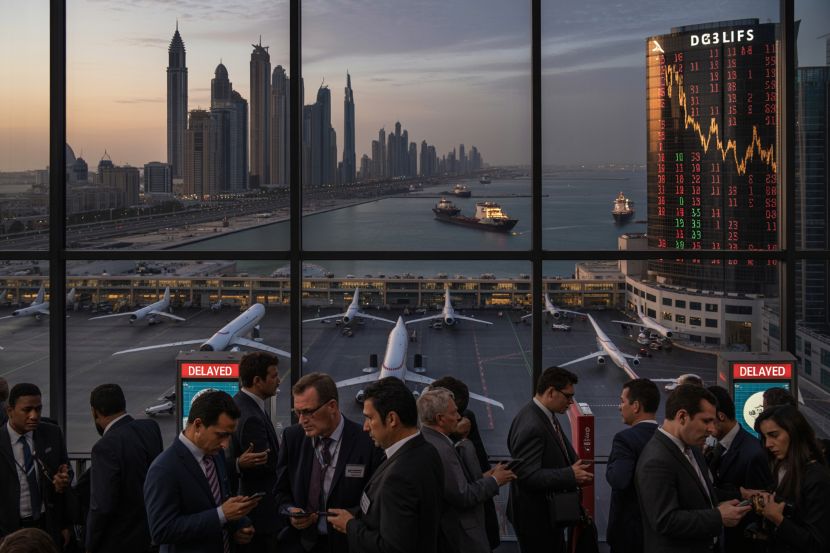 Image generated with Ai
The widening Iran conflict is rapidly transforming the economic outlook of the Gulf region, placing enormous pressure on ambitious diversification plans that once promised to turn cities such as Dubai, Riyadh and Manama into dominant global tourism, finance and aviation centers. Across the United Arab Emirates, Saudi Arabia, Bahrain, Qatar, and Kuwait, the fallout from regional instability is now reaching far beyond military and diplomatic circles. Luxury hotels are witnessing cancellations, business travelers are delaying investments, airlines are facing operational uncertainty, and the region’s prized tourism economy is beginning to slow under the weight of geopolitical risk.
The Gulf monarchies spent decades positioning themselves as future-ready economies capable of reducing dependence on oil revenues. Massive infrastructure developments, billion-dollar tourism campaigns, entertainment projects and international aviation hubs became the backbone of this transition. However, escalating security threats linked to the ongoing Iran crisis are now exposing the vulnerabilities beneath these ambitions, particularly for nations whose prosperity depends heavily on uninterrupted travel flows, global investor confidence and safe energy corridors.
Advertisement
Advertisement
Gulf Tourism Corridors Enter a Period of Severe Uncertainty
For years, the Gulf region marketed itself as one of the world’s fastest-growing luxury travel destinations. Cities like Dubai and Riyadh aggressively expanded airport infrastructure, hospitality portfolios and entertainment offerings to attract millions of international visitors annually. The strategy appeared successful, especially after the post-pandemic travel rebound accelerated tourism growth across the Middle East.
That momentum has now weakened dramatically.
Advertisement
Advertisement
The tourism industry across the Gulf is confronting one of its most difficult periods since the COVID-19 crisis. According to estimates from the World Travel & Tourism Council, the region experienced tourism-related revenue losses reaching nearly $600 million per day during the initial weeks of the conflict. The losses are reverberating across airlines, hotels, restaurants, conference centers and luxury retail sectors.
In the United Arab Emirates, concerns intensified after reports of drone-related damage near critical infrastructure and iconic tourism zones in Dubai. International tourists, particularly from Europe and Asia, have become increasingly cautious about non-essential travel to the region. Hotel occupancy rates have softened in several Gulf destinations, while travel agencies are reporting rising demand for flexible booking policies and travel insurance coverage for Middle East itineraries.
Advertisement
Advertisement
The impact extends beyond leisure tourism. Corporate events, global exhibitions and high-value business conferences—once viewed as pillars of Gulf economic transformation—are also facing delays and cancellations as multinational companies reassess security exposure in the region.
Dubai’s Aviation Dominance Faces New Headwinds
Few industries symbolize Gulf economic ambition more than aviation. Airports in Dubai, Doha and Riyadh evolved into critical transit gateways connecting Europe, Asia and Africa. Yet the latest regional instability has exposed how deeply dependent these aviation ecosystems are on geopolitical stability.
Advertisement
Advertisement
Dubai International Airport, one of the world’s busiest international passenger hubs, has become a focal point of concern for airlines and global travel operators. Aviation analysts warn that prolonged regional conflict could disrupt long-haul flight scheduling, increase insurance premiums for carriers and reshape passenger routing decisions across the Middle East.
The Gulf aviation model relies heavily on seamless international connectivity. Any perception of insecurity can immediately influence transit demand, particularly among premium travelers and multinational corporations. Airline scheduling disruptions linked to airspace risks have already added operational complexity for carriers navigating routes near conflict-sensitive zones.
Travel advisors are increasingly encouraging passengers to monitor airline advisories closely before traveling through Gulf transit hubs. Flexible flight changes, comprehensive travel insurance and real-time security updates are becoming essential tools for international travelers planning journeys through the Middle East.
The Strait of Hormuz Crisis Is Reshaping Global Energy and Trade Calculations
The economic strain extends far beyond tourism and aviation. The Strait of Hormuz, one of the world’s most strategically important shipping lanes, remains central to the crisis. Roughly one-fifth of global oil and gas shipments pass through this narrow maritime corridor, making any disruption a major concern for international markets.
Advertisement
Advertisement
As tensions escalated, fears surrounding shipping security intensified. Countries heavily dependent on uninterrupted Gulf exports began reevaluating trade relationships and energy sourcing strategies. The uncertainty has accelerated global conversations around alternative energy investments and supply diversification.
While the United Arab Emirates and Saudi Arabia possess some pipeline infrastructure capable of partially bypassing the Strait of Hormuz, countries such as Bahrain, Qatar and Kuwait remain significantly more exposed. The economic vulnerability of smaller Gulf states has become increasingly visible as export concerns grow.
Financial markets reacted swiftly to these risks. Bahrain’s economic outlook recently faced renewed scrutiny after disruptions linked to regional instability affected export operations and investor sentiment.
Financial Centers Across the Gulf Lose Momentum
The Gulf’s transformation into a global financial powerhouse was built on stability, low taxation and aggressive foreign investment strategies. International banks, hedge funds and technology firms expanded rapidly across Dubai, Abu Dhabi, and Riyadh over the past decade.
That expansion is now slowing.
Concerns surrounding security threats and potential infrastructure risks have prompted many firms to pause regional growth plans. Commercial real estate markets, which previously benefited from strong expatriate demand, are beginning to cool as corporate relocations face delays.
Advertisement
Advertisement
Property search activity reportedly plunged sharply after the conflict intensified, signaling a broader decline in investor confidence. Although online searches partially recovered later, transaction activity remains below pre-conflict levels in several Gulf property markets.
The slowdown has broader consequences for the travel industry as well. Luxury tourism growth in the Gulf is deeply interconnected with real estate investment, international business expansion and expatriate mobility. When corporate activity weakens, demand for premium hotels, serviced apartments and business-class aviation also declines.
Saudi Arabia’s Mega Tourism Vision Encounters Economic Pressure
The crisis is emerging at a sensitive moment for Saudi Arabia, which has invested hundreds of billions of dollars into tourism megaprojects under Vision 2030. Developments such as NEOM, Red Sea tourism resorts and entertainment initiatives were designed to reduce the kingdom’s long-term reliance on oil revenues.
However, falling energy revenues combined with rising infrastructure and security costs are now creating financial pressure across the region.
Economic analysts suggest Gulf governments may increasingly redirect capital toward domestic recovery, security protection and infrastructure resilience instead of international expansion projects. This shift could slow tourism construction timelines and reduce overseas investment activity tied to Gulf sovereign wealth funds.
The financial tightening is already influencing global partnerships. Sponsorship commitments, international cultural investments and overseas sports initiatives linked to Gulf funding are facing renewed scrutiny as governments reassess spending priorities.
Advertisement
Advertisement
What Travelers and Investors Should Watch Next
Despite the current turbulence, Gulf nations continue to emphasize resilience and long-term recovery. The region has previously rebounded from major disruptions, including oil market collapses and the COVID-19 pandemic. However, the present crisis differs because it simultaneously threatens tourism, aviation, finance and energy infrastructure—the four pillars underpinning Gulf diversification strategies.
For travelers, heightened awareness is now essential when planning Middle East itineraries. Monitoring airline advisories, securing travel insurance and reviewing entry requirements have become increasingly important for passengers transiting through Gulf airports.
For investors, the coming months may determine whether the region can preserve confidence in its long-term economic transformation plans. Much will depend on regional stability, maritime security and the ability of Gulf governments to maintain investor trust while managing growing domestic economic pressures.
What once appeared to be an unstoppable transition toward a post-oil future is now entering a far more fragile phase, with the Gulf’s tourism ambitions and financial influence facing their most significant geopolitical test in years.
Advertisement
