
United States Joins Australia, Spain, Portugal, Kenya, Fiji and More as El Niño Set to Cause Travel Disruptions and Rising Temperatures in 2026, How Extreme Weather Will Disrupt Your Travel Plans and What You Can Do About It

Published
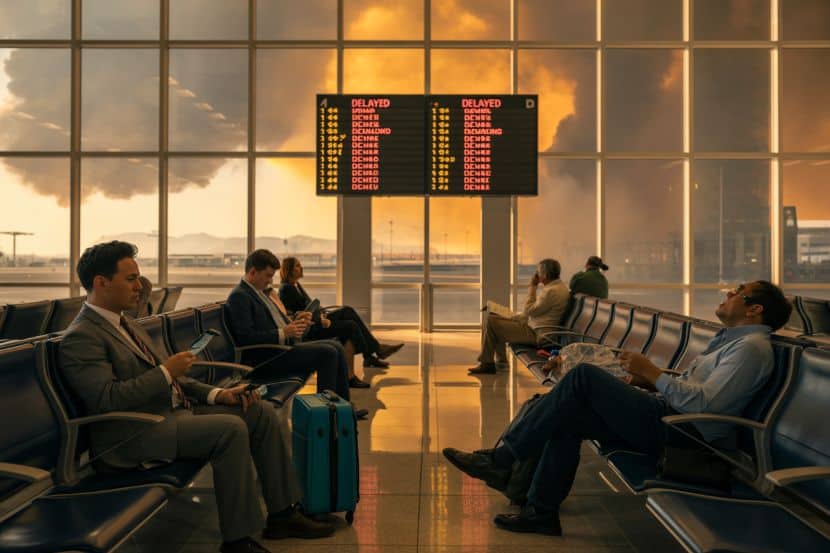
In 2026, El Niño is set to cause rising temperatures and extreme weather conditions across the globe, with the United States, Australia, Spain, Portugal, Kenya, Fiji, and more regions experiencing significant travel disruptions. As El Niño continues to develop, it has the potential to disrupt travel plans, delay transport, and strain local economies. Both business travelers and leisure tourists will feel the impact, especially in popular destinations like Australia, Europe, and Southeast Asia. From heatwaves in already hot areas to flooding, storms, and wildfires, El Niño’s influence on global weather will make 2026 an unpredictable year for travelers. Staying informed about weather shifts is essential to mitigate these challenges and ensure smooth travel experiences, whether for business or vacation plans.
How El Niño Will Affect Popular Destinations: Region by Region
1. Southeast Asia

- Past Impact: In past El Niño years, Southeast Asia has experienced severe droughts and intense heatwaves. During 1997-1998 and 2015-2016, countries like Indonesia, Thailand, the Philippines, and Malaysia saw reductions in rainfall, with forest fires becoming widespread in Indonesia due to the dry conditions.
- Percentage Impact: Southeast Asia is generally impacted by 50-60% of the time during El Niño years, with some areas seeing more severe disruptions than others.
- Why Prone: Southeast Asia’s tropical climate and monsoon-dependent agriculture make it highly susceptible to El Niño. When the Pacific Ocean warms, it disrupts the normal rainfall patterns of the Asian monsoon, leading to reduced rainfall in countries like Indonesia and Thailand. Droughts and wildfires often follow, severely affecting agriculture and the livelihood of millions.
2. Australia

- Past Impact: Australia is one of the most vulnerable regions during El Niño events. In 2015-2016, Australia experienced one of the strongest El Niño events, which caused intense heatwaves and devastating bushfires in New South Wales, Queensland, and Victoria. These conditions led to significant damage to wildlife, biodiversity, and local infrastructure.
- Percentage Impact: El Niño impacts Australia around 60-70% of the time, with the northern regions (such as Queensland) and the southern parts being most affected.
- Why Prone: Australia’s vulnerability to El Niño stems from its vast dry interior, which experiences reduced rainfall during El Niño events. Warming sea temperatures in the Pacific lead to drier conditions in the eastern and northern parts of Australia, which also leads to more frequent wildfires and severe droughts.
3. United States

- Past Impact: The United States has faced extreme heatwaves and intense wildfires during El Niño events. The 1997-1998 El Niño brought wildfires to California and droughts to the Southwest U.S., including states like Arizona and Nevada. The 2015-2016 El Niño was particularly notable for bringing storms and flooding to the East Coast, as well as disruptions to agriculture in the Midwest.
- Percentage Impact: The U.S. is impacted by 40-50% of El Niño years, with California, the Gulf Coast, and the Southeast experiencing the most severe effects.
- Why Prone: The West Coast of the U.S. is prone to droughts and wildfires due to El Niño, while the Gulf Coast and Southeast face hurricanes and tropical storms. Warm ocean temperatures push moist air toward the U.S., resulting in heavy rainfall and flooding in coastal regions, while drought conditions dominate in the western states.
4. South America

- Past Impact: South American countries, particularly Peru, Ecuador, and Chile, have experienced major flooding and wildfires during El Niño years. The 2015-2016 El Niño was one of the strongest in history, triggering catastrophic flooding along the Pacific coast and causing crop damage and economic loss in countries like Peru and Ecuador.
- Percentage Impact: South America sees 50-60% of the effects of El Niño, especially in coastal regions like Peru and Ecuador, where flooding is common.
- Why Prone: South America’s coastal regions are particularly vulnerable to El Niño because the warming Pacific Ocean disrupts normal rainfall patterns and causes rising sea temperatures. This results in intense rainfall and flooding in countries like Peru and Chile, along with drought and water shortages inland.
5. Pacific Islands

- Past Impact: Pacific Islands such as Fiji, Samoa, and Vanuatu face sea level rise, droughts, and tropical storms during El Niño years. These islands have seen destruction of crops and water shortages due to drought, while intense storms have caused severe flooding and disruptions to tourism.
- Percentage Impact: The Pacific Islands experience El Niño effects around 40-50% of the time, with Fiji and Samoa being particularly affected by extreme conditions.
- Why Prone: The Pacific Islands are highly vulnerable due to their low-lying geography and dependence on agriculture and freshwater resources. El Niño causes changes in rainfall patterns, leading to drought or flooding, which affects both local economies and tourism.
6. Europe
- Past Impact: Southern Europe has been hit hard during El Niño events, particularly with heatwaves and wildfires. Countries like Spain, Italy, and Greece often see longer, hotter summers and intense wildfires, as was the case during El Niño events in 2009 and 2015-2016.
- Percentage Impact: Southern Europe faces 40-50% of the effects, with wildfires and heatwaves being the primary concerns.
- Why Prone: Southern European countries face extreme heat and drought during El Niño events, exacerbating existing problems related to water scarcity and wildfire risks. These events are becoming more frequent due to global warming and El Niño’s effects on the region’s climate.
7. Africa
- Past Impact: Eastern and Southern Africa have suffered from severe droughts and heatwaves, leading to significant food insecurity and challenges for wildlife tourism. Kenya, Tanzania, and South Africa have seen reduced rainfall, affecting safaris and other outdoor tourism activities.
- Percentage Impact: Africa sees 40-50% of the effects, with East and Southern Africa being more vulnerable to drought and temperature extremes.
- Why Prone: Africa’s rural areas depend on rain-fed agriculture, making them especially susceptible to El Niño’s impact. Dry conditions and water shortages heavily affect wildlife, national parks, and tourist experiences in places like Kenya’s Maasai Mara.
What is El Niño and How Does It Affect Travel?
El Niño is a weather phenomenon that involves the warming of sea surface temperatures in the Pacific Ocean, which significantly affects global weather patterns. As the Pacific heats up, the change in atmospheric conditions can lead to extreme weather events, including heatwaves, droughts, and intense storms. These changes typically increase temperatures globally and result in disrupted patterns for seasonal weather, including rainfall and storm seasons.
The World Meteorological Organization (WMO) and climate experts predict that the 2026 El Niño will cause record-breaking temperatures globally, with some regions expected to experience higher-than-usual heatwaves and unpredictable storms. For tourists, this means a rise in disruptions to flight schedules, changes to tourism availability, and an increased risk of adverse weather during holidays or business trips.
Preparing for El Niño’s Impact on Travel in 2026: A Step-by-Step Guide
- Stay Informed: Monitor local weather forecasts for your travel destination, especially in Southeast Asia, Australia, or Southern Europe, to prepare for sudden weather shifts.
- Be Flexible: Book flexible travel dates or accommodation that allow you to change plans if bad weather affects your destination.
- Pack for Unpredictable Weather: Bring light layers for heat, waterproof jackets for storms, and sun protection to deal with a variety of extreme weather conditions.
- Consider Indoor Alternatives: Research indoor attractions such as museums, shopping, or cultural experiences in case outdoor activities are disrupted.
- Check Travel Insurance: Make sure your travel insurance includes weather-related disruptions, especially for flight delays, cancellations, and activity changes.
Conclusion: How to Navigate Global Travel in 2026 Amid El Niño’s Effects
As El Niño continues to affect global weather patterns in 2026, business travelers and tourists alike must be prepared for extreme weather events. Whether dealing with heatwaves in Europe, wildfires in California, or storms in Southeast Asia, travelers need to stay flexible and informed about the conditions in their destinations. By adjusting travel plans, checking weather forecasts, and having backup options, tourists can still make the most of their 2026 travel adventures, despite the challenges posed by El Niño.
Advertisement
Advertisement
Advertisement
