
Spain Entry Requirements 2026: Everything You Need to Know for a Seamless Trip

Published
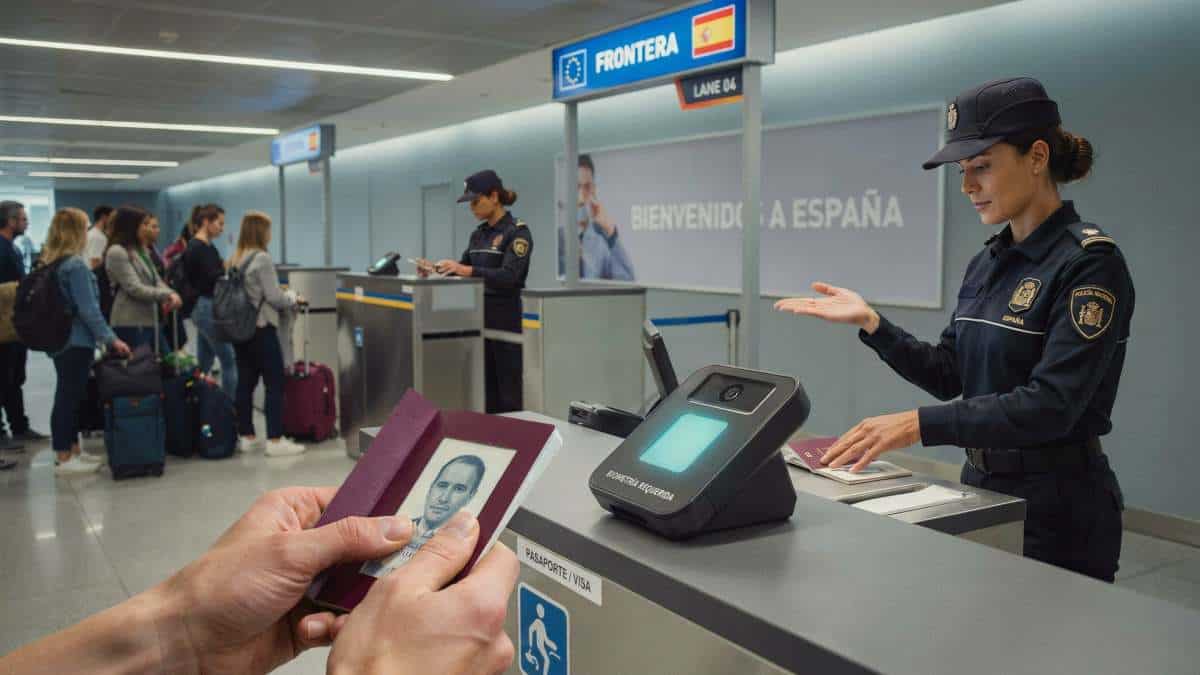
Image generated with Ai
In the current landscape of international travel, the nuances of Schengen entry rules of Spain have evolved. For those planning a visit to the Iberian Peninsula, understanding these shifts is vital. The strict enforcement of passport rules and the integration of new biometric systems are now part of the process. As non-EU travellers—especially those from the United Kingdom—prepare for trips, compliance is paramount. Careful preparation helps avoid being turned away at airports.
The Evolution of Schengen Entry Rules and Border Security
Historically, entering Spain was simple. It often involved a quick visual check and a manual ink stamp. However, the regulatory environment has changed significantly. Since the launch of the EU Entry/Exit System (EES) in April 2026, the old process has been replaced. A digital, automated framework is now in place. This transition aims to enhance border security across all external borders of Spain.
Under this new regime, visitor movement is tracked with high precision. Every traveller from a non-EU/EEA country must now participate in biometric registration. This process involves capturing four fingerprints and a facial scan. This data is stored in a secure database. It allows authorities to calculate the duration of a stay instantly. Any instance of overstaying is now detected with extreme accuracy.
Impact on the Traveller Experience
The most immediate impact of these changes is the shift in pre-departure preparation. The requirement for a valid passport is no longer just a suggestion. It is now a rigid technicality.
Advertisement
Advertisement
- Passports must be issued within the last ten years.
- The document must remain valid for at least three months after the intended departure date.
Checks are now performed with increased diligence. Airline staff conduct these checks during boarding. Border officials perform further checks upon arrival. Even minor discrepancies can result in denied entry. Travellers who arrive with damaged documents are being turned away more frequently.
The reliance on digital logs means the margin for error has narrowed. If the electronic system detects that the 90-day allowance has been exhausted, entry will be refused. This is now handled as an administrative necessity.
Advertisement
Advertisement
Industry Insights and Practical Travel Advice for Spain
Beyond document validity, the importance of maintaining supporting evidence cannot be overstated. While the biometric system tracks dates, border officials retain the legal authority to request documentation confirming the purpose and conditions of the stay at any point.
To ensure a smooth arrival, consider these essential travel tips and requirements:
Advertisement
Advertisement
- Proof of Accommodation: Carry printed or easily accessible digital copies of your hotel reservations, rental agreements, or an official letter of invitation if staying with friends or family.
- Proof of Financial Means: Travellers must demonstrate sufficient funds to support their stay. As of 2026, this is generally quantified at approximately 122 euros per person per day. It is helpful to have recent bank statements or credit card evidence that reflects this financial capability.
- Documentation of Onward Travel: Be prepared to present a confirmed return flight ticket or proof of transport for your onward journey out of the Schengen Area.
- Passport Integrity: Ensure your passport is not damaged and contains at least one blank page for entry and exit processing. A passport with no remaining space can lead to immediate denial of entry.
- The ETIAS Requirement: With the European Travel Information and Authorization System (ETIAS) expected to launch in late 2026, eligible visa-exempt travellers must monitor official EU portals for the exact implementation date. Once active, this pre-travel authorization will be mandatory for entry. Failing to obtain this electronic approval will likely become a primary cause for travel disruptions and denied boarding.
- Digital Preparedness: While the new EES biometric system is designed to streamline entry, first-time registration involves providing fingerprints and a facial scan. Allow extra time at border control for this initial data capture.
- Official Sources: Only use official European Union websites to check entry requirements and application statuses. Avoid third-party sites that may offer unofficial or fraudulent “fast-track” services for ETIAS or other authorizations.
By keeping these documents organized in a dedicated travel folder—whether physical or digital—travellers can approach border security with confidence. Proactive verification of these requirements is the single best way to ensure that your time in Spain remains focused on your itinerary rather than administrative hurdles.
Comparison with Previous Policies and Future Outlook
The current approach represents a move toward full digitization. The transition from physical stamps to EES biometric profiles marks the end of an era. Previously, minor administrative oversights were sometimes overlooked by border staff. Today, the system is designed to be binary. A traveller either meets the criteria, or they do not.
While these measures strengthen European tourism and regional safety, they require greater individual responsibility. The goal of these protocols is not to restrict movement. Instead, the intent is to modernize the verification process.
By staying informed about these requirements, visitors can protect their plans. Awareness of the upcoming ETIAS mandate and the established EES registration is crucial. This ensures the focus remains on the lifestyle benefits of Spain. Travellers can then enjoy their time in Spain rather than worrying about the complexities of border control.
Advertisement
