
Oman Alongside UAE and More Face Luxury Hotel Market Pressure in 2026 as Travel Demand Recovery Slows

Published
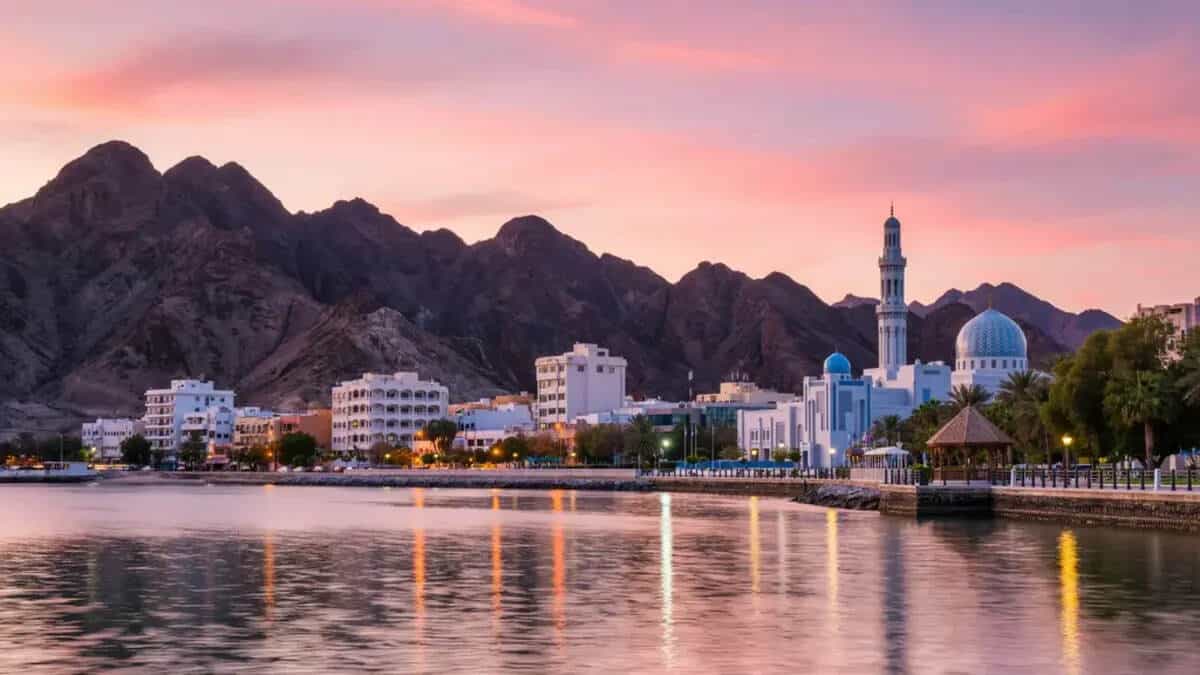
Oman along with UAE and others to witness luxury hotel industry contraction in 2026 due to demand recovery slowdown, regional disruptions and enhanced supply. Oman, together with the UAE, and other international markets, will see a challenge in the luxury hotel industry in 2026 due to demand recovery slowdown, regional disruptions, and an increase in supply. In various upscale tourism markets, luxury accommodations are witnessing pressures from lower international tourist arrivals, shifting traveler preferences, and differing demand recovery trends.
Oman has emerged as one of the latest examples of this trend, with its three- to five-star hotel sector recording a decline in revenue during the first half of 2026. Although the country continues to expand its hospitality infrastructure, the slower pace of visitor growth has created concerns about how quickly new hotel capacity can be absorbed.
Advertisement
Advertisement
Oman’s Luxury Hotel Market Faces Revenue Decline Amid Weaker Visitor Numbers
Oman’s upscale hotel market experienced a difficult first half of 2026, with total revenue from three- to five-star hotels declining by around 12 per cent year on year. The sector generated approximately OMR 124.2 million ($322.7 million) during the period, reflecting the impact of weaker tourism activity.
The decline was closely linked to a fall in hotel guest numbers. Visitor stays at premium hotels dropped by 13 per cent compared with the previous year, reaching around 992,000 guests. At the same time, Oman’s airport passenger traffic also recorded pressure, decreasing by 9.3 per cent to 6.3 million passengers.
Advertisement
Advertisement
The slowdown highlights the challenges currently affecting destinations that rely heavily on international tourism. While Oman has continued positioning itself as a growing luxury and cultural destination, reduced international movement has affected hotel performance.
The impact was particularly visible among European travellers. The number of European hotel guests declined by 31 per cent to 247,000 visitors, creating additional pressure on high-end properties that traditionally attract international leisure travellers.
Advertisement
Advertisement
However, domestic tourism provided some stability. Omani nationals represented the largest guest group, with around 396,000 visitors, marking a 3.1 per cent increase compared with the previous year.
Hotel Revenue Weakens as Seasonal Demand Becomes Critical for Recovery
The decline in Oman’s hotel performance was not consistent throughout the entire first half of 2026. Revenue growth was recorded during January and February, but conditions weakened from March onwards.
The most significant downturn was recorded in April 2026, when hotel revenue fell by 64.5 per cent compared with April 2025. The decline gradually improved in the following months, reaching around 28 per cent in May and 15.5 per cent in June.
Hotel room earnings were also affected. Room revenue declined by 11 per cent to OMR 74 million ($192 million), while income from other hotel services dropped by 13 per cent to OMR 50.2 million ($130.4 million).
The performance indicates that premium hotel demand remains sensitive to wider travel conditions. Luxury travellers continue to prioritise destinations based on accessibility, confidence, seasonal appeal and overall travel experience.
Oman’s upcoming tourism seasons are expected to play an important role in determining the strength of recovery. The country’s Salalah Khareef season, one of its most important tourism periods, along with the winter travel season, will provide key indicators for future hotel demand.
Advertisement
Advertisement
Oman Expands Hotel Capacity Despite Luxury Hospitality Pressure
Despite the current slowdown, Oman’s hospitality investment pipeline remains active. The country is expected to add around 700 hotel rooms by the end of 2026, increasing total hotel inventory to approximately 40,800 rooms.
Around 400 new rooms were added during the first quarter of 2026, while no additional room openings were reported during the second quarter.
The projected year-end hotel inventory has been revised down from an earlier estimate of 41,400 rooms to 40,800 rooms, following delays and rescheduling of some projects.
Further expansion is planned over the next two years. Around 1,500 additional rooms are scheduled for 2027, followed by another 1,600 rooms in 2028. If these developments progress as planned, Oman’s total hotel inventory could reach approximately 43,900 rooms by the end of 2028.
The growing supply highlights a major challenge for the market. Future success will depend on whether international visitor demand grows at a pace capable of supporting the expanding number of luxury and upscale rooms.
UAE and Other Luxury Tourism Markets Also Experience Pressure in 2026
Oman is not the only destination facing pressure in the luxury hospitality sector in 2026. Several major tourism markets, including the UAE, Thailand, the United Kingdom and China, are experiencing similar challenges linked to demand shifts and changing travel conditions.
Advertisement
Advertisement
In the United Arab Emirates, luxury hotels continue to operate in a highly competitive environment. Destinations such as Dubai and Abu Dhabi have witnessed significant growth in five-star hotel supply over recent years. However, premium properties are facing pressure from changing international travel patterns and regional uncertainty.
The UAE remains one of the world’s leading luxury tourism hubs, but hotel operators are increasingly focused on maintaining occupancy levels while managing a growing number of high-end rooms.
Dubai’s luxury hotel sector has expanded rapidly, with international brands continuing to enter the market. However, increasing competition means hotels must attract higher-value travellers through unique experiences, personalised services and premium offerings.
Thailand’s Luxury Hotel Expansion Creates Supply Challenges
Thailand’s luxury tourism destinations are also experiencing pressure, particularly in markets with rapid hotel development.
Phuket, one of Asia’s most popular luxury holiday destinations, has seen continued growth in upscale accommodation. However, rising hotel supply has created stronger competition among premium properties.
The challenge facing Phuket reflects a wider trend across global luxury tourism markets. Destinations that attract millions of visitors are continuing to receive new hotel investments, but demand growth is not always matching the pace of new room additions.
Advertisement
Advertisement
Luxury hotels are increasingly focusing on experience-based travel, wellness tourism, sustainability and personalised services to maintain their market position.
Global Luxury Hospitality Recovery Remains Uneven in 2026
Across major tourism destinations, the luxury hotel market in 2026 is experiencing an uneven recovery. While some destinations continue to attract strong international demand, others are facing slower growth due to economic conditions, travel disruptions and increased competition.
Several factors are shaping the performance of upscale hotels worldwide:
- International visitor fluctuations are affecting destinations dependent on overseas travellers.
- New hotel supply growth is increasing competition among luxury properties.
- Changing traveller expectations are pushing hotels to offer more personalised and experience-focused services.
- Regional disruptions continue influencing travel decisions and booking behaviour.
The current situation suggests that luxury hospitality growth is entering a more competitive phase. Destinations are no longer relying only on increasing visitor numbers but are focusing on attracting higher-value travellers and improving long-term tourism resilience.
Future Outlook for Oman and Global Luxury Hotel Markets
Oman’s hospitality sector remains focused on long-term tourism growth despite the short-term slowdown. The continued development of new hotels demonstrates confidence in the country’s future tourism potential.
However, the success of upcoming hotel projects will depend on the recovery of international arrivals and the ability of destinations to balance supply with demand.
Advertisement
Advertisement
As Oman, UAE and other luxury tourism markets move through 2026, the focus will remain on restoring international travel momentum, strengthening visitor confidence and ensuring that new hospitality investments are supported by sustainable demand.
Oman, along with the UAE and others, has luxury hotel demand pressure in 2026 as travel recovers slowly from weakened visitor numbers, regional disruptions, and increased hotel supply.
The performance of future peak travel seasons will give greater insight into whether the luxury hotel industry will see stronger growth after a tough period.
Advertisement
