
Montenegro Aligns With Albania, North Macedonia and More in Tightening New Visa Rules

Published
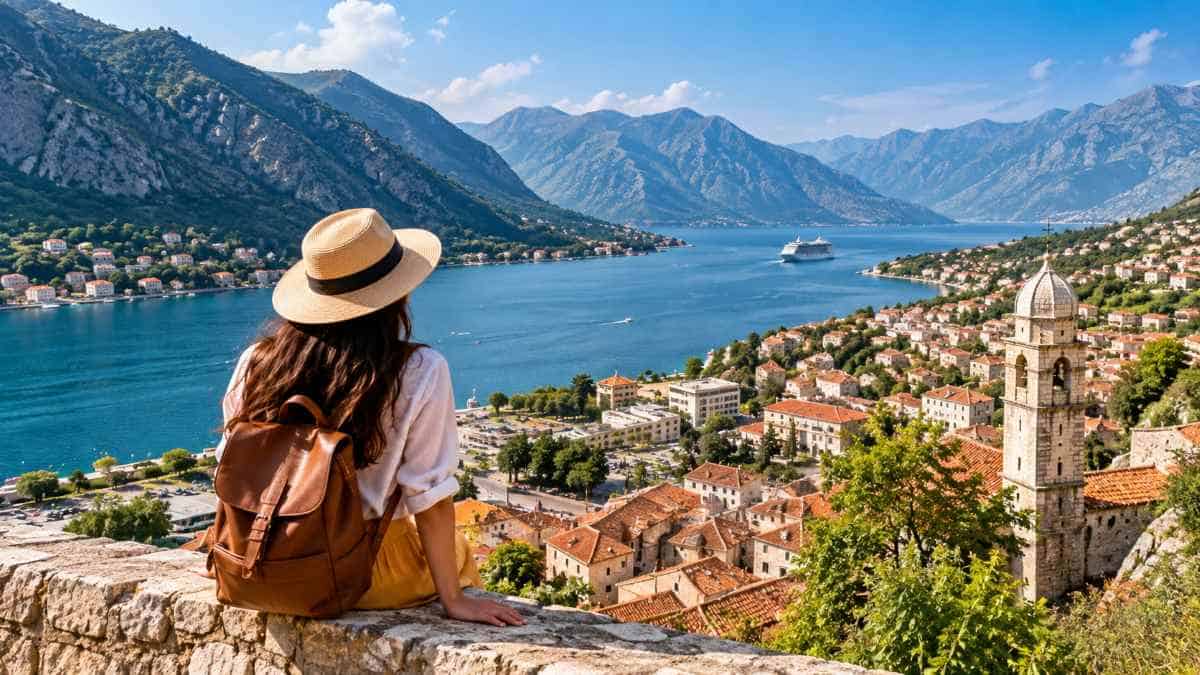
Western Balkans is becoming a destination for people seeking to explore alternative destinations in Europe because of its coast along the Adriatic Sea, its ancient cities, mountain ranges, and cultural diversity. However, there are vast differences in entry requirements for Indian passport holders and other passport holders who need visas to enter these countries. The presence of a Schengen, UK, or US visa can make things easier in some cases, but there are variations in terms of visa requirements.
Montenegro Changes Its Visa Landscape
Montenegro requires Indian citizens to hold a visa for entry. However, holders of a valid Schengen visa, or valid visas issued by the United States, United Kingdom or Ireland, can enter, transit and stay in Montenegro for up to 30 days, subject to the validity of the supporting visa. Certain residence permits issued by Schengen countries and several other countries can also provide a 30-day entry facility.
Montenegro has also moved closer to the European Union’s visa framework. From 1 November 2026, nationals of Belarus, China, Russia, Saudi Arabia and Türkiye will require a Montenegrin visa under the country’s updated alignment policy.
US and UK passport holders do not generally require a visa for stays of up to 90 days. EU citizens can also enter Montenegro without a visa.
Advertisement
Advertisement
For travellers, this makes Montenegro particularly relevant for multi-country European itineraries, but the exact exemption should be checked against the passport being used.
Bosnia and Herzegovina Requires Careful Checking
Bosnia and Herzegovina has different rules again. Indian citizens require a visa to enter, exit or transit the country.
Advertisement
Advertisement
However, Bosnia and Herzegovina allows nationals of countries subject to its visa regime to enter without a separate Bosnian visa when they hold a valid multiple-entry visa or residence permit issued by a Schengen country, an EU member state or the United States, subject to the applicable conditions.
The permitted stay under this facility can reach 90 days in any 180 days, although one continuous stay cannot exceed 30 days.
Advertisement
Advertisement
Citizens of EU and Schengen countries, as well as several European neighbours including Montenegro, Serbia, Albania and North Macedonia, benefit from visa-free entry arrangements.
Travellers should also be prepared to demonstrate sufficient financial resources and provide accommodation details when required at the border.
North Macedonia Offers Several Visa Exemptions
North Macedonia provides visa-free entry for citizens of EU member states and Schengen countries.
Third-country nationals holding temporary or permanent residence in an EU or Schengen country can stay for up to 15 days per entry, within the broader 90-day limit in 180 days.
Advertisement
Advertisement
North Macedonia has also introduced a temporary 2026 exemption for third-country nationals holding valid multiple-entry UK, US or Canadian visas. Eligible travellers can stay for up to 15 days, provided the supporting visa remains valid for at least five days beyond the planned stay.
The arrangement is valid from 1 January through 31 December 2026.
This can be particularly useful for travellers from countries such as India who already hold qualifying visas from the UK, US or Canada.
Albania Offers Wider Visa-Free Options
Albania has one of the more useful arrangements for travellers holding visas from major Western destinations.
Foreign nationals with a valid multiple-entry Schengen visa that has previously been used in the Schengen Area can enter Albania without a separate Albanian visa. A valid Schengen residence permit can also qualify.
Albania also recognises certain valid multiple-entry visas or residence permits issued by the United States or United Kingdom, provided the visa has previously been used in the issuing country.
Advertisement
Advertisement
This can benefit Indian travellers who already hold qualifying Schengen, US or UK documentation.
Citizens of many EU countries and other visa-exempt nationalities can enter Albania without a visa under the country’s standard arrangements.
Indian Travellers Need to Check Each Border
Indian passport holders should not assume that a visa valid for one Western Balkan country automatically applies throughout the region.
An Indian traveller with a Schengen visa may have easier access to Montenegro, Bosnia and Herzegovina, North Macedonia and Albania under different conditions. A US or UK visa can also provide additional access in several cases, but the requirements differ.
Travellers should check whether their supporting visa must be multiple-entry, previously used or valid beyond the planned Balkan stay.
A Balkan Trip Requires Route Planning
These four countries make up an interesting multi-destination holiday package. One can start from Tirana and then visit Albania’s Riviera, move on to Montenegro’s Bay of Kotor and Budva, head to the interior regions of Bosnia and Herzegovina for Sarajevo and Mostar, and end up in North Macedonia near Skopje and Lake Ohrid. Yet travelling from one country to another implies moving through different jurisdictions of immigration authorities. A person who enjoys visa-free travel to one country will still have to apply for a visa to enter another. This makes it necessary for Indian tourists and other non-EU visitors to verify all borders in their itinerary before booking tickets.
Advertisement
