
US Travel Update: American Airlines Redesigns Long-Haul Flights With Smarter Route Strategy

Published
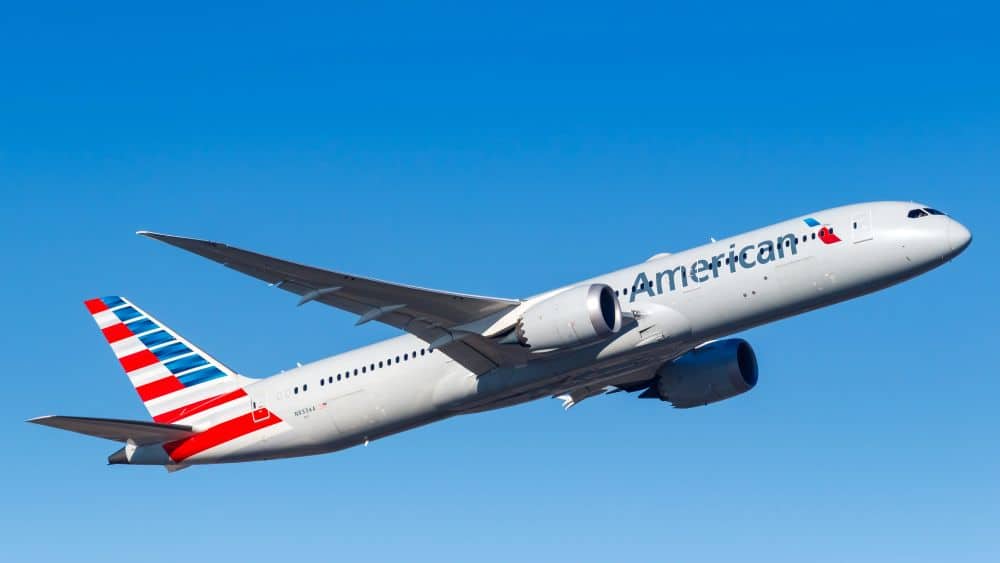
American Airlines is entering a new phase of international operations as the carrier adjusts its long-haul network to match changing traveller demand, aircraft efficiency and global aviation trends. The airline’s evolving strategy is reshaping how passengers connect between the United States and overseas destinations, with some routes disappearing while other high-demand markets receive greater focus.
The latest American Airlines travel update highlights a wider transformation across the aviation industry, where airlines are moving away from maintaining every possible international route and instead concentrating on profitable connections supported by strong leisure, business and premium demand. For travellers, the changes mean fewer nonstop options on some routes but stronger connectivity, improved aircraft experiences and more strategic international services where demand remains highest.
Why are American Airlines’ long-haul flights changing?
The changing long-haul network of American Airlines reflects a major shift in global aviation.
International flights require significant investment, including aircraft operations, fuel expenses, airport charges and crew costs. Airlines are increasingly reviewing routes based on long-term financial performance rather than maintaining services purely for network size.
Advertisement
Advertisement
Several factors influence decisions about international routes, including passenger demand, competition from other carriers, aircraft availability and seasonal travel patterns.
The modern airline industry is becoming more selective. Carriers are focusing on destinations where they can attract a strong combination of leisure travellers, corporate passengers and premium cabin customers.
Advertisement
Advertisement
This strategy allows airlines to improve efficiency while investing in routes with greater growth potential.
Which international destinations have experienced connectivity changes?
Some international markets previously served by American Airlines have experienced reductions or schedule changes as the airline continues reviewing its overseas network.
Certain European routes have faced challenges because demand has not always supported year-round nonstop operations.
Manchester, United Kingdom
Manchester has historically been an important transatlantic destination because of its strong tourism, business and cultural connections.
The city attracts American visitors through:
- Football tourism
- Music and cultural experiences
- Business travel
- Family connections
- Northern England exploration
Changes in direct US connectivity can influence how travellers plan journeys, with passengers often using alternative airlines or connecting through major European hubs.
Advertisement
Advertisement
However, Manchester remains a significant international destination with strong transport links and continued tourism appeal.
Berlin, Germany
Berlin remains one of Europe’s most influential cultural destinations, attracting visitors through history, creativity and innovation.
The city offers:
- Historic landmarks
- World-class museums
- Art districts
- Technology industries
- Food and nightlife experiences
When direct flight options change, travellers may adapt by using connecting hubs such as Frankfurt, Munich or London.
Berlin’s strong tourism infrastructure continues supporting international visitor demand despite changes in individual airline schedules.
Iceland travel connections
Iceland became a popular stopover destination during the growth of transatlantic travel.
Advertisement
Advertisement
The country attracts visitors with:
- Northern Lights experiences
- Volcanic landscapes
- Geothermal attractions
- Adventure tourism
- Unique natural scenery
However, Iceland routes are particularly influenced by seasonal demand and aircraft economics.
Changes in nonstop services can encourage travellers to adjust itineraries or explore alternative airline connections.
Why is American Airlines still expanding premium international travel?
Although some long-haul services have disappeared, American Airlines continues investing in important global markets.
The airline is focusing on routes where demand remains strong, particularly among premium travellers and international business passengers.
A major part of this strategy involves upgrading aircraft interiors and improving long-distance passenger experiences.
Advertisement
Advertisement
American Airlines has expanded premium seating options on international aircraft, including redesigned Boeing 777-300ER cabins featuring enhanced premium products.
The airline’s international strategy increasingly focuses on destinations where passengers are willing to pay for higher-quality travel experiences.
Major international markets continue to include destinations such as:
- London
- Tokyo
- São Paulo
- Buenos Aires
- Sydney
These routes represent strong demand from both business and leisure travellers.
How will passengers be affected by disappearing nonstop flights?
For travellers, changes to long-haul routes create both challenges and new opportunities.
The biggest impact is reduced nonstop availability on selected international journeys.
Advertisement
Advertisement
Passengers may need to:
- Choose connecting flights
- Depart from alternative airports
- Compare different airline options
- Adjust travel dates
However, fewer nonstop routes do not necessarily mean fewer travel opportunities.
American Airlines continues operating through major global gateways, including:
- Dallas/Fort Worth
- Miami
- Philadelphia
- Chicago
- Charlotte
- New York
These hubs remain essential points for connecting US travellers with international destinations.
For passengers, flexibility will become increasingly important as airline schedules continue evolving.
How do airline changes affect tourism destinations?
Air connectivity plays a critical role in tourism growth.
Advertisement
Advertisement
A direct international flight can significantly increase visitor arrivals by making destinations easier to access and more visible to travellers.
When routes are reduced, destinations may face challenges including:
- Lower international visibility
- Increased dependence on connecting flights
- Changes in visitor planning behaviour
However, tourism destinations can adapt through partnerships with other airlines, regional airports and improved transport networks.
Today, destinations compete not only through attractions and experiences but also through accessibility.
Strong air connections remain a key factor influencing where international travellers choose to visit.
How are new aircraft changing the future of long-haul travel?
Aircraft innovation is becoming one of the biggest forces shaping international aviation.
Advertisement
Advertisement
New-generation aircraft, including the Airbus A321XLR, are allowing airlines to operate longer routes with fewer passengers compared with traditional wide-body aircraft.
This development could create opportunities for more direct connections between smaller cities and international destinations.
Instead of concentrating all global travel through the largest airports, airlines may increasingly connect secondary cities with overseas markets.
This could create a more flexible global aviation network in the future.
What should travellers know before planning international trips?
The latest American Airlines travel update shows why passengers should monitor airline networks carefully before booking long-distance journeys.
Travellers should consider:
Advertisement
Advertisement
- Checking seasonal flight schedules
- Comparing multiple airlines
- Booking early for limited nonstop routes
- Exploring nearby departure airports
International travel planning is becoming more dynamic as airlines respond quickly to changing market conditions.
Passengers who remain flexible can often find alternative routes and better travel options.
What is the future of American Airlines’ global network?
American Airlines’ evolving international strategy reflects a broader transformation in aviation.
The future of long-haul travel will likely focus less on operating the largest possible network and more on creating efficient, profitable and high-value connections.
The airline is reducing weaker-performing routes while strengthening markets with stronger demand.
For travellers, this could mean fewer choices in certain markets but improved services, upgraded aircraft and stronger connectivity on major international routes.
Advertisement
Advertisement
The global aviation industry is entering a period where efficiency, premium demand and smarter network planning will shape the next generation of international travel.
Frequently Asked Questions
Why is American Airlines changing some long-haul routes?
American Airlines is adjusting its network because of changing passenger demand, operating costs, aircraft availability and route profitability.
Are American Airlines reducing all international flights?
No. The airline continues operating and investing in major international markets while reviewing lower-performing routes.
Which American Airlines hubs remain important for international travel?
Dallas/Fort Worth, Miami, Philadelphia, Chicago, Charlotte and New York remain major international gateways.
How do route changes affect travellers?
Passengers may need to use connecting flights or alternative airports, but major international travel opportunities remain available.
Will new aircraft create more international routes?
Yes. Efficient aircraft such as the Airbus A321XLR may allow airlines to create new long-distance connections between smaller markets.
Advertisement
Advertisement
Conclusion: American Airlines Travel Update Reveals a New Future for Global Flight Connectivity
The latest American Airlines travel update reflects a powerful transformation taking place across international aviation. Airlines are no longer simply competing by offering the largest possible network; they are carefully selecting routes that match passenger demand, operational efficiency and future growth opportunities.
For travellers, the changing landscape may require greater flexibility, but it also brings opportunities through improved aircraft, premium experiences and stronger connections on key global routes. American Airlines’ focus on strategic international markets demonstrates how the future of long-haul travel will be shaped by smarter decisions rather than unlimited expansion.
As global tourism continues recovering and evolving, reliable air connectivity will remain one of the most important factors influencing where people travel. Destinations, airlines and passengers are all adapting to a new aviation era where efficiency, experience and accessibility define the next generation of international journeys.
Image Source : Conde Nast Traveler
Advertisement
