
South Korea Overtakes Japan as China International Flight Bookings 2026 Soar Level Up to 22.5% Spearheading Travel

Published
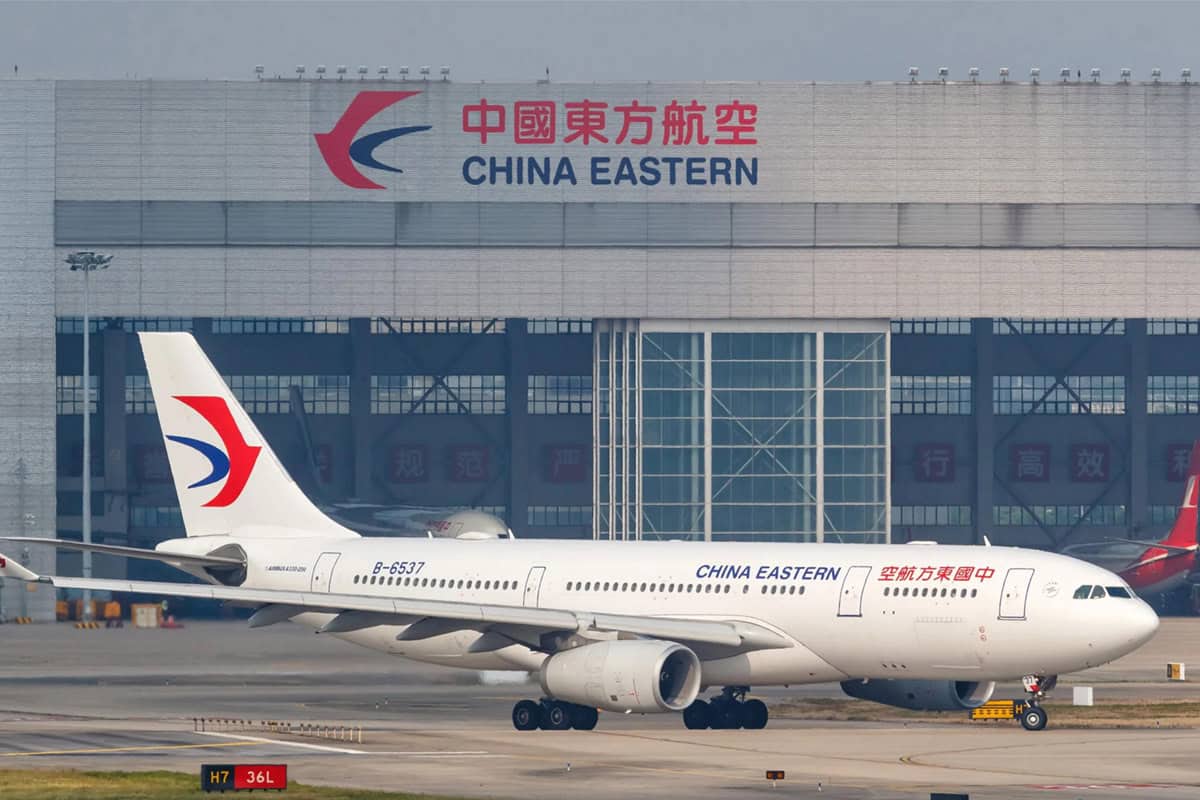
The landscape of global tourism is undergoing a monumental shift, spearheaded by a significant resurgence in China international flight bookings 2026. Recent statistics published by the Civil Aviation Administration of China reveal an impressive 22.5% increase in outbound air travel reservations. Notably, South Korea has captured the top position, attracting 20.1% of all Chinese outbound tourists, while traditional favourites like Japan have unexpectedly fallen out of the top ten. Understanding these evolving travel patterns, bilateral aviation agreements, and economic implications is absolutely essential for global aviation stakeholders, government planners, and international tourism boards navigating this highly competitive modern operational environment.
The Remarkable Evolution of Chinese Outbound Travel
The civil aviation sector in the People’s Republic of China has historically served as an indispensable barometer for measuring both domestic economic vitality and broader international commercial engagement. Following several years of stringent structural realignments and rigorous capacity rebuilding, the current landscape of outbound tourism presents a fascinating study in economic resilience and strategic adaptation. The remarkable evolution of Chinese outbound travel in the latter half of the current decade demonstrates a significantly matured market, where mainland travellers are exercising far greater discernment in their destination selections. As one of the most populous nations on the planet, possessing a rapidly expanding and highly mobile middle class, China holds unparalleled capacity to influence macroeconomic tourism dynamics worldwide. The officially verified statistics recorded throughout 2026 illustrate a profound redirection in these critical travel corridors, which is fundamentally altering the traditional hierarchies of preferred international destinations. Consequently, national aviation authorities, immigration departments, and international tourism boards are being forced to recalibrate their promotional strategies in order to attract the modern Chinese tourist, whose preferences have decisively shifted away from basic retail tourism toward comprehensive, experiential travel that encompasses deep cultural immersion and diverse culinary landscapes.
Structural Adjustments in the Global Aviation Market
The global aviation market has experienced significant structural adjustments expressly designed to accommodate the shifting paradigms of international passenger demand. Major airlines operating within the highly competitive Asia-Pacific region have systematically overhauled their extensive network planning methodologies, reallocating advanced wide-body aircraft to routes demonstrating the highest revenue yields and the most consistent passenger load factors. This continuous operational recalibration is largely driven by the fluctuating demand profiles originating directly from mainland China. The strategic deployment of costly aviation assets now strongly prioritises operational agility, allowing international carriers to swiftly increase flight frequencies to emerging regional hotspots while simultaneously reducing financial exposure to legacy markets exhibiting stagnant growth. Furthermore, the sophisticated integration of advanced data analytics into route profitability modelling has empowered airline executives to accurately forecast seasonal travel peaks with unprecedented precision. These structural adjustments are certainly not merely reactionary measures; rather, they represent a proactive transformation of the entire aviation industry, which is firmly aimed at building a much more robust, shock-resistant international network capable of smoothly absorbing sudden shifts in geopolitical relations or rapid changes in collective consumer sentiment.
Rebuilding Capacity and Reconnecting Global Corridors
Rebuilding vital international aviation capacity has remained a paramount strategic objective for the Civil Aviation Administration of China (CAAC) alongside its numerous international regulatory counterparts. The intricate process of reconnecting global aviation corridors requires meticulous, protracted bilateral negotiations concerning commercial traffic rights, the equitable allocation of landing slots at heavily congested hub airports, and the strict harmonisation of international safety protocols. Throughout the duration of 2026, concerted diplomatic and commercial efforts have been successfully made to restore, and in several key instances exceed, the previous operational frequencies on critical routes connecting major Chinese megacities with leading global financial and cultural centres. This highly systematic capacity restoration is carefully managed by authorities to prevent unsustainable market oversupply while simultaneously ensuring that sufficient commercial seats remain available to comfortably meet the surging passenger demand experienced during peak national holiday periods. The successful and safe reconnection of these global corridors facilitates not only lucrative leisure tourism but also essential cross-border business travel, international academic exchanges, and the deeply important reunification of transnational families.
Advertisement
Advertisement
Latest Official Developments: Civil Aviation Administration of China (CAAC) H1 2026 Report
The publication of official civil aviation data often serves as a definitive compass for the broader travel and hospitality industries. The latest comprehensive performance metrics released by the Civil Aviation Administration of China for the first half of 2026 provide unparalleled insight into the rapid standardisation and growth of the sector. According to official figures, China’s vast civil aviation system successfully handled a staggering 380 million passenger trips during the first half of 2026, representing a steady 1% aggregate increase compared to the exact same period in the previous year. While the overall aggregate percentage increase may appear modest upon initial inspection, delving deeper into the specific regional performance metrics reveals a highly dynamic and rapidly expanding international sector that is significantly outpacing domestic market stagnation. This divergence highlights a concentrated consumer pivot towards international exploration, heavily supported by proactive government aviation policies and aggressive airline route expansion initiatives.
Unpacking the Surge in China international flight bookings 2026
The most compelling statistic to emerge from the latest officially verified government data is the revelation that the CAAC reported international flight bookings are up by a phenomenal 22.5%. This impressive surge in China international flight bookings 2026 underscores a powerful release of latent travel demand amongst the Chinese populace. The substantial 22.5% growth rate firmly indicates that international travel is no longer a luxury reserved for a minority, but has rather become an anticipated annual expenditure for a significant demographic segment of the mainland population. This immense booking surge is actively being facilitated by improved passport processing efficiencies at the municipal level, the strategic introduction of highly competitive international airfares by major state-owned carriers, and the increasing normalisation of simplified electronic visa application procedures by welcoming foreign nations. For international hoteliers, ground transport operators, and retail conglomerates, this double-digit percentage increase in confirmed flight bookings acts as a highly reliable leading indicator for robust future revenue streams.
Advertisement
Advertisement
Aggregate Passenger Volumes and System Regularity
Handling hundreds of millions of passengers requires an aviation infrastructure characterised by supreme operational reliability and technological sophistication. In conjunction with reporting the 380 million total passenger trips for the first half of 2026, the CAAC officially highlighted a highly commendable flight regularity rate of 93.5% across the entire national network. This exceptional punctuality metric is a direct result of continuous state investments into intelligent air traffic control systems, the expansive modernisation of terminal infrastructure, and the implementation of rigorous maintenance schedules by domestic airlines. Achieving a 93.5% regular operation rate whilst simultaneously managing intense domestic traffic and rapidly expanding international routes is a testament to the supreme operational capability of the Chinese aviation sector. For the discerning international traveller, this high degree of systemic reliability translates directly into reduced connection anxieties, lower instances of costly missed itineraries, and a generally vastly improved overall passenger experience when traversing through major Chinese aviation hubs.
Government Announcements: Expanded Bilateral Aviation Pacts
The immense physical movement of millions of international tourists is fundamentally underpinned by the complex legal architecture of bilateral air service agreements negotiated at the highest levels of government. In 2026, several strategic governmental announcements have actively reshaped the capacity limitations that previously constrained outbound travel growth. These vital international agreements are typically formulated by ministries of transport and foreign affairs, functioning to carefully balance reciprocal market access while simultaneously attempting to maximise the domestic economic benefits derived from inbound tourism. By officially revising these bilateral pacts, governments directly dictate the maximum permissible frequency of flights, the specific types of aircraft that may be legally utilised, and the exact destination cities that foreign carriers are authorised to serve.
The Historic China-South Korea Flight Expansion Agreement
In a genuinely landmark development for regional Asian aviation connectivity, the respective governments of the People’s Republic of China and the Republic of Korea officially agreed in May 2026 to significantly expand their mutual bilateral aviation capacity. This highly consequential historic agreement directly facilitates the immediate increase of weekly commercial passenger flights from an existing 608 to a robust 664 frequencies. Crucially, this vital diplomatic development marks the very first formal expansion in bilateral flight rights between the two neighbouring nations in a span of seven years. This expansion is absolutely not merely a routine numerical increase; it represents a profound strategic realignment of regional air traffic expressly designed to comfortably accommodate the surging, verified demand for cross-border mobility. By legally injecting an additional 56 weekly flights into the regional network, commercial airlines are newly empowered to heavily optimise their daily schedules, thereby offering passengers far greater flexibility and a much wider array of convenient departure times.
Ministerial Directives and Capacity Reallocation
The formal execution of these expanded bilateral pacts falls strictly under the regulatory purview of national aviation administrators. During the heavily attended National Civil Aviation Work Conference held earlier in the year in Beijing, senior transport officials, including Transport Minister Liu Wei, outlined the overarching strategic directives intended to guide the industry’s continuous expansion. The strategic reallocation of newly negotiated capacity heavily favours routes that demonstrate immediate, tangible economic utility. Consequently, the additional flight frequencies negotiated with South Korea are being meticulously distributed not solely to congested primary capital airports like Beijing Capital or Seoul Incheon, but are also being strategically allocated to secondary regional hubs. This deliberate policy of capacity decentralisation is intended to stimulate equitable regional economic growth, alleviate chronic airspace congestion over major metropolitan areas, and provide millions of regional citizens with direct, convenient access to lucrative international travel markets without the necessity of enduring arduous domestic transit connections.
Tourism Impact: South Korea Captures the Outbound Crown
The shifting tides of Chinese outbound tourism have resulted in a dramatic reconfiguration of the regional tourism hierarchy in 2026. Armed with expanded aviation capacity and highly targeted marketing campaigns, specific nations have successfully positioned themselves as the premier choices for mainland holidaymakers. The most striking revelation from the latest official outbound travel data is the definitive ascendance of the Republic of Korea. According to verified industry reports tracking consumer behaviour, South Korea has overwhelmingly claimed the top international spot for Chinese travellers, being officially favoured by an astonishing 20.1% of all outbound tourists. Capturing more than one-fifth of the entire Chinese outbound travel market is a monumental economic achievement that is currently delivering massive financial dividends to the South Korean hospitality, retail, and entertainment sectors.
Analysing the 20.1% Market Share Attraction
The magnetic appeal that has allowed South Korea to capture 20.1% of Chinese outbound tourists is multi-faceted and deeply structural. Firstly, the geographical proximity between the two nations ensures short, relatively inexpensive flight durations, making South Korea an ideal destination for brief weekend excursions as well as extended national holiday vacations. Secondly, the pervasive regional influence of South Korean popular culture—encompassing music, television dramas, and high-end cosmetics—creates a powerful, continuous organic marketing engine that profoundly resonates with younger Chinese demographics. Furthermore, the aforementioned historic expansion of weekly passenger flights to 664 has virtually eliminated supply-side bottlenecks, ensuring that airfares remain highly competitive and readily accessible. Official data reveals that H1 2026 Korea-China passenger traffic reached a robust 9.54 million, reflecting a massive 22% year-on-year increase. This immense volume of foot traffic is fundamentally transforming the retail landscapes of popular Seoul districts like Myeongdong and Gangnam.
Advertisement
Advertisement
The Demise of Japan in the Top 10 Preferred Destinations
Conversely, the data reveals a stark and highly unexpected downturn for a nation that has historically dominated the preferences of the Chinese tourist demographic. In a stunning reversal of historical trends, official booking data indicates that Japan—which confidently held the absolute top spot in the previous year—has precipitously dropped out of the top 10 targeted cities for bookings on major travel platforms such as Tongcheng Travel in 2026. This dramatic decline represents a colossal loss of projected tourism revenue for the Japanese economy. The sudden demise of Japan’s popularity can be largely attributed to a complex amalgamation of fluctuating currency valuations, shifting geopolitical undercurrents, and the aggressive, highly successful reallocation of airline capacity toward alternative regional destinations like South Korea and Southeast Asia. As airline networks physically pivot away from Japanese airports, the resulting reduction in available seats naturally suppresses tourist volumes, creating a compounding negative effect on Japan’s inbound tourism metrics from the Chinese market.
Southeast Asia Sustains High Demand for Short-Haul Routes
While Northeast Asia experiences a dramatic reshuffling of tourist loyalties, the tropical nations of Southeast Asia have successfully maintained their enduring allure for Chinese holidaymakers. The Association of Southeast Asian Nations (ASEAN) region remains a foundational pillar of the Chinese outbound travel market, offering a highly attractive combination of warm climates, rich cultural tapestries, and exceptional economic value. The strategic implementation of mutual visa-exemption frameworks between China and several prominent ASEAN member states has effectively removed the most significant bureaucratic barriers to spontaneous travel, resulting in a continuous, high-volume flow of short-haul passenger traffic that serves to heavily sustain the regional aviation ecosystem.
Bangkok, Kuala Lumpur, and Singapore Lead the Pack
Directly trailing behind South Korea in the international popularity rankings are the vibrant Southeast Asian metropolises of Bangkok, Kuala Lumpur, and Singapore. These three distinct cities consistently dominate the short-haul booking charts, capitalising heavily on their world-class airport infrastructure and highly developed hospitality sectors. Bangkok continues to leverage its globally renowned culinary scene and affordable luxury accommodations to attract massive volumes of leisure travellers. Meanwhile, Kuala Lumpur offers a compelling blend of modern urban shopping experiences alongside accessible natural attractions. Singapore, serving as the premier aviation hub of the region, attracts a highly lucrative mixture of premium leisure tourists and high-yielding corporate business travellers. The sustained, intense demand for these three specific urban destinations guarantees that commercial flights operating from southern Chinese megacities like Guangzhou and Shenzhen to these ASEAN capitals consistently maintain some of the highest passenger load factors in the entire global aviation industry.
The Role of Mutual Visa Exemption Frameworks
The sustained success of Southeast Asian destinations is intricately linked to highly progressive immigration policies. The widespread implementation of reciprocal visa-free travel agreements has fundamentally altered the consumer decision-making process. By entirely eliminating tedious application fees and lengthy administrative waiting periods, these strategic agreements enable Chinese tourists to execute spontaneous travel plans with unprecedented ease. This bureaucratic friction reduction is particularly highly effective in stimulating short-notice bookings for long weekend getaways. Consequently, national tourism boards in Thailand, Malaysia, and Singapore have astutely aligned their digital marketing campaigns to heavily exploit these visa-free windows, directly resulting in the remarkable booking volumes officially observed by aviation authorities throughout the 2026 calendar year.
Emerging Markets: Central Asia, Latin America, and South Asia
Beyond the traditionally dominant markets of East and Southeast Asia, the CAAC data from the first half of 2026 illuminates a fascinating trend of explosive growth in emerging, non-traditional, long-haul travel corridors. As Chinese travellers become increasingly seasoned and globally adventurous, their geographic horizons are actively expanding to encompass previously under-utilised destinations. This highly adventurous demographic shift is being actively supported by the aggressive expansion of the Chinese aviation network into new continental territories.
Accelerating Growth in Strategic Trade Corridors
The official CAAC statistics highlight truly staggering percentage increases in passenger volumes to several emerging regions. During the first half of 2026, international passenger traffic travelling to Central Asia rose by a phenomenal 79.8%. Concurrently, passenger traffic bound for Latin America experienced an exceptional surge of 78.5%, while routes terminating in South Asia recorded a highly robust increase of 42.3%. These massive percentage gains clearly indicate a profound strategic diversification of the Chinese outbound travel portfolio. The remarkable 79.8% growth in Central Asian traffic is particularly noteworthy, driven heavily by increased commercial ties and the continuous development of cross-border infrastructure initiatives. Similarly, the 78.5% explosion in Latin American travel reflects a rapidly deepening economic relationship and a growing mutual fascination between the two distant cultural spheres.
Advertisement
Advertisement
Aviation Connectivity Enhancing Belt and Road Synergies
The rapid expansion of direct aviation links to Central Asia, South Asia, and Latin America is intrinsically tied to broader macroeconomic and geopolitical strategies, most notably the Belt and Road Initiative (BRI). As Chinese state-owned enterprises and private corporations heavily invest in infrastructure and trade projects across these diverse regions, the fundamental necessity for reliable, direct commercial air connectivity increases exponentially. The newly established routes serve a dual purpose: they facilitate the vital movement of corporate executives, engineers, and diplomats, while simultaneously opening these exotic destinations to the adventurous vanguard of the Chinese leisure tourism market. This potent combination of guaranteed corporate base-load traffic supplemented by growing leisure demand ensures the long-term financial viability of these newly established, ultra-long-haul aviation corridors.
Statistics: Delving into the Golden Week 2026 Forecasts
The true operational stress test for the Chinese civil aviation system invariably occurs during the annual Golden Week national holiday. This extended period of public rest traditionally triggers one of the largest concentrated mass human migrations on the planet. The official forecasts generated for the Golden Week 2026 period (running from October 1 to October 7, seamlessly combining with the Mid-Autumn Festival) provide staggering insights into the sheer logistical scale of the modern Chinese travel industry.
National Immigration Administration (NIA) Data Insights
To fully comprehend the magnitude of the 2026 travel wave, one must examine the official projections released by the state border control authorities. The National Immigration Administration (NIA) officially forecast that China’s border police would expect to process a massive 2.15 million individual border crossings per day during the combined 2026 National Day holiday period. Managing 2.15 million daily crossings requires a truly monumental deployment of highly trained personnel, the flawless operation of advanced biometric verification systems, and seamless coordination with all major international airport authorities. This daily figure serves as a stark reminder of the immense bureaucratic and physical infrastructure required to safely facilitate the outbound desires of the Chinese population.
Daily Border Crossings and Logistical Capabilities
In tandem with the NIA’s border crossing forecasts, the Civil Aviation Administration of China (CAAC) provided its own specific projections regarding air passenger volumes. The CAAC officially estimated that a staggering 31.19 million air passengers would be transported during the extended holiday travel window stretching from September 25 to October 7. Safely processing over 31 million air travellers within a mere two-week timeframe places immense operational pressure on every single facet of the aviation ecosystem, ranging from digital ticketing servers and automated baggage handling systems to security screening checkpoints and air traffic control towers. The ability of the Chinese aviation sector to routinely handle these colossal seasonal surges without systemic failure is a clear indicator of the massive, ongoing investments being heavily channelled into airport modernisation and operational digitalisation.
Policy Implications for Global Border Control and Visa Processing
The undeniable resurgence of Chinese outbound tourism carries profound policy implications for sovereign governments worldwide. As nations fiercely compete for a share of the highly lucrative Chinese tourism expenditure, they are being forced to critically re-evaluate and rapidly modernise their antiquated border control and visa processing frameworks. The sheer volume of anticipated travellers renders traditional, paper-based visa processing methods entirely obsolete and highly detrimental to national economic interests.
Harmonising Digital Immigration Protocols
To effectively manage the influx of tourists, forward-thinking nations are rapidly transitioning towards fully digitised electronic visa (e-Visa) platforms and automated biometric border clearance gates. By streamlining the application process and heavily reducing wait times at physical immigration checkpoints, these nations significantly enhance their overall attractiveness to the modern Chinese tourist, who highly values digital convenience and operational efficiency. Furthermore, the secure, encrypted sharing of passenger manifest data between international aviation authorities allows for highly advanced pre-clearance procedures, thereby mitigating severe bottlenecks upon arrival and vastly improving the overall passenger experience.
Advertisement
Advertisement
CAAC Slot Allocation and Air Traffic Management
Domestically, the CAAC faces the complex continuous challenge of equitably allocating highly coveted landing and takeoff slots at major international hub airports like Beijing Capital, Shanghai Pudong, and Guangzhou Baiyun. The strategic distribution of these limited slots directly dictates which specific airlines can operate, at what times, and to which international destinations. By strictly prioritising slot allocations for airlines operating highly efficient, modern wide-body aircraft on heavily demanded international routes, the CAAC effectively maximises the passenger throughput of existing runway infrastructure. Furthermore, ongoing investments in next-generation satellite-based air traffic management systems are allowing for safely reduced aircraft separation distances, thereby slightly increasing the total operational capacity of the heavily congested Chinese airspace.
Industry Impact: How Travel Platforms and Airlines Adapt
The 22.5% surge in China international flight bookings 2026 has fundamentally disrupted the operational strategies of both digital travel platforms and traditional commercial airlines. The rapid evolution of consumer preferences requires extreme agility from all corporate stakeholders operating within the highly competitive travel ecosystem.
Insights from Major Providers like Tongcheng Travel
Major Chinese online travel agencies (OTAs), such as the prominent platform Tongcheng Travel, possess unparalleled visibility into the shifting desires of the consumer base. As previously noted, the data from major platforms like Tongcheng Travel in 2026 clearly illustrated the shocking exit of Japan from the top 10 targeted cities, while simultaneously highlighting the rapid ascent of destinations like Seoul, Bangkok, and Kuala Lumpur. To aggressively capitalise on these shifting trends, OTAs are rapidly redesigning their algorithmic recommendation engines, heavily promoting multi-destination regional packages, and deeply integrating highly experiential local activities into their primary booking funnels. The modern OTA is no longer merely a ticket vendor; it operates as a comprehensive digital travel concierge, highly responsive to the most minute fluctuations in geopolitical sentiment and consumer demand.
Airline Fleet Utilisation and Hub Operations
For commercial airlines, the surge in international bookings dictates a rapid reassessment of fleet utilisation strategies. Aircraft that were previously strictly relegated to serving high-density domestic trunk routes are now being urgently refurbished and rapidly redeployed to serve lucrative international sectors. Furthermore, airlines are heavily upgrading their premium cabin offerings to attract the highly profitable luxury leisure segment. At major aviation hubs, ground handling companies are frantically scaling up their specialized workforces to ensure rapid aircraft turnaround times, thereby maximising the daily utilisation rates of expensive aviation assets and maintaining the high flight regularity standards mandated by the CAAC.
Economic Implications for Global Markets
The massive physical outflow of millions of Chinese tourists generates a profound macroeconomic ripple effect that spans the globe. Chinese outbound tourism is universally recognised as a highly potent engine for international economic growth, directly sustaining millions of jobs within the global hospitality, retail, and transportation sectors.
Redirection of High-Yield Tourism Revenue
The dramatic shift in destination preferences directly results in a massive geographical redirection of high-yield tourism revenue. South Korea’s successful capture of 20.1% of the outbound market translates into billions of dollars injected directly into its national economy. This enormous financial influx heavily supports South Korean hoteliers, luxury retail boutiques, cosmetic manufacturers, and regional cultural attractions. Conversely, the sharp decline in bookings to traditional destinations like Japan represents a highly significant negative economic shock to their local tourism-dependent municipalities, demonstrating the immense financial power wielded by the collective choices of the Chinese consumer base.
Advertisement
Advertisement
Sustaining Regional Economic Growth Through Aviation
Beyond immediate retail expenditure, the robust expansion of the aviation sector fundamentally underpins long-term regional economic growth. The newly established flight corridors to emerging markets in Central Asia and Latin America facilitate vital bilateral trade, attract lucrative foreign direct investment, and promote essential cross-cultural understanding. By firmly cementing these vital physical links, the aviation industry acts as a massive multiplier for economic activity, transforming previously isolated regional markets into highly accessible nodes within the broader globalised economy.
Tourism, Business, and Public Impact
The resurgence in flight bookings profoundly impacts a diverse array of public and private spheres, extending far beyond the traditional boundaries of leisure tourism to fundamentally influence global business practices and broad societal mobility.
The Rebound of Corporate and Academic Mobility
While leisure travel naturally dominates the mainstream headlines, the sustained recovery of international flight networks is absolutely critical for the resumption of normalised global corporate operations. Direct, reliable air connectivity is a non-negotiable prerequisite for conducting international trade negotiations, executing complex supply chain audits, and attending vital global industry conferences. Furthermore, the expansion of aviation capacity heavily facilitates the massive annual movement of Chinese expatriates and international students, who rely entirely upon these scheduled commercial services to seamlessly access elite educational institutions heavily concentrated in North America, Europe, and Australasia.
Shifting Consumer Preferences Toward Experiential Travel
The 2026 data clearly underscores a massive, permanent shift in public consumer preferences. The modern Chinese traveller is increasingly eschewing rigid, highly structured group tours in favour of highly flexible, independent travel itineraries. This demographic desires authentic cultural immersion, niche culinary experiences, and unique outdoor adventures. Consequently, global destinations that successfully offer and aggressively market these highly bespoke experiences are currently reaping the massive financial rewards associated with this sophisticated evolution in consumer behaviour.
Expert Perspectives and Official Aviation Summits
The strategic direction of the Chinese aviation industry is meticulously planned and heavily guided by extensive consultations between senior government officials, regulatory experts, and top-tier industry executives.
Statements and Strategic Goals from Transport Ministries
The overarching policy framework guiding the 2026 expansion was heavily solidified during high-level strategic summits, most notably the National Civil Aviation Work Conference. These vital government conferences serve as the primary platform for senior state officials to clearly articulate their unwavering vision for a highly safe, exceptionally efficient, and globally competitive national aviation sector. The directives issued from these summits strongly emphasise the absolute necessity of balancing rapid international route expansion with the rigorous maintenance of uncompromising safety standards and supreme operational efficiency.
Advertisement
Advertisement
Maintaining Safety and Operational Excellence
As the absolute volume of international flights surges dramatically, the CAAC maintains an uncompromising, rigorous focus on aviation safety. The highly commendable 93.5% flight regularity rate achieved in the first half of 2026 is a direct, tangible outcome of this relentless pursuit of operational excellence. By mandating stringent regulatory oversight and demanding continuous technological innovation from all domestic carriers, the authorities ensure that the rapid expansion of the outbound travel market never compromises the fundamental safety of the travelling public.
Future Outlook: Transforming Passenger Expectations into 2027
As the global aviation industry heavily analyses the phenomenal statistics generated throughout 2026, strategic corporate attention is already rapidly pivoting toward the complex logistical challenges and immense opportunities anticipated in 2027 and beyond.
Anticipated Capacity Additions and Route Planning
Industry analysts universally project continued robust, compounding growth in China international flight bookings 2026 into the subsequent years. To successfully meet this anticipated demand, commercial airlines are expected to take expedited delivery of highly advanced, fuel-efficient next-generation aircraft. Route planning departments will likely continue their aggressive focus on expanding ultra-long-haul connectivity to rapidly emerging markets across the Global South, while simultaneously deepening flight frequencies on highly profitable, established short-haul corridors throughout the ASEAN region.
A Sustainable and Intelligent Aviation Ecosystem
Ultimately, the long-term future of Chinese outbound travel will be fundamentally defined by the rapid integration of intelligent digital technologies and an increasing commitment to environmental sustainability. From the widespread adoption of sustainable aviation fuels (SAF) to the universal implementation of completely frictionless biometric airport security, the entire passenger journey is currently undergoing a radical technological transformation. As these advanced innovations heavily mature, the global aviation sector will be exceptionally well-positioned to seamlessly facilitate the continuous, sustainable expansion of international human mobility for decades to come.
Advertisement
