
Ontario Unites With Quebec and More in Uplifting Canada Tourism Revenue Through Urban, Rural and Nature-Based Travel in 2026

Published
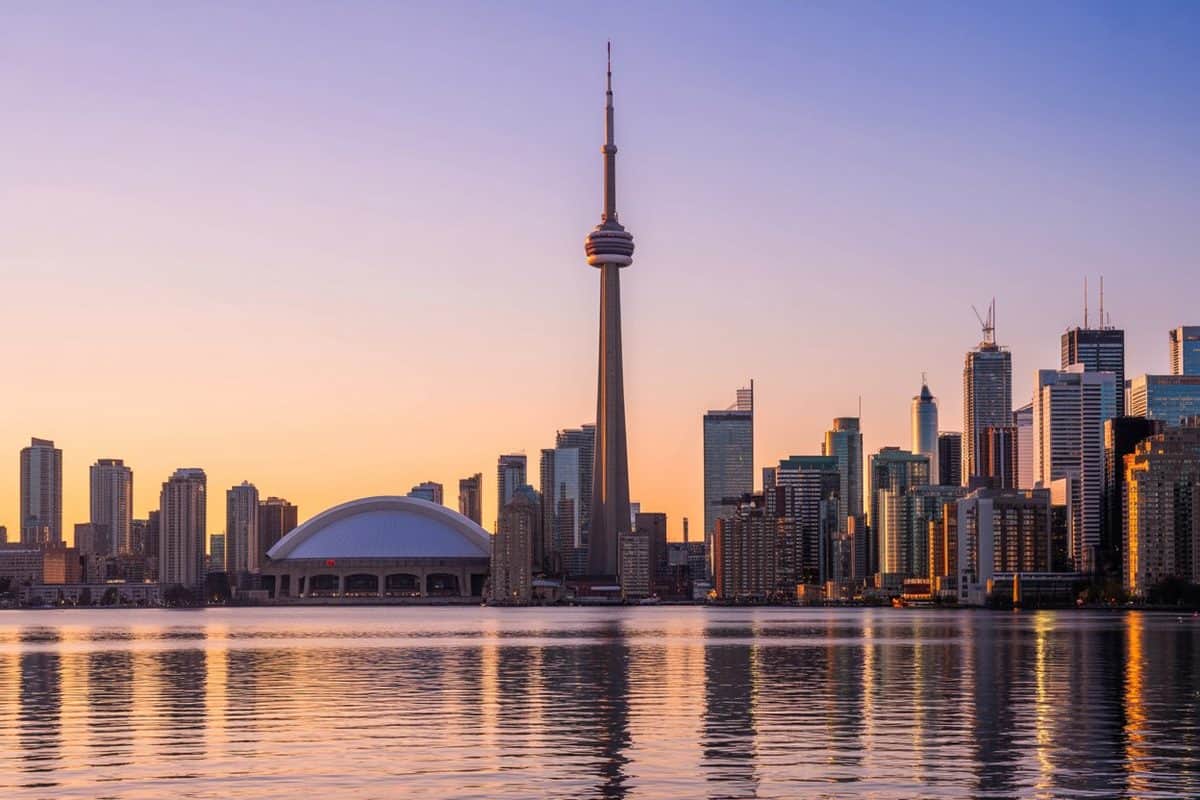
Image generated with Ai
Canada tourism revenue is gaining momentum in 2026 as Ontario unites with Quebec and more provinces in uplifting Canada tourism revenue through urban, rural and nature-based travel experiences. Driven by major cities, cultural attractions, coastal destinations and outdoor adventures, regions across the country are strengthening tourism spending and attracting more domestic and international visitors. Ontario leads with more than 35% of Canada’s tourism GDP, while Quebec and British Columbia add further strength through heritage, urban and nature tourism. With Canada generating $29.5 billion in tourism revenue in Q1 2026, including $6.0 billion from international visitors, the country’s diverse regional tourism model is becoming a key force behind its travel growth.
Ontario: Canada’s Largest Tourism Revenue Engine Driven by Toronto and Niagara Experiences
Ontario remains the biggest contributor to Canada’s tourism economy, generating more than 35% of the country’s tourism GDP. The province’s dominance comes from its powerful combination of international gateways, major cities and globally recognised attractions. Toronto acts as Canada’s leading international entry point, attracting business travellers, cultural tourists and leisure visitors, while Niagara Falls and Ontario’s wine regions continue driving high-value tourism spending. In the first quarter of 2026, Canada’s tourism economy generated $29.5 billion in total revenue, with international visitor spending reaching $6.0 billion, and Ontario capturing a significant share due to its strong overseas connectivity. The province continues strengthening tourism through urban experiences, events, food tourism and regional travel expansion.
Advertisement
Advertisement
British Columbia: Vancouver and Nature Tourism Fuel 21% of Canada’s Tourism GDP
British Columbia continues to rank among Canada’s strongest tourism revenue contributors, accounting for approximately 21% of national tourism GDP. The province benefits from Vancouver’s position as a global gateway, attracting international visitors through its airport connectivity, cruise activity and multicultural experiences. Vancouver alone captures around 20% of Canada’s international overnight visitor spending, making it one of the country’s most valuable tourism hubs. Beyond the city, destinations such as Vancouver Island, the Rocky Mountain region and coastal landscapes are driving nature-based tourism demand. As international visitor spending increased 8% year-on-year to $6.0 billion in Q1 2026, British Columbia remains a major beneficiary of rising demand for outdoor adventures, luxury travel and sustainable tourism experiences.
Quebec: Culture, Heritage and Montréal Strengthen Tourism Revenue Growth
Quebec continues to play a central role in Canada’s tourism economy, contributing approximately 19% of national tourism GDP through its unique cultural identity, heritage attractions and international appeal. Montréal remains the province’s strongest tourism driver, capturing roughly 12% of Canada’s international tourist spending through festivals, gastronomy, arts, architecture and business events. Québec City’s historic attractions and regional destinations further expand the province’s tourism contribution. Canada’s international visitor spending reached $6.0 billion in Q1 2026, increasing 8% year-on-year, with Quebec benefiting from strong demand among European and US travellers seeking cultural experiences. The province’s strategy of combining heritage tourism with modern events and culinary experiences continues strengthening its position as a global tourism destination.
Advertisement
Advertisement
Atlantic Canada: Nova Scotia and New Brunswick Create New Tourism Growth Momentum
Atlantic Canada is emerging as a growing force in Canada’s tourism economy, with provinces such as Nova Scotia and New Brunswick outperforming historical tourism trends through infrastructure improvements and destination development. The region’s coastal landscapes, seafood tourism, cultural experiences and scenic routes are attracting more travellers seeking authentic Canadian experiences. Increased investment in tourism infrastructure has helped improve visitor access and strengthen regional spending. While Atlantic Canada contributes a smaller share of total national tourism revenue compared with Ontario, British Columbia and Quebec, its growth momentum is becoming increasingly important. Rising domestic travel demand and stronger international interest are helping the region capture more tourism revenue and diversify Canada’s tourism economy beyond major urban centres.
Advertisement
Advertisement
Manitoba and Saskatchewan: Prairie Provinces Become Emerging Tourism Revenue Growth Markets
Manitoba and Saskatchewan are gaining attention as emerging tourism growth regions, with Saskatchewan recording regional expenditure increases of up to 42% in recent performance indicators. The Prairie provinces are benefiting from growing demand for outdoor tourism, Indigenous experiences, wildlife adventures and rural travel. Unlike Canada’s traditional tourism giants, these regions are attracting visitors through open landscapes, national parks, cultural experiences and less crowded destinations. Their growth reflects a wider shift in Canadian tourism where travellers are increasingly exploring smaller communities and nature-based attractions. As Canada’s tourism industry recorded $29.5 billion in Q1 2026 revenue, these provinces are creating new opportunities by expanding their tourism products and capturing a larger share of visitor spending.
Yukon: Small Territory Creates High Tourism Economic Impact
Yukon represents one of Canada’s most tourism-dependent regions, with tourism contributing approximately 3.7% of its local GDP. Although the territory attracts fewer visitors compared with Ontario or British Columbia, its economic impact from tourism is significant because of the high value of nature-based experiences. Yukon’s wilderness, Northern Lights tourism, adventure travel and Indigenous cultural experiences attract international travellers seeking unique destinations. The territory benefits from growing global demand for remote and sustainable tourism. As international visitor spending in Canada increased 8% year-on-year to $6.0 billion in Q1 2026, destinations such as Yukon are positioned to capture premium travellers looking for exclusive experiences beyond traditional city tourism.
Prince Edward Island: Tourism Becomes a Major Economic Pillar
Prince Edward Island (PEI) holds one of the strongest tourism dependencies in Canada, with tourism contributing approximately 3.3% of GDP and supporting around 6.6% of all jobs on the island. PEI’s tourism economy is driven by coastal experiences, culinary tourism, cultural attractions and seasonal travel demand. Despite its smaller size, the province creates significant economic value by attracting visitors seeking authentic island experiences. Growing interest in local food, beaches, heritage attractions and scenic travel routes continues supporting tourism spending. As Canada’s overall tourism economy generated $29.5 billion in Q1 2026, PEI demonstrates how smaller destinations can achieve strong economic impact by specialising in unique tourism experiences.
Advertisement
Advertisement
Canada Tourism Revenue Outlook: Regional Diversity Drives National Growth
Canada’s tourism economy is becoming increasingly diversified, with major provinces generating large revenue volumes while smaller regions create strong economic impact through specialised tourism products. In Q1 2026, Canada generated $29.5 billion in total tourism revenue, representing 6% year-on-year growth. Domestic tourism spending contributed $23.5 billion, while international visitor spending reached $6.0 billion, rising 8% year-on-year. US travellers contributed approximately $3.0 billion, increasing 16.5%, while overseas visitors generated $2.1 billion, up 10.2%.
Canada Tourism Revenue Performance Overview (Q1 2026)
| Tourism Indicator | Q1 2026 Performance | Year-on-Year Change |
|---|---|---|
| Total Tourism Revenue | $29.5 Billion | +6% |
| Domestic Tourism Spending | $23.5 Billion | +5% |
| International Visitor Spending | $6.0 Billion | +8% |
| US Visitor Spending Contribution | $3.0 Billion | +16.5% |
| Overseas Visitor Spending Contribution | $2.1 Billion | +10.2% |
Regional Tourism Revenue Contribution Overview
| Region / Province | Tourism Contribution | Key Revenue Driver |
|---|---|---|
| 🇨🇦 Ontario | 35%+ of Canada’s Tourism GDP | Toronto, Niagara Falls, business and international tourism |
| 🇨🇦 British Columbia | ~21% of Tourism GDP | Vancouver, cruise tourism, nature and luxury travel |
| 🇨🇦 Quebec | ~19% of Tourism GDP | Montréal, Québec City, culture and heritage tourism |
| 🇨🇦 Saskatchewan | Up to 42% regional expenditure growth | Rural tourism, nature and outdoor experiences |
| 🇨🇦 Yukon | 3.7% of local GDP from tourism | Wilderness, adventure and Northern Lights tourism |
| 🇨🇦 Prince Edward Island | 3.3% of GDP; 6.6% of jobs supported by tourism | Coastal tourism, food and island experiences |
Canada Tourism Spending Sources (Q1 2026)
| Market Source | Spending | Growth |
|---|---|---|
| 🇨🇦 Domestic Travellers | $23.5 Billion | +5% |
| 🇺🇸 United States Visitors | $3.0 Billion | +16.5% |
| 🌍 Overseas Visitors | $2.1 Billion | +10.2% |
| 🌎 Total International Visitors | $6.0 Billion | +8% |
Ontario unites with Quebec and more in uplifting Canada tourism revenue through urban, rural and nature-based travel in 2026, as diverse destinations boost visitor spending with cities, heritage, landscapes and outdoor experiences driving national tourism growth.
In conclusion, Ontario unites with Quebec and more in uplifting Canada tourism revenue through urban, rural and nature-based travel in 2026, as provinces across the country create a stronger and more diverse tourism economy. Ontario’s urban attractions, Quebec’s cultural heritage, British Columbia’s nature experiences and emerging rural destinations are collectively increasing visitor spending and strengthening Canada’s global tourism appeal. With $29.5 billion in total tourism revenue in Q1 2026, including $6.0 billion from international visitors, Canada’s growth is being powered by a balanced mix of city experiences, countryside escapes and outdoor adventures. The continued expansion of regional tourism shows that Canada’s future success will depend on connecting major destinations with smaller communities to deliver authentic, diverse and high-value travel experiences.
Advertisement
