
Amalfi Coast Shines In Autumn With Scenic Villages, Heritage And Mediterranean Escapes

Published
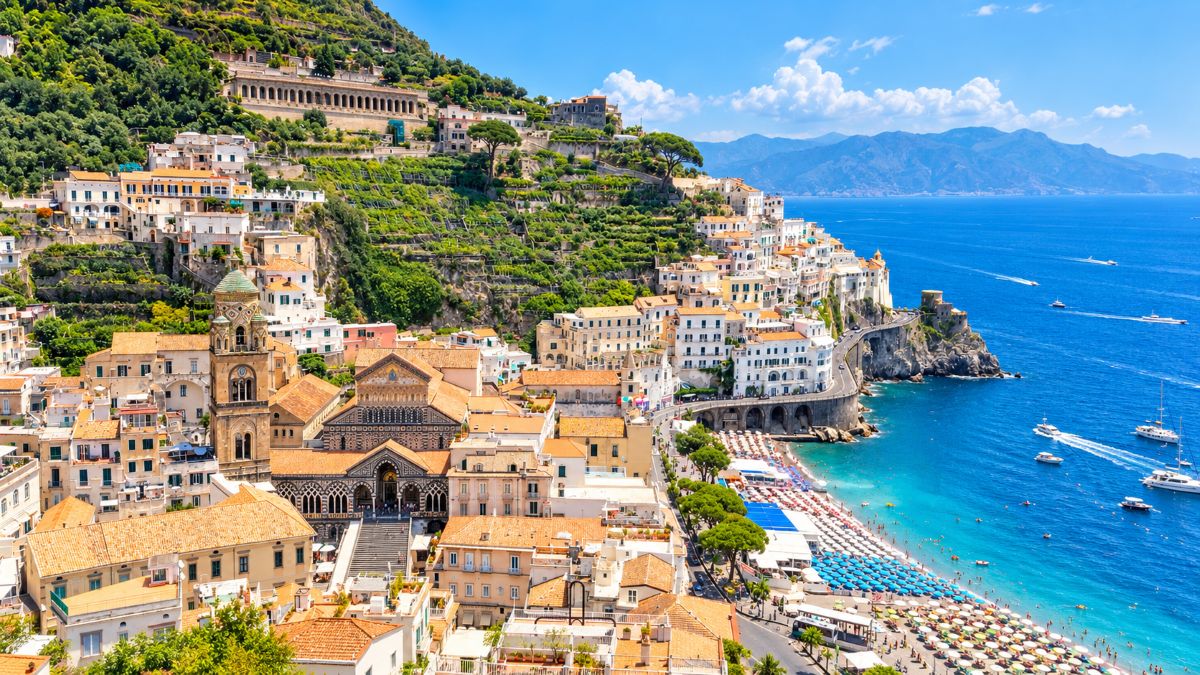
The Amalfi Coast is entering another attractive travel season as autumn brings a different rhythm to one of Italy’s most celebrated coastal destinations. Stretching along the Sorrentine Peninsula in Campania, the dramatic coastline combines steep mountains, colourful villages, historic architecture, terraced lemon groves and Mediterranean views. The destination’s appeal extends well beyond its postcard scenery, with centuries of maritime history, traditional craftsmanship, regional cuisine and family-run hospitality shaping the visitor experience. Towns including Amalfi, Ravello, Positano, Vietri sul Mare and Praiano offer distinct experiences, from cultural sightseeing and artisan shopping to coastal dining and scenic walks. The area’s historic importance is also reflected in its UNESCO World Heritage status, recognising the relationship between its natural landscape and long-established settlements.
Autumn can provide travellers with an opportunity to experience the coastline through its cultural and culinary character rather than concentrating solely on summer beach life. The Path of the Gods, historic paper-making traditions, ceramics, local seafood and Campanian specialities create reasons to explore inland streets and hilltop communities. Travellers can also use ferries, taxis and regional buses to move between coastal settlements instead of relying entirely on the narrow cliffside roads. With its combination of heritage, landscape, food and hospitality, the Amalfi Coast remains a destination where sightseeing can be combined with a slower Mediterranean travel experience.
Why The Amalfi Coast Remains A Major Italian Travel Destination
The Amalfi Coast stretches from Vietri sul Mare towards Positano and incorporates a collection of historic communities positioned between the Lattari Mountains and the Mediterranean. Its distinctive landscape has developed through centuries of human activity, with terraces supporting olive trees, vineyards and lemon cultivation across steep terrain.
Amalfi itself has an important maritime history. It was one of Italy’s historic Maritime Republics alongside Venice, Genoa and Pisa. This legacy continues to influence local cultural identity, while historic buildings, narrow lanes and religious architecture provide visitors with tangible connections to the region’s past.
Advertisement
Advertisement
Ravello offers another perspective, sitting above the coastline with historic villas, gardens and expansive Mediterranean viewpoints. Positano, meanwhile, is recognised for its vertically arranged architecture, beaches and waterfront atmosphere.
Autumn Travel Brings A Different Coastal Experience
Autumn offers travellers a chance to explore the Amalfi Coast beyond the intense pace associated with peak summer. Cooler conditions can make walking, sightseeing and discovering hilltop settlements more comfortable, although travellers should still check local weather and transport conditions before setting out.
Advertisement
Advertisement
The region’s combination of sea and mountains means that experiences can vary considerably between coastal communities and higher elevations. A journey through the area can therefore include scenic drives, boat trips, village walks and cultural visits within a relatively compact geographical area.
For visitors unfamiliar with narrow mountain roads, public transport, taxis and ferries can provide practical alternatives to self-driving. The famous coastal road contains tight bends and limited space, making advance planning particularly important during busy periods.
Heritage And Outdoor Experiences Define The Coast
The Path of the Gods remains one of the region’s notable outdoor experiences. The former shepherds’ route follows the mountains above the coastline and provides extensive views towards the Mediterranean and surrounding villages. Travellers planning the walk should consider footwear, weather, daylight hours and the physical demands of steep sections.
Ravello’s historic gardens provide another way to experience the landscape. Villa Cimbrone is particularly associated with panoramic views from its elevated terraces, while the town itself retains a strong connection with music, literature and the arts.
In Amalfi, the historic centre can be explored on foot. The cathedral, medieval streets and traditional paper-making heritage reveal a different side of the destination from its seaside image. The region’s paper production developed during the Middle Ages and remains an important element of local cultural history.
Key Amalfi Coast Experiences For Travellers
| Destination or Experience | Travel Appeal | What Travellers Can Explore |
|---|---|---|
| Amalfi | History and coastal culture | Cathedral, historic centre and paper-making heritage |
| Ravello | Views and heritage | Historic villas, gardens and mountain scenery |
| Positano | Coastal atmosphere | Cliffside streets, beaches, dining and boat excursions |
| Vietri sul Mare | Craft traditions | Hand-painted ceramics and artisan workshops |
| Praiano | Evening and coastal experiences | Rocky coves, waterfront dining and sunset views |
| Path of the Gods | Outdoor adventure | Mountain hiking and panoramic coastal scenery |
| Cetara | Food heritage | Seafood and traditional anchovy-based cuisine |
Local Food Adds Another Layer To The Journey
Food remains central to the Amalfi Coast experience. Campanian cuisine is associated with ingredients including tomatoes, pasta, seafood and locally grown lemons. The region’s lemons are particularly important to local culinary traditions and are closely connected with products such as limoncello.
Advertisement
Advertisement
Cetara has a longstanding fishing identity and is particularly associated with anchovies and colatura di alici, a traditional fish-based seasoning. Nerano and other coastal communities also provide opportunities to experience seafood-focused dishes prepared with locally sourced ingredients.
Travellers should look beyond the most recognisable restaurants and explore family-run establishments, traditional pizzerias and small food businesses where regional recipes remain an important part of the local visitor experience.
Where Travellers Can Stay Along The Coast
Accommodation across the Amalfi Coast ranges from historic properties occupying former convents and palaces to modern cliffside hotels and smaller family-run establishments.
Ravello is suited to travellers interested in elevated views, gardens and historic surroundings, while Amalfi provides convenient access to the coast’s transport connections. Positano offers a more vertically arranged seaside experience, with hotels, restaurants and shops integrated into the steep landscape.
Travellers seeking a quieter stay can also consider smaller communities away from the busiest waterfront areas. Choosing accommodation based on transport access is particularly useful because steep roads, stairs and seasonal congestion can affect journey times.
Responsible Planning Can Improve The Experience
The Amalfi Coast’s popularity means that careful planning is essential. Travellers should consider visiting major attractions at less crowded times, using public transport where practical and respecting residential neighbourhoods.
Advertisement
Advertisement
Walking routes require particular attention to weather, footwear and physical ability. Boat journeys can offer an alternative perspective of the coastline while reducing dependence on congested roads.
Supporting local restaurants, artisans and family-owned businesses can also help travellers engage more directly with the destination’s cultural economy. Purchasing locally produced ceramics, handmade paper and other traditional crafts provides a connection to longstanding regional skills.
Amalfi Coast Travel Outlook For Autumn
The Amalfi Coast continues to demonstrate why Mediterranean travel is about more than beaches and scenic photographs. Its maritime history, mountain landscape, architecture, food traditions, craftsmanship and hospitality create a multidimensional destination.
For autumn travellers, the combination of coastal scenery and cultural discovery provides opportunities to experience Amalfi, Ravello, Positano, Vietri sul Mare and surrounding communities at a different pace. Careful transport planning, respect for local communities and an interest in regional traditions can make the journey more rewarding while helping visitors look beyond the best-known viewpoints.
Frequently Asked Questions
What is the Amalfi Coast known for?
The Amalfi Coast is known for dramatic cliffs, Mediterranean scenery, historic villages, lemon cultivation, maritime heritage, cuisine and traditional craftsmanship.
Which towns are part of the Amalfi Coast experience?
Important destinations include Amalfi, Positano, Ravello, Vietri sul Mare, Praiano and Cetara.
Advertisement
Advertisement
Is autumn a good period for visiting the Amalfi Coast?
Autumn can offer a more relaxed travel experience, with opportunities for sightseeing, walking and exploring cultural attractions beyond the busiest summer period.
What is the Path of the Gods?
The Path of the Gods is a historic mountain walking route above the Amalfi Coast offering extensive views across the Mediterranean landscape.
Is driving easy on the Amalfi Coast?
The coastal roads are narrow and winding, so travellers unfamiliar with mountain driving may prefer ferries, taxis or regional buses.
What food is the Amalfi Coast famous for?
Regional specialities include seafood, pasta, tomatoes, locally grown lemons, limoncello and traditional dishes featuring anchovies.
Why is Ravello popular with travellers?
Ravello is known for historic villas, gardens, elevated Mediterranean views and its longstanding connection with artists and musicians.
What is Amalfi’s historical importance?
Amalfi was one of Italy’s historic Maritime Republics and developed an important maritime and commercial tradition during the Middle Ages.
Advertisement
Advertisement
What can travellers buy locally?
Ceramics from Vietri sul Mare and handmade paper from Amalfi are among the traditional crafts associated with the region.
How can visitors travel between coastal towns?
Ferries, taxis and regional buses provide alternatives to driving, while walking routes connect some communities and attractions.
Advertisement
