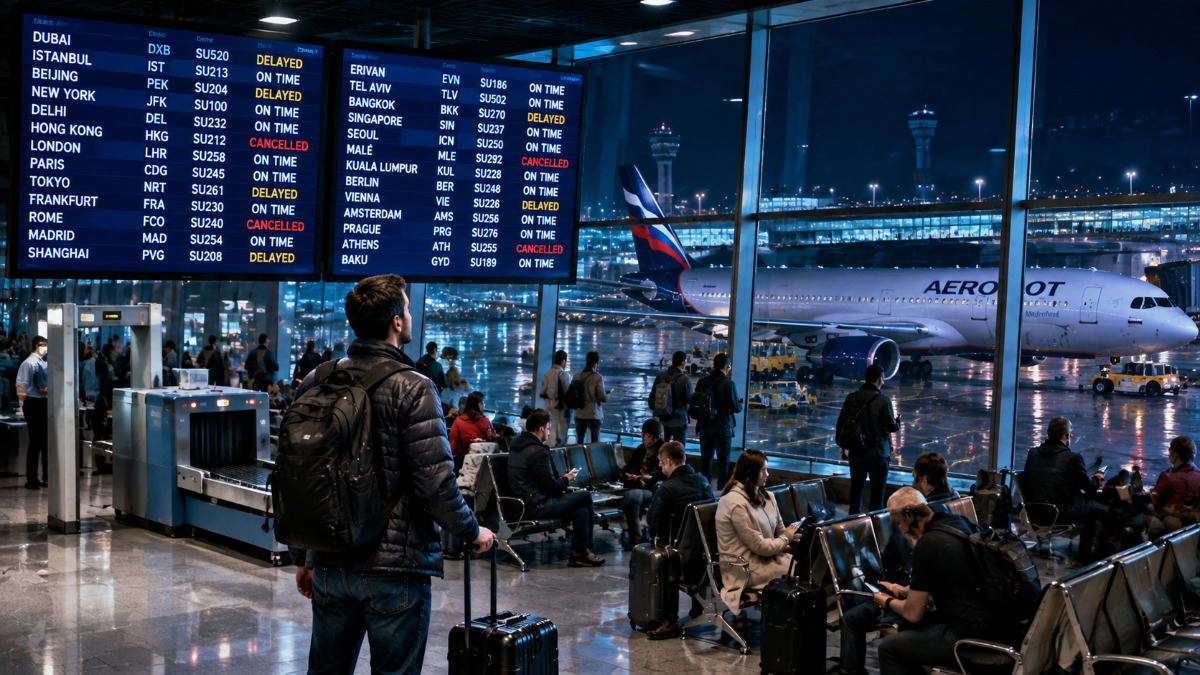
Image generated with Ai
Russia continues to work towards ensuring continuous operations of civil aviation amid threats issued by Ukraine concerning potential risks for aircraft flying close to Russian airspace. This has created uncertainty for travelers and airlines due to potential complications that will arise from the matter.
Ukraine’s warning comes amid ongoing considerations made by airlines concerning their risks associated with the continued conflict between Russia and Ukraine. Although Russian officials have claimed that the aviation infrastructure in the country is safe and still operates, airlines have increasingly become worried amid continued military activities in relation to aviation.
The issue will impact travelers who may be planning their flights involving use of Russian airports or airspace. It is up to the airline company to make decisions concerning its routes and operations.
Air travel depends heavily on stable and predictable airspace conditions. Any increase in security concerns can affect not only flights travelling directly to Russia but also international routes that traditionally connect through or near Russian territory.
Advertisement
Advertisement
Russia remains an important geographical corridor for several international flight networks, particularly between Europe and Asia. Although many Western airlines have avoided Russian airspace since the start of the conflict in 2022, carriers from other regions continue operating routes connected to Russia.
The impact on individual travellers will depend on their airline, destination, departure location and the latest operational decisions made by aviation authorities.
The latest aviation concerns developed after Ukrainian authorities warned international airlines and aviation stakeholders about increasing risks linked to Russian airspace.
Ukraine raised concerns with international aviation organisations, arguing that growing military activity and drone operations could create additional risks for commercial aviation.
Advertisement
Advertisement
Russian authorities rejected the warning and stated that civil aviation safety measures remained in place. Moscow has continued to emphasise that domestic and international flights would continue operating normally.
The competing assessments have increased uncertainty for airlines and passengers, particularly those planning travel involving Russian airports.
Airlines operating international routes must balance passenger demand with safety responsibilities. Aviation decisions are generally based on risk assessments, government information, airport conditions and operational factors.
Several carriers with Russia-linked services have reviewed their schedules as the situation developed.
Airlines typically avoid making long-term decisions until they have assessed whether safety risks create a sustained impact on operations.
The Russia air travel disruption issue highlights how international aviation remains closely connected to geopolitical developments.
Airspace availability plays a major role in determining global flight networks. When certain areas become restricted or airlines choose alternative routes, the effects can spread across international markets.
The situation demonstrates the importance of aviation security systems and international coordination in maintaining global mobility.
The Russia-Ukraine conflict has already reshaped global aviation patterns.
Following the introduction of international airspace restrictions, many European and North American airlines stopped using Russian airspace. However, several airlines from Asia, Türkiye and Gulf countries have continued operating flights connected with Russia.
| Area | Impact |
|---|---|
| European carriers | Many avoid Russian airspace due to restrictions |
| Asian airlines | Some continue Russia-linked services |
| Gulf carriers | Maintain connections between Russia and Middle East hubs |
| Passengers | May experience different routes and travel times |
| Airlines | Face increased planning complexity |
The latest warning adds another layer of uncertainty to an already changing aviation environment.
Travellers planning trips involving Russia should remain informed and check updates directly from airlines before departure.
Although civil aviation services continue, operational conditions can change quickly during periods of heightened security concerns.
Flexible booking options may provide additional protection for passengers travelling during uncertain periods.
The latest developments could influence how airlines evaluate routes involving conflict-sensitive regions.
Modern aviation relies on continuous monitoring of:
However, the final impact will depend on future security developments and decisions made by airlines and regulators.
Yes. Civil aviation continues operating, although some airlines and airports have experienced delays and operational changes.
Concerns are linked to security risks connected with the ongoing conflict, including reports of increased drone activity and military-related incidents.
No. Airline decisions differ depending on the carrier, route, country regulations and internal safety assessments.
Travellers should follow official guidance from airlines and government authorities when making travel decisions.
Yes. If airlines choose alternative routes, journey times may increase depending on the distance and route adjustments.
Russia’s attempt to keep its airspace open comes at an interesting time for international aviation, when airlines are still trying to balance the need for connectivity with safety. Although the Russian government insists that the situation in civil aviation is safe, the recent advisories and disruptions prove that geopolitics continues to shape global aviation.From the passenger’s point of view, the two most crucial actions include keeping in touch with their airline and being flexible about plans.
Advertisement
Advertisement
Advertisement












Thursday, September 3, 2026

Thursday, September 3, 2026

Thursday, September 3, 2026

Thursday, September 3, 2026

Wednesday, September 2, 2026

Wednesday, September 2, 2026

Thursday, September 3, 2026

Thursday, September 3, 2026