

Spain Strengthens Its Global Tourism Leadership as WTTC Honours Country with Prestigious Global Champion Award

Published
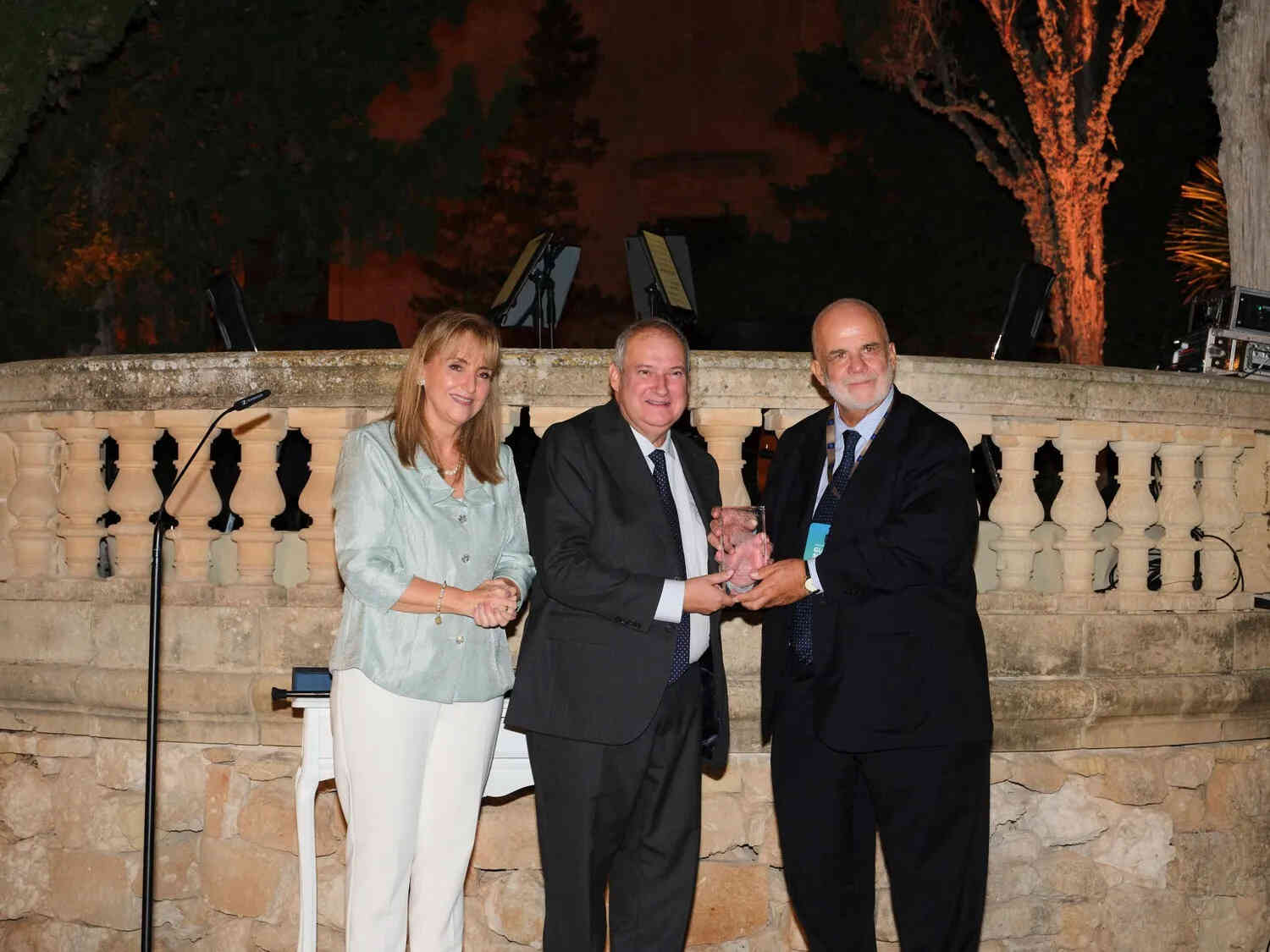
Spain has once again succeeded in winning an award that will provide international recognition for the nation after the WTTC bestowed its Global Champion Award on the Minister of Industry and Tourism of Spain. This award recognizes the contribution of Spain to the world of tourism, its efforts to promote collaboration between the government and the business sector, and its growing role in the future of international tourism.
The recognition came during the 26th WTTC Global Summit in Malta, where leading figures from across the international travel industry gathered to explore the opportunities and challenges facing tourism. The event brought together more than 1,000 delegates, including over 200 senior travel and tourism executives and government representatives, creating an important platform for discussions on investment, economic development, employment and international cooperation.
Spain Gains International Recognition for Its Expanding Tourism Leadership
Spain’s tourism industry has earned another distinction as the country continues to strengthen its standing within the global travel market. The WTTC Global Champion Award recognises the role of public leadership in supporting tourism development, improving international competitiveness and encouraging stronger relationships between governments and businesses.
The honour reflects Spain’s efforts to create an environment where tourism can continue to attract investment, support employment and generate economic opportunities. It also highlights the importance of maintaining close cooperation with international travel organisations and private-sector stakeholders.
Advertisement
Advertisement
For Spain, the recognition arrives as tourism remains a major contributor to national economic activity and international visibility.
WTTC Global Summit in Malta Brings Together International Tourism Leaders
The award ceremony formed part of the 26th WTTC Global Summit, an international gathering dedicated to examining the future direction of the travel and tourism industry.
Advertisement
Advertisement
Hosted in Malta, the summit welcomed more than 1,000 participants representing governments, international tourism organisations and leading private businesses. Among them were over 200 senior executives and government leaders involved in shaping the sector’s future.
Discussions focused on how tourism can support economic growth, attract fresh investment and create employment opportunities.
The summit also provided an opportunity to examine the importance of public-private partnerships in responding to changing traveller expectations, increasing international competition and the need for sustainable long-term development.
Spain’s Tourism Economy Expected to Maintain Growth in 2026
Spain continues to demonstrate the economic importance of international travel, supported by its established tourism infrastructure, diverse destinations and strong international appeal.
According to WTTC forecasts, Spain’s travel and tourism sector is expected to expand by 3.7% in 2026, indicating continued growth across an industry that supports a wide range of businesses and services.
International visitor spending is also forecast to increase by 5.3%, suggesting that overseas tourism will remain an important source of revenue for the country.
Advertisement
Advertisement
These projections point towards further opportunities for accommodation providers, transport operators, restaurants, attractions and other businesses connected to the visitor economy.
Although forecasts remain subject to economic and market conditions, they underline the continuing importance of tourism to Spain’s development.
International Visitor Spending Highlights Spain’s Economic Strength
One of the clearest indicators of Spain’s tourism position is the amount spent by international visitors travelling to the country.
In 2025, Spain recorded US$130.1 billion in international visitor spending, according to WTTC figures.
This placed Spain first in Europe and third globally for international visitor expenditure, demonstrating the country’s significant role in attracting overseas tourism revenue.
The spending supports a broad network of industries, including hotels, restaurants, cultural attractions, retail businesses and passenger transport.
Advertisement
Advertisement
It also illustrates how international tourism contributes to economic activity beyond individual destinations, creating commercial opportunities across different regions and communities.
Spain’s ability to generate substantial international visitor expenditure remains a central part of its importance within the wider European tourism economy.
Madrid’s Selection as WTTC Global Headquarters Marks an Important Development
Spain’s relationship with the World Travel & Tourism Council has also entered a new phase following an agreement to establish the organisation’s global headquarters in Madrid.
In January, Spain’s Ministry of Industry and Tourism signed a memorandum of understanding with WTTC and the City of Madrid, formalising the planned relocation.
The agreement followed several months of cooperation between the Spanish Government and the international tourism organisation.
The decision represents an important institutional development for Madrid, strengthening the city’s connection with international tourism policy discussions and private-sector leadership.
Advertisement
Advertisement
It also provides an opportunity for closer engagement between Spain’s tourism authorities and the global businesses represented by WTTC.
Madrid Strengthens Its Position as a Centre for International Tourism Cooperation
The decision to relocate WTTC’s headquarters to Madrid carries significance beyond the physical location of an international organisation.
It creates a stronger institutional connection between Spain and a global network of travel and tourism businesses.
As the host city, Madrid will gain an additional platform for international industry engagement, bringing the country closer to discussions concerning investment, competitiveness and the long-term direction of tourism.
The arrangement may also encourage further professional exchanges and collaboration between tourism authorities, international organisations and private companies.
For Spain, the development reinforces its position as both a major visitor destination and an increasingly important location for international tourism dialogue.
Advertisement
Advertisement
Public-Private Partnerships Become Central to Spain’s Tourism Strategy
Cooperation between governments and private businesses remains an important theme behind the WTTC Global Champion Award.
Tourism depends on several interconnected industries, making coordination essential for supporting growth and improving the visitor experience.
Government institutions play a role in developing infrastructure, establishing regulatory frameworks and supporting destination management. Private businesses contribute investment, services, technology and commercial expertise.
Spain’s engagement with WTTC reflects an approach that places importance on maintaining dialogue between these different groups.
The agreement concerning Madrid’s new international role demonstrates how institutional cooperation can help strengthen relationships between national authorities and global industry representatives.
Such partnerships can also provide opportunities to address common challenges affecting tourism businesses and destinations.
Advertisement
Advertisement
Spain’s Tourism Success Reflects the Wider Strength of European Travel
Spain’s performance forms part of a broader picture of tourism growth across Europe.
WTTC expects the European travel and tourism sector to grow faster than the wider regional economy in 2026, highlighting the industry’s importance as a source of economic activity.
Tourism supports employment and business development across accommodation, aviation, transport, hospitality, retail and cultural services.
Spain’s international visitor expenditure and projected sector growth demonstrate how established destinations continue to contribute to this wider economic picture.
The country’s performance also highlights the commercial importance of maintaining attractive destinations, reliable visitor services and strong international connections.
As European destinations compete for travellers and investment, tourism competitiveness is likely to remain a significant policy and business priority.
Advertisement
Advertisement
Tourism Investment and Employment Remain Important Economic Priorities
The WTTC summit placed considerable emphasis on the contribution of travel and tourism to investment and job creation.
For Spain, continued tourism growth has implications for businesses operating throughout the visitor economy.
Hotels and accommodation providers benefit from demand for overnight stays, while restaurants, attractions and local businesses gain opportunities through visitor expenditure.
Transport operators and travel service providers also form part of the wider economic network supported by tourism.
Growth can create opportunities for further investment in facilities, services and destination infrastructure. However, the extent of these benefits depends on market conditions, business decisions and effective destination management.
The discussions in Malta highlighted why maintaining a competitive and resilient tourism sector remains important for national and regional economies.
Advertisement
Advertisement
Global Champion Award Highlights the Importance of Tourism Leadership
The WTTC Global Champion Award recognises public-sector leadership that contributes to the development and international standing of travel and tourism.
Its focus extends beyond visitor numbers to include cooperation, competitiveness and the ability to support productive relationships with the private sector.
Spain’s recognition reflects its position within the international tourism economy and its engagement with WTTC.
The award also draws attention to the importance of long-term cooperation in an industry shaped by changing travel patterns, investment priorities and economic conditions.
As tourism continues to evolve, the relationship between governments and businesses will remain important in determining how destinations respond to opportunities and challenges.
Spain Looks Towards a New Chapter in Global Tourism Development
Spain enters the next stage of its tourism development with several important indicators supporting its international standing.
Advertisement
Advertisement
The country recorded US$130.1 billion in international visitor spending in 2025, while WTTC expects further sector growth and increased overseas visitor expenditure in 2026.
At the same time, the agreement to establish WTTC’s global headquarters in Madrid strengthens Spain’s institutional relationship with the international travel industry.
Together, these developments highlight the country’s dual role as a leading tourism destination and a location for international industry cooperation.
The recognition presented in Malta marks another milestone in that relationship, while the longer-term significance will depend on continued investment, effective partnerships and the ability to maintain sustainable tourism growth.
For the wider European travel industry, Spain’s experience illustrates how tourism performance, public policy and international business engagement can combine to support economic development.
With Madrid preparing for a greater role in international tourism leadership and visitor spending forecast to rise, Spain remains an important country to watch as the global travel economy continues to evolve.
Advertisement
