
Veria, Mount Vermion and Central Macedonia Reveal Ancient Greek, Byzantine and Religious Heritage. Could This Historic Big City Be Greece’s Most Underrated Cultural Tourism Destination?

Published
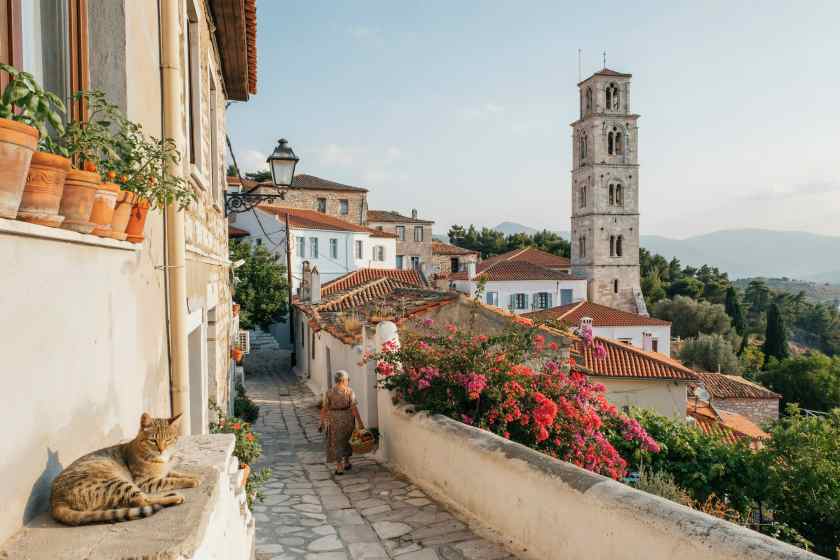
Image generated with Ai
Veria, Mount Vermion and the wider region of Central Macedonia are attracting growing attention from cultural travellers seeking to explore some of Greece’s most remarkable historical and religious landmarks. Often overshadowed by destinations such as Athens, Santorini and Thessaloniki, Veria offers visitors a journey through centuries of Greek, Macedonian and Byzantine history, making it one of the country’s most compelling heritage tourism destinations.
Built at the foot of Mount Vermion, Veria occupies a unique place in Greek history. The city served as the second most important settlement after Aigai during the ancient Macedonian era and later emerged as one of the leading urban centres of the Byzantine Empire. Today, visitors can experience a destination where ancient civilisations, religious heritage and traditional Greek culture converge within a remarkably preserved historic setting.
Advertisement
Advertisement
Why Veria Matters in Greek History
Veria’s historical significance stretches back thousands of years.
During the era of the ancient Macedonian Kingdom, the city played an important political, cultural and economic role. Located near Aigai, the first capital of ancient Macedonia, Veria became a strategic urban centre that supported the growth of one of history’s most influential civilisations.
Advertisement
Advertisement
Its location at the foot of Mount Vermion provided both natural protection and access to important trade routes connecting various regions of Macedonia.
As a result, Veria developed into a thriving settlement that contributed significantly to the region’s political and economic development.
Advertisement
Advertisement
For modern travellers, this ancient heritage remains visible through archaeological sites, historic districts and cultural landmarks spread throughout the city.
A Byzantine Powerhouse in the Eastern Mediterranean
Veria’s importance continued to grow during the Byzantine period.
From the 11th to the 14th centuries, the city became one of the Byzantine Empire’s most influential urban centres. Historical records place Veria among the empire’s most significant cities after Constantinople and Thessaloniki.
Its strategic location, economic activity and religious importance helped establish Veria as a major administrative and cultural hub.
Many of the city’s most celebrated landmarks date from this period, offering visitors an opportunity to explore architecture, art and religious traditions that have survived for centuries.
The Byzantine legacy remains one of Veria’s strongest tourism attractions, drawing visitors interested in history, architecture and religious heritage.
Advertisement
Advertisement
Why Veria Is Known as “Little Jerusalem”
One of the city’s most distinctive features is its extraordinary concentration of churches.
Veria has earned the nickname “Little Jerusalem” because of the remarkable number of Byzantine and post-Byzantine churches located within its boundaries.
More than forty-eight churches can be found in the city centre alone, creating one of the most important collections of Byzantine religious monuments in Greece.
Many of these churches feature historic frescoes, intricate architectural details and religious artworks that provide insight into centuries of Christian tradition.
For travellers interested in religious tourism, Veria offers an experience rarely found elsewhere in Europe.
The city’s church network allows visitors to explore multiple periods of Byzantine and post-Byzantine history within a compact and easily walkable urban environment.
Advertisement
Advertisement
Cultural Tourism Continues to Grow
Veria’s unique combination of historical and religious attractions has strengthened its position within Greece’s cultural tourism sector.
Increasingly, travellers are seeking destinations that offer authentic experiences beyond the country’s famous islands and beach resorts.
Veria meets this demand by providing access to heritage sites, local traditions, historic neighbourhoods and cultural experiences that reflect the region’s deep historical roots.
Visitors can spend time exploring centuries-old streets, traditional architecture and local museums while learning about the city’s role in shaping Greek and Byzantine history.
The destination appeals particularly to travellers interested in archaeology, religion, architecture and educational tourism.
Mount Vermion Adds Nature and Adventure Opportunities
The city’s location at the foot of Mount Vermion also enhances its tourism appeal.
Advertisement
Advertisement
The mountain region offers opportunities for hiking, nature tourism and outdoor recreation, creating a contrast to Veria’s urban historical attractions.
Visitors can combine cultural exploration with scenic mountain experiences, making the destination attractive to a wide range of traveller interests.
The surrounding landscapes provide panoramic views of Central Macedonia and contribute to the area’s growing popularity among domestic and international visitors.
The combination of history and nature allows Veria to offer a diverse tourism experience throughout the year.
Gateway to Ancient Macedonia
Veria’s proximity to some of Greece’s most important archaeological destinations further strengthens its position within the tourism market.
Travellers visiting the city can easily access sites connected to the ancient Macedonian Kingdom, including the historic region surrounding Aigai.
Advertisement
Advertisement
This proximity enables visitors to explore key locations associated with Macedonia’s political and cultural development while using Veria as a convenient base.
As interest in ancient history tourism continues to grow globally, destinations connected to the Macedonian civilisation are attracting increasing numbers of visitors.
Veria benefits from its central role within this broader historical landscape.
Why Travellers Are Discovering Veria
Modern travellers are increasingly seeking destinations that combine authenticity, heritage and manageable visitor numbers.
Unlike some of Greece’s more heavily visited tourism hotspots, Veria offers a slower-paced experience focused on history, culture and local traditions.
Its preserved churches, historic districts and cultural landmarks provide opportunities for meaningful exploration without the crowds often associated with larger tourist centres.
Advertisement
Advertisement
For visitors looking to discover a different side of Greece, Veria presents an opportunity to experience centuries of history within a city that remains deeply connected to its cultural identity.
Key Stats
- Location: Central Macedonia, Greece
- Geographic Setting: Foot of Mount Vermion
- Ancient Importance: Second most important city after Aigai during the Macedonian era
- Byzantine Significance: Third most important Byzantine city after Constantinople and Thessaloniki
- Nickname: “Little Jerusalem”
- Churches in City Centre: More than 48 Byzantine and post-Byzantine churches
- Tourism Focus: Cultural, historical and religious tourism
Chronological Tracker
Ancient Macedonian Era
Veria develops into the second most important city after Aigai within the Macedonian Kingdom.
11th–14th Centuries
The city becomes one of the Byzantine Empire’s most important urban centres after Constantinople and Thessaloniki.
Modern Day
Veria continues attracting cultural, historical and religious tourists seeking to explore its Byzantine heritage and Macedonian history.
Conclusion
Veria, Mount Vermion and Central Macedonia offer travellers a remarkable opportunity to explore some of Greece’s richest historical and religious heritage. From its role in the ancient Macedonian Kingdom to its prominence during the Byzantine Empire, the city has preserved centuries of cultural significance within its churches, streets and landmarks. As travellers increasingly seek authentic and experience-driven destinations, Veria stands out as a place where ancient history, religious heritage and Greek tradition continue to shape one of the country’s most fascinating tourism experiences.
Advertisement
