

Egypt Transforms Tourism Beyond Pyramids With Nile Heritage, Hidden Gems and Cultural Experiences: All You Need to Know

Published
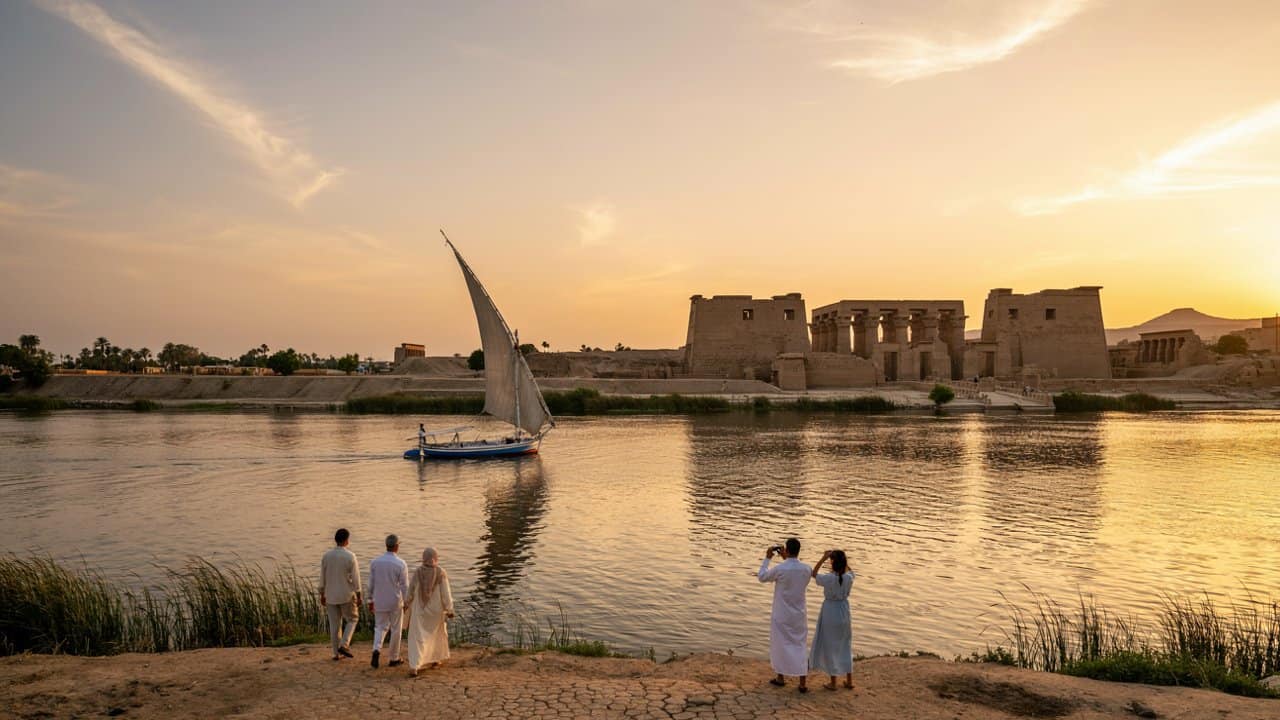
Egypt has embarked on a new phase in tourism where visitors enjoy more than just archaeology. Egypt’s historic perception as a travel destination is transitioning from majestic pyramids and temples into a broader experience encompassing cultural aspects, traditional experiences, nature, and ancient communities. Egypt has long been synonymous with such attractions like the Giza Pyramids, the Sphinx, and the treasures of the pharaohs.
However, the Egyptian tourism is changing. Tourists now enjoy trips on the Nile in traditional villages, discover cities, explore the desert, and enjoy different activities by the coast.
This process makes it possible to speak of the notion of the real Egypt — a place that, apart from the ancients’ cultural heritage, includes modern populations, traditions, and landscapes.
From the cultural life of Cairo and open-air museums of Luxor to the Nubian culture in Aswan and the beauty of the underwater world at the Red Sea, Egypt allows international tourists to travel in different places and experience different things.
Advertisement
Advertisement
Egypt’s Ancient Wonders Continue to Anchor Global Tourism
Egypt’s historical attractions remain among the most recognised tourism assets in the world. The Giza Plateau, home to the Great Pyramid and the Great Sphinx, continues to represent the country’s ancient achievements and attracts travellers interested in archaeology, history and cultural exploration.
However, Egypt’s heritage extends far beyond Giza. The country contains thousands of years of civilisation spread across the Nile Valley, Mediterranean coastline and desert regions.
Advertisement
Advertisement
The ancient city of Luxor offers one of the world’s richest concentrations of archaeological treasures. The Karnak Temple Complex, Luxor Temple, Valley of the Kings and Valley of the Queens provide visitors with a journey into the history of ancient Thebes.
Aswan presents another side of Egyptian heritage. Located along the southern Nile, the city combines ancient monuments with Nubian culture, traditional communities and peaceful river landscapes.
Abu Simbel remains one of Egypt’s most extraordinary archaeological destinations. The massive rock temples built during the reign of Pharaoh Ramesses II continue to showcase the engineering achievements of ancient Egypt.
Major Heritage Destinations Visitors Can Explore
| Destination | Main Attraction | Travel Experience |
|---|---|---|
| Giza | Pyramids and Sphinx | Ancient history and archaeology |
| Cairo | Museums, Islamic heritage, historic districts | Urban culture and Egyptian traditions |
| Luxor | Karnak Temple, Valley of the Kings | Pharaoh history and ancient civilisation |
| Aswan | Nubian villages, temples, Nile landscapes | Cultural immersion and river experiences |
| Abu Simbel | Rock temples of Ramesses II | Monumental ancient architecture |
| Alexandria | Mediterranean heritage and museums | Coastal history and city exploration |
Cairo Offers a Gateway Into Egypt’s Living Culture
While Cairo is often considered the starting point for pyramid visits, the capital provides a much broader cultural experience.
The city combines ancient Islamic architecture, museums, traditional markets and modern neighbourhoods. Travellers can explore historic streets, discover Egyptian cuisine and experience daily life beyond traditional sightseeing routes.
The Egyptian Museum and other heritage institutions allow visitors to understand the country’s long historical timeline, from ancient kingdoms to modern Egypt.
Advertisement
Advertisement
Beyond museums, Cairo’s local markets and neighbourhoods provide opportunities to experience Egyptian traditions directly. The sounds, flavours and daily rhythms of the city create a connection between visitors and local communities.
The capital also acts as an important gateway for travellers continuing towards destinations across the Nile Valley, Mediterranean coast and desert regions.
Luxor and Aswan Create a Powerful Nile Tourism Journey
The Nile River remains one of Egypt’s greatest tourism assets. For centuries, the river has supported agriculture, communities and civilisation. Today, it creates one of the world’s most memorable travel routes.
Nile cruises between Luxor and Aswan allow visitors to experience ancient temples while travelling through landscapes that have shaped Egyptian history.
The journey connects some of the country’s most important archaeological sites while also revealing rural communities and natural scenery.
Popular Nile Valley Experiences
| Experience | Location | Why Travellers Choose It |
|---|---|---|
| Nile River cruise | Luxor to Aswan | Combines relaxation with heritage exploration |
| Temple visits | Upper Egypt | Connects travellers with ancient civilisation |
| Nubian village visits | Aswan | Offers cultural interaction |
| Sunrise experiences | Nile Valley | Provides scenic landscapes |
| Desert and river combinations | Southern Egypt | Creates diverse itineraries |
The future of Egyptian tourism is increasingly focused on meaningful travel. Instead of simply visiting monuments, many travellers now seek stories, people and experiences connected with destinations.
Advertisement
Advertisement
Red Sea Tourism Adds Adventure and Coastal Experiences
Egypt’s tourism appeal extends beyond history. The Red Sea coastline has become a major destination for travellers seeking beaches, marine activities and wellness experiences.
Cities such as Hurghada and Sharm El Sheikh attract visitors with coral reefs, diving opportunities, resorts and coastal adventures.
The Red Sea offers a different image of Egypt. Here, travellers discover underwater ecosystems, warm waters and relaxing coastal environments.
Popular activities include:
- Scuba diving
- Snorkelling
- Boat excursions
- Beach holidays
- Marine photography
- Wellness retreats
This combination of ancient heritage and modern coastal tourism allows Egypt to appeal to a wider range of travellers.
Families, adventure seekers, luxury travellers and cultural explorers can all create different journeys within one country.
Advertisement
Advertisement
Desert Landscapes Reveal Egypt’s Hidden Natural Beauty
Egypt’s deserts provide another dimension of travel. Away from crowded heritage sites, visitors can discover dramatic landscapes, remote communities and unique natural environments.
The Western Desert, White Desert and Siwa Oasis offer experiences centred around nature, traditions and slower travel.
Siwa Oasis is especially known for its unique atmosphere, surrounded by desert landscapes and connected with local Berber traditions. The destination offers visitors a chance to explore salt lakes, ancient ruins and peaceful desert surroundings.
Hidden Egypt Experiences
| Region | Experience |
|---|---|
| Siwa Oasis | Desert culture, salt lakes and traditional lifestyles |
| White Desert | Unique rock formations and desert landscapes |
| Western Desert | Adventure travel and remote exploration |
| Sinai Peninsula | Mountains, beaches and cultural heritage |
These destinations support Egypt’s move towards more diverse tourism products where visitors can explore beyond famous attractions.
Egypt Builds A Future Around Authentic Travel Experiences
The evolution of Egypt’s tourism sector reflects a global change in traveller expectations. Modern visitors increasingly search for authentic experiences, cultural connections and destinations that offer deeper understanding.
Egypt’s tourism strength comes from its ability to combine multiple experiences in one journey.
Advertisement
Advertisement
A traveller can explore ancient pyramids in the morning, sail along the Nile in the afternoon, enjoy traditional cuisine in the evening and relax beside the Red Sea the following day.
This diversity creates opportunities for longer stays and more personalised travel experiences.
The country’s tourism development is increasingly focused on presenting Egypt as a complete destination rather than a single attraction.
Why International Travellers Are Looking Beyond Traditional Egypt
The changing perception of Egypt tourism is connected with a wider global travel trend.
Visitors are increasingly interested in:
- Local communities
- Cultural storytelling
- Sustainable experiences
- Authentic food
- Nature-based tourism
- Heritage preservation
Egypt offers all these elements through its diverse regions.
Advertisement
Advertisement
The country’s ancient monuments remain powerful attractions, but the growing interest lies in discovering the people, landscapes and traditions that complete the Egyptian story.
Frequently Asked Questions
1. What is the best way to experience Egypt beyond the pyramids?
Travellers can combine Cairo, Luxor, Aswan, Nile cruises, Red Sea destinations and desert regions to experience Egypt’s history, culture and natural landscapes.
2. How many days are recommended for an Egypt holiday?
A journey of seven to fourteen days allows visitors to explore major highlights while also experiencing local culture and regional destinations.
3. Is Egypt only suitable for history lovers?
No. Egypt offers beaches, diving, desert adventures, food experiences, wellness tourism and cultural journeys suitable for different types of travellers.
4. Which Egyptian destination offers the strongest ancient history experience?
Luxor is considered one of the most important heritage destinations because of its concentration of temples, tombs and archaeological sites.
5. Why should travellers visit the Nile River?
The Nile provides a unique way to experience Egypt’s landscapes, communities and ancient monuments while travelling between historic cities.
Advertisement
Advertisement
6. What makes Siwa Oasis different from other Egyptian destinations?
Siwa Oasis offers a quieter desert experience with unique landscapes, local traditions and natural attractions away from major tourism centres.
7. Is Egypt suitable for first-time visitors to Africa?
Egypt is often chosen by first-time visitors because it combines internationally recognised attractions, established tourism infrastructure and diverse experiences within one destination.
Conclusion
The future of Egypt’s tourism relies upon the synergistic blend of its culture, heritage, nature, and human experiences. Tourists’ fascination with its famous pyramids does not diminish with the visitors’ quest for an extensive discovery of various temples, communities along the Nile, deserts, and beaches of this country.
The “real Egypt” can be found beyond one specific place. It is well spread over many destinations like various cities, villages, rivers, deserts, and seas.
The demand for meaningful journeys across the globe allows Egypt to position itself among the most interesting and appealing tourism destinations.
Advertisement
