
Netherlands Overtakes Belgium and More in Hammering Western Europe Tourism With a Sharp Decline in Foreign Tourist Stays in the First Half of 2026

Published
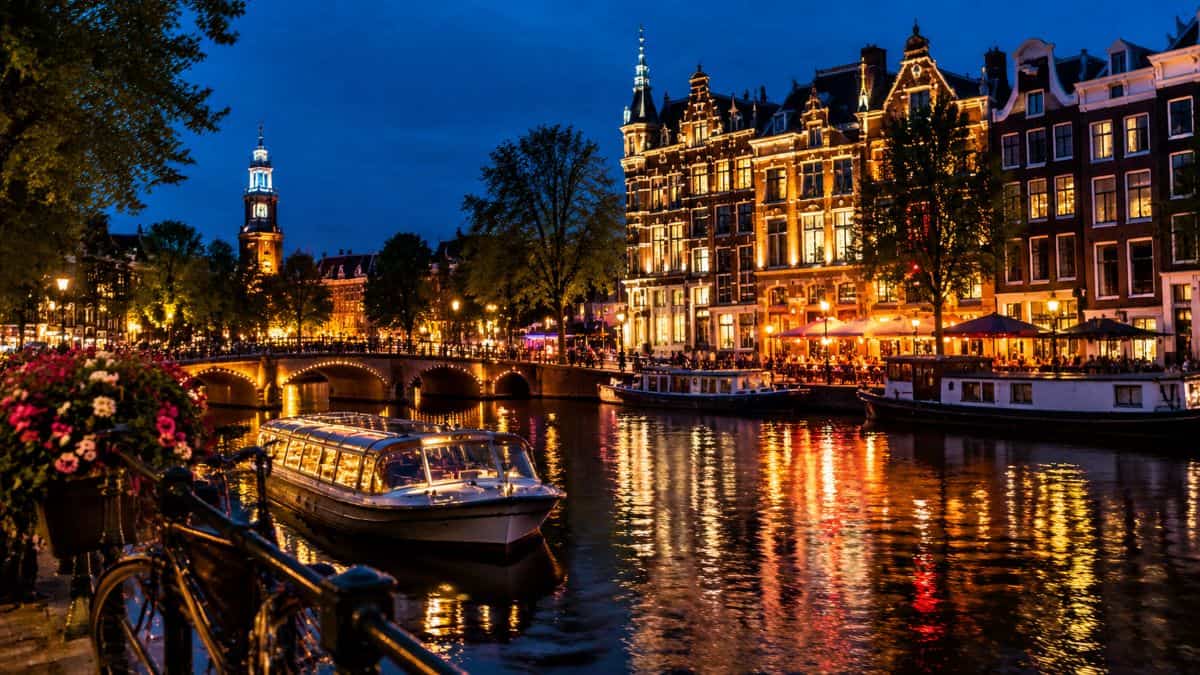
Image generated with Ai
Netherlands overtook Belgium and more Western European destinations as tourism faced a sharp decline in foreign tourist stays during the first half of 2026, with changing travel behaviour, rising costs and stronger regional competition reducing overnight demand across the region. The fall in accommodation nights reflected softer international visitor flows, as travellers increasingly compared destinations based on affordability, value and alternative European experiences. While the Netherlands, Belgium and Luxembourg remained popular for city breaks, culture and heritage tourism, the latest figures highlighted growing pressure on Western Europe’s tourism sector as visitors adjusted budgets and travel choices.
Netherlands: Tourism Nights Decline as Dutch Market Faces Softer International Demand
The Netherlands recorded a 1.5% decline in tourism accommodation overnight stays in the first half of 2026 compared with the same period in 2025, reflecting a slowdown in visitor demand. Despite Amsterdam, Rotterdam, Utrecht and other Dutch cities continuing to attract international travellers, the country faced stronger competition from neighbouring European destinations offering similar city-break and cultural experiences.
Advertisement
Advertisement
The decline comes as travellers increasingly adjust their holiday budgets and compare destinations based on affordability, accommodation prices and overall value. Rising costs in popular Dutch cities may have influenced some visitors to explore alternative European destinations with lower travel expenses. Changing travel patterns, including shorter stays and more selective spending, have also affected overnight accommodation performance.
However, the Netherlands remains a major European tourism hub with strong connectivity, iconic attractions and a diverse tourism offering. According to Eurostat data, while the wider European Union recorded overall growth in tourism nights during the first half of 2026, the Netherlands was among the countries experiencing a decline. The country’s future growth will depend on balancing visitor numbers, improving year-round tourism and strengthening experiences beyond its most popular destinations.
Advertisement
Advertisement
Belgium: Tourism Stays Slip as Competition and Changing Travel Behaviour Impact Visitor Growth
Belgium witnessed a 1.4% decline in tourism accommodation overnight stays during the first half of 2026, highlighting a period of pressure for one of Western Europe’s key cultural destinations. Known for historic cities such as Brussels, Bruges, Ghent and Antwerp, Belgium continues to attract visitors through heritage, gastronomy and business travel, but the latest figures show a softer tourism performance.
Advertisement
Advertisement
The decline reflects changing European travel dynamics, with tourists having more choices across the continent. Nearby destinations have increased competition through improved transport links, stronger destination marketing and new tourism experiences. Belgium’s reliance on city tourism and short breaks also makes it sensitive to shifts in consumer confidence, travel budgets and changing preferences among international visitors.
The country is also adapting to evolving tourism trends, including demand for sustainable travel, authentic local experiences and less crowded destinations. According to Eurostat, Belgium was among the European countries that recorded a fall in overnight stays during the first half of 2026, even as overall EU tourism nights increased. Strengthening regional tourism, promoting smaller cities and expanding year-round attractions could help Belgium regain momentum.
Luxembourg: Small Tourism Market Faces Decline Amid Changing European Travel Trends
Luxembourg recorded a 1.1% decline in tourism accommodation overnight stays in the first half of 2026, marking a setback for one of Europe’s smallest but highly international tourism markets. The country attracts visitors through its historic capital, UNESCO-listed heritage, natural landscapes and position at the centre of Europe, but changing travel behaviour has affected accommodation demand.
As a destination with a high share of foreign visitors, Luxembourg is particularly influenced by international travel movements. Eurostat data shows that international tourism plays a major role in Luxembourg’s accommodation sector, making the country more exposed to shifts in global mobility, travel costs and regional competition.
The decline also reflects broader competition among European city-break destinations. Travellers are increasingly seeking affordable alternatives, longer experiences and destinations offering a wider mix of attractions. Luxembourg continues to benefit from strong connectivity and premium tourism assets, but expanding nature tourism, cultural routes and longer-stay experiences will be important for future growth.
Advertisement
Advertisement
Western Europe Tourism Decline Overview (First Half of 2026)
According to Eurostat, the statistical office of the European Union, several Western European destinations recorded declines in tourism accommodation overnight stays during the first half of 2026 compared with the same period in 2025. The figures highlight softer visitor demand in the Netherlands, Belgium and Luxembourg amid changing travel preferences and increasing competition across Europe.
| Country | Overnight Stay Change | Key Challenge |
|---|---|---|
| 🇳🇱 Netherlands | -1.5% | Rising travel costs, strong regional competition and changing visitor preferences |
| 🇧🇪 Belgium | -1.4% | Pressure from competing European city destinations and shifting travel patterns |
| 🇱🇺 Luxembourg | -1.1% | Dependence on international visitors and shorter European trips |
Netherlands overtook Belgium and more Western Europe destinations as tourism faced a sharp decline in foreign tourist stays in the first half of 2026, driven by rising travel costs, changing visitor preferences and stronger competition from affordable European alternatives.
In conclusion, the Netherlands overtook Belgium and more Western Europe destinations as tourism experienced a sharp decline in foreign tourist stays during the first half of 2026, driven by changing travel priorities, rising costs and stronger competition across the region. The slowdown in Western Europe tourism highlights that travellers are becoming more selective, seeking better value, affordable experiences and diverse alternatives. While the Netherlands, Belgium and neighbouring markets remain globally recognised destinations, adapting to evolving visitor expectations will be essential to restore growth, increase overnight stays and strengthen the region’s future tourism performance.
Advertisement
