
Hundreds Of Travelers Disrupted Across The Middle East As Riyadh, Doha, And 12 Other Airports Cancel 50 And Delay 1,561 Flights

Published
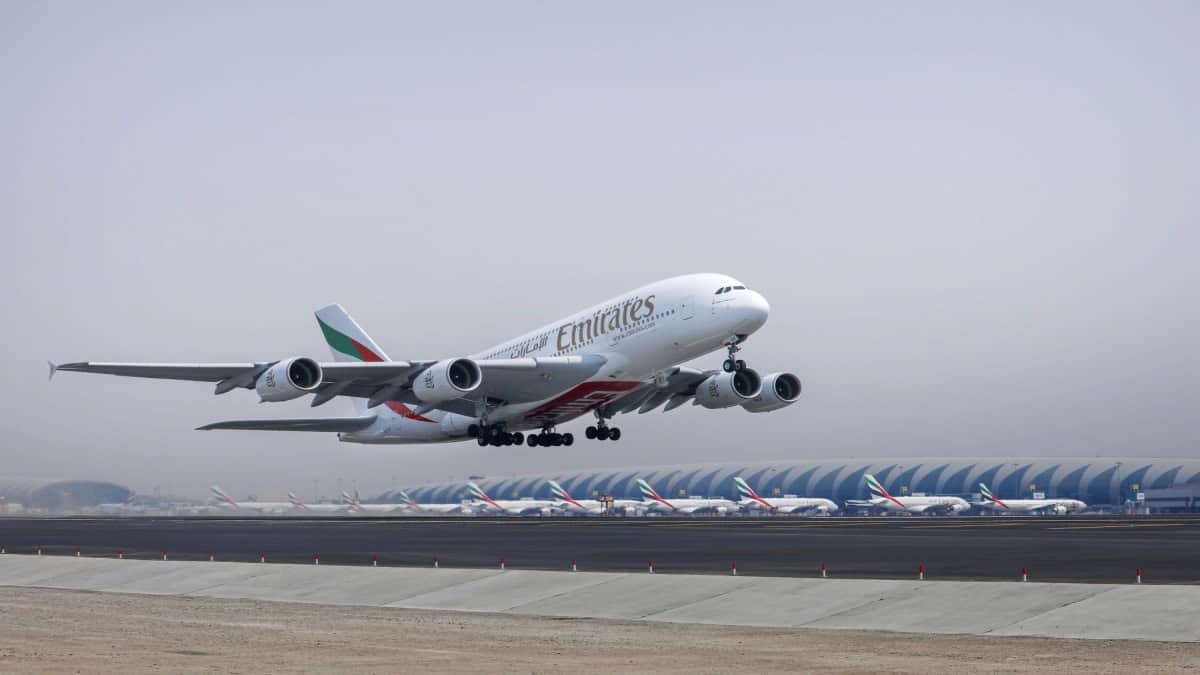
Flight operations across the Middle East recorded 1,561 delays and 50 cancellations across 14 airports in Saudi Arabia, Oman, the United Arab Emirates, Syria, Türkiye, Egypt, Qatar, Jordan, and Kuwait. Major hubs including Istanbul, Dubai, Riyadh, Jeddah, Cairo, Abu Dhabi, Doha, Kuwait City, and Amman experienced delays, while cancellations were also recorded at airports serving Abha, Seeb, Najran, Gizan, and Damascus.
Among airlines, Turkish Airlines recorded 248 delays, followed by Flynas with 171, Saudia with 147, FlyDubai with 129, Emirates with 100, and Etihad Airways with 95. For cancellations, Saudia recorded the highest total with 18, while FlyDubai, Oman Air, and Syrian Arab Airlines each recorded four.
Airports Recording the Highest Disruption Levels
Istanbul
Istanbul recorded 344 delays and six cancellations. Turkish Airlines accounted for 248 delays and two cancellations, while Syrian Arab Airlines recorded two cancellations. Departures recorded a 30% delay rate, while arrivals recorded a 15% delay rate.
Advertisement
Advertisement
Dubai
Dubai registered 291 delays and six cancellations. FlyDubai recorded 122 delays and two cancellations, while Emirates accounted for 100 delays. SpiceJet recorded two cancellations. Departures recorded a 27% delay rate, while arrivals recorded a 27% delay rate.
Riyadh
Riyadh recorded 252 delays and seven cancellations. Flynas registered 90 delays, while Saudia recorded 74 delays and five cancellations. Air France recorded two cancellations. Departures recorded a 24% delay rate, while arrivals recorded a 34% delay rate.
Advertisement
Advertisement
Jeddah
Jeddah saw 170 delays and five cancellations. Saudia recorded 50 delays and all five cancellations at the airport. Flynas registered 41 delays, while flyadeal recorded 21. Departures recorded a 19% delay rate, while arrivals recorded a 21% delay rate.
Advertisement
Advertisement
Cairo
Cairo recorded 172 delays and three cancellations. Egypt Air accounted for 53 delays and one cancellation, while Air Cairo recorded 30 delays and two cancellations.
Abu Dhabi
Abu Dhabi registered 119 delays and two cancellations. Etihad Airways accounted for 91 delays, while Oman Air recorded both cancellations at the airport.
Doha
Doha recorded 86 delays and two cancellations. Qatar Airways accounted for 71 delays and both cancellations, while Saudia registered two delays.
Damascus
Damascus recorded 13 delays and two cancellations. Syrian Arab Airlines accounted for two cancellations and two delays.
Airlines Recording the Highest Delay and Cancellation Totals
Turkish Airlines
Turkish Airlines recorded 248 delays and two cancellations, all associated with its operations at Istanbul.
Advertisement
Advertisement
Flynas
Flynas accumulated 171 delays across Abha, Jeddah, Riyadh, Dubai, Damascus, Cairo, and Amman.
Saudia
Saudia recorded 147 delays and 18 cancellations across Abha, Jeddah, Riyadh, Dubai, Najran, Gizan, Cairo, and Doha.
FlyDubai
FlyDubai recorded 129 delays and four cancellations, with the largest share coming from Dubai, where it registered 122 delays and two cancellations.
Emirates
Emirates recorded 100 delays at Dubai.
Etihad Airways
Etihad Airways recorded 95 delays, including 91 at Abu Dhabi, three at Riyadh, and one at Seeb.
Advertisement
Advertisement
Steps Passengers Can Take When Flights Are Cancelled
- Check the airline’s official flight status before travelling to the airport.
- Contact the airline or booking provider promptly if a flight is cancelled.
- Ask about available rebooking options and alternative services.
- Check whether the airline provides accommodation or meal assistance under its applicable policies.
- Keep boarding passes, booking confirmations and receipts for necessary expenses.
- Allow additional time for airport procedures during periods of disruption.
- Check connecting-flight arrangements if a cancellation affects a wider itinerary.
Operational Factors Behind Flight Cancellations
Flight cancellations across the Middle East can occur for a range of operational reasons. Airline scheduling changes, aircraft availability, crew planning, airport capacity, weather conditions, air-traffic management, maintenance requirements, and changes to individual flight schedules can all affect operations.
The effect can vary between airports and airlines. A carrier operating a large number of flights from a particular hub can record a higher number of delays because it has more scheduled movements there. Connecting hubs such as Dubai, Istanbul, Riyadh, and Jeddah can also experience knock-on effects when individual flights arrive or depart later than planned.
Regional Picture of Flight Disruptions
The latest figures show that flight disruptions were concentrated at several major aviation hubs across the Middle East, with Istanbul, Dubai, Riyadh, and Jeddah recording some of the largest airport-level delay totals.
Istanbul recorded 344 delays, with Turkish Airlines accounting for 248. In Dubai, the airport recorded 291 delays, including 122 involving FlyDubai and 100 involving Emirates.
Riyadh recorded 252 delays, led by Flynas with 90 and Saudia with 74. At Jeddah, 170 delays were recorded, with Saudia and Flynas accounting for 50 and 41 respectively.
Advertisement
Advertisement
Further south, Abu Dhabi recorded 119 delays, led by Etihad Airways with 91. Doha registered 86 delays, with Qatar Airways accounting for 71. Cairo recorded 172 delays, while Damascus saw 13.
Other airports also contributed to the regional figures. Kuwait City recorded 28 delays and one cancellation, while Amman registered 27 delays and one cancellation. Seeb recorded 26 delays and four cancellations. Abha recorded 33 delays and four cancellations, while Najran and Gizan recorded no delays but four and three cancellations respectively.
Across the airlines, Saudia had the highest cancellation count at 18. FlyDubai, Oman Air, and Syrian Arab Airlines each recorded four cancellations, while Qatar Airways recorded three. Five airlines — Pakistan International Airlines, Air Cairo, Air France, SpiceJet, and Turkish Airlines — each recorded two cancellations.
Overall, the figures show delays and cancellations across major aviation centers serving Saudi Arabia, Oman, the United Arab Emirates, Syria, Türkiye, Egypt, Qatar, Jordan, and Kuwait, with the largest delay concentrations occurring at Istanbul, Dubai, Riyadh, Cairo, and Jeddah.
The data has been extensively curated by our editorial team using real-time aviation figures recorded on 23 September 2026 at 6:18 pm ET USA (24 September 3:48 am IST)
Primary Source: FlightAware.
Verification Protocol: All statistics have been independently reviewed and cross-checked by our human editorial desk. Timestamped records, data logs and feed snapshots are securely archived internally to support historical accuracy and editorial transparency.
Note: Real-time flight-tracking figures reflect active airspace and operational data. Minor variations may occur when compared with information displayed at individual airport terminals or airline departure gates.
Travelers are advised to check directly with their respective airlines and airports for the latest flight status, schedule changes and operational updates.
Advertisement
Verified by Somudranil Sarkar
