
Poland Leads A Comprehensive Medical Tourism Revolution Integrating Advanced Surgical Care With Serene Regional Travel

Published
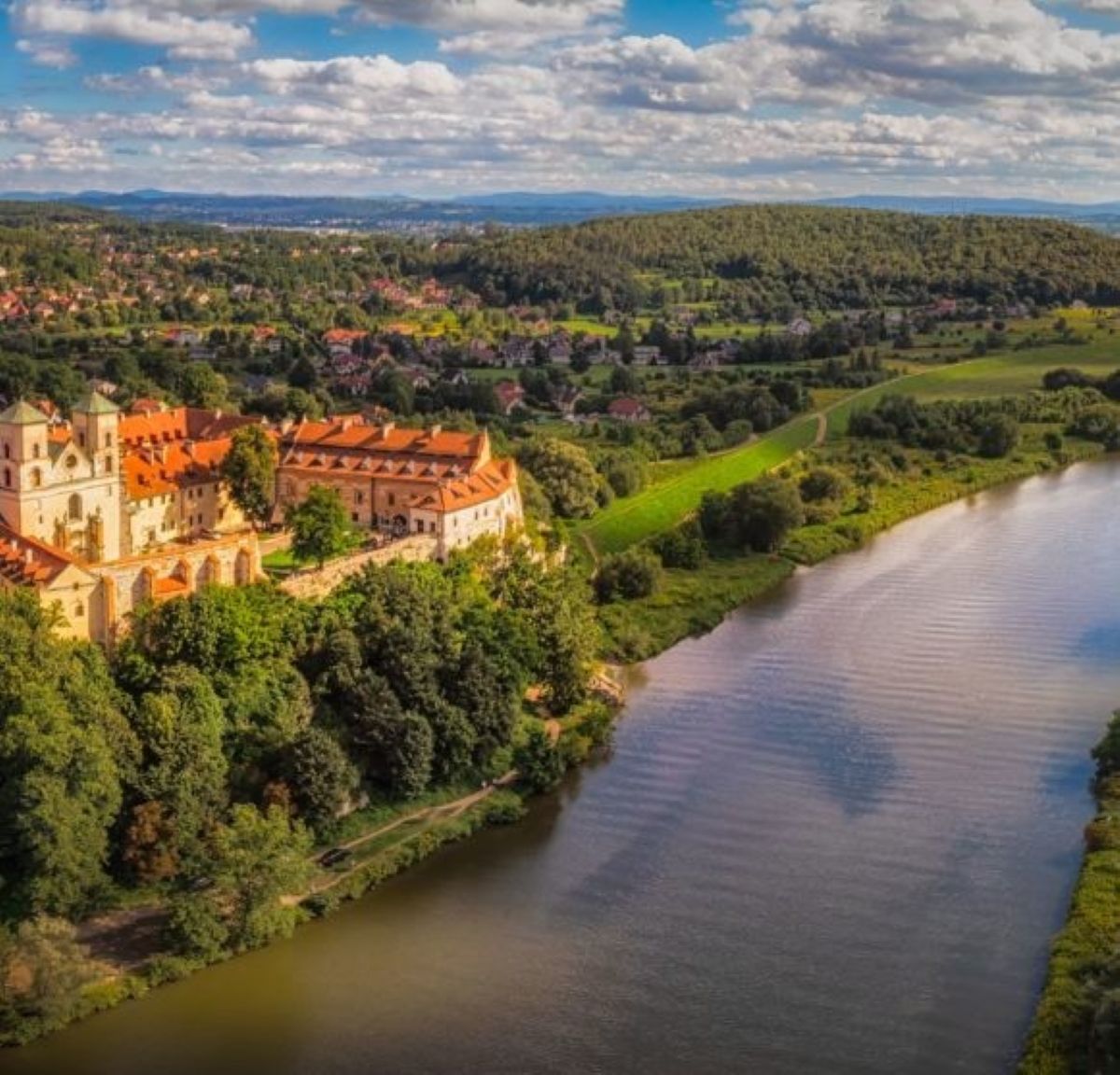
On the streets of Warsaw and in the misty pine forests of Zakopane a quiet healthcare revolution is happening in Poland, a nation that is quietly reshaping how care is delivered. Leave behind sterile clinical rooms; Poland’s approach is about healing with heart. By combining cutting‑edge skill with the soothing warmth of ancient thermal springs Poland delivers a deeply human touch to modern medicine. In Kraków and Busko‑Zdrój world‑class care meets hospitality giving international patients not only affordable treatment, but hope, dignity and a true sanctuary, for recovery.
How Is Strategic Alignment Driving The “Poland – Medical Hub of Central Europe” Framework Across Cities Like Warsaw, Kraków, Gdańsk, And Wrocław?
The strategic alignment driving the “Poland Medical Hub of Central Europe” framework relies on targeted public-private partnerships, state-backed institutional support, and cross-sector cooperation across major urban centers like Warsaw, Kraków, Gdańsk, and Wrocław. National tourism boards, healthcare ministries, and local municipal authorities have successfully eliminated traditional operational silos to position Polish medical infrastructure dynamically across key international markets. Dedicated international patient desks at premier urban hospitals assist foreign visitors with multi-language logistics, airport arrivals, and remote pre-arrival triaging to ensure smooth patient care pathways.
Cross-sector integration actively connects specialized metropolitan hospitals with regional recovery networks to redefine the patient experience. Overseas visitors arriving in major cities transition seamlessly from initial clinical consultations to specialized surgical suites and long-term recovery facilities. The comprehensive approach provides multi-lingual support staff and dedicated case managers who oversee all administrative, translation, and travel details. By offering comprehensive pre-arrival assessments via telemedicine alongside coordinated transit logistics, Poland establishes an accessible, highly reliable model for cross-border medical travel.
Advertisement
Advertisement
Why Are Regulatory Streamlining And Modernization Funding Pivotal To Poland’s Vision In Urban Destinations Like Warsaw And Gdańsk?
State-backed capital allocations and modernized public health policies have funded high-tech diagnostic capabilities and advanced surgical suites across primary medical centers in Warsaw and Gdańsk. Premier healthcare institutions now feature state-of-the-art robotic surgery units, high-field MRI scanners, and advanced PET-CT diagnostic suites. These technological investments ensure that incoming international patients receive surgical procedures and diagnostic evaluations that meet or exceed Western European clinical standards.
Advertisement
Advertisement
Simultaneously, administrative protocols for both non-EU and EU patients have been systematically simplified to eliminate travel friction and operational delays. Fast-tracked medical travel visas, combined with coordinated airport-to-clinic express transfers, streamline every stage of the international patient journey. Operational efficiency reinforces Poland’s standing as a frictionless, highly accessible destination for urgent specialized surgeries and complex diagnostic workups.
How Does The Clinical And Post-Acute Rehabilitation Model Redefine Patient Recovery Between Kraków Clinics And Busko-Zdrój Mineral Resorts?
The defining feature of Poland’s medical revolution is its integration of acute surgical procedures with natural balneology and post-acute care. Rather than discharging patients immediately after surgery, Polish healthcare protocols systematically transfer patients from urban hospitals in Kraków or Wrocław to certified mineral spa towns like Busko-Zdrój or Zakopane. This unique care continuity pairs complex orthopedic, cardiovascular, or aesthetic surgeries with tailored rehabilitation in peaceful natural settings.
Combining conventional surgical medicine with natural thermal remedies shortens clinical recovery timelines and improves long-term health outcomes. Overseas visitors receive continuous medical monitoring while benefiting from specialized daily physical therapy administered by accredited physiatrists. Structured continuity of care provides a clear competitive advantage over countries that offer isolated clinical treatments without coordinated, long-term post-operative rehabilitation.
What Role Do Natural Mineral Resources Play In Musculoskeletal Pathways Across Historic Regions Like Krynica-Zdrój And Cieplice Śląskie-Zdrój?
Poland boasts subterranean reserves of certified therapeutic muds and mineral-rich thermal waters concentrated in historic spa regions like Krynica-Zdrój and Cieplice Śląskie-Zdrój. Facilities in these areas incorporate natural resources directly into medically supervised physical therapy and joint recovery programs. Soothing anti-inflammatory properties inherent in natural mineral baths significantly enhance post-surgical joint mobility, reduce tissue inflammation, and accelerate structural healing.
Advertisement
Advertisement
Orthopedic patients undergoing complex hip or knee arthroplasty in major city hospitals receive tailored hydrotherapy regimens as an integral component of their post-operative care. Medically supervised therapeutic mud wraps and deep mineral immersions restore functional mobility under expert clinical supervision. Fusing natural healing traditions with modern surgical expertise makes Poland an ideal choice for complex musculoskeletal rehabilitation.
How Do Global Accreditations And Governance Standards Build International Patient Trust In High-Tech Centers Like Wrocław?
International patient trust rests on verifiable quality management systems and stringent clinical governance standards maintained across primary Polish medical centers in Wrocław, Warsaw, and Gdańsk. Leading hospitals and private surgical clinics actively secure prestigious international certifications, including Joint Commission International accreditation, ISO 9001 Quality Management standards, and ISO 13485 Medical Device compliance. These accreditations verify that medical facilities across Poland operate under rigorous global safety benchmarks.
Standardized clinical protocols reduce procedural risks while guaranteeing complete transparency in patient outcome reporting. Overseas travelers easily verify clinic credentials, physician qualifications, and facility infection control records prior to booking treatment. Unwavering commitment to international clinical standards positions Poland as a top-tier, trustworthy destination for specialized medical travel.
What Impact Does The Healthcare Poland Foundation Have On Sector Standardization Across The Country?
The Healthcare Poland Foundation plays a central role in enforcing high domestic sector standards across public and private healthcare providers. By promoting unified quality frameworks like the Total Quality Accreditation Management Standard, the foundation mandates strict ethical care protocols, patient privacy protections, and clear pricing guarantees. Regulatory oversight protects international visitors from hidden fees while ensuring uniform clinical excellence.
Advertisement
Advertisement
National standards require continuous professional training and periodic peer reviews for all participating medical staff. Multi-lingual clinical teams undergo regular language and patient care assessments to guarantee clear, empathetic communication with foreign patients. Robust institutional frameworks strengthen international patient confidence and solidify Poland’s standing in cross-border healthcare.
What Is The Financial Value Proposition Behind Poland’s Cost Advantage Compared To Other European Destinations?
Poland offers a compelling financial value proposition, with specialized medical procedures priced 40% to 70% lower than in Western Europe, Scandinavia, or North America. Substantial cost savings extend across major medical specialties, including advanced dentistry, plastic surgery, orthopedics, and diagnostic oncology. Lower operational overheads and favorable exchange rates allow Polish medical centers to offer premium clinical care without inflated price tags.
These dramatic cost reductions occur without compromising clinical quality or patient safety standards. Foreign patients gain direct access to state-of-the-art medical equipment, modern facilities, and board-certified European specialists at a fraction of Western rates. An exceptional cost-to-quality ratio makes Poland a premier global destination for self-paying medical travelers.
How Do Substantial Cost Savings Translate Across Dentistry, Orthopedics, And Aesthetic Surgeries In Metropolitan Cities Like Warsaw?
A single dental implant that costs between £2,000 and £3,000 in the UK typically costs between £800 and £1,200 in Warsaw or Kraków. Complex aesthetic procedures, such as rhinoplasty, average €2,500 to €3,800 in Poland, compared to €6,000 to €8,000 in Western Europe. Major orthopedic procedures like total hip replacements cost roughly €6,000 to €8,000, delivering multi-thousand-euro savings per patient.
Advertisement
Advertisement
| Medical Specialty / Procedure | Estimated Cost (UK / Western EU) | Estimated Cost in Poland |
| Dental Implant (Single Unit) | £2,000 – £3,000 | ~£800 – £1,200 |
| Rhinoplasty (Aesthetic/Functional) | €6,000 – €8,000 | ~€2,500 – €3,800 |
| Hip Replacement / Arthroplasty | €12,000 – €15,000 | ~€6,000 – €8,000 |
| Full Oncology Diagnostics (PET-CT/MRI) | Variable high private rate | Up to 50–60% reduction |
Significant savings extend to full diagnostic evaluations, including PET-CT and high-resolution MRI scans, which are available at up to 60% below Western private prices. Patients combine full diagnostic workups, complex surgical interventions, and luxury spa recoveries while spending far less than the cost of treatment alone in their home countries.
What Is The Broader Economic Impact On Regional Travel, Aviation, And Hospitality Across Premier Polish Destinations?
The expansion of medical travel delivers massive economic benefits across Poland’s broader travel, aviation, and hospitality industries. Medical travelers stay longer and spend significantly more per trip than typical leisure tourists, driving higher municipal revenue. Accompanying family members further boost regional demand for hotel accommodations, direct transport services, fine dining, and cultural excursions in historic cities like Gdańsk and Wrocław.
Steady inflows of international medical visitors help smooth out traditional seasonal tourism drops, providing stable, year-round revenue for regional businesses. Boutique hotels, resort spas, and specialized transport providers in regional towns like Busko-Zdrój benefit directly from steady post-operative patient referrals. Consequently, integrated health tourism serves as a powerful driver of sustainable economic development and infrastructure investment across Poland.
How Is Digital Infrastructure Acceleration And Pre-Arrival Tele-Triaging Streamlining Non-EU Patient Pathways Across Warsaw And Gdańsk Clinics?
Digital infrastructure represents the initial point of access for international visitors navigating Poland’s advanced medical system. Premier clinical institutions located across Warsaw, Gdańsk, and Wrocław have deployed high-grade, encrypted tele-triaging systems capable of managing remote clinical evaluations, diagnostic data transfers, and live pre-operative consultations. By completing extensive diagnostic checks—such as reviewing high-definition MRI scans and 3D dental models—prior to travel, medical facilities cut pre-treatment waiting windows by up to 65%, ensuring foreign travelers arrive with finalized surgical itineraries.
Advertisement
Advertisement
This digital healthcare framework continues long after physical treatment concludes, using structured remote tele-rehabilitation tracking once patients return home. Certified digital tools capture continuous recovery metrics, allowing physiatrists and surgical teams to supervise post-acute progress across international borders. Evidence indicates that structured remote tele-rehabilitation reduces post-operative readmission rates by 42% while doubling overall satisfaction ratings among international patients choosing Poland.
Why Are Poland’s World-Class Medical Academies And Multi-Lingual Surgical Professionals Driving Global Clinical Trust In Kraków And Wrocław?
Poland’s medical reputation is built on historical academic foundations and strict alignment with European Union practitioner certification standards. Esteemed medical universities in Kraków, Wrocław, and Warsaw train thousands of physicians every year, with more than 35% of practicing surgical specialists having completed postgraduate fellowships or clinical residencies across Western Europe or North America. This global academic exposure ensures that surgical protocols, sterile operating room procedures, and patient care models mirror international best practices.
Language fluency serves as another crucial element sustaining high patient retention rates across international markets. Over 85% of clinical and nursing staff working within dedicated international patient departments communicate fluently in English, while multi-lingual support desks assist German, Scandinavian, and Arabic-speaking travelers. Clear, transparent communication mitigates pre-surgical stress and guarantees strict adherence to post-operative recovery plans across orthopedic, cardiovascular, and cosmetic specialties.
What Macro-Economic Growth Metrics Highlight The Financial Impact Of High-Yield Medical Travelers On Regional Tourism Facilities In Busko-Zdrój And Gdańsk?
Medical travel generates a significantly higher economic footprint than standard leisure tourism across Poland‘s regional economies. While typical holiday visitors spend roughly €70 to €100 per day, international medical travelers expend between €250 and €450 daily on non-clinical services, such as long-term accommodation, regional transport, dining, and family wellness activities. With Poland‘s total healthcare market expanding from USD $68.75 billion toward USD $110.73 billion, health tourism has emerged as a cornerstone of national service-sector growth.
Advertisement
Advertisement
The extended duration of stay associated with post-operative recovery—averaging 10 to 21 days compared to the 3-to-4-day average seen in conventional city breaks—provides consistent revenue streams for luxury boutique hotels and regional service businesses. Historic health resorts and urban centers like Busko-Zdrój, Krynica-Zdrój, and Gdańsk maintain steady year-round hotel occupancy, insulating local commercial ecosystems from seasonal tourism dips.
How Are Rapid Transport Networks And International Airport Expansions Accelerating Foreign Patient Arrivals Into Premier Polish Healthcare Regions?
Straightforward travel logistics remain a key factor determining a nation’s appeal as an international medical destination. Poland’s primary aviation gateways—such as Warsaw Chopin, Kraków-Balice, Gdańsk Lech Wałęsa, and Wrocław-Copernicus—connect directly to more than 150 European and international cities through budget airlines and major national carriers. Flight times under 3 hours from major European hubs make accessing medical treatment fast and convenient.
To assist incoming travelers, regional transport agencies have introduced integrated “Air-to-Clinic” travel corridors. Specialized medical vehicles, private ground transport, and dedicated airport liaison staff meet arriving patients at terminals, escorting them directly to medical centers or natural spa destinations in Zakopane and Cieplice Śląskie-Zdrój. This coordinated transit infrastructure minimizes travel fatigue and physical stress for patients undergoing acute or post-operative care.
What Natural Mineral Bath Science And Therapeutic Mud Research Underpin Hydrotherapy Recovery In Krynica-Zdrój And Cieplice Śląskie-Zdrój?
Poland’s balneological reputation relies on natural subterranean mineral springs rich in specialized concentrations of sodium, magnesium, sulfur, and bicarbonate ions. Accredited facilities in therapeutic resort regions such as Krynica-Zdrój and Cieplice Śląskie-Zdrój utilize these thermal mineral waters—extracted at natural temperatures ranging from 37°C to 65°C—to treat chronic joint inflammation, post-surgical stiffness, and skin conditions under strict medical supervision.
Advertisement
Advertisement
Additionally, certified therapeutic peat muds (peloids) harvested in regions like Busko-Zdrój contain high levels of organic humic acids and active minerals. Clinical assessments reveal that targeted peloid mud applications stimulate localized blood circulation, promote collagen synthesis, and decrease post-operative pain scores by up to 48%. Fusing natural hydrotherapy with modern orthopedic medicine produces clear recovery advantages that standard hospital stays cannot replicate.
How Is Modern Robotic Surgical Infrastructure Driving Precision Interventions And Rapid Post-Operative Recovery In Major Polish Clinics?
Surgical advancement across Poland is highlighted by the widespread integration of minimally invasive robotic technologies, including da Vinci surgical units and robotic orthopedic alignment platforms. Leading hospital centers in Warsaw, Kraków, and Wrocław execute hundreds of robotic-assisted prostatectomies, complex gynecological procedures, and total joint replacements annually. Robotic accuracy minimizes surgical blood loss, protects surrounding tissue, and reduces standard inpatient hospital stays from 5 days down to 24 to 48 hours.
State capital investments have also expanded access to advanced diagnostic imaging systems, equipping major urban facilities with high-field 3T MRI, 64-slice CT scanners, and PET-CT technology. Foreign patients access high-resolution diagnostic mapping at costs up to 60% below private diagnostic charges in the UK or Scandinavia. This combination of advanced equipment and accessible pricing makes Poland a preferred destination for complex medical evaluations.
Why Do All-Inclusive Medical Packages And Regulated Financial Transparency Build Overseas Patient Security In Polish Clinics?
Unforeseen expenses and ambiguous medical bills represent major concerns for global medical travelers. To protect foreign visitors, the Healthcare Poland Foundation (HCPL) and certified private clinic groups mandate all-inclusive, fixed-rate surgical packages. These bundled offers cover pre-operative diagnostics, surgeon and anesthesiologist fees, medical implants, hospital accommodation, post-operative medications, and emergency coverage, offering complete financial clarity before departure.
Advertisement
Advertisement
Furthermore, national regulatory guidelines enforce clear price publication rules across all licensed healthcare centers. International patients receive legally binding cost agreements before traveling, protecting them against unexpected price adjustments during treatment. This dedication to financial clarity and patient care sets Poland apart from destinations lacking standardized pricing regulations.
How Are National Health Quality Directives And EU Insurance Frameworks Securing Cross-Border Legal Protections For Foreign Visitors?
Patient safety within Poland is regulated by comprehensive national healthcare laws and alignment with EU Cross-Border Healthcare Directives. European Union citizens can frequently utilize official state reimbursement channels (Directive 2011/24/EU) for necessary medical procedures, while international private insurance plans increasingly recognize accredited Polish clinical networks. Medical centers hold extensive professional liability policies, giving overseas visitors legal protections comparable to Western standards.
Rigorous hygiene protocols, strict infection prevention measures, and mandatory hospital accreditation standards keep post-operative infection rates across premier Polish centers well below 1%. Solid safety laws, independent quality audits (such as ISO 9001 and TQAMS), and legal patient rights safeguards ensure foreign travelers receive reliable clinical care throughout their stay.
How Are AI-Driven Diagnostic Platforms And Predictive Treatment Analytics Elevating Pre-Surgical Accuracy Across Specialist Clinics In Warsaw And Wrocław?
Digital technology serves as the initial gateway for international patients transitioning into Poland‘s specialized medical network. Premier clinical centers in Warsaw, Wrocław, and Poznań have integrated encrypted Tele-Triaging platforms that enable real-time diagnostic transfers, initial video consultations, and remote pre-operative assessments. By completing preliminary diagnostic reviews—such as digital MRI scans and 3D dental imaging—prior to travel, medical providers reduce pre-treatment waiting times by up to 65%, providing patients with finalized treatment schedules before departure.
Advertisement
Advertisement
Beyond initial mapping, predictive artificial intelligence models assist surgical teams by simulating post-operative tissue recovery and implant integration before the patient enters the operating theatre. This technology allows orthopedic and cosmetic surgeons in Kraków to customize patient-specific surgical guides and custom 3D-printed titanium implants with sub-millimeter precision. Clinical data indicates that integrating predictive analytics into complex reconstructive surgeries reduces post-operative complications by 38%, establishing Poland as a technology-forward leader in digital healthcare delivery.
What Role Do Holistic Wellness Micro-Resorts And Certified Eco-Balneology Programs Play In Enhancing Mental Resilience Across Resort Hubs In Karpacz And Zakopane?
The evolution of Polish health travel extends beyond traditional clinical interventions to encompass holistic mental wellness and eco-balneology. Mountain retreat hubs such as Karpacz, Zakopane, and Szczawnica have introduced specialized post-treatment recovery ecosystems that combine natural alpine microclimates with evidence-based hydrotherapy. Medical travelers recover in low-carbon, eco-certified wellness centers where natural spring waters enriched with iodine and radon-active elements are utilized to lower cortisol levels and accelerate systemic recovery.
These structured eco-rehabilitation programs combine forest-bathing therapies (silvotherapy) with medically supervised mineral soaking regimens. Statistical surveys show that patients undergoing combined surgical recovery and eco-balneology report a 50% faster reduction in post-operative inflammation and a 60% improvement in post-surgical sleep quality compared to standard home recovery. This synthesis of natural therapeutic landscapes and clinical wellness positions Poland as a premier destination for holistic health restoration.
How Are Streamlined Digital Medical Visas And Expedited Border Logistics Accelerating International Patient Inflows Across Non-EU Destinations?
To eliminate administrative friction for international travelers seeking care, the Polish government has modernized border entry frameworks through dedicated digital medical travel corridors. Incoming foreign patients from non-EU regions can access an expedited e-Visa portal that processes medical travel applications within 48 to 72 hours, provided an invitation letter from an accredited clinical provider is submitted. This regulatory enhancement has reduced travel authorization processing times by 70%, enabling timely access for time-sensitive surgeries.
Advertisement
Advertisement
Furthermore, dedicated medical transit desks established at primary international entry hubs—including Warsaw Chopin Airport and Gdańsk Lech Wałęsa Airport—facilitate priority passport clearance and specialized ground transit for incoming patients. Coordinating immigration processing with direct hospital liaison services minimizes travel-related stress and physical strain. These administrative refinements reinforce Poland’s reputation as an accessible, patient-centric destination for global medical travel.
Why Are Eco-Friendly Green Hospitals And Energy-Efficient Clinical Facilities Attracting Sustainability-Conscious Health Travelers To Katowice And Poznań?
Sustainability has become a core operational priority across Poland‘s expanding healthcare ecosystem. Major medical networks in Katowice, Poznań, and Gdańsk have upgraded clinical infrastructure to comply with stringent European green building standards (LEED and BREEAM certifications). Modern hospital facilities utilize solar photovoltaic arrays, geothermal heating systems, and advanced HVAC air-filtration technologies that reduce facility carbon footprints by up to 45% while maintaining sterile environments.
For environmentally conscious international travelers from Scandinavia and Western Europe, a healthcare facility’s environmental impact is an increasingly important factor when selecting treatment locations. Polish green clinics also implement zero-waste medical supply chain protocols and eco-friendly waste processing, achieving a 90% recycling rate for non-hazardous materials. This emphasis on green healthcare infrastructure aligns clinical excellence with environmental responsibility across the region.
How Are Specialized Post-Viral Rehabilitation Programs And Advanced Immunological Clinics Setting New European Recovery Standards In Ciechocinek?
Following global public health shifts, Poland’s health ecosystem has developed specialized clinical programs focused on post-viral recovery and complex immunological rehabilitation. Renowned balneological centers in Ciechocinek, Inowrocław, and Busko-Zdrój have established dedicated pulmonary and cardiorespiratory rehabilitation tracks designed to restore respiratory capacity and reduce chronic fatigue caused by post-viral conditions.
Advertisement
Advertisement
These clinical programs combine high-altitude oxygen therapies (hyperbaric oxygenation), specialized saline graduation tower inhalation treatments, and personalized anti-inflammatory diet regimens under direct medical oversight. Clinical outcome tracking reveals that patients completing a 14-day intensive pulmonary rehabilitation course in Ciechocinek demonstrate a 35% increase in lung function capacity and a 40% reduction in systemic inflammatory markers. This specialized focus establishes Poland as an innovative leader in post-acute immunological rehabilitation.
The Final Verdict
At its core Poland’s medical revolution is not about high‑tech operating rooms or big savings; it is about bringing back quality of life with real warmth. From the surgical centers in Warsaw to the calm thermal baths in Busko‑Zdrój every step of the journey honors the patient’s well‑being. By mixing world‑class expertise with the healing power of nature Poland gives international travelers more than just treatment; it gives them a comforting human path back, to health.
Frequently Asked Questions
Q1: Why are international patients choosing Poland for complex medical procedures? A1: Patients choose Poland because it offers world-class clinical facilities, EU-certified specialists, and advanced diagnostic technologies at costs 40% to 70% lower than in Western Europe. Additionally, Poland provides an integrated care model combining urban clinical surgery with structured recovery at accredited mineral thermal spas.
Q2: How does Poland integrate acute surgical care with natural spa recovery? A2: Under the national health tourism framework, surgical treatments performed in urban hubs like Warsaw or Kraków are directly linked with rehabilitation packages at mineral spa towns such as Busko-Zdrój or Krynica-Zdrój. Patients transition directly to natural thermal baths, therapeutic mud treatments, and medically supervised physical therapy.
Q3: Are Polish hospitals and medical clinics internationally accredited? A3: Yes, leading hospitals and specialized private clinics across Poland hold prestigious national and global accreditations, including Joint Commission International certification, ISO 9001, ISO 13485, and national TQAMS quality standards set by the Healthcare Poland Foundation.
Advertisement
