
Morocco Leads North Africa Tourism Growth as Regional Travel Markets Navigate a New Era of Visitor Demand: All You Need to Know

Published
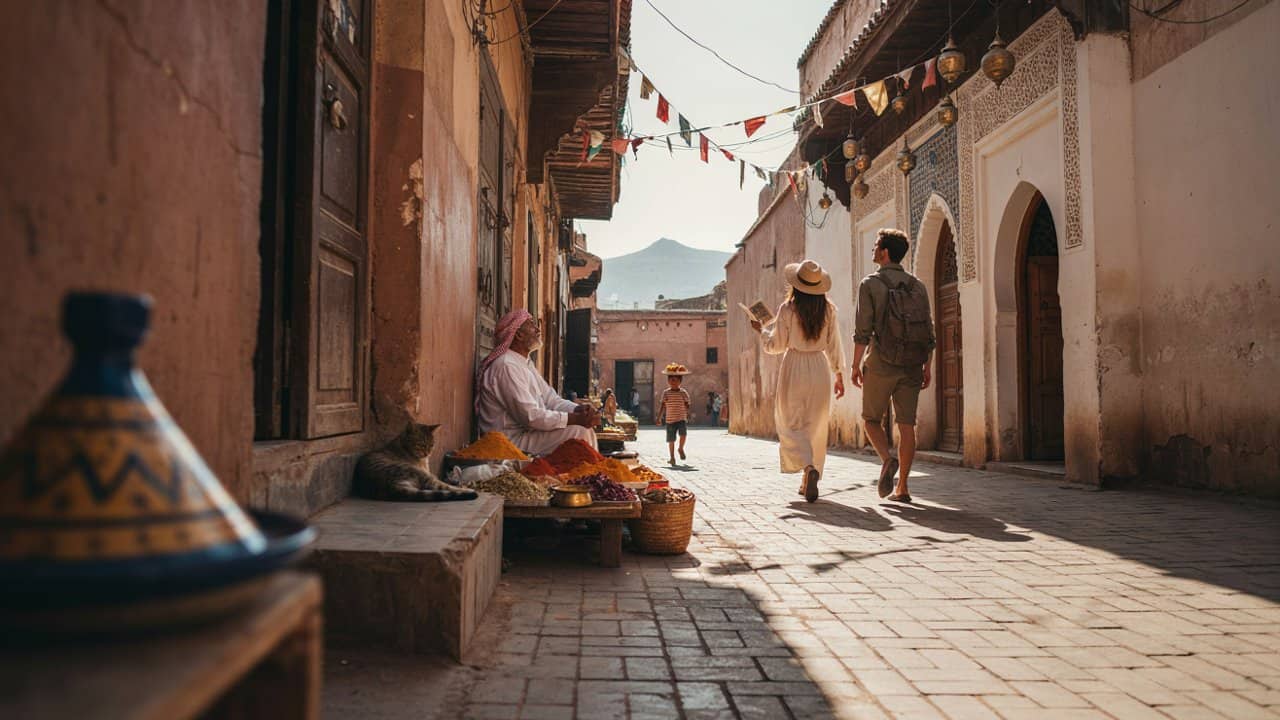
North Africa’s tourism sector is undergoing a major transformation as destinations across the region compete for international visitors, with Morocco maintaining strong momentum through expanded connectivity, cultural experiences and diversified tourism offerings.
The region is experiencing a mixed tourism landscape. While some markets are seeing slower growth due to economic pressures, travel costs and changing visitor patterns, Morocco continues strengthening its position as one of Africa’s most successful tourism destinations.
The shift highlights a broader transformation across North Africa, where countries are investing in heritage tourism, coastal experiences, adventure travel and improved visitor infrastructure to attract travellers from Europe, the Middle East, Asia and North America.
Morocco Strengthens Its Position as North Africa’s Tourism Growth Leader
Morocco has become one of the strongest performers in North African tourism, supported by international connectivity, destination promotion and expanding tourism infrastructure.
Advertisement
Advertisement
The country welcomed a record number of visitors in recent years, with tourism authorities reporting continued growth driven by stronger air links, improved accommodation options and promotion of new destinations beyond traditional hotspots.
Morocco’s tourism appeal is built around a combination of:
Advertisement
Advertisement
| Tourism Segment | Key Attractions |
|---|---|
| Cultural tourism | Historic medinas, heritage sites and traditions |
| Coastal tourism | Atlantic and Mediterranean beaches |
| Adventure travel | Mountains, deserts and outdoor experiences |
| Luxury tourism | Resorts, boutique stays and unique experiences |
| Culinary tourism | Moroccan cuisine and local markets |
Destinations such as Marrakech, Agadir, Casablanca, Rabat and the Sahara regions continue attracting international visitors, while emerging areas are gaining attention through expanded tourism development.
Morocco Expands Beyond Traditional Tourism Hotspots
One of Morocco’s biggest tourism strategies has been moving beyond established destinations and encouraging visitors to explore a wider range of regions.
Advertisement
Advertisement
While Marrakech remains globally recognised for its historic attractions and luxury experiences, other destinations are receiving increased attention.
| Destination | Tourism Appeal |
|---|---|
| Rabat | Heritage, museums and cultural events |
| Agadir | Beaches, resorts and coastal experiences |
| Tangier | Mediterranean culture and seaside tourism |
| Chefchaouen | Scenic mountain town and photography tourism |
| Sahara regions | Desert adventures and unique landscapes |
The expansion of tourism beyond major cities supports regional economies and creates new opportunities for smaller communities.
North African Countries Build Diverse Tourism Experiences
North Africa is not a single tourism market. Each country offers a distinct visitor experience based on its geography, history and cultural identity.
| Country | Major Tourism Strengths |
|---|---|
| Morocco | Heritage cities, deserts, beaches and luxury tourism |
| Egypt | Ancient history, Nile cruises and archaeological attractions |
| Tunisia | Mediterranean beaches, history and cultural tourism |
| Algeria | Heritage sites, landscapes and emerging tourism potential |
| Libya | Historic locations and cultural assets |
The region’s diversity allows North Africa to attract different types of travellers, including history enthusiasts, beach holidaymakers, adventure seekers and luxury tourists.
Advertisement
Advertisement
Egypt Continues Developing Its Global Tourism Appeal
Egypt remains one of Africa’s most recognised tourism destinations due to its ancient civilisation, archaeological treasures and iconic attractions.
The country continues attracting visitors through:
- The Pyramids of Giza
- Nile River cruises
- Red Sea resorts
- Ancient temples
- Desert experiences
Egypt’s tourism strategy focuses on improving visitor infrastructure, expanding accommodation capacity and promoting a wider range of experiences.
The country’s combination of heritage and coastal tourism gives it a strong position within the wider North African tourism market.
Tunisia Strengthens Coastal and Cultural Tourism Opportunities
Tunisia continues building its tourism identity around Mediterranean beaches, historic sites and cultural experiences.
Popular attractions include:
Advertisement
Advertisement
- Ancient Carthage
- Mediterranean resorts
- Traditional markets
- Historic towns
- Desert landscapes
The country attracts visitors seeking affordable coastal holidays combined with cultural exploration.
Tunisia’s tourism sector is also working to diversify beyond traditional beach tourism by highlighting heritage, wellness and nature-based experiences.
Algeria Explores New Tourism Potential Through Heritage and Nature
Algeria possesses significant tourism resources, including historic cities, Roman archaeological sites, mountains and desert landscapes.
The country has opportunities to develop:
- Cultural tourism
- Sahara adventures
- Ecotourism
- Heritage experiences
- Outdoor activities
As global travellers increasingly search for lesser-known destinations, Algeria’s landscapes and cultural assets provide opportunities for future tourism expansion.
Air Connectivity Becomes a Key Driver of North African Tourism Growth
Improved aviation links are playing an important role in expanding North Africa’s tourism market.
Advertisement
Advertisement
Morocco’s growth has been supported by additional international routes connecting the country with important visitor markets.
Better connectivity helps destinations attract:
- European travellers
- Long-haul visitors
- Business tourists
- Luxury travellers
- Adventure tourists
Air access remains one of the most important factors influencing destination competitiveness.
Sustainable Tourism Gains Importance Across North Africa
North African destinations are increasingly focusing on sustainable tourism as visitor numbers grow.
Sustainable approaches include:
| Initiative | Tourism Impact |
|---|---|
| Heritage protection | Preserves cultural attractions |
| Eco-friendly accommodation | Reduces environmental impact |
| Community tourism | Supports local economies |
| Desert conservation | Protects fragile landscapes |
| Responsible coastal tourism | Protects marine ecosystems |
Sustainability is becoming essential as destinations aim to balance tourism growth with environmental and cultural preservation.
Advertisement
Advertisement
Luxury and Experience-Based Travel Create New Opportunities
North Africa is benefiting from the global shift towards experience-driven travel.
Modern travellers are increasingly looking for:
- Authentic cultural encounters
- Private desert experiences
- Local cuisine
- Boutique accommodation
- Wellness retreats
Morocco has particularly benefited from this trend through luxury riads, desert camps and premium cultural experiences.
The growth of personalised travel is creating new opportunities beyond traditional sightseeing.
Challenges Continue to Shape North Africa’s Tourism Future
Despite positive momentum, the region faces several challenges affecting tourism growth.
| Challenge | Impact |
|---|---|
| Rising travel costs | Influences visitor spending decisions |
| Global economic uncertainty | Affects holiday planning |
| Infrastructure gaps | Limits growth in some areas |
| Seasonal demand | Creates pressure during peak periods |
| Regional competition | Requires stronger destination marketing |
Tourism authorities are responding through investment, diversification and improved visitor services.
Advertisement
Advertisement
Why North Africa Is Becoming a Major Global Travel Region
North Africa offers a combination rarely found in one region: ancient history, diverse landscapes, coastal experiences and cultural richness.
The region provides travellers with:
- Desert adventures
- Mediterranean beaches
- UNESCO heritage locations
- Traditional cuisine
- Mountain landscapes
- Luxury escapes
As travellers increasingly search for meaningful experiences, North Africa is gaining attention as a destination offering both authenticity and variety.
Frequently Asked Questions
1. Why is Morocco leading North Africa tourism growth?
Morocco’s growth has been supported by stronger air connectivity, tourism investment, destination promotion and a diverse range of experiences.
2. Which North African country is best known for cultural tourism?
Egypt and Morocco are among the region’s most recognised cultural tourism destinations due to their historic sites, heritage and ancient traditions.
3. Is North Africa suitable for adventure tourism?
Yes. The region offers desert exploration, mountain activities, wildlife experiences and outdoor adventures.
Advertisement
Advertisement
4. What type of travellers visit North Africa?
North Africa attracts cultural travellers, luxury tourists, beach holidaymakers, adventure seekers and history enthusiasts.
5. Is sustainable tourism growing in North Africa?
Yes. Many destinations are developing responsible tourism practices to protect natural environments and cultural heritage.
Conclusion
North Africa’s tourism landscape is entering a new era as destinations compete for global travellers through culture, connectivity and diverse experiences. While regional growth remains uneven, Morocco’s strong performance demonstrates the potential of strategic investment and destination development.
With expanding international links, heritage attractions and emerging adventure opportunities, North Africa is becoming an increasingly important player in global tourism. The region’s future growth will depend on balancing visitor demand with sustainable development and long-term preservation of its unique landscapes and cultures.
Advertisement
