
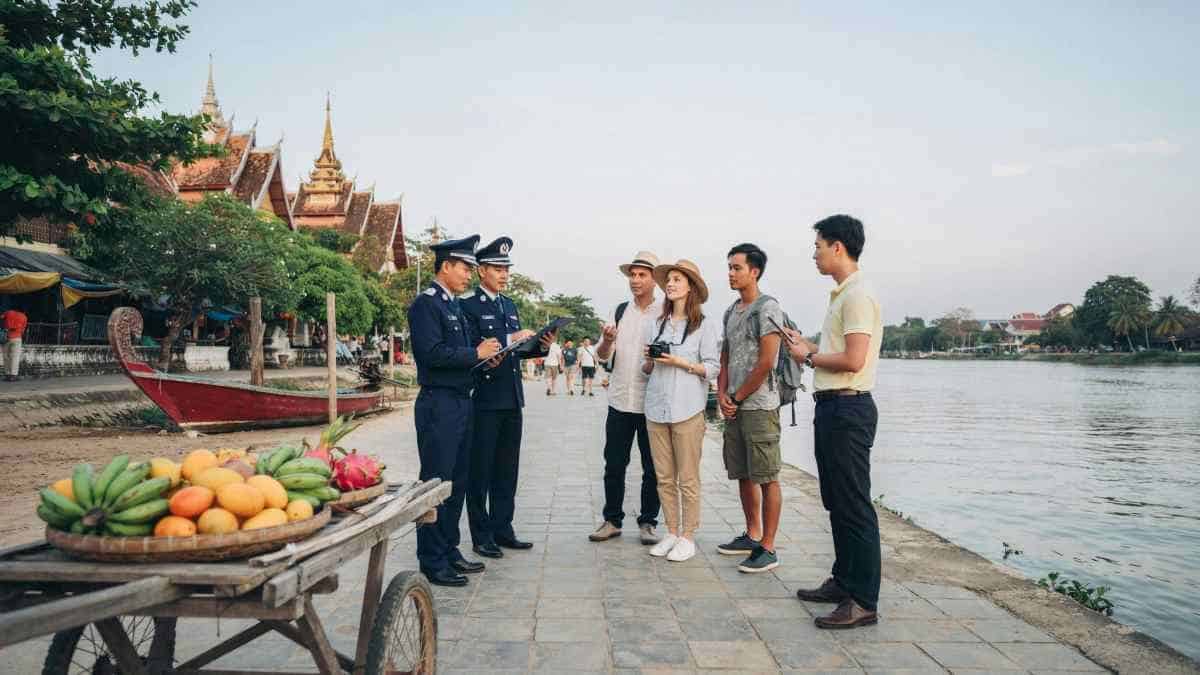
Image generated with Ai
Consumer protection in the tourism industry in Laos is improving through the implementation of enhanced audits of tour operators and retail businesses in significant heritage sites. The audit is aimed at ensuring that the predatory “zero-dollar tour” business is identified and stamped out. Under the zero-dollar tour scheme, tour packages can be advertised at very low prices, and the business will earn money by ensuring that the tourists visit designated shopping places. The Ministry of Culture and Tourism is working alongside regional diplomats in enhancing audits of the tourism industry and retail business. The move is aimed at ensuring better price transparency and protection of foreign tourists visiting the country.
Zero-dollar tours have become a particular focus of tourism oversight because extremely low-cost packages can shift the financial burden from the advertised tour price to compulsory shopping and other commercial activities.
Advertisement
Under this model, visitors may be offered inexpensive or heavily discounted travel packages, with tour operators recovering costs through commissions generated when groups are directed to designated shops, restaurants or other businesses.
The inspection drive is intended to identify tourism operations using such practices and ensure that visitors receive services that correspond more closely with advertised prices and itineraries.
Advertisement
Advertisement
For international travellers, greater oversight can provide clearer information about the actual cost of tours before booking and reduce the risk of unexpected commercial requirements during organised trips.
Inspections are being concentrated across major heritage and tourism hubs where international visitor activity is significant.
Laos has several destinations where cultural attractions, historic districts, temples and traditional communities form the core of the tourism experience. These destinations depend on tour operators, guides, retailers and hospitality businesses to provide services to international visitors.
Greater monitoring of businesses operating within these tourism networks can help authorities identify pricing issues and service-quality concerns.
The approach also places greater emphasis on the relationship between tourism operators and retail businesses. Inspections can examine how tours are structured, where visitors are taken and whether commercial activities form part of the advertised itinerary.
This is particularly relevant to organised group travel, where travellers may have less flexibility to choose alternative businesses once they are participating in a packaged tour.
Transparent pricing is a central component of the inspection programme.
International visitors booking tours need to understand what is included in the advertised price, including transportation, accommodation, meals, entrance fees, guiding services and scheduled activities.
When additional commercial stops or compulsory purchases are incorporated into a tour, travellers can face a substantially different experience from the one suggested by the original package price.
Tourism audits therefore provide a mechanism for authorities to examine whether operators are accurately presenting their services and prices.
Clearer pricing can also support legitimate tour operators by creating a more consistent competitive environment. Businesses that operate with transparent pricing can compete based on their actual services rather than against packages supported by undisclosed or indirect revenue arrangements.
The inspection campaign also addresses the quality and consistency of tourism services.
Tour operators are responsible for coordinating multiple elements of a visitor’s journey, including transportation, accommodation, guiding and scheduled activities. Poor service in any one area can affect the overall travel experience.
Standardisation of service expectations can therefore help establish clearer requirements for tourism businesses serving international visitors.
For travellers, this can make it easier to compare tour packages and understand what level of service they should expect. It can also strengthen accountability when services fail to match advertised arrangements.
The focus on standards is particularly important as Laos develops international tourism across cultural, heritage, nature and adventure travel segments.
Regional diplomatic partners are involved in the broader inspection effort, providing an additional channel for addressing concerns affecting international tourists.
Diplomatic cooperation can help authorities better understand issues reported by visitors from different markets and improve communication around tourism-related complaints.
International travellers can encounter different consumer-protection systems when travelling abroad, making clear enforcement and accessible tourism standards particularly important.
Coordination between tourism authorities and diplomatic representatives can support more effective responses when problems involving tour operators or retail businesses affect foreign visitors.
Luang Prabang is among Laos’s best-known heritage destinations and is an important example of the type of tourism environment affected by stronger service oversight.
The city attracts visitors through its historic architecture, temples, cultural traditions and surrounding natural attractions. Organised tours provide access to these experiences, while retailers, restaurants, guides and transport providers form part of the wider tourism economy.
Improved monitoring of tour and retail businesses can help maintain a more transparent environment for visitors exploring the heritage city.
A stronger emphasis on fair pricing and service quality can also support the long-term value of heritage tourism by ensuring that visitor spending is connected to genuine travel experiences rather than primarily to compulsory commercial activities.
Vientiane provides another major tourism and transport hub where international visitors can begin or end journeys through Laos.
The capital connects travellers with cultural attractions, accommodation, restaurants, tour operators and onward transport to destinations throughout the country.
As inspection measures expand across tourism networks, operators serving visitors in major cities and heritage destinations face greater expectations around transparent pricing and service delivery.
The measures can also support travellers who combine several destinations within a single Laos itinerary, giving them greater consistency when booking organised tours.
The government of Laos is increasing its control over the country’s tourism industry by conducting inspections of tours that sell at zero dollars and retail and service operations in the country’s important heritage areas. This move aims at protecting the international tourists from deceptive low-price packages and improve transparency about tour pricing and commercial operations. At the same time, the enhanced supervision of tour operators and tourism businesses will help ensure a certain level of consistency in the services provided to the tourists. As far as travel in Laos is concerned, the above-mentioned measures are especially relevant for the tourists who visit the country’s heritage sites and use the major tourism centres like Vientiane.
Advertisement
Advertisement
Advertisement













Saturday, September 5, 2026

Friday, September 4, 2026

Saturday, September 5, 2026

Saturday, September 5, 2026

Thursday, September 3, 2026

Wednesday, September 2, 2026

Saturday, September 5, 2026



