
Southwest Airlines Flight WN4461 Boeing 737-7H4 from Las Vegas to Phoenix Diverts and Lands at Los Angeles International Airport on July 20: All You Need to Know

Published
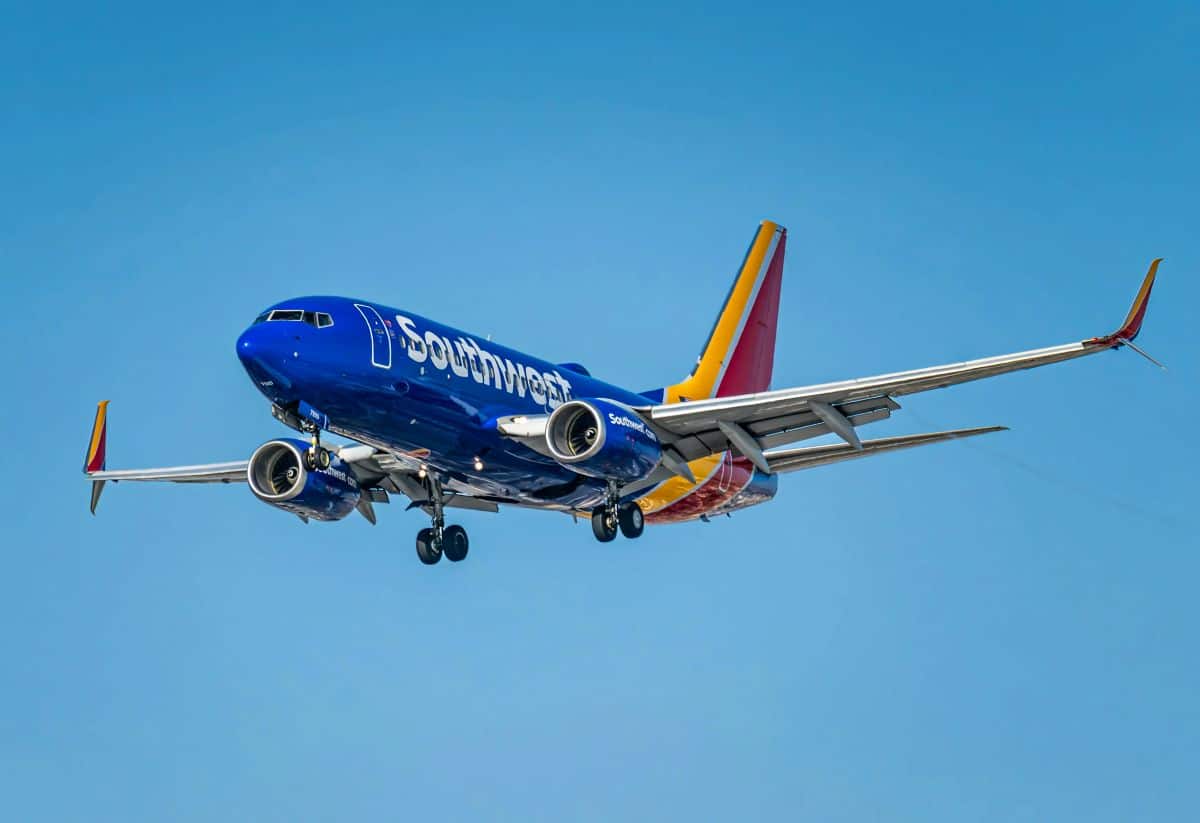
Image generated with Ai
Southwest Airlines Flight WN4461 Boeing 737-7H4 from Las Vegas to Phoenix diverted and landed at Los Angeles International Airport on July 20 after the aircraft could not continue its scheduled journey to Phoenix. The Boeing 737-7H4, registered as N443WN, was redirected from Las Vegas to Los Angeles as a safety and operational decision. The exact reason for the diversion has not been publicly confirmed. However, airlines often divert flights due to weather conditions, medical situations, operational requirements, air traffic restrictions, or aircraft checks. The flight reached Los Angeles safely, where teams managed the next steps.
Why was the Las Vegas to Phoenix flight diverted to Los Angeles?
The Las Vegas to Phoenix flight was diverted to Los Angeles International Airport during its scheduled operation on 20 July 2026, according to available flight tracking information. The Boeing 737 aircraft, identified by registration N443WN, did not complete its planned route between Harry Reid International Airport in Las Vegas and Phoenix Sky Harbor International Airport.
Advertisement
Advertisement
The diversion moved the aircraft away from its original destination and towards Los Angeles, providing access to a major airport with extensive operational facilities, maintenance support, and passenger services. Airlines regularly select large airports as diversion points because they can provide better resources during unexpected situations.
At this time, there is no confirmed public explanation for why the aircraft was diverted. Possible reasons for flight diversions can include operational requirements, weather conditions, passenger medical situations, air traffic restrictions, or aircraft-related checks. However, airlines normally investigate such events before releasing official details.
Advertisement
Advertisement
Flight diversions are considered a normal safety procedure within commercial aviation. Pilots and airline operations teams continuously monitor flight conditions and make decisions based on safety, aircraft performance, and available airport support.
Advertisement
Advertisement
What happened after the Boeing 737 left Las Vegas?
The Boeing 737 operating the Las Vegas to Phoenix service departed from Harry Reid International Airport at the scheduled time of 18:35. The aircraft was expected to complete the short domestic journey and arrive at Phoenix Sky Harbor International Airport at 19:34 before the operation was changed due to the diversion.
Instead of continuing towards Phoenix, the aircraft was redirected to Los Angeles International Airport, where it arrived at 19:50. The diversion allowed airline teams and airport personnel to manage the situation at a fully equipped aviation facility capable of supporting diverted aircraft.
Los Angeles International Airport is one of the busiest airports in the United States and provides extensive facilities for passenger assistance, aircraft handling, and operational coordination. Its location and infrastructure make it an important alternative airport when flights in the western United States require an unexpected landing.
Advertisement
Advertisement
After a diversion, airline teams usually review the aircraft condition, communicate with passengers, and organise the next stage of the journey. Depending on the circumstances, travellers may continue on the same aircraft, transfer to another flight, or experience delays.
How do airlines handle safety during unexpected flight diversions?
Airlines manage flight diversions through a coordinated process involving pilots, dispatch teams, air traffic controllers, and airport authorities. Before deciding to divert, flight crews evaluate several factors, including aircraft conditions, weather developments, airport availability, and passenger safety requirements.
Advertisement
Advertisement
When a diversion becomes necessary, pilots select an airport that can safely accommodate the aircraft and provide appropriate support. The decision is not taken lightly because it involves careful assessment of operational conditions and available alternatives.
Once the aircraft lands at the diversion airport, ground teams begin supporting passengers and checking the operational status of the aircraft. Airline representatives provide updates while technical teams determine whether the aircraft can continue its journey or requires additional inspection.
For passengers, a diversion can create delays and uncertainty, but it is an important part of aviation safety management. These procedures allow airlines to respond quickly when unexpected circumstances affect a scheduled flight.
Why are Las Vegas, Phoenix and Los Angeles important aviation hubs?

Image generated with Ai
Las Vegas, Phoenix, and Los Angeles are among the most important aviation locations in the western United States. Las Vegas attracts millions of visitors each year, making Harry Reid International Airport a major gateway for tourism, entertainment, and business travel.
Phoenix Sky Harbor International Airport serves as a key connection point for Arizona and the wider southwestern United States. The Las Vegas to Phoenix route is a popular domestic connection because of strong links between tourism, business activity, and regional travel.
Advertisement
Advertisement
Los Angeles International Airport provides one of the largest aviation networks in North America. Its extensive domestic and international operations allow it to support diverted flights by providing aircraft services, passenger facilities, and airline coordination.
The availability of major airports like LAX plays an important role in aviation resilience. When flights cannot continue to their original destinations, alternative airports help maintain safety and reduce operational challenges.
What should passengers know about the flight diversion?
Passengers affected by the Las Vegas to Phoenix flight diversion should follow official airline updates for the latest information about their journey. Airlines usually provide details about delays, replacement arrangements, and onward travel through airport announcements, mobile applications, and customer support channels.
A diverted flight does not automatically mean there was a serious problem. Many diversions are precautionary actions taken by airlines to manage changing conditions and ensure safe operations.
The Southwest Airlines Boeing 737 diversion from Las Vegas to Los Angeles shows how modern aviation systems are designed to respond quickly to unexpected events. Although passengers may face delays, safety procedures remain the priority throughout the process.
Advertisement
Advertisement
Further information may become available if the airline or airport releases an official statement regarding the reason behind the diversion. Until then, the available flight data confirms that the aircraft safely reached Los Angeles after leaving Las Vegas instead of continuing to Phoenix.
Southwest Airlines Flight WN4461 Boeing 737-7H4 from Las Vegas to Phoenix diverted and landed at Los Angeles International Airport on July 20 because the aircraft required an alternative airport during its scheduled operation. The Las Vegas to Phoenix service changed course, allowing airline teams to provide support and assess the situation. The Boeing 737-7H4 safely reached Los Angeles after leaving Las Vegas instead of continuing to Phoenix. Although the exact cause remains unconfirmed, the diversion followed standard aviation safety procedures. The incident shows how airlines use planned safety measures to manage unexpected disruptions and protect passengers.
Image: Southwest Airlines
Advertisement
