
Zambia Unites with Zimbabwe and Botswana in Expanding the KAZA Univisa Arrangement as Southern Africa Prepares to Draw Record Tourists

Published
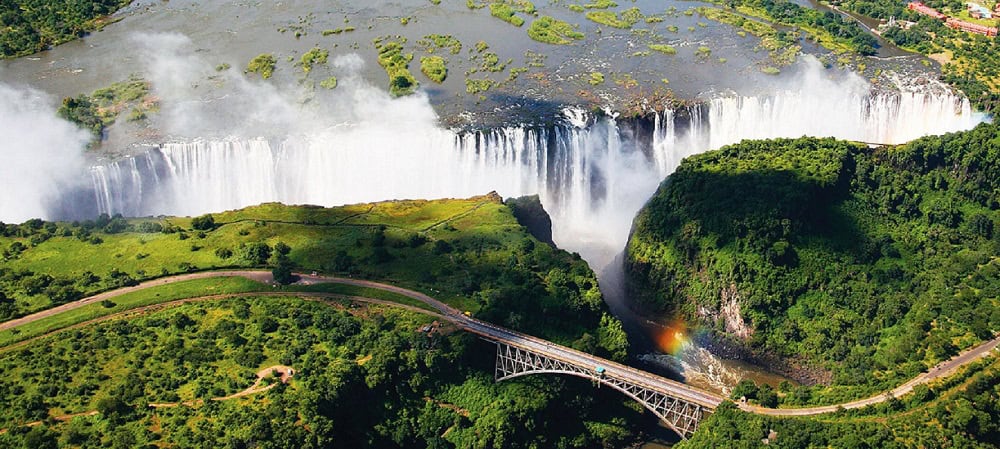
Southern Africa tourism is undergoing a transformation as Zambia expands cooperation with Zimbabwe and Botswana under the Kavango Zambezi Transfrontier Conservation Area (KAZA) initiative. This collaborative effort streamlines cross-border travel by refining the KAZA Univisa system, granting international visitors seamless entry across key regional borders. Designed to eliminate administrative delays at land ports and international airports, the unified visa structure boosts tourist mobility, reduces travel expenses, and strengthens economic integration. By facilitating movement across shared natural landmarks like Victoria Falls and Chobe National Park, the regional alliance enhances Southern Africa’s position as a premier global travel destination.
Regional Integration Drives Southern Africa Tourism Expansion
Southern Africa’s tourism landscape is entering an era of efficiency and regional alignment. Zambia, Zimbabwe, and Botswana continue to consolidate their cross-border border agreements through the landmark KAZA Univisa initiative. Spearheaded by the Zambia Department of Immigration, the Zimbabwe Department of Immigration, and supported by the Secretariat of the Kavango Zambezi Transfrontier Conservation Area (KAZA TFCA) with World Bank backing, this common visa framework represents a major milestone in regional integration.
The primary goal of the unified visa model is to transform the regional travel landscape. Historically, international travellers visiting the Victoria Falls ecosystem were required to obtain multiple individual entry permits, leading to prolonged processing times, duplicated fees, and bureaucratic delays at border posts. Under the KAZA Univisa arrangement, eligible visitors purchase a single $50 USD visa that permits multiple entries between Zambia and Zimbabwe for up to 30 days, while also allowing day trips into Botswana via the Kazungula border crossing.
┌─────────────────────────────────────────────────────────┐
│               KAZA UNIVISA AT A GLANCE                  │
├──────────────────────────┬──────────────────────────────┤
│ Official Cost            │ $50 USD                      │
│ Standard Validity        │ 30 Days                      │
│ Border Movements         │ Multiple entries (ZAM & ZIM) │
│ Day Trip Allowance       │ Botswana via Kazungula       │
│ Primary Authority        │ KAZA TFCA Secretariat        │
└──────────────────────────┴──────────────────────────────┘
By removing friction at critical entry points, the initiative improves traveler mobility, encourages longer stays, and expands local spending across hospitality, transport, and eco-tourism sectors. Government authorities across all three nations emphasize that expanding multi-country border access remains a cornerstone of the broader Southern African Development Community (SADC) regional development strategy.
Advertisement
Advertisement
Background of the KAZA Univisa Framework
The origin of the single-visa concept dates back to the establishment of the Kavango Zambezi Transfrontier Conservation Area, which encompasses portions of Angola, Botswana, Namibia, Zambia, and Zimbabwe. Spanning over 520,000 square kilometres, KAZA represents the world’s largest transboundary conservation landscape. Realising that ecological conservation and eco-tourism require unhindered movement across national borders, member states launched the KAZA Univisa pilot project to harmonize immigration policies.
          +-----------------------------------+
          |     KAZA TFCA CONSERVATION ZONE   |
          +-----------------+-----------------+
                            |
         +------------------+------------------+
         |                                     |
+--------v-------+                    +--------v-------+
| Republic of    |  <-- $50 Visa -->  | Republic of    |
| ZAMBIA         |  (Multiple Entry)  | ZIMBABWE       |
+--------+-------+                    +--------+-------+
         |                                     |
         +------------------+------------------+
                            |
                 (Kazungula Day Trips)
                            |
                    +-------v-------+
                    | Republic of   |
                    | BOTSWANA      |
                    +---------------+
Initial development focused on the primary tourism corridor linking Lusaka, Livingstone, Harare, and Victoria Falls. Official statistical records show that streamlining immigration procedures at these key hubs produced an immediate rise in multi-destination itineraries. Following the successful deployment of digital infrastructure across major airports and land ports, the pilot program expanded its digital platform, making online e-Visa applications available alongside visa-on-arrival facilities.
Advertisement
Advertisement
Official government documentation confirms that the KAZA Univisa operates on a unified administrative framework. Passports from over 60 eligible nations—including the United Kingdom, European Union Member States, Canada, the United States, Australia, Japan, and South Korea—qualify for the program. The revenue collected from visa issuances is shared between participating nations under an agreed distribution model managed by national immigration departments, demonstrating the viability of inter-governmental financial cooperation in tourism development.
Latest Official Developments and Border Infrastructure Upgrades
Recent administrative announcements from the Zambia Ministry of Tourism and the Zambia Department of Immigration confirm major infrastructure and technological upgrades across primary entry corridors. System enhancements deployed at Kenneth Kaunda International Airport in Lusaka and Harry Mwanga Nkumbula International Airport in Livingstone have significantly reduced processing times for online e-Visa verifications.
Advertisement
Advertisement
+-----------------------------------------------------------------------------------+
|                            KEY ENTRY PORTS & MODALITIES                           |
+------------------------------------+----------------------------------------------+
| Entry Location                     | Supported Modalities                         |
+------------------------------------+----------------------------------------------+
| Kenneth Kaunda Int. Airport (ZAM)  | e-Visa, Visa-on-Arrival, Biometric Scanner   |
| Harry Mwanga Nkumbula Airport (ZAM)| e-Visa, Visa-on-Arrival, Rapid Processing    |
| Victoria Falls Land Border         | On-Arrival Issuance, Dual-Direction Mobility |
| Kazungula Land Border & Bridge     | e-Visa, One-Stop Border Post (OSBP) Systems  |
| Robert Gabriel Mugabe Airport (ZIM)| Visa-on-Arrival, Digital Verification        |
| Victoria Falls Airport (ZIM)       | e-Visa, Rapid Processing                     |
+------------------------------------+----------------------------------------------+
A core element of this regional expansion is the operational integration of the Kazungula One-Stop Border Post (OSBP). Spanning the Zambezi River to join Zambia and Botswana, the Kazungula Bridge and its facility have modernized transboundary transit. Under the OSBP protocol, travelers and transport operators clear immigration and customs procedures once in a shared facility, reducing processing delays from hours to minutes.
       ZAMBIA LAND PORT                      BOTSWANA LAND PORT
+──────────────────────────────+      +──────────────────────────────+
|  Zambia Immigration Desk     |      |  Botswana Immigration Desk   |
|  - e-Visa Verification       |  ──► |  - Day-Trip Logging          |
|  - Passport Stamp            |      |  - Tourism Levy Verification |
+──────────────┬───────────────+      +──────────────┬───────────────+
               │                                     │
               └──────────────► Kazungula ───────────┘
                                Bridge System
In parallel, national authorities have upgraded digital verification systems at the Victoria Falls land border. Border posts are now equipped with real-time database synchronization to verify KAZA Univisa status instantly. This technical overhaul ensures that travelers moving between Livingstone (Zambia) and Victoria Falls Town (Zimbabwe) cross without repeating paperwork.
Government Statistics and Policy Implications
Official data released by national statistical offices and tourism authorities highlights the economic impact of unified border policies. International visitor arrivals across the KAZA ecosystem have grown, driven by expanding air connectivity and simplified entry requirements.
+-----------------------------------------------------------------------------------+
|                        KEY PERFORMANCE INDICATORS (KAZA REGION)                  |
+-----------------------------------+-----------------------------------------------+
| Indicator                         | Official Value / Metric                       |
+-----------------------------------+-----------------------------------------------+
| KAZA Univisa Fee                  | $50 USD (Fixed Standard Rate)                 |
| Maximum Allowed Validity          | 30 Consecutive Days                           |
| Border Re-entries Allowed         | Unlimited between Zambia and Zimbabwe         |
| Eligible Partner Nations          | 65+ Approved Passport Jurisdictions           |
| Average Border Processing Time    | Reduced from 45 mins to under 10 mins (OSBP)  |
+-----------------------------------+-----------------------------------------------+
The policy implications of this expansion extend beyond border control. By establishing a shared administrative framework, participating governments are creating a model for the broader SADC UniVisa vision, which aims to cover additional Southern African nations in future phases. Policy analysts note that harmonizing visa regimes helps lower barriers to intra-regional commerce, aligns aviation policies, and encourages joint infrastructure investments.
Advertisement
Advertisement
Furthermore, policy alignment has enabled synchronized security protocols. The integration of national border databases allows immigration authorities in Lusaka, Harare, and Gaborone to share real-time security alerts while maintaining a seamless experience for legitimate tourists.
Economic Implications and Industry Impact
The economic effects of the expanded KAZA Univisa system are evident across multiple sectors of the regional economy. Tourism remains a main source of foreign currency earnings for both Zambia and Zimbabwe, contributing substantially to national Gross Domestic Product (GDP) and supporting hundreds of thousands of direct and indirect jobs.
+-------------------------------------------------------------------------------+
|                      ECONOMIC MULTIPLIER EFFECTS OF UNIVISA                   |
+-----------------------+-------------------------------------------------------+
| Sector                | Direct Impact & Benefits                              |
+-----------------------+-------------------------------------------------------+
| Hospitality           | Increased average length of stay (from 2.5 to 4.8 days)|
| Transport & Aviation  | Growth in inter-park charter flights and shuttle services|
| Tour Operations       | Expansion of cross-border multi-day itinerary packages|
| Local Communities     | Greater direct spend at craft markets and local venues|
| Conservation Agencies | Higher revenue collection for national park management|
+-----------------------+-------------------------------------------------------+
By allowing tourists to explore both sides of Victoria Falls and venture into Botswana’s Chobe National Park under a single visa, tour operators can offer comprehensive multi-country itineraries. This increased flexibility has raised the average length of stay for international visitors. Longer stays translate into higher occupancy rates for hotels, lodges, and safari camps, alongside increased revenue for local restaurants, transport providers, and tour guides.
                  ECONOMIC VALUE CHAIN

    [Single Visa Issued] ──► [Extended Stay Duration]
                                   │
         ┌─────────────────────────┴─────────────────────────┐
         ▼                                                   ▼
[Increased Lodge Occupancy]                         [Higher National Park]
         │                                          [  Revenue Collection]
         ▼                                                   │
[Expanded Local Employment] ◄────────────────────────────────┘
Aviation markets have responded to these policy updates. Regional carriers, including Proflight Zambia, have expanded fleet capacity and added direct routes connecting major tourism hubs. Increased flight frequencies between Lusaka, Livingstone, Lower Zambezi, and regional destinations reflect growing demand driven by simplified visa protocols.
Tourism, Business, and Public Impact
For international visitors, the expanded KAZA Univisa eliminates travel friction. Previously, a traveler visiting Victoria Falls who wished to see the view from both the Zambian and Zimbabwean sides had to purchase two separate visas. This added cost and required standing in multiple queues at border posts. Under the current system, tourists cross the historic Victoria Falls Bridge with minimal delay, maximizing their time at local attractions.
TRADITIONAL ENTRY (Legacy Model)
[Entry Point A] ──► $50 Visa Fee ──► Queue 1 ──► [Exit A] ──► [Entry Point B] ──► $50 Visa Fee ──► Queue 2

UNIFIED KAZA UNIVISA (Current Model)
[Single $50 Application] ──► Seamless Cross-Border Movement (ZAM-ZIM-BOT) ──► Fast-Track Processing
The local public and small-scale businesses benefit directly from this seamless flow. Curio vendors, taxi drivers, cultural performers, and local excursion companies in Livingstone and Victoria Falls Town report increased visitor engagement. Furthermore, business travelers and conference delegates attending international events in the Victoria Falls region can move across borders for meetings and networking without acquiring additional permits.
Advertisement
Advertisement
+------------------------------------------------------------------------------------+
|                         VISITOR TRAVEL EXPERIENCE MATRIX                           |
+------------------------------+-----------------------------------------------------+
| Journey Aspect               | Univisa System Experience                           |
+------------------------------+-----------------------------------------------------+
| Visa Procurement             | Online e-Visa portal or instantly on arrival        |
| Fee Structure                | Single $50 USD payment (Card or Cash)               |
| Border Crossing Speed        | Accelerated via dedicated OSBP immigration lanes    |
| Itinerary Flexibility        | Freedom to cross between Zambia and Zimbabwe freely |
| Day-Trip Access              | Direct day-trip entry to Botswana (Kazungula)       |
+------------------------------+-----------------------------------------------------+
Conservation Initiatives and Transboundary Wildlife Management
The KAZA Univisa is intrinsically linked to transboundary conservation efforts. The Kavango Zambezi Transfrontier Conservation Area was created to support the migration of wildlife across natural ecosystems that span national borders. Home to over 250,000 African elephants—representing more than half of the remaining wild population—KAZA requires coordinated landscape management.
                KAZA TRANSBOUNDARY ECOSYSTEM

  ANGOLA ──► NAMIBIA ──► BOTSWANA ──► ZAMBIA ──► ZIMBABWE
               │                                   │
               └───────── Wildlife Corridors ──────┘
                                   │
                    [Unified Eco-Tourism Model]
Revenue generated from international tourism directly funds park maintenance, anti-poaching units, and community-based natural resource management programs. By promoting multi-park travel itineraries—such as combining Zambia’s Mosi-oa-Tunya National Park, Zimbabwe’s Hwange National Park, and Botswana’s Chobe National Park—the KAZA Univisa framework provides a sustainable funding stream for ecological conservation.
+-------------------------------------------------------------------------------+
|                       KEY PROTECTED AREAS IN THE KAZA ZONE                     |
+----------------------------+-----------------+--------------------------------+
| National Park              | Host Country    | Primary Wildlife / Feature     |
+----------------------------+-----------------+--------------------------------+
| Mosi-oa-Tunya National Park| Zambia          | Victoria Falls & White Rhino   |
| Hwange National Park       | Zimbabwe        | Large Elephant Herds & Lions   |
| Chobe National Park        | Botswana        | Riverine Wildlife & Elephants  |
| Kafue National Park        | Zambia          | Vast Wilderness & Predators    |
| Zambezi National Park      | Zimbabwe        | Zambezi River Ecosystem        |
+----------------------------+-----------------+--------------------------------+
Official Statements and Strategic Vision
Official statements from leadership across participating departments highlight a shared commitment to deepening regional cooperation. Representatives from the Zambia Department of Immigration have emphasized that digitalizing the KAZA Univisa portal remains a top priority, ensuring travelers receive pre-approval before departure.
Statements from the KAZA TFCA Secretariat reaffirm that the long-term vision includes incorporating the remaining two partner states—Angola and Namibia—into the full UniVisa framework. Official reports outline plans to establish a single visa structure that covers all five member nations, transforming Southern Africa into a unified regional tourism destination.
           FUTURE KAZA EXPANSION ROADMAP

[Phase 1: Pilot Deployment] ──► Zambia & Zimbabwe Core Axis (Achieved)
            │
[Phase 2: Transit Linkage]  ──► Botswana Day-Trip Integration (Achieved)
            │
[Phase 3: Full Integration] ──► Namibia & Angola Onboarding (In Progress)
            │
[Phase 4: SADC Alignment]   ──► Regional Block Implementation (Long-term)
Step-by-Step Guide: Acquiring and Utilizing the KAZA Univisa
For travelers planning an itinerary across Zambia, Zimbabwe, and Botswana, adhering to official immigration procedures is essential for smooth entry.
1.Verify Nationality Eligibility:Check official government portals before booking.
Advertisement
Advertisement
Confirm that your passport country is on the official list of eligible nations published by the Zambia Department of Immigration or Zimbabwe Department of Immigration. Over 60 nationalities qualify for the KAZA Univisa. Ensure your passport has at least six months of remaining validity from your date of entry and contains at least two blank visa pages.
2.Select Application Method:Choose between online e-Visa or port-of-entry issuance.
Determine whether to apply online via the official Zambia e-Visa portal prior to departure or obtain the visa upon arrival. Applying online is recommended for travelers arriving at major international hubs like Kenneth Kaunda International Airport or Harry Mwanga Nkumbula International Airport.
3.Submit Documentation and Payment:Pay the standard $50 USD processing fee.
Complete the application form with exact passport details, travel itinerary, and accommodation bookings. Pay the non-refundable $50 USD fee using a credit card online or bring crisp, recent-series US Dollar currency if requesting the visa on arrival at border checkpoints.
4.Present Visa at Border Checkpoints:Maintain compliance with 30-day travel limits.
Advertisement
Advertisement
Upon approval, present your printed KAZA Univisa document or passport stamp to immigration officials. You may cross between Zambia and Zimbabwe multiple times during the 30-day validity period. Day trips to Botswana via the Kazungula border are permitted provided you return to Zambia or Zimbabwe on the same day.
Future Outlook for Southern African Tourism
The expansion of the KAZA Univisa framework establishes a blueprint for sustainable regional development. As infrastructure modernizes and digital immigration platforms expand, Southern Africa is well positioned to attract a growing share of global long-haul travelers.
+------------------------------------------------------------------------------------+
|                      FUTURE REGIONAL DEVELOPMENT MILESTONES                        |
+----------------------+-------------------------------------------------------------+
| Milestone Target     | Operational Scope                                           |
+----------------------+-------------------------------------------------------------+
| Full 5-Nation Scope  | Integration of Angola and Namibia into single-visa system  |
| Fully Digital OSBP   | Paperless biometric border clearance at Kazungula & Vic Falls|
| Joint Marketing      | Unified international tourism promotion by KAZA member states|
| Direct Transit Hubs  | Expanded regional flight corridors connecting conservation parks|
+----------------------+-------------------------------------------------------------+
By linking eco-tourism with regional economic policy, Zambia, Zimbabwe, and Botswana demonstrate how cross-border cooperation can generate economic opportunities while protecting natural heritage. The continued evolution of the KAZA Univisa ensures that Southern Africa remains an accessible, interconnected, and competitive destination on the global stage.
Advertisement
