
United States Road Trip Tourism Surges With Choice Hotels Great American Detour And National Park Travel Revival: All You Need To Know

Published
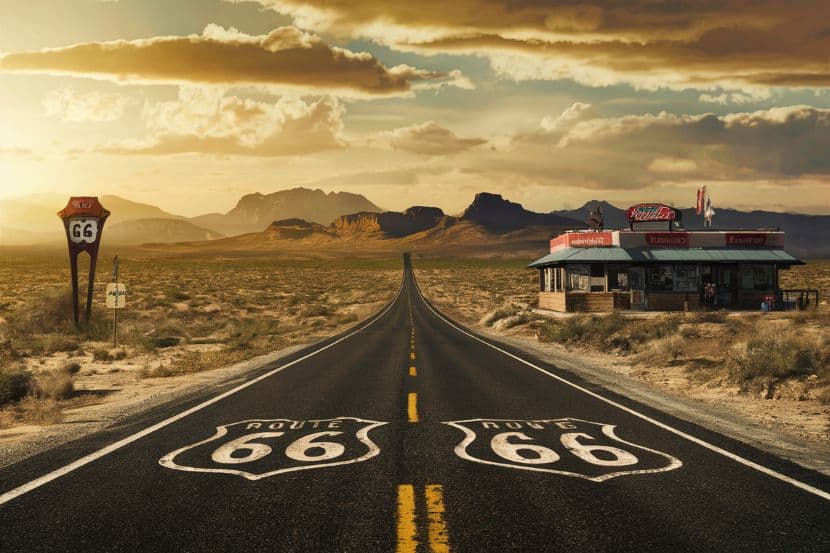
The United States is witnessing a renewed surge in road trip tourism as travel behaviour shifts toward experience-driven journeys across highways, small towns, and protected natural landscapes. The newly launched “Great American Detour” initiative from Choice Hotels aligns with this movement by encouraging travellers to explore destinations beyond major gateway cities, a trend strongly supported by federal tourism data from the U.S. National Park Service and transportation-linked heritage corridors such as Route 66.
The campaign reflects a broader structural change in American domestic travel, where visitors increasingly prefer flexible itineraries, scenic routes, and regional cultural stops rather than fixed destination-only travel. With over 4,000 properties located near interstate highways and national attractions, the hospitality network integrates directly into this evolving mobility ecosystem.
Great American Road Travel Evolution And Tourism Behaviour Shift
Domestic tourism in the United States continues to be strongly influenced by highway connectivity, national park access, and regional heritage corridors. The U.S. Department of Transportation recognises Route 66 as a historically significant travel artery undergoing renewed cultural tourism interest as it approaches its centennial celebrations (transportation.gov). This has contributed to a resurgence in long-distance road trips across states such as Kansas, Illinois, New Mexico, and Arizona.
At the same time, national parks managed by the National Park Service are experiencing sustained visitor interest due to their accessibility and infrastructure upgrades. Parks such as Biscayne National Park in Florida and Olympic National Park in Washington provide immersive natural tourism experiences, reinforcing the shift toward outdoor recreation-based travel. These destinations form the backbone of the modern American road trip itinerary.
Advertisement
Advertisement
National Parks And Scenic Destinations Driving Detour Tourism
Several key destinations highlighted in the current travel trend represent the core of American scenic tourism. Biscayne National Park in Florida offers marine ecosystems, coral reef exploration, and water-based recreation, making it a leading coastal nature destination under federal protection (nps.gov). Meanwhile, Olympic National Park in Washington provides one of the most diverse ecological environments in the country, ranging from rainforest to alpine landscapes.
In the Midwest, Lake Superior near Duluth, Minnesota delivers a strong lakefront tourism experience shaped by natural shoreline routes and heritage towns. These destinations reflect the increasing importance of environmentally preserved areas in domestic travel planning. Federal conservation efforts continue to ensure accessibility while maintaining ecological balance, supporting long-term tourism sustainability.
Advertisement
Advertisement
Small Town America And Cultural Stopover Tourism
Beyond national parks, the “detour” travel model highlights the importance of small-town tourism economies. Locations such as Galena, Illinois and Taos, New Mexico represent historically rich communities that offer cultural authenticity, architectural heritage, and regional cuisine experiences. These towns are increasingly positioned as alternative stops on interstate journeys, benefiting from highway proximity and heritage preservation programmes.
Buffalo, New York and Plymouth, Massachusetts also represent historically significant urban centres with strong cultural tourism appeal. Buffalo’s industrial heritage and waterfront redevelopment, along with Plymouth’s colonial history linked to early American settlement narratives, contribute to educational tourism flows supported by local and state tourism boards.
Route 66 Revival And Cross Country Travel Experience
Route 66 remains one of the most iconic road travel corridors in the United States. Stretching across multiple states, it symbolises freedom of movement and cross-country exploration. Federal and state-level tourism initiatives continue to preserve its roadside landmarks, retro motels, and historic towns, ensuring continued relevance for modern travellers seeking nostalgic and cultural journeys (nps.gov).
Stops along Route 66 in Kansas, including Baxter Springs, reflect this heritage tourism revival. These locations are increasingly integrated into curated road trip itineraries that combine accommodation, dining, and cultural interpretation, aligning with national efforts to preserve historic travel routes while supporting local economies.
Practical US Road Trip Guide For Modern Travellers
A structured road trip across the United States requires planning around distance, seasonal weather conditions, and access to federal park systems. Travellers are encouraged to utilise interstate highways for long-distance connectivity while incorporating scenic byways for regional exploration. National Park Service digital resources provide updated entry requirements, conservation alerts, and visitor information to ensure safe and informed travel planning (nps.gov).
Accommodation networks located near highways and park entrances provide logistical support for extended journeys. This integrated travel model allows visitors to combine urban stays with rural exploration, ensuring both convenience and experiential diversity throughout the trip.
Advertisement
Advertisement
Final Thoughts
The rise of detour-based travel strategies reflects a fundamental transformation in American tourism behaviour. Rather than focusing solely on destination endpoints, travellers are increasingly prioritising discovery, flexibility, and regional authenticity. The integration of national parks, heritage highways, and small-town cultural stops creates a diversified tourism ecosystem that supports both economic development and visitor satisfaction.
As road trip culture continues to expand across the United States, initiatives like the Great American Detour highlight the growing importance of experiential travel frameworks that connect infrastructure, hospitality, and natural heritage into a unified journey experience.
Advertisement
