
UAE Rises With Saudi Arabia and Rest of Gulf Countries in Tourism Growth With 75 Million Arrivals in 2025

Updated
Published
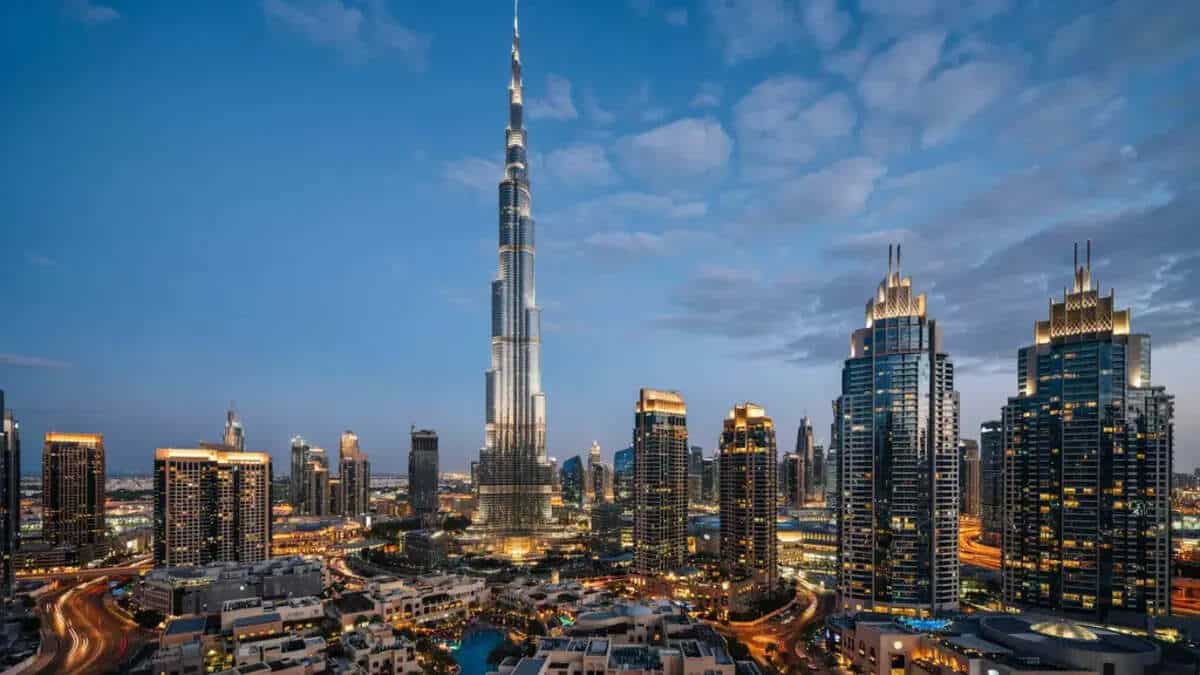
Image generated with Ai
The UAE and Gulf States saw 75 million tourists arrive in 2025 thanks to surging demand for travel. The UAE, Saudi Arabia and other Gulf states saw growth in tourism in 2025, with the Gulf Cooperation Council (GCC) region seeing close to 75 million visitors, as growing demand, increased connectivity and investment helped the sector see record-breaking numbers.
The Gulf Cooperation Council (GCC) witnessed a major expansion in tourism activity in 2025, with the six Gulf nations collectively attracting approximately 75 million tourist arrivals. The regional tourism sector recorded a 4.3 per cent year-on-year growth, highlighting the increasing global appeal of the Gulf as a destination for leisure, business, cultural and luxury travel.
The Gulf tourism sector entered a new era in 2025 as the UAE, Saudi Arabia and other GCC nations transformed record visitor demand into a major economic growth driver, with approximately 75 million tourists generating more than $180 billion in spending. The surge was not only reflected in rising arrivals but also in the expansion of luxury hospitality, cultural attractions, aviation networks and regional travel connections across the UAE, Saudi Arabia, Qatar, Bahrain, Oman and Kuwait. Tourism has increasingly become a strategic pillar for Gulf economies, contributing $254 billion and accounting for 11.4 per cent of GCC GDP while supporting investment, employment and long-term development plans.
| GCC Tourism Performance Indicator | 2025 Figures |
|---|---|
| Total tourist arrivals | Approximately 75 million visitors |
| Annual tourism growth | 4.3 per cent increase compared with 2024 |
| Tourism spending | More than $180 billion |
| Tourism spending in 2020 | Around $87 billion |
| Intra-GCC tourist movement | More than 20 million travellers |
| Growth in intra-GCC tourism | Approximately 3.6 per cent year-on-year |
| Tourism contribution to GCC economy | $254 billion |
| Share of GCC GDP | 11.4 per cent |
GCC Tourism Growth Powered by Six Gulf Destinations
The 75 million tourist arrivals recorded in 2025 represent the combined performance of all six GCC member countries. Each destination has developed a unique tourism identity, attracting travellers through different experiences ranging from luxury resorts and modern cities to heritage sites, beaches and natural landscapes.
Advertisement
Advertisement
UAE Strengthens Position as a Global Tourism Hub
The United Arab Emirates (UAE) continued to strengthen its position as one of the world’s leading tourism destinations. The country’s tourism appeal has been built around international connectivity, luxury hospitality, entertainment attractions and cultural experiences.
Dubai and Abu Dhabi remained major gateways for international travellers, offering iconic landmarks, shopping destinations, business events, theme parks, desert experiences and waterfront attractions. The UAE’s advanced aviation network has also supported its role as a key stopover and holiday destination between Europe, Asia and other global markets.
Advertisement
Advertisement
The country’s diverse tourism products have allowed visitors to combine luxury experiences with cultural exploration, creating stronger demand among international and regional travellers.
Saudi Arabia Expands Tourism Through Heritage and New Experiences
Saudi Arabia emerged as another major force behind GCC tourism growth. The kingdom has accelerated tourism development through large-scale projects, heritage promotion and efforts to introduce new leisure experiences.
Advertisement
Advertisement
Historic destinations, cultural attractions, coastal tourism and entertainment developments have contributed to Saudi Arabia’s growing tourism profile. Cities such as Riyadh, Jeddah, AlUla and other destinations have attracted travellers seeking heritage, adventure, business and cultural experiences.
The country’s tourism expansion has also been supported by improved visitor accessibility and the development of new attractions designed to appeal to international markets.
Qatar Builds Global Appeal Through Culture and Events
Qatar continued to enhance its tourism position by combining modern infrastructure with cultural experiences. Doha has become a key destination for travellers interested in museums, waterfront attractions, luxury hotels and international events.
The country’s tourism strategy has focused on attracting visitors through sports, culture, hospitality and premium travel experiences. Qatar’s modern airport infrastructure and international airline connectivity have further supported visitor growth.
Advertisement
Advertisement
Bahrain Promotes Heritage and Island Experiences
Bahrain contributed to the GCC tourism landscape through its combination of history, culture and island-based experiences. The country has attracted visitors interested in ancient heritage, traditional markets, marine activities and cultural attractions.
Bahrain’s compact geography allows travellers to experience historical locations, modern entertainment and coastal attractions within short distances, making it an attractive destination for regional and international visitors.
Oman Highlights Nature, Adventure and Cultural Tourism
Oman has developed a distinct tourism identity based on natural landscapes, traditional culture and outdoor experiences. Mountains, deserts, coastline and historic sites continue to attract travellers seeking authentic Gulf experiences.
The country’s tourism appeal has been shaped by destinations offering adventure activities, heritage exploration and nature-based travel. Oman provides an alternative Gulf experience focused on tranquillity, landscapes and cultural discovery.
Kuwait Expands Cultural and Urban Tourism Opportunities
Kuwait continues to strengthen its tourism offering through urban attractions, cultural experiences and heritage sites. The country provides visitors with opportunities to explore architecture, museums, traditional markets and Gulf culture.
With growing interest in regional travel, Kuwait remains an important part of the GCC tourism network by offering visitors a different perspective of Gulf history and modern development.
Advertisement
Advertisement
Tourism Spending Surpasses $180 Billion Across the Gulf
The financial impact of tourism reached a significant level in 2025, with tourism spending exceeding $180 billion across the GCC countries.
The increase compared with approximately $87 billion in 2020 demonstrates the rapid recovery and expansion of the Gulf travel sector. Rising international arrivals, domestic tourism growth and increased demand for premium travel experiences contributed to stronger tourism revenues.
Luxury tourism, business travel, cultural tourism and regional holiday demand have all played important roles in strengthening tourism-related economic activity.
The sector’s contribution has extended beyond hotels and airlines, supporting restaurants, retail businesses, transportation providers, entertainment companies and local communities.
Tourism Contributes $254 Billion to GCC Economy
Tourism became a major economic contributor in 2025, generating a combined direct and indirect economic impact of $254 billion.
The sector represented 11.4 per cent of GCC GDP, exceeding the reported global tourism contribution average of 10.3 per cent.
Advertisement
Advertisement
| Economic Impact Area | 2025 Contribution |
|---|---|
| Direct and indirect tourism contribution | $254 billion |
| GCC GDP contribution | 11.4 per cent |
| Global tourism GDP average | 10.3 per cent |
The figures highlight how tourism has moved beyond a supporting industry and become a strategic economic sector for Gulf countries.
Regional Travel Between GCC Countries Supports Tourism Demand
Domestic and regional travel played an important role in the Gulf tourism expansion. More than 20 million intra-GCC tourists travelled within the region in 2025, representing an increase of approximately 3.6 per cent compared with 2024.
Travel between neighbouring Gulf countries has become an important segment, supported by geographical proximity, cultural connections and improved transport links.
Regional visitors contribute significantly to hotels, attractions, restaurants and entertainment venues, helping maintain tourism activity throughout the year.
Gulf Countries Strengthen Connectivity Through Regional Cooperation
Tourism growth has also depended on maintaining reliable travel connections between GCC destinations. Coordination between Gulf countries has become increasingly important as international travel conditions continue to evolve.
During periods of aviation and travel disruption, regional cooperation helped maintain connectivity and support continuity across the Gulf travel network.
Advertisement
Advertisement
The Air Traffic Management Emergency Coordination Team conducted more than 65 meetings, supporting information sharing and coordinated decision-making among GCC countries.
| Regional Coordination Measure | Details |
|---|---|
| Emergency coordination meetings | More than 65 meetings held |
| Main focus | Information exchange and joint decisions |
| Purpose | Maintaining travel continuity |
| Sector supported | Aviation and regional connectivity |
This cooperation demonstrated the importance of collective action in protecting tourism flows and supporting traveller confidence.
Gulf Tourism Growth Creates a Stronger Global Travel Destination
The 2025 tourism performance reflects the growing influence of the GCC region in global travel. With approximately 75 million visitors, billions of dollars in tourism spending and a significant economic contribution, the Gulf has strengthened its position as a major international tourism market.
The UAE, Saudi Arabia, Qatar, Bahrain, Oman and Kuwait each contribute different experiences to the regional tourism ecosystem. Together, they showcase a combination of modern cities, luxury hospitality, cultural heritage, natural landscapes and business opportunities.
The UAE and Gulf states’ tourism industry witnessed 75 million visitors in 2025 as increased connectivity, growing visitor expenditure, and an extended range of tourism offerings drove regional traffic. The increased investments by the Gulf region in its attractions, hospitality, and aviation infrastructure further ensured its status as a preferred global tourism destination.
As the region’s tourism continues to grow, it will remain a preferred global tourism destination for years to come being able to offer diverse experiences to international tourists in a single integrated and rapidly evolving market.
Advertisement
