
Slovenia Follows Montenegro and More as Hidden Food Capitals Serve Europe’s Most Exciting Culinary Adventures

Published
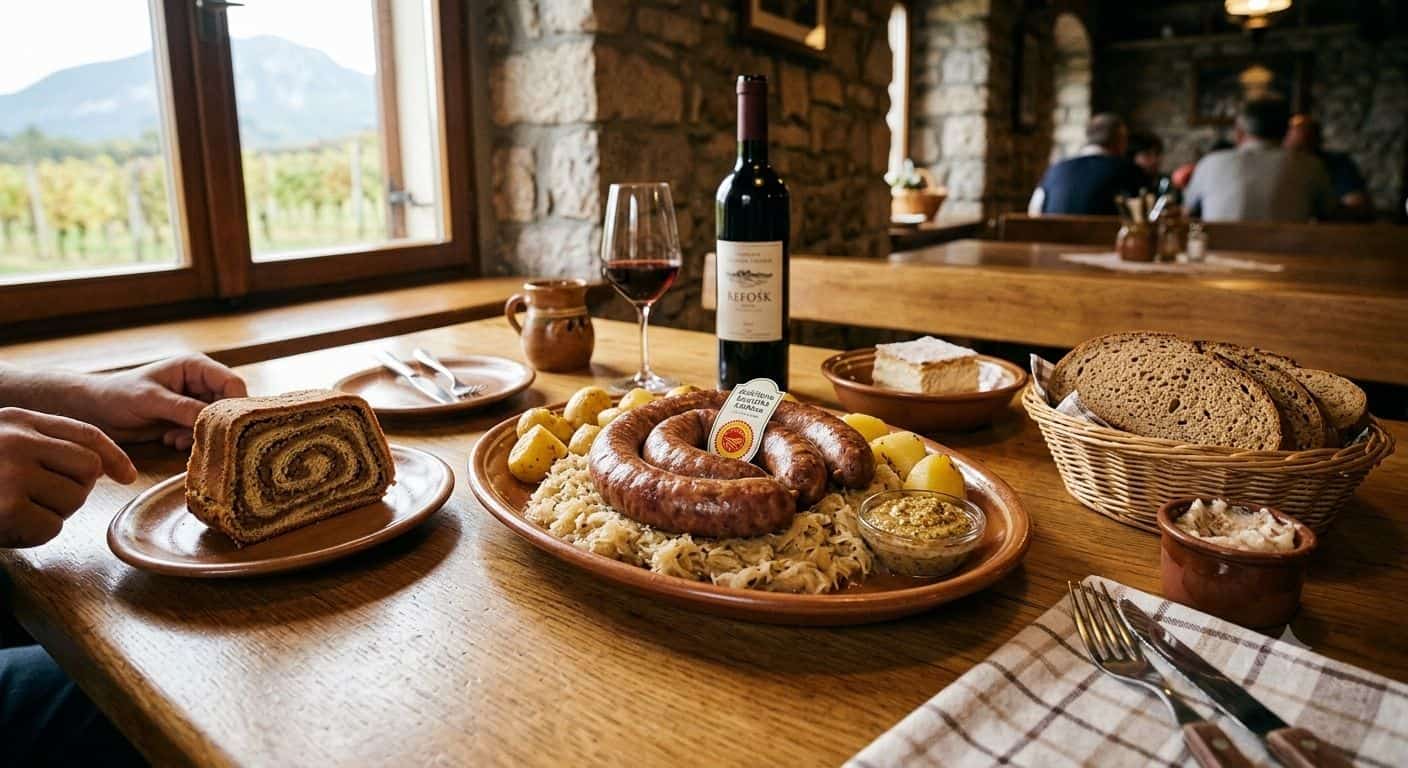
Slovenia follows Montenegro and more as the hidden food capitals of Europe invite global travellers to discover Europe’s most exciting culinary adventures. From traditional Slovenian specialities to Montenegro’s mountain delicacies, these destinations serve up unforgettable flavours, authentic recipes and remarkable food experiences. Moreover, Serbia, Albania and Bulgaria add their own culinary treasures to Europe’s diverse food scene. Travellers can explore bustling markets, family-run restaurants and regional dishes while enjoying historic towns and beautiful landscapes. As hidden food capitals gain attention, Travel And Tour World urges readers to explore this guide and uncover Europe’s most exciting culinary adventures for their next unforgettable getaway.
Europe’s Underrated Food Destinations Open New Routes for Culinary Travellers Seeking Authentic Local Flavours
Europe’s culinary appeal extends far beyond Italy, Greece and Portugal. Travellers searching for distinctive food experiences can discover traditional dishes, regional markets, family-run restaurants and local producers in Slovenia, Montenegro, Albania and other less-publicised destinations. These countries offer opportunities to combine memorable meals with historic towns, mountain landscapes, coastal escapes and cultural discoveries.
Tourism statistics also help visitors understand how destinations are recovering and where travel demand is concentrated. However, tourist arrivals, accommodation arrivals and overnight stays measure different things. Comparing them correctly is essential when planning a food-focused holiday or evaluating the popularity of a destination.
According to Eurostat, tourist accommodation across the European Union recorded more than 3 billion overnight stays in 2024, demonstrating the scale of the region’s travel market. International visitors accounted for a substantial part of that activity.
Advertisement
Advertisement
The following guide highlights underrated European culinary destinations, recommended dishes, places to explore and practical itineraries. It also presents official tourism statistics where comparable figures are available, distinguishing verified data from information that should not be treated as a complete annual visitor count.
1. Slovenia: A Hidden European Destination for Alpine Food and Wine
Slovenia deserves greater attention from culinary travellers because it combines Alpine cooking, Mediterranean influences and Central European food traditions. Ljubljana is a practical starting point, with its riverside dining areas, Central Market and easy access to regional excursions. Visitors should look for štruklji, rolled dumplings with sweet or savoury fillings, potica, a traditional rolled cake, and dishes featuring local mushrooms, potatoes and seasonal produce. Lake Bled offers an opportunity to sample its famous cream cake while exploring lakeside walking routes. Travellers can also consider the wine-growing areas around Maribor and the Vipava Valley. For meals, prioritise traditional Slovenian restaurants, farm stays and winery tasting rooms, checking opening hours before travelling outside the cities. Official Slovenian statistics recorded 4,003,682 tourist arrivals in 2021, 5,868,138 in 2022, approximately 6.2 million in 2023 and 6,583,274 in 2024. The 2024 total represented a 6.3% increase over 2023.
Advertisement
Advertisement
Slovenia tourism statistics, 2021–2024
| Year | Tourist arrivals | Overnight stays | Context |
|---|---|---|---|
| 2021 | 4,003,682 | 11,251,158 | Recovery continued after pandemic restrictions |
| 2022 | 5,868,138 | 15,581,856 | Arrivals increased 46.6% year on year |
| 2023 | Approximately 6.2 million | More than 16.1 million | A new national tourism record at the time |
| 2024 | 6,583,274 | 16,853,075 | Arrivals increased 6.3% year on year |
Sources: Statistical Office of the Republic of Slovenia. Figures are for tourist accommodation statistics, not every person crossing the country’s borders. The 2023 totals are rounded as reported in the statistical release.
The figures show that Slovenia’s recorded accommodation arrivals increased by approximately 64.4% between 2021 and 2024. This calculation compares the published annual totals and should not be interpreted as a measure of culinary tourism alone. Foreign visitors generated about 73% of all overnight stays in 2024, with almost five million foreign arrivals recorded.
2. Montenegro: Mountain Cheese, Smoked Ham and Adriatic Seafood
Montenegro is a strong choice for travellers who want coastal scenery and mountain food traditions in the same holiday. Kotor provides a convenient base for exploring the Bay of Kotor, while Cetinje, Njeguši and the northern mountain region introduce visitors to different local ingredients. Try Njeguški pršut, a traditional smoked and cured ham, regional cheeses, kačamak, a hearty dish made with potatoes or cornmeal and dairy products, and freshwater fish around Lake Skadar. The National Tourism Organisation of Montenegro also promotes food routes that connect visitors with small farms, honey producers and cheesemakers. Travellers can look for traditional taverns and rural households rather than restricting meals to waterfront restaurants. The official statistical office recorded 2,606,854 tourist arrivals and 15,594,299 overnight stays in 2024. Foreign visitors accounted for 96.1% of the overnight stays recorded that year.
Montenegro tourism statistics
| Year | Tourist arrivals | Overnight stays | Data status |
|---|---|---|---|
| 2021 | Approximately 1.66 million | Approximately 9.8 million | Rounded figures from official statistical graphs |
| 2022 | Approximately 2.18 million | Approximately 12.4 million | Rounded figures from official statistical graphs |
| 2023 | Approximately 2.60 million | Approximately 16.3 million | Rounded figures from official statistical graphs |
| 2024 | 2,606,854 | 15,594,299 | Published annual total |
Source: Montenegro Statistical Office (MONSTAT), annual tourism release. The 2021–2023 figures above are approximate chart values; use the original annual releases for precision-sensitive comparisons.
The figures suggest that Montenegro’s recorded arrivals recovered considerably between 2021 and 2023, while the published 2024 overnight-stay total was lower than the rounded 2023 chart value. That distinction matters: arrivals measure registered visits, whereas overnight stays reflect the duration of accommodation use. The 2024 distribution also reveals a strong seaside focus, with 93.8% of overnight stays recorded at seaside resorts. Culinary travellers seeking a quieter experience can therefore consider inland villages, mountain areas and food routes beyond the busiest coastal centres.
3. Serbia: Traditional Taverns, Market Food and Regional Specialities
Serbia offers a rewarding culinary journey for visitors interested in hearty regional cooking, traditional taverns and wine-producing areas. Belgrade is an accessible starting point, particularly the historic Skadarlija district, where visitors can discover traditional dining and the city’s bohemian heritage. Along the Danube, Zemun offers riverside restaurants known for fish specialities. Travellers should try ćevapi, grilled minced-meat rolls, pljeskavica, a grilled meat patty, gibanica, a layered cheese pie, and ajvar, a roasted pepper spread. Kajmak, a rich dairy speciality, is another useful introduction to Serbian cuisine. For a countryside excursion, Sremski Karlovci and nearby wine areas offer opportunities to combine tastings with historic architecture. Serbia’s official tourism organisation also highlights regional products such as Homolje honey, Valjevo’s duvan čvarci and raspberries from the Arilje region.
Advertisement
Advertisement
For dining, look for established traditional restaurants, market stalls and wineries offering food pairings. Ask whether dishes are prepared locally and check seasonal menus before arranging a special trip. Serbia is especially suitable for a three- to five-day food itinerary that combines Belgrade’s dining scene with a regional excursion. A consistent five-year annual visitor series was not verified in the sources reviewed for this guide, so no unsupported totals are included.
4. Albania: Coastal Seafood and Traditional Food in Historic Towns
Albania is worth considering for travellers seeking Balkan food traditions, Mediterranean ingredients and historic destinations in one journey. Tirana offers a convenient urban base, while Berat and Gjirokastër provide atmospheric historic settings for meals and cultural excursions. Along the coast, visitors can look for grilled fish, seafood, seasonal vegetables and dishes influenced by the country’s regional traditions. Byrek, a savoury pastry filled with ingredients such as cheese or vegetables, is a useful introduction to everyday Albanian food. Travellers can also explore local dairy products, meat dishes and regional desserts in traditional eateries. A well-planned route might begin in Tirana, continue to Berat and finish with a coastal stay, allowing enough time for local restaurants and historic sites. Albania’s national statistical institute publishes tourism information covering accommodation establishments and cross-border movements. However, border entries include different types of travellers and should not automatically be treated as overnight tourist arrivals.
For a food-focused trip, ask accommodation providers about family-run restaurants and nearby producers. Travellers should check transport schedules between inland towns and coastal areas, particularly outside the peak summer season. A full five-year series of directly comparable annual tourist arrivals was not verified from the sources consulted, so individual annual figures are not invented here.
5. Bulgaria: Bakery Traditions, Mountain Cooking and Local Market
Bulgaria offers another option for visitors interested in traditional food without building an itinerary exclusively around Europe’s most famous culinary capitals. Sofia provides an accessible base for exploring city markets and restaurants, while Plovdiv combines historic neighbourhoods with opportunities to sample local cuisine. Travellers should look for banitsa, a baked pastry commonly prepared with cheese, and shopska salad, traditionally made with tomatoes, cucumbers, peppers and white cheese. Regional menus may also feature grilled meats, soups, yoghurt-based dishes and seasonal produce. The mountain areas offer a different atmosphere from the larger cities, making them useful additions to a longer food journey. A practical itinerary could combine two nights in Sofia, two nights in Plovdiv and an additional countryside excursion. Before departure, use official tourism resources to identify regional food events and confirm restaurant opening hours. A complete, consistent five-year annual arrival series was not verified in the sources used here, so a precise numerical comparison is omitted rather than estimated.
Five-year tourism statistics: What travellers should compare
The most useful comparison distinguishes registered accommodation activity from border crossings, day visitors and food tourism itself. These categories are not interchangeable.
| Indicator | What it measures | Why it matters to food travellers |
|---|---|---|
| Tourist arrivals at accommodation | Registered guest arrivals at covered establishments | Helps indicate demand for accommodation-based trips |
| Overnight stays | Nights spent in covered accommodation | Shows how long visitors stay, although not why they travel |
| International arrivals at borders | Entries by foreign citizens or other defined groups | Useful for understanding cross-border movements, but may include day trips |
| Restaurant visits | Visits to dining businesses, where measured | Can indicate dining demand, but is not consistently published across countries |
| Culinary-tourism participation | Trips or activities primarily motivated by food | The most directly relevant measure, but not available as a consistent national series for all five destinations |
Verified statistical reference points
| Destination | Latest verified annual indicator used here | Key comparison |
|---|---|---|
| Slovenia | 6,583,274 tourist arrivals in 2024 | 6.3% above the 2023 total |
| Montenegro | 2,606,854 tourist arrivals in 2024 | Foreign visitors generated 96.1% of overnight stays |
| European Union | More than 3 billion accommodation overnight stays in 2024 | An aggregate covering the entire EU, not only lesser-known destinations |
Sources: national statistical offices and Eurostat.
Advertisement
Advertisement
These figures provide useful context, but they cannot establish that one country is better for food travel than another. A country with fewer visitors may offer excellent regional cuisine, while a highly visited destination may have many less-explored food regions.
A seven-day European culinary itinerary
| Day | Suggested destination | Food experience | Additional activity |
|---|---|---|---|
| 1 | Ljubljana, Slovenia | Visit the Central Market and sample local pastries | Explore the old town |
| 2 | Lake Bled, Slovenia | Try Bled cream cake | Walk beside the lake |
| 3 | Kotor, Montenegro | Sample local seafood and regional cheese | Explore the historic old town |
| 4 | Njeguši or Cetinje, Montenegro | Discover smoked ham and mountain specialities | Visit traditional villages |
| 5 | Belgrade, Serbia | Try ćevapi, ajvar and kajmak | Explore Skadarlija |
| 6 | Sremski Karlovci, Serbia | Arrange a regional food and wine experience | Visit historic streets and vineyards |
| 7 | Return to the chosen departure city | Explore a market or enjoy a final local meal | Allow time for transport connections |
This itinerary crosses multiple countries and is best suited to travellers with suitable international transport connections. It is a planning framework, not a claim that every transfer can be completed comfortably within a single day. For a more relaxed holiday, spend the full week in one country or choose two neighbouring destinations.
Practical tips for planning an underrated food holiday
- Research local dishes: Learn the names of regional specialities before arriving.
- Choose the season carefully: Market produce, food festivals and rural businesses may operate seasonally.
- Book special experiences ahead: Winery visits, cooking classes and farm meals may require reservations.
- Check dietary requirements: Ask about ingredients, allergens and preparation methods.
- Use official statistics correctly: Compare the same indicator, time period and accommodation coverage across countries.
- Support local producers: Consider food markets, family-run restaurants and regional farms when available.
Conclusion
In conclusion, Slovenia follows Montenegro and more as Europe’s hidden food capitals invite global travellers to discover extraordinary culinary adventures beyond traditional tourist hotspots. From Slovenia’s regional specialities to Montenegro’s mountain cuisine, Serbia’s hearty dishes, Albania’s coastal flavours and Bulgaria’s traditional delicacies, every destination offers a distinctive taste of European culture. Moreover, local markets, family-run restaurants and authentic food experiences help visitors connect with regional traditions. These underrated destinations deserve consideration from travellers seeking memorable gastronomic holidays. Travel And Tour World encourages readers to explore these culinary treasures, plan meaningful food-focused journeys and experience Europe through its diverse flavours, local hospitality and unforgettable travel adventures.
Advertisement
