

What Makes Estonia’s Travel Industry to Rise with 4 Million International Tourists’ Arrival Despite Visa-Free Policy to 62 Countries?

Updated
Published
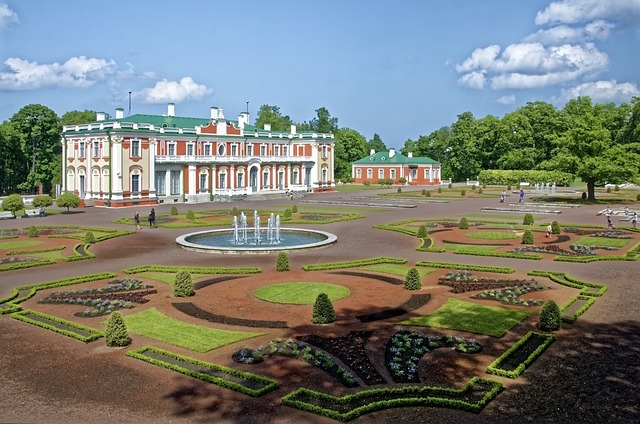 Image generated with Ai
Tourism plays a vital role in the economies of many countries around the world. Nations like Estonia and Ireland are prime examples of how strategic policies and rich cultural offerings can significantly boost the tourism sector. Both countries have embraced visa-free entry for numerous nations, making international travel more accessible and enticing. This comprehensive article delves into how Estonia and Ireland are leveraging their visa-free policies, attractions, and festivals to enhance their tourism industries and the broader economic impact this has on their GDP.
TTW Editor in Chief Mr. Anup Kumar Keshan said: “The implementation of Estonia visa-free policy for 70 countries, including Schengen nations, has been a transformative force for the tourism sector. This strategic move has not only simplified the entry process for millions but has also broadened our appeal across diverse travel sectors. Additionally, this policy has invigorated niche travel markets, such as culinary tourism, adventure travel, and wellness retreats, enriching the travel experience and fostering significant economic growth and cultural exchange.”
Advertisement
Advertisement
Estonia: Visa-Free Travel and Tourism
Estonia’s Visa-Free Entry Policy
Estonia has strategically positioned itself as a welcoming destination for global travelers by allowing visa-free entry to citizens of 62 countries. This list includes EU and Schengen nations, as well as countries like the United States, Canada, Japan, and Australia. This policy has made Estonia an attractive and accessible destination for international travelers, contributing significantly to its tourism sector.
- Schengen Area Nations: Austria, Belgium, Denmark, Finland, France, Germany, and others.
- Non-Schengen Countries: United States, Canada, Japan, South Korea, Australia, and more.
Estonia, known for its innovative economy and digital advancements, has shown impressive economic performance over the years. As of 2023, Estonia’s Gross Domestic Product (GDP) is estimated to be €40 billion. This represents a robust economic landscape supported by diverse sectors including technology, manufacturing, and services.
Advertisement
Advertisement
As of the latest information, Estonia allows visa-free entry to citizens from 62 countries. This policy facilitates easier access for tourists and business travelers from these countries, significantly boosting Estonia’s attractiveness as a travel destination.
Breakdown of Visa-Free Entry Countries
1. European Union (EU) and Schengen Area Nations:
Estonia, being part of the EU and Schengen Area, permits visa-free entry to all other member countries. This includes:
Advertisement
Advertisement
- Austria
- Belgium
- Bulgaria
- Croatia
- Cyprus
- Czech Republic
- Denmark
- Finland
- France
- Germany
- Greece
- Hungary
- Iceland
- Italy
- Latvia
- Liechtenstein
- Lithuania
- Luxembourg
- Malta
- Netherlands
- Norway
- Poland
- Portugal
- Romania
- Slovakia
- Slovenia
- Spain
- Sweden
- Switzerland
These nations benefit from the freedom of movement within the Schengen Zone, making travel to Estonia seamless and straightforward.
2. Other Countries:
In addition to EU and Schengen countries, Estonia grants visa-free access to several other countries, including:
- Andorra
- Argentina
- Australia
- Bahamas
- Barbados
- Bosnia and Herzegovina
- Brazil
- Brunei
- Canada
- Chile
- Colombia
- Costa Rica
- Dominica
- El Salvador
- Georgia
- Grenada
- Guatemala
- Honduras
- Hong Kong (SAR)
- Israel
- Japan
- Kiribati
- Macao (SAR)
- Malaysia
- Marshall Islands
- Mauritius
- Mexico
- Micronesia
- Moldova
- Monaco
- Montenegro
- New Zealand
- Nicaragua
- North Macedonia
- Palau
- Panama
- Paraguay
- Peru
- Saint Kitts and Nevis
- Saint Lucia
- Samoa
- San Marino
- Serbia
- Seychelles
- Singapore
- South Korea
- Taiwan
- Timor-Leste
- Tonga
- Trinidad and Tobago
- Tuvalu
- Ukraine
- United Arab Emirates
- United Kingdom
- United States
- Uruguay
- Vanuatu
- Vatican City (Holy See)
- Venezuela
These countries are granted visa-free entry for short stays, typically up to 90 days within a 180-day period, for purposes such as tourism, business, or family visits.
GDP Growth Rate
Despite global economic fluctuations, Estonia has maintained a steady GDP growth rate. In 2023, the country’s GDP growth was approximately 2.9%, reflecting its resilience and adaptability in the face of economic challenges. This growth is driven by strong performance in technology, exports, and a thriving tourism sector.
Sectoral Contributions to GDP
Estonia’s economy is diverse, with several sectors contributing significantly to its GDP:
- Services: The services sector is the largest contributor, accounting for about 70% of the GDP. This includes finance, real estate, IT, and tourism.
- Industry: Manufacturing and industry contribute around 26%, driven by electronics, machinery, and food production.
- Agriculture: Although a smaller part, agriculture still plays a role, contributing about 4% to the GDP.
Economic Impact of Tourism in Estonia
Tourism is a crucial component of Estonia’s economy, with significant contributions to GDP and employment. As of 2023, tourism accounted for approximately 8% of Estonia’s GDP, reflecting the sector’s importance to the national economy. The country welcomed around 4 million international tourists in 2023, underscoring its appeal as a travel destination.
Advertisement
Advertisement
Tourist Expenditure in Estonia
Tourist spending is a key economic driver, with visitors contributing significantly to Estonia’s revenue. In 2023, international tourists spent about €1.6 billion during their visits, with an average expenditure of €400 per visitor.
Estonia’s Major Tourist Attractions
Estonia is rich in natural beauty and historical significance, offering a wide array of attractions that draw millions of tourists annually. Here are some of the top destinations:
- Tallinn Old Town: A UNESCO World Heritage Site, known for its medieval architecture and vibrant market squares.
- Lahemaa National Park: Estonia’s largest national park, featuring forests, bogs, and coastal landscapes.
- Saaremaa Island: Estonia’s largest island, famous for its medieval castle and unspoiled nature.
- Tartu: The intellectual heart of Estonia, known for its university and cultural events.
- Pärnu: A popular seaside resort town with sandy beaches and a rich spa culture.
Cultural Festivals in Estonia
Estonia hosts a variety of festivals throughout the year, celebrating its rich cultural heritage and drawing visitors from across the globe. Key events include:
- Tallinn Old Town Days: Celebrating medieval heritage with concerts, markets, and performances.
- Laulupidu (Estonian Song Festival): One of the largest choral events in the world, held every five years.
- Õllesummer (Tallinn Beer Festival): The largest beer festival in Estonia, featuring a variety of local and international beers.
- Pärnu Film Festival: A documentary film festival focusing on cultural and social issues.
- Viljandi Folk Music Festival: Celebrating traditional folk music with performances from around the world.
Tourism’s Impact on Estonia’s Economy
Tourism is a cornerstone of Estonia’s economic strategy, playing a vital role in driving growth and creating employment opportunities. The sector’s contribution to the economy is multifaceted, encompassing direct spending by tourists and indirect benefits through supporting industries.
Contribution to GDP
In 2023, the tourism sector contributed approximately 8% to Estonia’s GDP. This significant contribution underscores the importance of tourism as a key economic driver, supporting various related industries such as hospitality, transportation, and retail.
Employment in Tourism
Tourism is a major employer in Estonia, providing jobs across a wide range of services. The sector supports around 50,000 jobs, which is about 7.5% of the total workforce. This includes positions in hotels, restaurants, travel agencies, and tourist attractions.
Advertisement
Advertisement
Tourist Arrivals
Estonia attracts millions of visitors each year, drawn by its rich cultural heritage, historic sites, and modern attractions. In 2023, Estonia welcomed approximately 4 million international tourists.
- Top Source Countries: Finland, Russia, Germany, Latvia, and the United Kingdom.
- Visitor Growth: The number of visitors has been steadily increasing, with a growth rate of about 5% annually over the past five years.
Tourist Expenditure
Tourist spending is a critical measure of the economic impact of tourism. In 2023, international tourists spent about €1.6 billion in Estonia.
- Average Spending per Visitor: Approximately €400.
- Primary Spending Areas: Accommodation, food and beverages, shopping, and cultural activities.
Major Tourist Attractions in Estonia
Estonia’s rich blend of natural beauty and historic charm makes it a sought-after destination. Here are some of the top tourist attractions that contribute to its thriving tourism industry:
Tallinn Old Town
Tallinn Old Town is a UNESCO World Heritage Site and one of the best-preserved medieval cities in Europe. Its cobblestone streets and historic buildings offer a captivating journey back in time.
- Highlights: Town Hall Square, Toompea Hill, Alexander Nevsky Cathedral.
- Visitor Information: The Old Town is accessible year-round and offers a variety of guided tours and cultural experiences.
Lahemaa National Park
Lahemaa National Park is Estonia’s largest national park, renowned for its diverse ecosystems, including forests, bogs, and coastal areas. It’s a haven for nature enthusiasts and offers numerous hiking trails and wildlife watching opportunities.
- Highlights: Viru Bog, Sagadi and Palmse Manors, Käsmu Village.
- Visitor Information: The park is open year-round, with visitor centers providing maps and information on activities.
Saaremaa Island
Saaremaa Island is Estonia’s largest island, offering a peaceful retreat with its picturesque landscapes and rich cultural heritage. It’s known for its medieval architecture and unique natural attractions.
Advertisement
Advertisement
- Highlights: Kuressaare Castle, Kaali Meteorite Crater, Sõrve Peninsula.
- Visitor Information: Accessible via ferry from the mainland, Saaremaa is a popular destination for both domestic and international tourists.
Tartu
Tartu is Estonia’s second-largest city and a cultural and intellectual hub. Home to one of the oldest universities in Northern Europe, Tartu is known for its vibrant arts scene and historical landmarks.
- Highlights: University of Tartu, Tartu Old Town, AHHAA Science Centre.
- Visitor Information: Tartu is a lively city with year-round cultural events and festivals.
Pärnu
Pärnu is Estonia’s premier seaside resort town, famous for its long sandy beaches, spa culture, and lively summer events. It’s a popular destination for relaxation and family vacations.
- Highlights: Pärnu Beach, Pärnu Mud Baths, Pärnu Old Town.
- Visitor Information: Pärnu offers a range of accommodation options and is best visited during the summer months for its beach and outdoor activities.
Cultural Festivals in Estonia
Estonia’s cultural calendar is filled with festivals that attract visitors from around the world. These events celebrate the country’s rich heritage and provide unique experiences for tourists.
Tallinn Old Town Days
Tallinn Old Town Days is the largest festival in Tallinn, celebrating the city’s medieval history. The event includes concerts, medieval markets, street performances, and historical reenactments.
- When: Late May to early June.
- Where: Tallinn Old Town.
- Visitor Information: The festival is free to attend, with many events taking place in public spaces.
Laulupidu (Estonian Song Festival)
Laulupidu is one of the largest choral events in the world, held every five years. It brings together thousands of singers to perform traditional Estonian choral music, celebrating the nation’s rich musical heritage.
- When: Every five years, the next festival is in 2025.
- Where: Tallinn Song Festival Grounds.
- Visitor Information: Tickets are required for the main events, and the festival draws large crowds, so early booking is recommended.
Õllesummer (Tallinn Beer Festival)
Õllesummer is Estonia’s largest beer festival, featuring a wide variety of local and international beers, live music, and entertainment. It’s a vibrant celebration of beer culture.
Advertisement
Advertisement
- When: July.
- Where: Tallinn Song Festival Grounds.
- Visitor Information: Tickets are available for purchase online and at the event. It’s a popular festival, so advance booking is advised.
Pärnu Film Festival
The Pärnu Film Festival is Estonia’s oldest documentary film festival, showcasing films that focus on cultural and social issues. It attracts filmmakers and audiences from around the world.
- When: July.
- Where: Pärnu.
- Visitor Information: The festival offers a range of screenings and events. Tickets can be purchased for individual screenings or as festival passes.
Viljandi Folk Music Festival
The Viljandi Folk Music Festival is one of the largest folk music festivals in the Baltic region, celebrating traditional music with performances from international and local artists.
- When: Late July.
- Where: Viljandi.
- Visitor Information: The festival is held in various venues throughout Viljandi, with tickets available for individual performances or as festival passes.
Both Estonia and Ireland exemplify how visa-free travel policies and vibrant cultural offerings can significantly enhance a country’s tourism sector. Estonia’s strategic visa-free policy and Ireland’s rich cultural heritage and stunning landscapes continue to attract millions of tourists each year. These influxes of international travelers contribute greatly to their economies, supporting GDP growth and employment. With their unique attractions and lively festivals, Estonia and Ireland remain top destinations for travelers worldwide, offering experiences that blend history, culture, and natural beauty.
Advertisement
