
Kenya’s Samburu Leads Intrepid’s 2027 Not Hot List As Lesser Known Destinations Gain Attention

Published
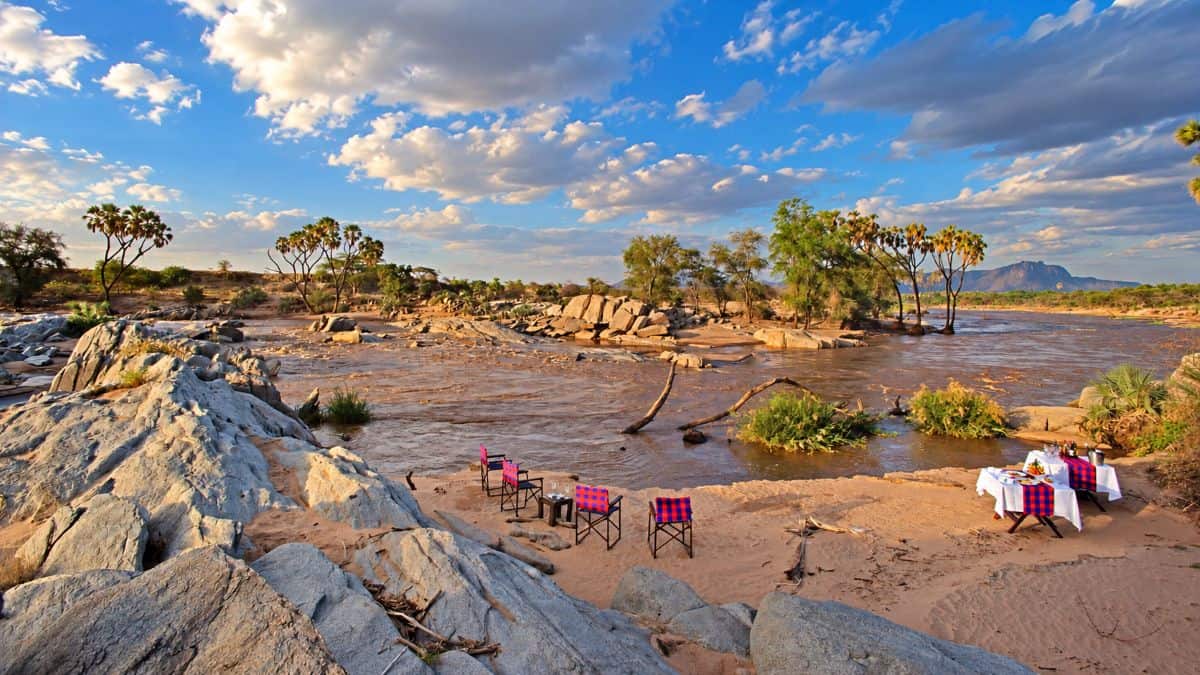
Kenya’s Samburu National Reserve has taken the leading position in Intrepid Travel’s 2027 Not Hot List, a selection of lesser-visited destinations identified for their potential to attract travellers while supporting local communities, conservation initiatives and tourism development. The annual list highlights ten destinations across Africa, Europe, Asia and the Americas, reflecting a growing interest in travel experiences beyond heavily visited holiday hotspots. Instead of focusing solely on established tourism centres, the selection draws attention to regions offering wildlife encounters, cultural heritage, outdoor adventure and distinctive landscapes.
Compiled with travel forecasting company Globetrender, the list combines local knowledge, tourism insights and information about infrastructure and visitor numbers. Intrepid Travel considered destinations that receive fewer visitors than comparable locations but possess opportunities for responsible tourism growth. New transport links, cultural events and tourism investments also contributed to the selection. The 2027 recommendations underline the importance of balancing visitor demand with environmental protection and community interests. For travellers planning future holidays, the destinations provide opportunities to explore less familiar regions while considering how their spending and activities affect local residents and ecosystems.
Advertisement
Advertisement
Samburu Takes The Lead In Intrepid’s 2027 Travel Selection
Samburu National Reserve in Kenya occupies the first position in Intrepid Travel’s 2027 Not Hot List. Located in northern Kenya, the reserve offers a wildlife experience distinct from the country’s more heavily visited safari destinations.
The reserve reportedly receives approximately 30,000 to 40,000 visitors annually, around one-tenth of the visitor numbers recorded by the Maasai Mara. Its comparatively lower visitor volume creates opportunities for travellers seeking wildlife experiences in a less crowded setting, although tourism growth must be managed carefully.
Advertisement
Advertisement
Samburu is known for its distinctive wildlife, including the Samburu Special Five. The group comprises Grevy’s zebra, reticulated giraffe, Somali ostrich, beisa oryx and gerenuk. Elephants, leopards and other species also contribute to the reserve’s biodiversity.
Community-led tourism initiatives play an important role in connecting visitor spending with conservation and local services. The long-term value of tourism depends on how effectively revenue supports communities and protects natural habitats.
Advertisement
Advertisement
Ten Destinations Featured In The 2027 Not Hot List
Intrepid Travel’s selection includes destinations offering different experiences, from mountain tourism and marine conservation to cultural exploration and long-distance road travel.
| Position | Destination | Country | Main Travel Appeal |
|---|---|---|---|
| 1 | Samburu National Reserve | Kenya | Wildlife and community-led conservation |
| 2 | Mestia | Georgia | Mountain villages, hiking and skiing |
| 3 | Northern Highlands | Jordan | Roman heritage, forests and mountain trails |
| 4 | Whitehorse | Canada | Northern lights, adventure and First Nations culture |
| 5 | Alonnisos | Greece | Marine conservation and underwater heritage |
| 6 | Dili | Timor-Leste | Reefs, beaches and cultural experiences |
| 7 | Pekoe Trail | Sri Lanka | Tea landscapes, walking and rural communities |
| 8 | Liepāja | Latvia | Cultural events, beaches and musical heritage |
| 9 | Carretera Austral | Chile | Patagonian fjords, glaciers and forests |
| 10 | Dalsland | Sweden | Lakes, cycling, kayaking and outdoor tourism |
The destinations represent a broad range of travel interests, highlighting how emerging tourism opportunities extend beyond traditional city breaks and established attractions.
Georgia And Jordan Offer Cultural And Mountain Experiences
Mestia in Georgia ranks second on the list. The mountain town is surrounded by traditional settlements and medieval defensive towers associated with the UNESCO-listed Upper Svaneti region. Improved accessibility and tourism investment are supporting the development of hiking and skiing experiences across different seasons.
Jordan’s Northern Highlands occupy third place, offering an alternative perspective on a country frequently associated with Petra and Wadi Rum. The region combines Roman archaeological remains, forest reserves and mountain trails, creating opportunities for visitors interested in history and nature.
These destinations demonstrate the potential for tourism to distribute visitor activity across a wider geographical area. However, expansion requires suitable infrastructure, protection of heritage sites and meaningful engagement with local communities.
Canada And Greece Highlight Nature Based Tourism
Whitehorse in Canada’s Yukon territory ranks fourth. The destination attracts visitors through its northern landscapes, opportunities to observe the aurora borealis and a range of hiking and winter activities.
Advertisement
Advertisement
A developing Arctic tourism initiative aims to expand community-led cultural, wildlife and adventure experiences. Guided activities can also introduce travellers to the history and traditions of Yukon First Nations. Responsible tourism in the region requires respect for Indigenous communities and consideration of the environmental sensitivity of northern ecosystems.
Alonnisos in Greece ranks fifth, with its marine environment forming a central part of its tourism appeal. The island reportedly welcomed approximately 70,000 visitors in 2024, compared with around 500,000 on nearby Skiathos.
Located within Europe’s largest marine protected area, Alonnisos provides habitat for the endangered Mediterranean monk seal. Visitors can also explore the Peristera shipwreck, recognised as Greece’s first underwater museum. Recycling, desalination, renewable energy and biowaste management projects are intended to support more sustainable tourism development.
Timor Leste And Sri Lanka Expand Cultural Travel Opportunities
Dili, the capital of Timor-Leste, occupies sixth place. Improved air connections are helping make the country more accessible, while the capital provides a gateway to beaches, coral reefs and mountainous landscapes.
The Tais Market offers visitors an opportunity to discover traditional woven textiles and local cultural practices. Tourism development in Timor-Leste presents opportunities for economic diversification, although connectivity and infrastructure remain important considerations for future growth.
Sri Lanka’s Pekoe Trail ranks seventh. The approximately 300-kilometre walking route includes 22 stages through tea estates, forests and rural communities.
Advertisement
Advertisement
The trail creates opportunities for travellers to engage with local guides, farmers, cafés, craftspeople and guesthouses. Walking tourism can distribute visitor spending across smaller communities, particularly when itineraries are developed with local participation and environmental safeguards.
Latvia, Chile And Sweden Complete The Selection
Liepāja in Latvia takes eighth place and is scheduled to host more than 500 events as a European Capital of Culture in 2027. The city combines Baltic coastal scenery, musical heritage and a former military district, offering visitors experiences beyond the Latvian capital.
Chile’s Carretera Austral ranks ninth. Stretching approximately 1,240 kilometres through northern Patagonia, the route passes fjords, glaciers and forests. Its remote geography creates strong appeal for adventure travellers, while also requiring careful planning around road conditions, services and environmental protection.
Dalsland in Sweden completes the list. The region is known for its lakes, forests, kayaking, cycling and wild camping. A direct Malmö–Oslo railway service introduced in 2026 has improved accessibility, according to the supplied report.
Dalsland recorded approximately 320,000 visitors in 2025, compared with nearly 16 million for Stockholm. The contrast illustrates the significant difference between visitor concentrations in major urban destinations and less densely visited regions.
Responsible Tourism Remains Central To Destination Growth
Promoting lesser-visited destinations can help distribute tourism spending, but increased attention may also create pressure on communities, infrastructure and ecosystems.
Advertisement
Advertisement
Globetrender founder Jenny Southan highlighted the importance of ensuring that tourism growth does not overwhelm local communities or natural environments. This consideration is particularly relevant for destinations with limited transport networks, fragile ecosystems or developing visitor services.
Previous editions of the Not Hot List reportedly contributed to increased interest in destinations such as Gilgit-Baltistan in Pakistan and Kyrgyzstan. Intrepid Travel stated that bookings to Pakistan rose by 67% after the region appeared on an earlier list, while Kyrgyzstan bookings increased by 62%.
The company has also introduced five new itineraries connected to the 2027 selection, covering Kenya, Canada, Sri Lanka, Jordan and Georgia. These developments indicate how destination recommendations can influence travel demand and product development.
For travellers, responsible decision-making involves researching local customs, choosing community-based services where possible, respecting protected areas and avoiding activities that place unnecessary pressure on natural or cultural resources.
FAQs
1. What Is Intrepid Travel’s 2027 Not Hot List?
It is an annual selection of lesser-visited destinations identified for their potential to welcome more travellers while supporting local communities, conservation and tourism development.
Advertisement
Advertisement
2. Which Destination Leads The 2027 Not Hot List?
Kenya’s Samburu National Reserve occupies the first position.
3. Why Is Samburu National Reserve Notable For Wildlife Tourism?
The reserve is known for the Samburu Special Five, including Grevy’s zebra, reticulated giraffe, Somali ostrich, beisa oryx and gerenuk.
4. How Many Visitors Does Samburu Receive Annually?
The supplied report estimates that Samburu receives approximately 30,000 to 40,000 visitors each year.
Advertisement
Advertisement
5. Which Georgian Destination Appears On The List?
Mestia, a mountain town associated with the UNESCO-listed Upper Svaneti region, ranks second.
6. What Makes Alonnisos Important For Sustainable Tourism?
Alonnisos is located within a major marine protected area and supports conservation initiatives involving marine biodiversity and sustainable infrastructure.
7. What Is The Pekoe Trail In Sri Lanka?
The Pekoe Trail is an approximately 300-kilometre walking route consisting of 22 stages through tea estates, forests and rural communities.
Advertisement
Advertisement
8. Which Destination Hosts European Capital Of Culture Events In 2027?
Liepāja in Latvia is scheduled to host more than 500 events as a European Capital of Culture in 2027.
9. What Is Carretera Austral Known For?
Chile’s Carretera Austral is known for its long-distance route through Patagonian fjords, glaciers and forests.
10. Why Is Responsible Tourism Important In Emerging Destinations?
Responsible tourism can support local economies and conservation while reducing the risks of overcrowding, environmental damage and pressure on community infrastructure.
Advertisement
