
City of Charleston Unites Santa Monica, Los Angeles and More US Cities Preparing New Tourism Model and Plans to Walk Beyond Traditional Marketing

Updated
Published
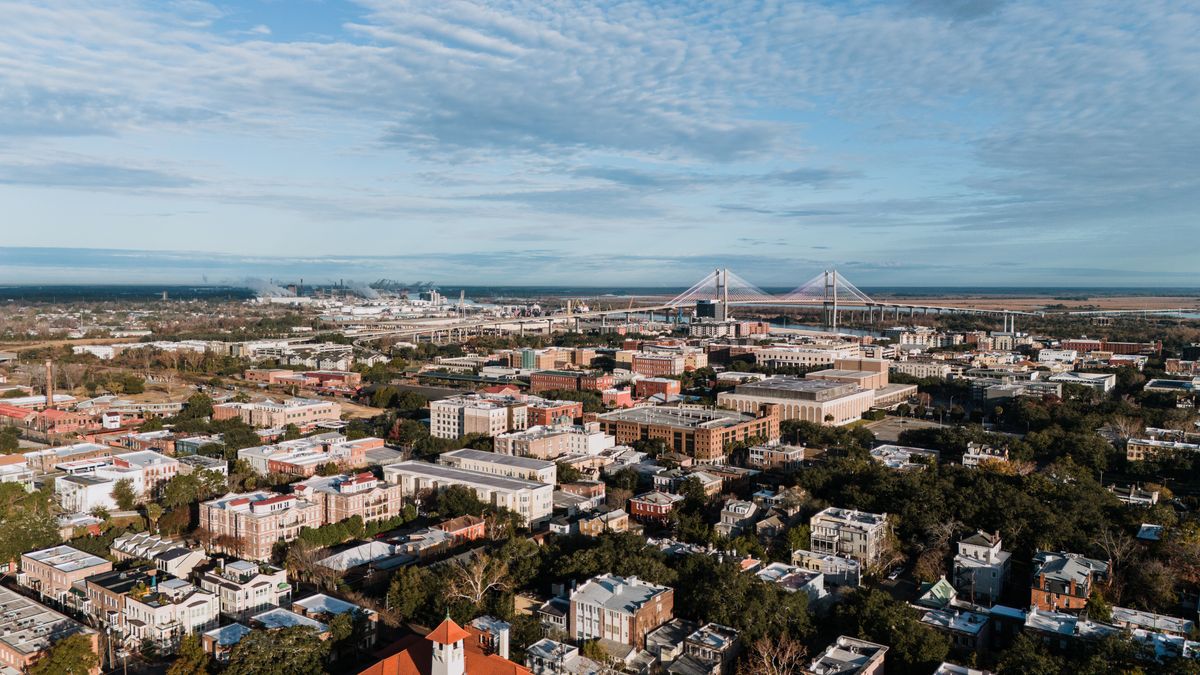
City of Charleston unites with Santa Monica, Los Angeles and more US cities preparing a new tourism model, with plans to walk beyond traditional marketing and reshape visitor management. The City of Charleston is preparing a new tourism management plan as US destinations increasingly move beyond traditional visitor marketing and towards managing the economic, transport and community pressures created by tourism.
City of Charleston unites with Santa Monica, Los Angeles and more US cities preparing a new tourism model. Together, these destinations are developing plans to walk beyond traditional marketing. Instead, cities are focusing on residents, congestion, visitor flows and local businesses. This shift is reshaping how US destinations manage tourism and growth. Charleston’s latest planning process is examining traffic, congestion, tourism revenues, resident quality of life and the distribution of visitors, while cities and destinations including Savannah, Los Angeles, Santa Monica, Whitefish, Jackson Hole and Oʻahu are pursuing comparable approaches.
Advertisement
Advertisement
The emerging trend reflects a broader change in destination management, with tourism increasingly being treated as part of a city’s wider planning framework rather than simply as an economic development or promotional activity.
Charleston Tourism Plan Focuses on Managing Visitors, Traffic and Resident Needs
The City of Charleston is developing a new tourism management plan aimed at addressing visitor congestion, traffic, tourism revenues and resident concerns, while exploring ways to spread tourism activity beyond the historic peninsula. The initiative forms part of the city’s broader effort to prepare a new peninsula plan and is being shaped through a series of public open studio days. Residents and other members of the public are being invited to review emerging ideas, raise concerns and provide feedback before a complete draft is presented in November.
Advertisement
Advertisement
Charleston’s tourism planning has a long history. The city says it was the first US city to develop a tourism management plan, beginning in 1978, and the current process represents the fourth update, following the previous plan in 2015.
The latest initiative is being developed alongside the city’s peninsula planning work. Public open studio sessions have been held since July, allowing residents and other stakeholders to examine emerging ideas and provide comments before a complete draft is expected in November.
Advertisement
Advertisement
Amy Southerland, Charleston’s Director of Livability and Tourism, has emphasised that the initiative is fundamentally different from tourism marketing. The objective is to determine how the city can manage the visitors who already arrive while balancing their presence with the needs of residents and local businesses.
The planning process is examining congestion, traffic and tourism-related revenues, while also considering whether visitor activity can be distributed more widely across the city.
Advertisement
Advertisement
Why Is Charleston Updating Its Tourism Management Plan?
Charleston has a long history of formal tourism planning. According to Amy Southerland, the city’s Director of Livability and Tourism, Charleston was the first city to establish a tourism management plan, with the original plan dating back to 1978.
The current process represents the fourth update of that plan. The previous version was completed in 2015, making the latest review an important opportunity for the city to reassess how tourism has changed and how visitor activity affects the community more than a decade later.
Rather than focusing solely on attracting additional visitors, the new approach is centred on managing the tourism activity already taking place across Charleston.
How Is Charleston Addressing Tourism Pressure?
Tourism management is being examined through the lens of several issues that directly affect daily life in Charleston. These include congestion, traffic and tourism revenues, with the city also drawing on the expertise of outside specialists as it evaluates the current tourism environment.
Advertisement
Advertisement
Southerland said these issues have consequences for people who live in Charleston, making residents a central consideration in the planning process.
The approach reflects a shift from tourism promotion towards destination management. Charleston already attracts visitors, and the city is therefore examining how visitor numbers and activity can be managed while maintaining the quality of life for residents and supporting local businesses.
Why Are Residents Central to the Tourism Strategy?
The city has emphasised that tourism management should not be confused with conventional destination marketing. The objective is not simply to persuade more people to visit Charleston, but to determine how existing visitor flows can be managed effectively.
Southerland explained that the city knows visitors are coming and cannot prevent tourism activity from taking place. Instead, officials are considering how tourists, residents and local businesses can coexist while reducing pressures associated with high visitor volumes.
This places the interests of the local community at the centre of the planning discussion. Issues such as traffic, congestion and the use of tourism-generated revenues are therefore being considered alongside the economic contribution made by visitors.
US cities and destinations doing something similar
| City / Destination | What it is doing | Similarity to Charleston |
|---|---|---|
| Savannah, Georgia | Operates a formal Tourism Management Plan designed to balance resident needs with tourism-industry interests. | Very high |
| Los Angeles, California | Tourism Master Plan focuses on resident quality of life, resident sentiment, visitor mobility, neighbourhood tourism and reducing visitor car use. | High |
| Santa Monica, California | Developed a 10-year Experience Management Plan covering residents, visitors, businesses and the workforce. | High |
| Whitefish, Montana | Developing sustainable tourism management around overcrowding, transportation, affordability and protecting community character. | Very high |
| Jackson Hole, Wyoming | Adopted a Sustainable Destination Management Plan focused on community wellbeing, growth management and balancing residents, businesses and visitors. | Very high |
| Minneapolis, Minnesota | Its 10-year destination master plan links tourism development with economic growth, neighbourhood experiences and residents’ quality of life. | Moderate–high |
| Oʻahu, Hawaii | Destination Management Action Plan addresses visitor hotspots, congestion, resident quality of life and dispersing visitor experiences. | High |
| Lancaster, Pennsylvania | Tourism planning addresses uneven geographic visitor distribution, congestion, parking, transport and neighbourhood connectivity. | High |
| Hocking Hills, Ohio | Destination stewardship planning examines visitor pressure, road capacity, tourism development, overcrowding and residents’ access to attractions. | High |
Savannah: How Is Charleston’s Historic Southern Peer Managing Tourism?
Savannah, Georgia, provides one of the closest comparisons with Charleston. The City of Savannah’s Tourism Management Plan was created to establish a framework for balancing the interests of residents with those of the tourism industry.
Advertisement
Advertisement
The plan addresses the consequences of tourism within a historic city where visitor activity is closely intertwined with residential neighbourhoods, businesses, streets and public spaces.
Savannah’s experience demonstrates why tourism management can become a municipal planning issue rather than a responsibility limited to destination marketing organisations. Managing visitor activity requires consideration of transportation, infrastructure, neighbourhood conditions, economic benefits and the experiences of residents.
For Charleston, the comparison is particularly relevant because both cities depend heavily on historic character and cultural tourism while facing the practical consequences of large visitor flows.
Los Angeles: Can Tourism Be Spread Across More Neighbourhoods?
Los Angeles, California, has adopted a broader destination-planning approach through its Tourism Master Plan.
The plan considers the relationship between tourism and the quality of life experienced by local residents and businesses. Among its areas of focus are neighbourhood tourism, visitor mobility, wayfinding, visitor behaviour and reducing dependence on private vehicles.
Los Angeles presents a different urban model from Charleston, but the underlying issue is comparable. Tourism can become concentrated around recognised attractions even when a destination contains numerous other neighbourhoods and communities capable of hosting visitor activity.
Advertisement
Advertisement
Charleston is considering a similar geographical question by examining opportunities to draw tourists beyond the peninsula towards Daniel Island, Johns Island and James Island.
Santa Monica: Why Is Resident Experience Part of Tourism Planning?
Santa Monica, California, has adopted an Experience Management Plan covering a 10-year period.
The plan takes a broad view of the destination experience, bringing residents, businesses, visitors and the local workforce into the planning conversation.
This approach is significant because it treats tourism as an activity that affects several groups simultaneously. A destination can benefit economically from visitors while also experiencing pressure on public spaces, transportation, accommodation, infrastructure and neighbourhoods.
Charleston’s current planning process similarly places residents alongside visitors and local businesses, reflecting a growing recognition that tourism policy cannot be separated completely from everyday urban life.
Whitefish: How Is a Montana Resort Community Addressing Tourism Pressure?
Whitefish, Montana, offers another example of a destination attempting to manage tourism growth while protecting community interests. The city has developed sustainable tourism planning around issues including transportation, affordability, overcrowding and community character.
Advertisement
Advertisement
The City of Whitefish has used community engagement as part of its tourism planning process, allowing local stakeholders to participate in discussions about the future direction of tourism.
Whitefish differs substantially from Charleston in size, geography and tourism profile, but the planning challenge is similar. Tourism produces economic activity, yet visitor growth can also increase pressure on roads, accommodation, public services and the wider community.
Jackson Hole: Can Tourism Growth Be Balanced With Community Wellbeing?
Jackson Hole, Wyoming, has also developed a destination stewardship approach that considers tourism alongside wider community objectives.
The Jackson Hole Travel & Tourism Board has promoted sustainable destination management involving community wellbeing, environmental considerations and the economic importance of tourism.
The Jackson Hole model illustrates the growing use of the term destination stewardship, which goes beyond promoting a place and focuses on maintaining the conditions that make the destination attractive and liveable.
For Charleston, this concept is relevant because its tourism appeal depends heavily on the historic character and liveability of the city itself.
Advertisement
Advertisement
Oʻahu: How Is Hawaii Tackling Congestion and Visitor Concentration?
Oʻahu, Hawaii, provides another major example of visitor-management planning. The Oʻahu Destination Management Action Plan focuses on improving residents’ quality of life while maintaining a positive visitor experience.
The plan addresses visitor hotspots, congestion and the distribution of visitor activity, while also encouraging travellers to engage with a broader range of communities, cultural experiences and destinations.
That makes Oʻahu particularly relevant to Charleston’s consideration of tourism beyond the peninsula. Both approaches recognise that concentrating visitors in a limited number of locations can create pressure, while broader distribution can potentially create opportunities elsewhere.
Lancaster: Why Does Visitor Distribution Matter?
Lancaster, Pennsylvania, has also incorporated tourism into broader destination planning. Its tourism master planning work examines issues including visitor distribution, congestion, parking, transportation and connections between different parts of the destination.
The Lancaster example highlights a critical aspect of modern tourism management: attracting visitors is only one part of destination strategy. Cities must also consider where visitors go, how they travel, where they stay and how their presence affects existing communities.
That question is increasingly important for Charleston as officials examine whether tourism can be distributed more widely across the city.
Advertisement
Advertisement
City-wise US Tourism Marketing Plans: 2024–2026
| City | Year / Plan | Main direction | Relevance to Charleston |
|---|---|---|---|
| Charleston, South Carolina | 2026 Tourism Management Plan update | Visitor management, congestion, traffic, tourism revenues, residents and dispersing tourism beyond the peninsula | Very high |
| Los Angeles, California | Tourism Master Plan | Sustainable tourism, resident sentiment, neighbourhood tourism, visitor mobility and destination management | Very high |
| Santa Monica, California | Experience Management Plan | Long-term stewardship of the resident and visitor experience | Very high |
| Denver, Colorado | 2025 Tourism Roadmap | 10-year destination strategy, smart tourism growth, product development and resident quality of life | Very high |
| Seattle, Washington | 2025–2027 Strategic Plan; 2026–2028 Strategic Plan | Destination stewardship, community engagement, sustainable visitor growth, marketing and economic impact | High |
| Portland, Oregon | 2024–2026 Strategic Plan; 2026–2028 Strategic Plan | Destination appeal, leisure travel, visitor experience, equity and convention business | High |
| Minneapolis, Minnesota | Destination Minneapolis master plan + 2026 strategy | Long-term visitor economy, destination development, neighbourhoods, events and marketing | High |
| Lancaster, Pennsylvania | 2026–2028 Tourism Plan | Destination management, unified branding, visitor infrastructure, neighbourhoods and local businesses | Very high |
| Sedona, Arizona | 2024–2025 Tourism Plan | Responsible visitation, stewardship, community engagement and economic vitality | Very high |
| Savannah, Georgia | Tourism Management Plan | Balancing tourism with resident needs and managing visitor impacts | Very high |
| New York City, New York | 2024 strategic priorities | Global marketing, five-borough distribution, visitor demand and business events | Moderate–high |
| Washington, DC | 2026 sales and marketing strategy | Global marketing, resident storytelling, major events and destination perception | Moderate–high |
| Philadelphia, Pennsylvania | 2025–2026 destination development/marketing | Neighbourhood tourism, small businesses, authentic experiences and destination development | High |
| Scottsdale, Arizona | FY2026–27 Old Town Marketing Plan | City-led marketing, visitor conversion, local businesses, experiences and campaigns | High |
| Carmel-by-the-Sea, California | 2024–2027 marketing services strategy | Destination branding and promotion through Visit Carmel | Moderate |
| Hilton Head Island, South Carolina | 2024–25, 2025–26 and 2026–27 Destination Marketing Plans | Data-led destination marketing, residents, local economy and responsible promotion | High |
| Bluffton, South Carolina | 2024–25, 2025–26 and 2026–27 plans | Destination marketing, visitor economy and regional tourism | Moderate–high |
| Fayetteville, Arkansas | 2026 Tourism Marketing & Sales Plan | Sustainable tourism growth, community engagement and destination development | High |
| Daytona Beach, Florida | 2024–25 Marketing Plan | Visitor experience, local community, economic impact and destination marketing | Moderate–high |
What Does the US Tourism Management Trend Mean for Charleston?
The examples from Savannah, Los Angeles, Santa Monica, Whitefish, Jackson Hole, Oʻahu and Lancaster point towards a wider transformation in US destination management.
Research from the George Washington University International Institute of Tourism Studies examined 35 US destination stewardship and management plans. Its research found that resident quality of life was prioritised in 94% of the plans studied, while housing affordability and/or overcrowding appeared in 77%.
The findings indicate that destination organisations are increasingly becoming involved in issues traditionally associated with local government, urban planning and community development.
Charleston’s latest tourism management effort therefore arrives amid a broader national conversation about how destinations can capture the economic benefits of tourism without allowing visitor activity to overwhelm the communities that host it.
Charleston’s Next Step Comes in November
The next stage of Charleston’s process will be continued public engagement before the complete draft is presented in November. Another open studio session is scheduled for 8 October from 3 p.m. to 6 p.m., giving residents another opportunity to review the work and provide feedback.
The significance of Charleston’s approach extends beyond its own tourism economy. As more US destinations move towards resident-centred tourism management, the emphasis is increasingly shifting from how many people can be attracted to a destination towards how visitor activity can be managed, distributed and integrated into the communities that receive them.
Advertisement
Advertisement
For Charleston, the challenge will be to maintain tourism’s economic contribution while addressing traffic, congestion, infrastructure and resident concerns. The resulting plan could become another example of how historic US cities are attempting to redefine tourism management for an era in which destination success is increasingly measured not only by visitor demand, but also by the experience of the people who live there.
Could Charleston Spread Tourism Beyond the Peninsula?
Another element of the planning process involves encouraging visitors to explore destinations beyond Charleston’s historic peninsula.
The city is examining opportunities to draw tourists towards Daniel Island, Johns Island and James Island, potentially creating a wider geographic distribution of tourism activity.
Spreading visitor activity could provide additional opportunities for businesses and communities outside the peninsula while potentially easing some of the concentration of tourists in Charleston’s most heavily visited areas.
The proposal also reflects the changing nature of destination management, where tourism authorities increasingly consider how visitor flows can be distributed across a wider area rather than concentrated in a small number of popular locations.
How Is the Public Participating in the Planning Process?
The open studio programme has been designed to give members of the public an opportunity to follow the development of the plan rather than waiting until a final proposal is released.
Advertisement
Advertisement
The open studio days began in July, with Thursday’s session specifically focused on the future management of tourism. Attendees were able to review ideas being considered by the city and provide comments, concerns and suggestions.
The process gives residents and other stakeholders an opportunity to contribute before the plan reaches the complete draft stage.
The city is expected to present a full draft of the plan in November, providing another important stage for public review and discussion.
“Charleston’s approach reflects an important evolution in destination management, as US cities increasingly recognise that sustainable tourism must benefit residents as well as visitors. The move beyond traditional marketing towards thoughtful visitor management, better distribution and community-focused planning can create stronger and more resilient destinations for the future.”, says Anup Kumar Keshan, Editor-in-Chief, TTW
When Is the Next Charleston Tourism Open Studio?
The next open studio day is scheduled for October 8 from 3 p.m. to 6 p.m. It will provide another opportunity for the public to review the work underway and contribute feedback to the planning process.
For Charleston, the tourism management update comes as the city considers how to balance the economic importance of tourism with the practical pressures created by visitor activity. The focus on congestion, traffic, revenues, residents, local businesses and destinations beyond the peninsula indicates that the new plan is being developed around management of tourism rather than simply increasing visitor numbers.
Advertisement
Advertisement
As the November draft approaches, public participation will remain an important part of determining how Charleston manages its tourism economy and the relationship between visitors and the communities they encounter.
Charleston, Santa Monica, Los Angeles and other US cities are moving beyond traditional marketing as tourism pressures grow. Their new model plans focus on residents, infrastructure, visitor distribution and sustainable growth. The approach signals a wider shift towards destination management, where tourism success is increasingly linked to community wellbeing.
Image: Pexels
Advertisement
