
Malaysia Outpaces Singapore And More In Enlarging Thailand Tourism Revenue As TAT Targets 6.2% ASEAN Growth

Published
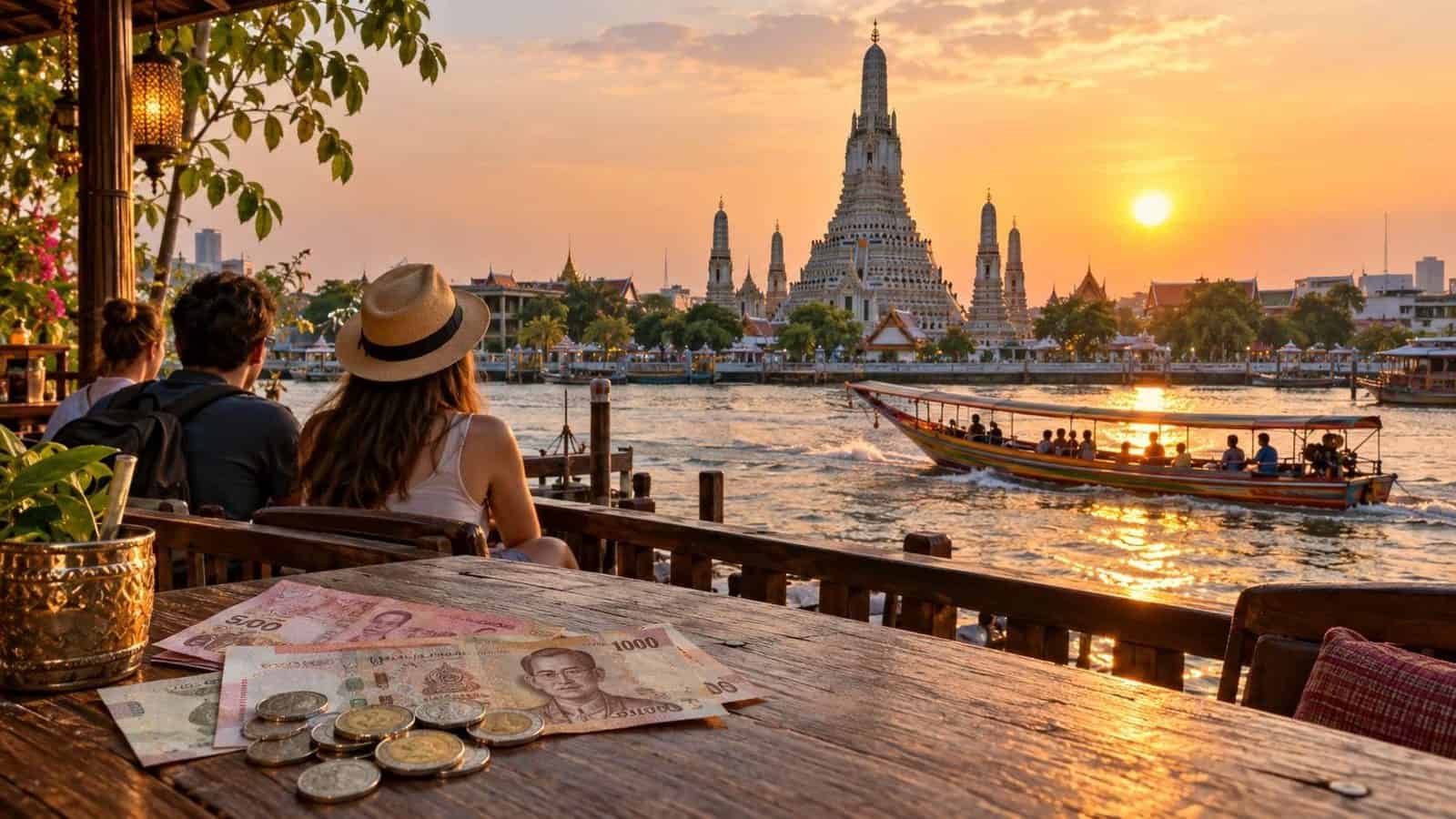
Malaysia takes the lead in promoting tourism in Thailand among ASEAN member states as TAT eyes 6.2% revenue growth for fiscal 2027. The tourism environment in Thailand is witnessing a strategic and risky change. In line with increased mobility within the region and diverse source markets in Southeast Asia and neighboring regions, the Tourism Authority of Thailand (TAT) has charted out a bold economic plan for fiscal 2027. The centerpiece of this strategy is the aggressive 6.2% ASEAN tourism revenue expansion target along with 4.3% international arrivals growth from the group.
While the Kingdom continues to enjoy global visibility across European, North American, and East Asian corridors, its immediate neighbors are providing the vital economic ballast that sustains local livelihoods and fills airline cabins. Leading this regional charge is Malaysia, whose massive cross-border influx consistently outpaces high-spending hubs like Singapore and burgeoning outbound powerhouses like Vietnam and Indonesia.
Rather than chasing pure foot-traffic numbers, however, Thai policymakers are pivoting toward value-driven tourism. By bridging the traditional boundaries of commerce, cultural diplomacy, and leisure hospitality, Thailand is positioning itself not merely as a budget getaway, but as an integrated lifestyle and wellness powerhouse designed to channel foreign receipts deep into regional heartlands.
The Strategic Shift: Inside the Fiscal 2027 ASEAN Blueprint
Announced under a cohesive policy framework championed by Deputy Prime Minister Suphajee Suthumpun, Thailand’s fiscal 2027 blueprint consolidates the machinery of three central ministries: Commerce, Culture, and Tourism and Sports. The objective is singular: shift away from legacy mass-market reliance and capture high-margin, sustainable visitor spending.
Advertisement
Advertisement
Cross-Ministry Policy Alignment and ASEAN Tourism Growth Framework
| Strategic Component | Ministry / Framework | Key Focus |
|---|---|---|
| Policy Integration | Cross-Ministry Collaboration | Coordinated national strategy involving three government sectors |
| Economic Development | Commerce | Supporting commercial opportunities and economic activity linked to wellness tourism |
| Cultural Development | Culture | Promoting cultural heritage, traditional wellness practices and authentic experiences |
| Tourism Development | Tourism & Sports | Strengthening destination competitiveness and wellness-focused travel |
| Unified Strategic Framework | Healing is the New Luxury | Integrating commerce, culture and tourism into a shared wellness tourism strategy |
| ASEAN Revenue Target | +6.2% | Targeted increase in tourism revenue from ASEAN markets |
| Visitor Growth Target | +4.3% | Projected expansion in visitor arrivals |
The blueprint anchors its narrative around the guiding philosophy that “Healing is the New Luxury.” Post-pandemic travel behaviors continue to favor emotional restoration, personalized health regimens, holistic leisure, and genuine communal interactions. To capture this demand, TAT has outlined five strategic priorities:
- Regional Economic Dispersion: Directing transit flows beyond saturated metropolitan corridors (such as central Bangkok and southern Phuket) toward secondary cities and provincial craft hubs like Nakhon Ratchasima, Hua Hin, and Pattaya.
- Soft-Power Convergence: Embedding authentic Thai culinary traditions, artisanal textiles, and traditional medical practices directly into curated tour circuits.
- MICE & Global Event Integration: Transforming Thailand into a recognized “World Event Hub Destination” by capitalizing on major global gatherings—most notably the upcoming 2026 Annual Meetings of the International Monetary Fund (IMF) and the World Bank Group.
- Targeted Demographic Profiling: Aligning specific destination assets with the precise cultural and financial profiles of each primary source country.
- Bilateral Transport Optimization: Upgrading cross-border railway links, expanding direct point-to-point regional budget flights, and eliminating friction at land immigration checkpoints.
Comparative Regional Matrix: Source Markets Powering Thailand
The dynamics of regional inbound travel are far from uniform. While some nations drive sheer footfall through adjacent land borders, others inject extraordinary capital per traveler.
Advertisement
Advertisement
| Country / Market | Strategic Role | Projected Volume Impact | Key Value Drivers | Primary Geographic Focus |
| Malaysia | High-Volume Revenue Anchor | 3.1M+ annual arrivals | Overland road/rail mobility, weekend shopping, culinary excursions | Songkhla, Hat Yai, Betong, Bangkok |
| Singapore | High-Yield Capital Driver | High per-capita spend | Luxury wellness, boutique stays, Michelin gastronomy | Bangkok, Koh Samui, Chiang Mai |
| Vietnam | Rapid-Growth Short-Haul | Accelerating volume | Budget flights, urban youth lifestyle, retail, island getaways | Bangkok, Pattaya, Phuket |
| Indonesia | Emerging Middle-Class Engine | Consistent family growth | Halal hospitality, extended family leisure, shopping districts | Bangkok, Central Plains, Phuket |
| Taiwan (Strategic Regional Partner) | Cultural & Lifestyle Pioneer | High engagement | Gastronomic tourism, LGBTQ+ travel, designer retail | Bangkok, Chiang Mai, Hua Hin |
Malaysia: The Undisputed High-Volume Economic Engine
Malaysia has firmly cemented its status as Thailand’s foremost source market within ASEAN and its second-largest feeder market globally, surpassed only by mainland China. Surpassing the threshold of 3.1 million arrivals in recent counts, the Malaysian market provides consistent, recession-resilient liquidity across Thailand’s southern provinces.
Malaysia–Thailand Tourism Connectivity and Economic Impact
| Travel Stage | Key Destination / Gateway | Transport Connectivity | Tourism and Economic Impact |
|---|---|---|---|
| 1. Origin Market | Peninsular Malaysia | Cross-border road and rail networks | Generates outbound visitor flows towards southern Thailand |
| 2. Border Entry Points | Sadao and Padang Besar | International land border crossings | Facilitates Malaysian tourist arrivals and cross-border commerce |
| 3. Southern Thailand Tourism Hub | Hat Yai and Songkhla | Road and rail connections from Malaysia | Supports local businesses, retail activity, accommodation demand and the southern Thai economy |
| 4. Domestic Travel Expansion | Bangkok and Thailand’s Islands | Connecting domestic flights and rail services | Distributes visitor spending across hospitality, leisure, attractions and lifestyle services |
| 5. Wider Economic Outcome | Southern and Central Thailand, plus Island Destinations | Integrated cross-border and domestic travel routes | Encourages tourism expenditure across multiple Thai destinations and economic sectors |
Overland Porosity and Weekend Tourism
The defining characteristic of the Malaysian influx is its unmatched physical accessibility. Overland border crossings along Peninsular Malaysia—primarily through the Sadao and Padang Besar checkpoints in Songkhla province, as well as the Betong gateway in Yala—serve as round-the-clock conduits for road travelers, self-drive caravans, and organized coach tours.
Advertisement
Advertisement
During public holidays and long weekends, tens of thousands of Malaysian travelers enter southern Thailand. Hat Yai has transformed into an immediate economic beneficiary, serving as an expansive food, wellness, and market district where visitors spend liberally on:
- Southern Thai street cuisine and fresh seafood dining.
- Wholesale and retail textile markets.
- Traditional massage and restorative wellness services.
- Automotive detailing, local manufacturing products, and regional fruits.
Rail Connectivity and Transit Evolution
Strategic infrastructure upgrades have further strengthened this corridor. The regularized operations of the State Railway of Thailand (SRT) MySawasdee excursion train—running direct services from Kuala Lumpur’s KL Sentral to Hat Yai—demonstrate how low-friction cross-border mobility unlocks instant tourism dividends. This overland ease provides Thailand with a steady baseline of consumer spending that completely bypasses the fluctuations of global airline seat capacities.
Singapore: The High-Yield Luxury and Wellness Powerhouse
If Malaysia provides Thailand’s tourism economy with its structural volume, Singapore furnishes its highest-margin yield. Characterized by unmatched purchasing power, Singaporean travelers are treated by TAT as the cornerstone of its premium value strategy.
Singapore Outbound Traveller Profile
| Key Indicator | Travel Behaviour and Preferences |
|---|---|
| Traveller Segment | Affluent, time-conscious travellers with strong purchasing power and a preference for convenience. |
| Travel Frequency | Frequent international leisure trips, including multiple short weekend getaways annually. |
| Spending Priorities | Luxury five-star accommodation, exclusive wellness retreats, fine dining and premium experiences. |
| Preferred Experiences | Sophisticated city breaks, luxury island holidays and personalised leisure activities. |
| Core Value Proposition | High-quality, easily accessible urban and island escapes combining comfort, exclusivity and memorable experiences. |
High-Margin Spending Behavior
Singaporean visitors travel frequently throughout the calendar year, treating Bangkok, Phuket, and Koh Samui as rapid weekend retreats. Because currency valuation and proximity make travel friction negligible, these visitors disproportionately frequent luxury five-star hotels, rooftop social venues, private villas, and Michelin-starred culinary establishments.
Advertisement
Advertisement
Alignment with “Healing is the New Luxury”
Singapore’s high-stress, fast-paced urban environment has generated immense appetite for structured wellness. TAT has deliberately positioned Thailand’s high-end medical wellness retreats, private detox clinics, and holistic spa sanctuaries directly toward this demographic.
- Holistic Health Escapes: Extended retreats in Chiang Mai and Samui that incorporate sleep therapy, traditional Thai herbal medicine, and bespoke nutritional programs.
- Boutique Lifestyle Immersion: High engagement with local art fairs, lifestyle design pop-ups, and contemporary culinary collaborations across Bangkok’s creative districts.
Vietnam: The Fast-Paced Short-Haul Contributor
Vietnam represents one of the most dynamic, fast-scaling outbound markets in the ASEAN landscape. Driven by a rapidly expanding middle class and an energetic youth population, Vietnamese travelers have turned Thailand into their primary international vacation playground.
Vietnam–Thailand Air Connectivity and Tourism Opportunities
| Category | Key Locations / Segments | Travel and Tourism Opportunities |
|---|---|---|
| Vietnamese Departure Hubs | Hanoi, Ho Chi Minh City, Da Nang | Major originating markets connecting Vietnamese travellers with Thailand |
| Air Connectivity | High-frequency low-cost carrier (LCC) services | Affordable regional flights supporting convenient short-haul travel |
| Thailand’s Key Destinations | Bangkok, Chiang Mai, Phuket | Popular destinations offering shopping, urban experiences and leisure attractions |
| Shopping and Retail Tourism | Pratunam Market, Chatuchak Market, Bangkok | Fashion shopping, wholesale retail and bargain-hunting experiences |
| Digital Lifestyle and Café Tourism | Bangkok, Chiang Mai | Contemporary café culture, creative neighbourhoods and digital lifestyle experiences |
| Family Leisure and Entertainment | Bangkok, Phuket, Chiang Mai | Family-friendly attractions, recreational activities and entertainment experiences |
| Overall Tourism Impact | Vietnam–Thailand travel corridor | Greater opportunities for shopping-led holidays, lifestyle tourism and family leisure travel |
Indonesian Outbound Tourism Market: Key Travel Segments and Preferences
| Travel Market | Family and Multigenerational Tourism | Corporate and MICE Tourism |
|---|---|---|
| Primary Segment | Families travelling with children, parents and elderly relatives | Corporate groups, business delegations and incentive travellers |
| Accommodation Preferences | Spacious hotel suites, family-friendly resorts and interconnected rooms | Business-class hotels, conference accommodation and group-friendly properties |
| Dining Requirements | Halal-certified restaurants, diverse dining options and family-oriented hospitality | Halal-friendly corporate catering, group dining and banquet facilities |
| Major Attractions | Theme parks, recreational attractions and activities suitable for multiple generations | Convention centres, exhibition venues and organised sightseeing excursions |
| Preferred Experiences | Family bonding, leisure activities, cultural discovery and entertainment | Corporate networking, incentive programmes and structured group experiences |
| Specialised Services | Child-friendly amenities, accessible facilities and flexible family travel arrangements | Event coordination, professional meeting facilities and team-building activities |
| Key Tourism Opportunities | Multigenerational holiday packages, family resorts and customised leisure itineraries | International conferences, corporate retreats, incentive travel and business events |
| Market Development Focus | Enhancing comfort, convenience and inclusive holiday experiences | Strengthening MICE infrastructure, corporate hospitality and group travel services |
Low-Cost Air Corridors and City Escapes
Direct flight connectivity between major Vietnamese commercial hubs (Ho Chi Minh City, Hanoi, Da Nang) and Thai destinations has expanded rapidly. Multiple daily low-cost carrier (LCC) services deliver young professionals, digital creators, and multi-generational families into Bangkok within less than two hours of flight time.
Retail Tourism and Lifestyle Exploration
The modern Vietnamese traveler in Thailand is predominantly retail- and leisure-oriented. Key economic contributions include:
- Intensive Shopping Spree Circuits: High-volume shopping inside Bangkok’s central retail belts—spanning affordable fashion hubs like Platinum Fashion Mall and Chatuchak Market to high-end lifestyle complexes like centralwOrld and ICONSIAM.
- Youth & Pop-Culture Tourism: Exploring aesthetically curated cafe cultures, music festivals, and themed lifestyle entertainment spaces across Bangkok and Pattaya.
- Short-Break Island Getaways: Expanding weekend leisure into Phuket and Krabi, combining budget-conscious beachside recreation with local night markets.
Indonesia: The Massive Family and Halal Tourism Segment
With Southeast Asia’s largest population and a steadily rising domestic economy, Indonesia represents an indispensable long-term growth engine for Thai tourism revenue. Indonesian outbound travel is characterized by large family travel units, corporate incentive groups, and high retail expenditure.
Taiwan Tourism Strategy: Two Key Pillars for Travel Promotion
| Strategic Pillar | Key Tourism Initiatives | Focus and Visitor Experience |
|---|---|---|
| Culinary and Cultural Experiences | Street Food Discovery Tours | Exploring local flavours, traditional markets and authentic street food culture |
| Michelin-Recommended Restaurants | Promoting premium dining experiences and internationally recognised culinary destinations | |
| Interactive Cooking Classes | Encouraging travellers to participate in hands-on cooking sessions and discover local culinary traditions | |
| “Go Thai Be Free” Campaign | Seven Curated Bangkok Travel Routes | Introducing specially designed itineraries showcasing Bangkok’s diverse attractions |
| Twenty Themed Travel Programmes | Offering 20 specialised travel experiences tailored to different visitor interests | |
| Inclusive Nightlife and Wellness | Highlighting welcoming nightlife venues, spa treatments and inclusive leisure experiences |
Halal-Friendly Hospitality Ecosystems
A decisive factor driving Indonesian visits into Thailand is the rapid expansion of certified Muslim-friendly travel ecosystems. TAT has actively encouraged hospitality chains, dining establishments, and tour operators to secure recognized halal certifications and integrate dedicated prayer facilities (musallas).
Advertisement
Advertisement
- Culinary Inclusivity: The proliferation of certified halal Thai dining options—from upscale central establishments to bustling street-food enclaves in Silom, Pratunam, and southern provinces—has eliminated travel barriers for observant Muslim travelers.
- Family-Centric Entertainment: High demand for large-format entertainment, including marine theme parks, water parks, and immersive nature experiences surrounding Bangkok, Hua Hin, and Pattaya.
The MICE Multiplier
Indonesia is also a major source of corporate MICE (Meetings, Incentives, Conferences, and Exhibitions) traffic. Indonesian enterprise groups frequently select Thailand for annual corporate retreats and sales incentives due to competitive hotel packages, world-class convention venues, and rich entertainment infrastructure.
Taiwan: The Culinary and Diversity Pioneer
Although not a member of the ASEAN political bloc, Taiwan is designated by TAT as an essential Asian target market tightly integrated into its fiscal 2027 regional growth framework. Taiwanese travelers exhibit exceptionally high individual spending rates, strong cultural curiosity, and high repeat-travel ratios.
Thailand Tourism Gateway: Key Destinations and Their Unique Travel Experiences
| International Entry Point | Tourism Destination | Primary Tourism Segment | Key Attractions and Travel Experiences |
|---|---|---|---|
| Bangkok – International Gateway | Hua Hin | Wellness Tourism and Royal Heritage | Luxury wellness retreats, spa experiences, beachfront resorts, royal heritage attractions and coastal leisure tourism. |
| Bangkok – International Gateway | Pattaya | MICE Tourism, Family Holidays and Entertainment | Business conferences, corporate events, exhibitions, family-friendly attractions, entertainment venues, beach activities and leisure resorts. |
| Bangkok – International Gateway | Nakhon Ratchasima (Khorat) | Agritourism, Cultural Heritage and Ecotourism | Agricultural experiences, traditional artisanal silk production, access to Khao Yai National Park, nature-based activities and highland landscapes. |
The Culinary Gateway
Taiwanese travelers place gastronomy at the pinnacle of their travel itineraries. TAT has tailored specific marketing initiatives to showcase Thailand’s rich culinary diversity, highlighting:
- Curated culinary maps guiding visitors from legendary Michelin Bib Gourmand street-food stalls to innovative modern Thai dining rooms.
- Direct visits to artisanal spice plantations, organic coconut farms, and traditional culinary academies across Bangkok, Samut Songkhram, and Chiang Mai.
The “Go Thai Be Free” Inclusivity Campaign
A signature initiative aimed directly at the Taiwanese audience is the “Go Thai Be Free” campaign, designed to celebrate Thailand’s position as Asia’s most progressive and welcoming LGBTQ+ destination.
- Dedicated Itineraries: Launching 7 tailored Bangkok travel routes and 20 themed travel packages designed specifically for LGBTQ+ travelers and couples.
- Inclusive Hospitality Standards: Partnering with luxury boutique hotels, wellness centers, and entertainment providers that uphold global diversity and inclusion standards.
- Creative Arts Engagement: Promoting Bangkok’s contemporary art galleries, indie fashion houses, and design-led lifestyle markets, which enjoy intense popularity among Taiwanese travelers.
Distributing the Wealth: Beyond the Bangkok Envelope
A fundamental shortcoming of historical tourism booms was geographic concentration: tourists rarely ventured far beyond the neon-lit avenues of Bangkok or the coastal sands of Phuket. The fiscal 2027 strategy explicitly redesigns the travel circuit to disperse income across secondary destinations and production communities.
1. Nakhon Ratchasima (Khorat) & The Isan Gateway
Positioned as the gateway to the northeastern Isan region, Nakhon Ratchasima is being leveraged for eco-tourism, agro-tourism, and UNESCO-recognized geological heritage. International visitors are encouraged to visit traditional silk-weaving villages, explore the highland vineyards and national parks of Khao Yai, and purchase local handicraft goods directly from artisan cooperatives.
Advertisement
Advertisement
2. Hua Hin & Cha-am
Steeped in royal heritage, Hua Hin is positioned as the primary coastal wellness haven for regional travelers seeking calm, low-density relaxation. With world-class golf courses, specialized wellness resorts, and tranquil seaside retreats, it serves as a natural extension for Singaporean and Taiwanese travelers looking to decompress outside the capital.
3. Pattaya & The Eastern Economic Corridor (EEC)
Pattaya continues to evolve far beyond its legacy nightlife reputation. Rebranded as a vibrant family entertainment, sporting, and MICE hub, the city leverages its proximity to U-Tapao International Airport and the modern transport links of the EEC to attract corporate conventions, youth sporting competitions, and international music festivals.
Global Event Integration: Leveraging the 2026 IMF & World Bank Summit
A critical catalyst within Thailand’s medium-term strategy is the hosting of the 2026 Annual Meetings of the International Monetary Fund (IMF) and the World Bank Group. This summit is not being treated merely as a standalone diplomatic gathering, but as an economic springboard for Thailand’s entire soft-power ecosystem.
2026 IMF–World Bank Annual Meetings: Thailand’s Tourism and Economic Opportunities
| Strategic Focus | Key Highlights | Potential Impact on Thailand’s Tourism |
|---|---|---|
| International Delegate Participation | More than 12,000 economic policymakers, financial executives and international representatives expected | Increased demand for hotels, transportation, hospitality and business travel services |
| Promotion of Thai Cultural Identity | Opportunity to introduce international visitors to Thailand’s creative industries, cultural heritage and soft-power attractions | Stronger global destination visibility and greater interest in authentic Thai experiences |
| Pre- and Post-Conference Travel | Specially designed excursions encouraging delegates to explore provinces and destinations beyond the main meeting venue | Potential growth in regional tourism, guided experiences and extended visitor stays |
| Business-to-Leisure Tourism Conversion | Strategies to encourage conference participants to extend their visits for recreational activities | Additional visitor expenditure across accommodation, attractions, retail and local tourism businesses |
| Long-Term Tourism Advantages | Opportunity to position Thailand as a destination combining international business events with leisure experiences | Greater competitiveness in the global meetings, incentives, conferences and exhibitions (MICE) market |
The Ministry of Commerce, in direct tandem with TAT, is utilizing the international visibility of the summit to:
- Spotlight Authentic Thai Production: Integrate GI-certified (Geographical Indication) Thai agricultural products, organic teas, specialty coffees, and traditional silk wear directly into summit venues and delegate gift programs.
- Executive Excursion Circuits: Offer high-level financial delegates pre- and post-conference travel corridors into regional production centers, connecting foreign enterprise directly with local business owners.
- Elevate Brand Thailand: Demonstrate the Kingdom’s organizational capacity to manage Tier-1 global security, carbon-neutral logistics, and hybrid convention facilities, thereby cementing its reputation as a leading “World Event Hub Destination.”
The Road to 2027: Balancing Volume and Value
Thailand’s pursuit of a 6.2% revenue increase across ASEAN source markets marks a mature phase in national economic planning. By utilizing the sheer overland volume of Malaysia to anchor baseline operations, while simultaneously targeting the high-yield spending power of Singapore, the dynamic youth segments of Vietnam, the vast family travel of Indonesia, and the cultural appreciation of Taiwan, the Kingdom is building a balanced and resilient inbound tourism matrix.
Thailand beats its neighbors in promoting Malaysian tourist visits as TAT aims to see a 6.2% increase in ASEAN tourist earnings in fiscal 2027.
With effective policy coordination between ministries, strategic income redistribution within communities, and rebranding focusing on wellness, culture, and health, Thailand is positioning itself so that its tourism industry does not just become the source of arrivals, but becomes a solid platform for sustainable development in the region.
Advertisement
