
Boston Connects Hawaii and Other Major US Cities as Delta Air Lines Strengthens Domestic Travel Network

Updated
Published
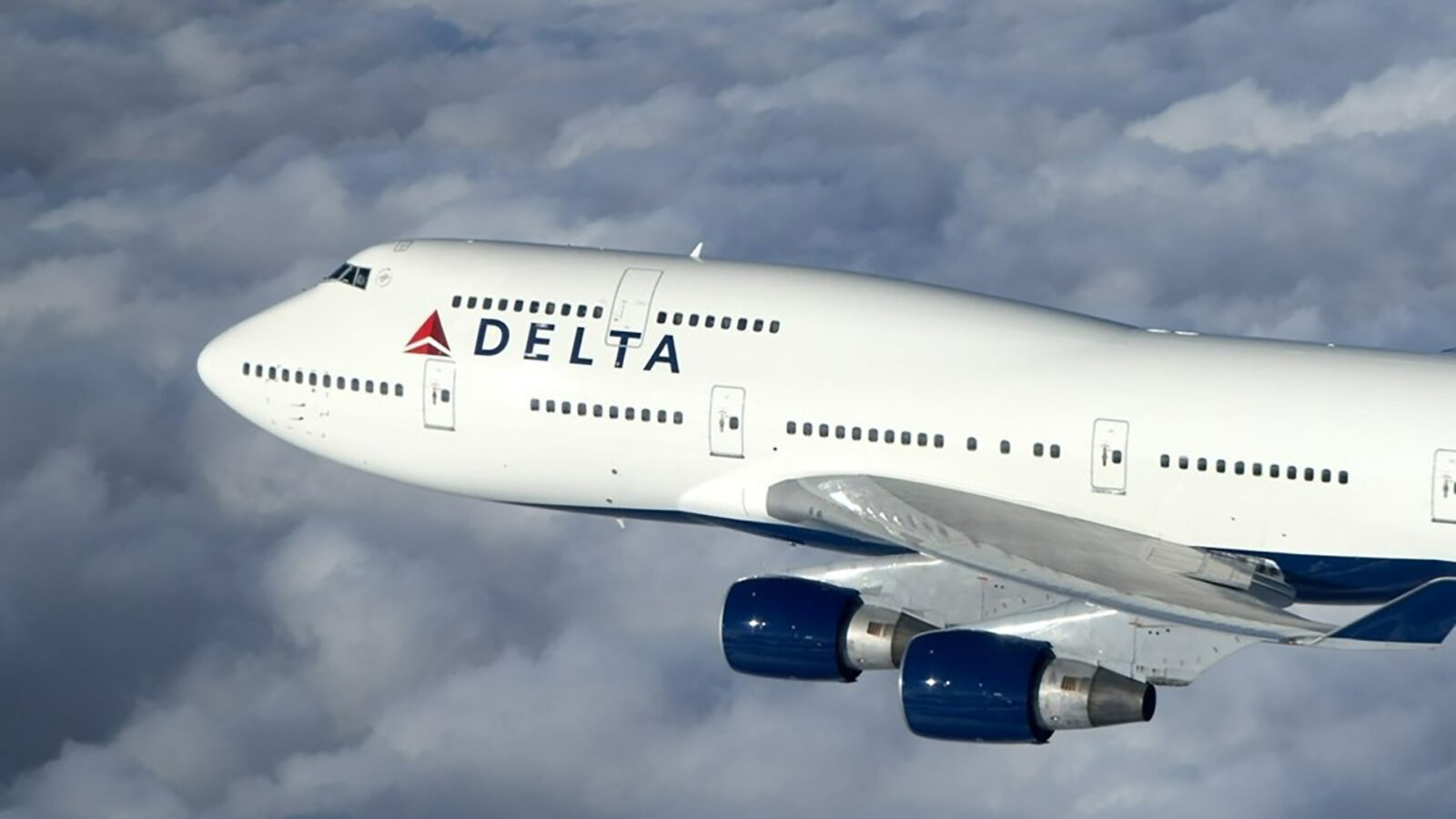
As Delta Air Lines expands its domestic travel network with more nonstop trips and better passenger access, Los Angeles links Hawaii along with other major US destinations like Austin, Newark, Boston, etc. By launching new routes, reestablishing vital connections, and expanding travel options from significant airports, the airline is improving connectivity throughout the nation. Additionally, by concentrating on popular destinations like Hawaii and key US cities, Delta Air Lines is expanding its domestic travel network. Travelers can now take advantage of easier travel, fewer connections, and improved access to leisure and regional markets thanks to the expansion. With these advancements, Los Angeles supports Delta’s broader growth strategy while continuing to connect travelers throughout the United States.
Why is Delta bringing back nonstop flights from Monterey to Salt Lake City and Los Angeles?
Delta will reconnect Monterey, California, with its nationwide network from December 19, 2026, adding three daily Delta Connection flights operated by SkyWest Airlines. The schedule includes one daily nonstop round trip between Monterey Regional Airport and Salt Lake City International Airport, alongside two daily flights linking Monterey with Los Angeles International Airport.
The move restores Delta service to Monterey after a long absence and provides travellers from California’s Central Coast with direct access to two important aviation gateways. Salt Lake City serves as a major Delta hub, allowing passengers to connect onwards to destinations throughout the United States and beyond.
The Los Angeles connection will offer another important travel option for Monterey residents and visitors heading towards Southern California, international markets and major business centres. The route expansion also supports tourism demand around Monterey, Carmel-by-the-Sea, Pebble Beach and Big Sur by creating easier air access for visitors.
Advertisement
Advertisement
The flights will use Embraer E175 regional aircraft, providing Delta Connection service with multiple cabin options. The aircraft type is commonly used by regional operators to connect smaller communities with larger airline hubs.
How is Delta expanding its Los Angeles network with new nonstop routes?
Los Angeles International Airport is becoming one of the key focus points in Delta’s latest US expansion plans. The airline is adding new nonstop services from LAX, including routes to Vancouver, Palm Beach, Monterey, Newark and Manila.
Advertisement
Advertisement
The expansion strengthens Delta’s position at one of America’s busiest airports and increases travel options for passengers in Southern California. Domestic routes such as Los Angeles–Palm Beach and Los Angeles–Newark are expected to support both leisure and business travel demand, while international growth through Manila improves connections between the United States and the Philippines.
Delta’s Los Angeles growth reflects the importance of West Coast connectivity. The airport acts as a gateway for flights across North America, Asia and other global regions. By adding more nonstop services, Delta is creating additional options for passengers who previously relied on connecting flights or competing airports.
Advertisement
Advertisement
The airline continues to adjust its network based on passenger demand, tourism trends and business travel patterns. New routes from major metropolitan airports remain a central part of Delta’s approach to strengthening its domestic and international footprint.
What new routes are being added as Delta increases US connectivity?
Beyond Monterey and Los Angeles, Delta is introducing additional services across several US markets. The airline is expanding its presence from Austin, Texas, with a new nonstop route connecting Austin-Bergstrom International Airport and San Jose International Airport.
The Austin–San Jose route links two major technology and business centres, improving direct connectivity between Texas and California. The service complements Delta’s broader focus on connecting growing metropolitan areas with high-demand business corridors.
Delta is also increasing seasonal leisure connectivity through additional routes targeting popular holiday destinations. These services include flights connecting major cities with destinations known for outdoor tourism, beaches and seasonal travel demand.
Advertisement
Advertisement
The airline’s approach combines hub expansion, regional airport access and leisure-focused flying. This allows Delta to serve different passenger groups, from corporate travellers needing reliable connections to holidaymakers seeking direct flights.
Latest Delta New Flight Updates Across the United States
| Route | Airports Connected | Start Date | Frequency | Aircraft | Key Details |
|---|---|---|---|---|---|
| Monterey – Salt Lake City | Monterey Regional Airport (MRY) – Salt Lake City International Airport (SLC) | December 19, 2026 | Daily | Embraer 175 Delta Connection | New nonstop link connecting California’s Central Coast with Delta’s western hub |
| Monterey – Los Angeles | Monterey Regional Airport (MRY) – Los Angeles International Airport (LAX) | December 19, 2026 | Twice daily | Embraer 175 Delta Connection | Restores Delta service to Monterey and improves Southern California access |
| Los Angeles – Vancouver | Los Angeles International Airport (LAX) – Vancouver International Airport (YVR) | November 21, 2026 | Twice daily | Airbus A319 | Delta returns to the route after ending service in 2018 |
| Los Angeles – Palm Beach | LAX – Palm Beach International Airport (PBI) | November 21, 2026 | Daily | Airbus A321neo | Adds year-round connectivity between Southern California and Florida |
| Los Angeles – Manila | LAX – Ninoy Aquino International Airport (MNL) | March 2027 | Daily | Airbus A350-900 | Expands Delta’s Asia-Pacific network from Los Angeles |
| Los Angeles – Newark | LAX – Newark Liberty International Airport (EWR) | April 12, 2027 | Twice daily | Airbus A321neo | Adds more transcontinental capacity between California and New York area |
| Austin – San Jose | Austin-Bergstrom International Airport (AUS) – San Jose International Airport (SJC) | October 2026 | Year-round | Airbus A319 | Strengthens Delta’s Austin focus-city strategy |
| Minneapolis – Maui | Minneapolis-Saint Paul (MSP) – Maui (OGG) | December 19, 2026 | Seasonal | Widebody service | Part of Delta’s largest Hawaii schedule expansion |
| Boston – Honolulu | Boston Logan (BOS) – Honolulu (HNL) | December 19, 2026 | Seasonal return | Widebody service | Restores a major US mainland-Hawaii connection |
How is Delta strengthening Hawaii travel connections from mainland US cities?
Delta is also expanding its Hawaii network with additional services connecting the mainland United States with popular island destinations. The airline plans to introduce Minneapolis–Maui service and restore Boston–Honolulu connectivity as part of its expanded Hawaii schedule.
The Hawaii expansion responds to continued demand for leisure travel between mainland US cities and the Pacific islands. Additional nonstop flights provide passengers with more choices during peak travel periods and reduce the need for connecting journeys.
Minneapolis provides Delta with a strong Midwest hub connection, while Boston adds another major East Coast gateway. These routes expand Hawaii access beyond traditional departure points and support tourism flows throughout the islands.
Delta’s Hawaii strategy highlights the airline’s focus on seasonal demand patterns. By increasing flights during high-demand periods, the carrier aims to match capacity with passenger interest while improving route flexibility.
What does Delta’s latest expansion mean for US travellers?
Delta’s latest route announcements show a continued shift towards stronger domestic connectivity, more regional airport access and expanded nonstop travel options. The Monterey flights demonstrate how smaller airports can regain links to major airline networks, while Los Angeles and Hawaii expansions highlight demand for larger strategic markets.
Advertisement
Advertisement
For travellers, the changes mean fewer connections, easier access to major hubs and more choices when planning domestic and international journeys. Communities that previously depended on nearby larger airports could benefit from improved convenience and stronger links to Delta’s wider network.
The airline’s 2026 expansion reflects changing travel patterns across the US, with passengers increasingly seeking direct routes, shorter journey times and greater flexibility. Through new services and restored connections, Delta is reshaping its network to meet evolving aviation demand.
As additional routes enter service, travellers will gain more opportunities to connect regional destinations with major cities while Delta continues building a broader and more connected US flight network.
Advertisement
