
Amsterdam Turns to the Regional Netherlands as Tourism Rules Tighten

Published
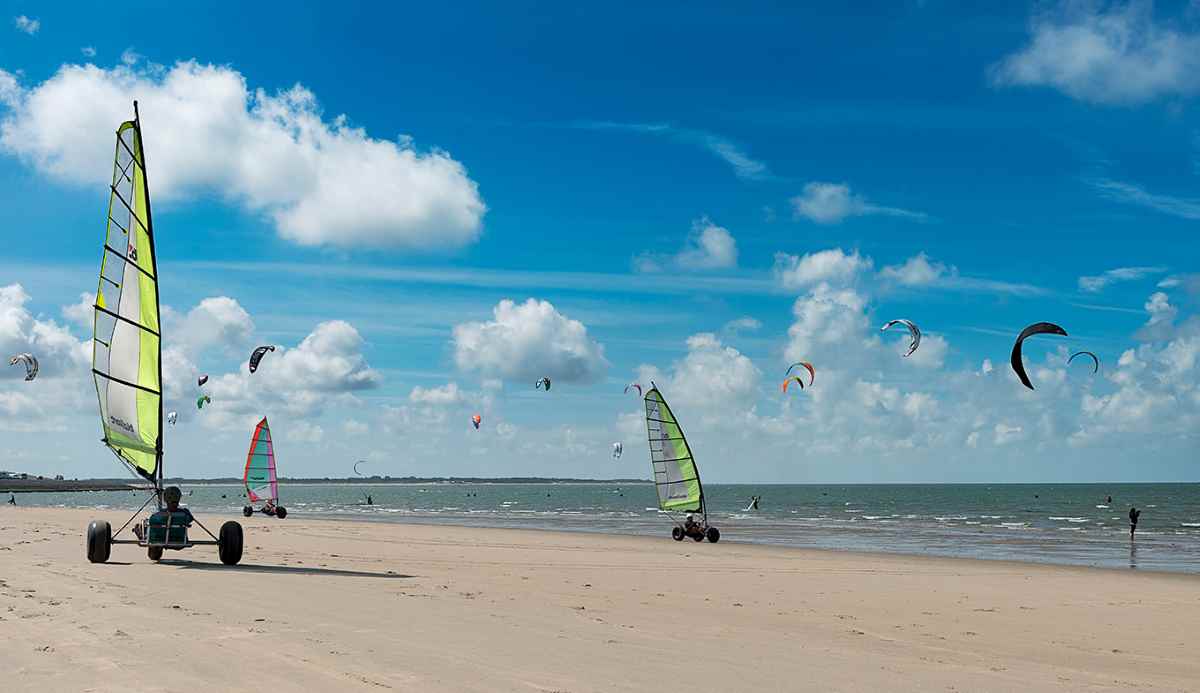
Amsterdam, Rotterdam, Utrecht and beyond in the regions of Holland are assuming new positions within the Dutch tourism scene, as tourism during late summer 2026 faces stricter regulations in the Dutch capital. Tourists coming in the months of August and September are finding a destination where vacation rentals, taxes and strain on central areas are influencing their stay, while the rest of the country is more open to travellers.
This is particularly evident in the accommodation sector in Amsterdam, where some parts of Centrum and De Pijp have restrictions that allow houses to be rented to tourists for no more than 15 days in a year. The rest of the city, on the other hand, still follows the standard restriction of 30 days. These restrictions cover holiday rentals and houseboats, and permits, registration, and reporting are also part of the rules for tourist stays. For those planning to spend a short time in Amsterdam, the rules dictate that location becomes important because the limitation is different for accommodation within the 15-day districts and accommodation outside those districts.
Amsterdam Becomes More Expensive for Some Visitors
Advertisement
Advertisement
The city’s tourist tax remains another visible part of the travel equation. Amsterdam charges tourist tax at 12.5 per cent of the overnight price excluding VAT, while cruise passengers making day visits are subject to a €15 daily tourist tax per passenger.
At the national level, accommodation also faces the Netherlands’ standard 21 per cent VAT rate. The Dutch government confirmed that the reduced VAT treatment for accommodation was abolished from January 1, 2026, bringing accommodation under the general 21 per cent rate.
Advertisement
Advertisement
For travellers comparing Amsterdam with other Dutch destinations, those costs sit alongside hotel prices and transport. The result is a travel market where the traditional Amsterdam city break can be weighed against destinations reachable by rail, road or water that provide a different setting without requiring visitors to abandon the Netherlands itinerary.
Regional Netherlands Gains More Attention
Advertisement
Advertisement
The wider country offers a distinctly different experience from Amsterdam’s historic centre. Rotterdam brings modern architecture, harbour culture and former industrial spaces into the tourism picture. Utrecht combines canals, historic streets and a major railway connection, making it practical for travellers who want a compact Dutch city experience without staying in Amsterdam.
Beyond the major cities, the Netherlands opens into a landscape of coastal communities, islands, waterways, reclaimed land and nature reserves. Friesland offers a strong maritime identity and access to the Wadden Islands, while Zeeland places beaches, sea-facing towns and delta landscapes within reach of the Dutch mainland.
Advertisement
Advertisement
These destinations also change the rhythm of a trip. Instead of concentrating a holiday around canal streets and the Museum Quarter, travellers can move between historic ports, cycling routes, beaches, wetlands and smaller towns. Regional rail connections make several of these places practical additions to an Amsterdam itinerary, allowing visitors to retain the capital as part of a wider journey rather than treating it as the entire destination.
Amsterdam’s Visitor Pressure Extends Beyond Accommodation
Amsterdam’s own 2026 visitor forecast shows why tourism remains a major city-management issue. The municipality’s research office reported in May that Amsterdam recorded 23.7 million tourist overnight stays in 2025 and forecast continued growth through 2028, with estimates reaching between 25 million and 29.4 million overnight stays.
The same municipal research also points to a changing pattern within the visitor economy. A June 2026 study found that overnight tourism was increasing while day visits were declining, with some growth occurring outside the city centre as hotel capacity expanded in other districts and surrounding areas.
Advertisement
Advertisement
That makes the current late-summer travel picture more complicated than simply fewer visitors in Amsterdam. Tourism is being redistributed across accommodation areas, city districts and the wider region.
Official Link : https://onderzoek.amsterdam.nl/publicatie/bezoekersprognose-amsterdam-2026
Waterways Remain Part of the Travel Experience
The Amsterdam canals still continue to be one of the unique experiences offered by the city; however, boat traffic also faces ever more elaborate operating regulations. Municipal inspections have continued throughout the summer months, including vessel inspection and permitting, with the emission-free zone for pleasure boats established by the city of Amsterdam coming into effect in the central part of the city in April 2025. This means that despite the canal tourism continuing, the visitor experience is taking place in an even more regulated urban water setting. The late summer scene thus goes far beyond the busy streets of Amsterdam. Indeed, a visitor arriving in September is still able to create a traditional Dutch itinerary featuring canals, museums, and old neighbourhoods, but now there are additional practical options available in the country.
Advertisement
