
Argentina and Other American Nations Build Free Education Models Supporting Future Tourism and International Student Growth

Published
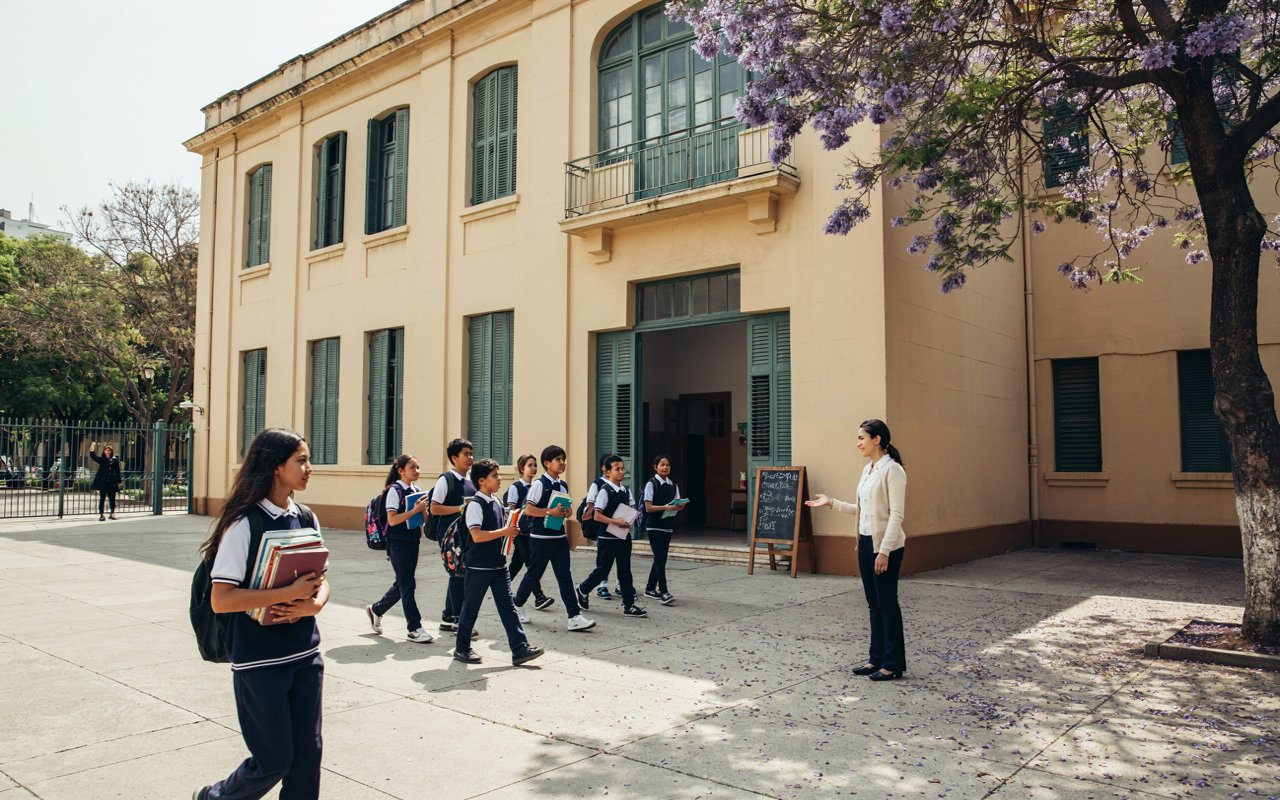
Countries including Argentina, Uruguay, Brazil, Cuba and Trinidad and Tobago have developed publicly funded education systems that reduce tuition barriers and could attract more international students, academic visitors and long-stay travelers in the future. However, education tourism growth will depend on visa policies, global university reputation, infrastructure and overall destination appeal.
These initiatives could attract students, families and researchers seeking longer stays while exploring local cultures and destinations. The connection between education access and tourism development is gaining attention because countries are creating new pathways for global engagement through academic experiences and cultural discovery. This trend highlights how public education strategies may influence tomorrow’s travel choices across diverse American regions with impact.
Countries in the Americas with Free Education from Early Childhood to University Level and Their Potential Tourism Impact
| Country | Region | Education Coverage | Free Education Model | University Access | Tourism Attraction Potential | Key Tourism Impact |
|---|---|---|---|---|---|---|
| Argentina | South America | Early childhood, primary, secondary and public university education | Public education is free across levels, with state-funded national universities offering tuition-free study | Public universities generally provide free tuition, including access for many international students under national regulations | Very High | Could attract international students, education tourism, cultural exchange visitors and longer-stay travellers to cities such as Buenos Aires, Córdoba and Mendoza |
| Uruguay | South America | Pre-primary, primary, secondary and university education | Public education is free from pre-primary through university level | Public universities provide free tuition, especially through institutions such as the University of the Republic | High | Supports student mobility, academic tourism and extended stays linked with Montevideo and cultural tourism |
| Brazil | South America | Early education, primary, secondary and public higher education | Public schools and federal/state universities are funded by government | Public universities generally do not charge tuition, although admission can be highly competitive | High | Large universities, research centres and cultural destinations may attract international academic visitors |
| Trinidad and Tobago | Caribbean | Preschool, primary, secondary and tertiary education | Free education extends from early schooling to undergraduate education at accredited public and selected private institutions | Government supports tertiary education through free tuition programmes | Medium to High | Education access can support regional student travel combined with Caribbean tourism experiences |
| Guyana | South America | Primary and secondary education with expansion of free tertiary support | Government has introduced plans and programmes restoring free university-level education | Free tertiary education initiatives aim to increase access to higher education | Medium | Could encourage regional education travel and strengthen long-term visitor flows |
| Mexico | North America | Early education through higher education support | Public education is free at many levels, with compulsory basic education; university fees vary by institution | Public universities often have low-cost or subsidised models rather than universally free tuition | Medium | Large public universities, heritage cities and cultural attractions create education tourism opportunities |
| Cuba | Caribbean | Early childhood through university | State-funded education system provides free education at all levels | University education is publicly funded | Medium | Academic exchanges and cultural learning programmes can support tourism links |
| Bolivia | South America | Primary and secondary education mainly free | Public education is strongly subsidised; university costs vary | Public universities provide lower-cost access but not a universal fully free model | Medium | Could support regional student mobility and cultural tourism |
Which American countries offer free education from early childhood to university level?
Education systems across the Americas are increasingly becoming a factor in international mobility, with several countries offering free or heavily subsidised public education from early schooling through higher education. These policies are not only shaping social development but could also influence future tourism patterns by creating new reasons for international visitors to spend extended periods abroad.
Among the strongest examples is Argentina, where public education has historically been available without tuition fees at national universities. The country’s public university model has attracted students from across Latin America and beyond, particularly those seeking affordable higher education combined with cultural experiences in cities such as Buenos Aires and Córdoba. The official education framework is managed through Argentina’s national education system, which supports public access from early schooling to university levels.
Advertisement
Advertisement
Uruguay also stands out because of its long-established public education approach. The country provides free public education from early childhood through university through state-supported institutions. The University of the Republic, Uruguay’s largest public university, plays a major role in providing accessible higher education.
In Brazil, public education is widely available across primary, secondary and higher education levels. Federal and state universities generally do not charge tuition fees, creating opportunities for domestic and international academic exchanges. Meanwhile, Cuba maintains one of the most extensive state-funded education systems in the region, providing free education from primary school to university.
Advertisement
Advertisement
Trinidad and Tobago has also developed a publicly supported education structure, including government-backed access to tertiary education. These examples show that free education models exist in different forms throughout the Americas, although eligibility rules and coverage vary by country.
Why could free education increase tourism demand in the Americas?
Free education policies could become a powerful driver of future tourism because they create longer-term international movement rather than only short holiday visits. Traditional tourism usually focuses on leisure travel, but education tourism creates extended stays involving students, researchers, families and academic professionals.
Advertisement
Advertisement
When international students choose a country for university study, they often contribute to local tourism economies. They require accommodation, restaurants, transport services, entertainment, cultural activities and domestic travel experiences. Their family members may also visit during enrolment periods, holidays and graduation ceremonies.
Argentina provides a strong example of how education and tourism can connect. International students arriving for university programmes often explore the country’s cultural attractions, historic neighbourhoods, food experiences and natural destinations. Buenos Aires, known for its architecture, arts scene and European influences, offers a combination of education and cultural tourism opportunities.
Uruguay’s capital Montevideo could also benefit from this connection. The city offers universities, coastal attractions, heritage districts and a reputation for a relaxed urban environment. A growing international student population could support hospitality businesses, rental markets and cultural tourism services.
Brazil’s scale creates additional possibilities. The country has hundreds of universities, major research institutions and globally recognised destinations, allowing education travel to combine with nature, heritage and adventure tourism.
Advertisement
Advertisement
However, experts note that free tuition alone is not enough to attract global visitors. International travellers also consider factors such as safety, accommodation costs, language accessibility, visa procedures and recognition of academic qualifications.
Can universities become new tourism attractions in these countries?
Universities are increasingly becoming part of destination strategies because they bring together education, culture, research and international exchange. Historic campuses, scientific centres and cultural programmes can become attractions for visitors beyond traditional tourism sites.
In Argentina, universities are closely linked with cultural identity. Institutions such as the University of Buenos Aires attract students while also contributing to the country’s intellectual and cultural reputation. Visitors often explore university districts, libraries, museums and surrounding neighbourhoods.
Uruguay’s public university system has a similar role. Academic events, conferences and research programmes bring international visitors who often extend their trips to experience local tourism offerings.
Brazil has some of the strongest potential because of its large academic network. Universities located near destinations such as São Paulo, Rio de Janeiro and coastal regions can support international conferences, scientific cooperation and educational exchanges. These visitors frequently combine professional travel with leisure activities.
Cuba’s education system has also created international links, particularly in fields such as medicine. International students studying in Cuba contribute to education-related travel flows while also engaging with the country’s cultural heritage.
Advertisement
Advertisement
For tourism authorities, universities can become gateways that introduce visitors to destinations beyond famous attractions. A student arriving for a degree programme may later travel across the country, recommend the destination to others and create long-term international connections.
Which countries have the strongest potential for education tourism growth?
Among American countries offering free or highly subsidised education models, Argentina and Uruguay currently have some of the strongest potential to develop education tourism because their systems combine affordable study opportunities with established urban tourism infrastructure.
Argentina’s advantages include Spanish-language education opportunities, internationally recognised universities, cultural attractions and diverse landscapes. Students can combine academic life with experiences ranging from Buenos Aires city tourism to Patagonia exploration.
Uruguay offers a smaller but attractive education environment. Its public university system, stable society and coastal lifestyle could appeal to international students seeking a quieter destination with access to cultural and outdoor experiences.
Brazil’s opportunity comes from its size and diversity. The country can attract students through research, technology, environmental studies and cultural programmes while offering world-famous tourism experiences.
Trinidad and Tobago has potential through its English-language advantage and Caribbean location. International students from neighbouring regions may find the country attractive because education can be combined with island tourism.
Advertisement
Advertisement
Cuba’s education model remains internationally recognised, particularly in healthcare-related fields. Medical education programmes can encourage international mobility while supporting cultural exchange.
Future growth will depend on how effectively these countries promote their education systems internationally and connect universities with tourism services.
What challenges could limit education tourism expansion?
Although free education creates opportunities, several challenges could influence whether these countries become major education tourism destinations.
The first challenge is international awareness. Many students select countries based on university rankings, global reputation and employment opportunities after graduation. Countries with free education must continue improving academic quality and international recognition.
Visa accessibility is another important factor. Students and researchers require clear immigration pathways, efficient application systems and support services after arrival.
Accommodation capacity is also essential. A rise in international students can increase demand for affordable housing, transport networks and healthcare services. Cities must prepare infrastructure before attracting larger numbers of visitors.
Advertisement
Advertisement
Language can influence decisions as well. Spanish and Portuguese-speaking countries may need stronger multilingual services to attract students from Asia, Europe and North America.
Tourism integration will also play an important role. Education visitors should have access to cultural experiences, travel information, local events and destination services. A successful education tourism model requires cooperation between universities, governments and tourism organisations.
Could free education become a new tourism advantage for the Americas?
Free education could become an emerging tourism advantage for several American countries by creating destinations where learning and travel are connected. While traditional tourism focuses on short visits, education-based travel encourages longer stays, deeper cultural connections and repeat international movement.
Countries such as Argentina, Uruguay, Brazil, Cuba and Trinidad and Tobago demonstrate different approaches to publicly funded education. Their future tourism potential will depend on combining academic opportunities with strong visitor infrastructure.
As global travellers increasingly consider affordability, cultural experiences and quality of life when choosing destinations, education systems may become an important part of national tourism strategies.
The next stage of tourism growth in the Americas may not only come from beaches, heritage sites or natural attractions. Universities, research centres and learning opportunities could become new reasons for international visitors to explore these countries.
Advertisement
Advertisement
Argentina and Uruguay currently have some of the clearest examples of a free education pathway reaching university level in the Americas. Brazil and Trinidad and Tobago also have strong public education models that may support future education-related travel.
From a tourism perspective, these policies could transform universities and cities into long-term visitor ecosystems where education, culture, accommodation, hospitality and local experiences become interconnected.
Free education expansion across Argentina and other American countries could become a significant driver of future tourism growth by attracting international learners and extended-stay visitors. The reason is simple affordable study opportunities encourage deeper connections with destinations and create demand for local services. These systems can support universities, communities and tourism businesses while strengthening global exchanges. However, success depends on infrastructure, accessibility and international recognition. The answer lies in combining education policies with tourism strategies. This approach may help countries build long-term visitor economies based on learning, culture and meaningful experiences for future generations seeking knowledge and worldwide travel opportunities.
Advertisement
