
United States Works with UK, Italy and Brazil in Turning Historic Landmarks into Luxury Travel Destinations

Published
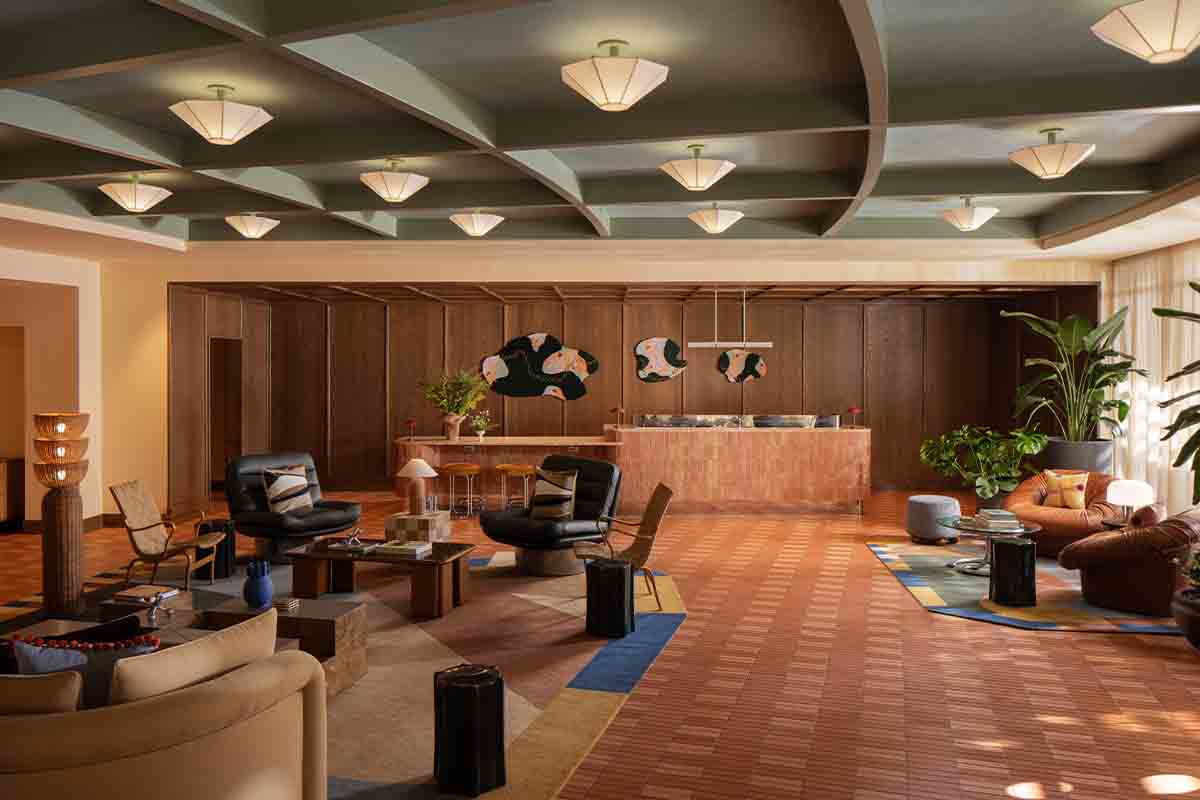
United States joins Spain, India and Brazil as historic buildings drive a new era of tourism, with restored palaces, former banks, military buildings and coastal retreats attracting travellers. Across several destinations, heritage conservation and modern hospitality are coming together, offering visitors new ways to experience architecture, culture and history.
Historic Buildings Are Finding New Life Across Global Tourism Destinations
Historic buildings are becoming an important part of the global travel experience. Across North America, Europe, Asia and South America, former palaces, military residences, warehouses and other landmark properties are being transformed into modern accommodation.
Rather than demolishing ageing structures, developers are restoring architectural features and introducing contemporary facilities. This approach, known as adaptive reuse, helps preserve local identity while creating new opportunities for tourism.
From Raleigh’s distinctive modernist architecture to India’s restored royal palaces, several destinations demonstrate how historic preservation can support the hospitality industry.
Advertisement
Advertisement
United States: Raleigh, San Francisco and Palm Springs Showcase Architectural Heritage
In Raleigh, North Carolina, a rare cylindrical tower dating from 1969 has been preserved through a $36 million redevelopment.
The building now houses Hotel Indigo Raleigh, where its circular design remains a defining architectural feature. Its unusual floor plan and panoramic rooftop views offer visitors a distinctive perspective on the city.
Advertisement
Advertisement
San Francisco provides another example through the Inn at the Presidio. Originally constructed in 1903 as accommodation for United States Army officers, the restored building now operates as a 22-room boutique property within the Presidio.
Meanwhile, Palm Springs continues celebrating its mid-century architectural identity. The Ace Hotel & Swim Club occupies a former roadside motor lodge and diner, retaining elements of its original design.
Advertisement
Advertisement
These developments highlight the diversity of American heritage tourism, from military history to modernist architecture.
Spain: Madrid Preserves Its Palatial Architecture
Madrid’s historic buildings continue contributing to the Spanish capital’s luxury tourism appeal.
Rosewood Villa Magna occupies a site associated with the former Anglada Palace, a 19th-century residence known for its Moorish-Eclectic architectural heritage.
Its interiors feature more than 380 artworks, connecting historic design traditions with contemporary artistic expression.
Advertisement
Advertisement
Located along Paseo de la Castellana, the 154-room property reflects how Madrid combines architectural conservation with modern hospitality.
For visitors, such developments provide opportunities to explore the city’s cultural identity beyond its established museums and monuments.
Ireland: Kilkenny and Dublin Strengthen Heritage Tourism
Ireland’s historic estates and landmark buildings remain central to its tourism offering.
Near Kilkenny, Mount Juliet Estate has restored its Georgian Manor House, originally dating from 1757.
The refurbishment preserves historic fireplaces, timberwork and decorative features while expanding accommodation to 31 rooms and suites.
The surrounding 500-acre estate supports countryside experiences, including golf, fishing and equestrian activities.
Advertisement
Advertisement
In Dublin, The Shelbourne continues preserving its architectural heritage overlooking St Stephen’s Green.
Established in 1824, the landmark property has evolved through successive renovations while maintaining its historic identity.
Together, these destinations demonstrate Ireland’s continuing connection between heritage preservation and tourism.
United Kingdom and France: London and Paris Reimagine Historic Landmarks
London is demonstrating how former commercial buildings can support modern hospitality.
Rosewood London occupies the former Pearl Assurance headquarters, a Grade II-listed Edwardian landmark.
Its restoration preserved original architectural details, including a seven-storey staircase and historic interior materials.
Advertisement
Advertisement
Elsewhere in London, a&o London Docklands Riverside has transformed a historic riverside warehouse into contemporary accommodation following a $28 million investment.
In Paris, L’Adrienne Vendôme Paris is scheduled to open in spring 2027 at the historic address of the former Hôtel de Noailles.
The location is associated with Adrienne de Lafayette and her husband, the Marquis de Lafayette, adding historical significance to the forthcoming development.
Brazil and India: Historic Landmarks Support Cultural Tourism
São Paulo has transformed part of its architectural heritage through the restoration of the former Matarazzo Maternity building.
Now incorporated into Rosewood São Paulo, the historic structure forms part of the Cidade Matarazzo development.
The project combines restored architecture, contemporary design and hundreds of artworks created with local artists.
Advertisement
Advertisement
In India, Madhya Pradesh offers another example through the restored Rajgarh Palace near Khajuraho.
The 350-year-old royal property underwent a seven-year restoration involving more than 1,000 local artisans.
Its revival connects visitors with Bundela architectural traditions, regional craftsmanship and nearby cultural attractions, including Khajuraho’s UNESCO-listed temples.
China and Italy: Traditional Architecture Creates New Travel Experiences
In China’s Yunnan province, Songtsam Lodge Shangri-La occupies the former family residence of documentary filmmaker Baima Duoji.
Converted into accommodation in 2000, the property preserves traditional Tibetan architecture while offering cultural experiences connected to the surrounding community.
Venice provides a European counterpart through Sina Centurion Palace.
Advertisement
Advertisement
The former Palazzo Genovese, built in 1892, was converted into a luxury hotel in 2009.
Archaeological discoveries during restoration revealed remains of earlier settlements and religious buildings, adding historical depth to the property.
Heritage Conservation Opens New Opportunities for Tourism
Adaptive reuse offers destinations a way to preserve architectural landmarks while supporting accommodation, employment and visitor experiences.
However, successful restoration requires careful planning, investment and respect for historic structures.
The examples across these countries illustrate how older buildings can remain economically useful without losing their cultural significance.
For travellers, the result is accommodation that connects a destination’s past with its present.
Advertisement
Advertisement
Historic buildings are becoming valuable tourism assets across the United States, Spain, India and Brazil. From restored palaces to former military residences, these projects connect cultural preservation with modern travel. As destinations seek distinctive visitor experiences, adaptive reuse offers opportunities to protect architectural heritage while supporting hospitality development.
Frequently Asked Questions (FAQs)
1. What is adaptive reuse in heritage tourism?
Adaptive reuse involves converting an existing building into a new functional space while preserving important architectural and historical features. In tourism, former palaces, warehouses, banks and military buildings may become hotels or visitor accommodation.
2. Which countries are transforming historic buildings into tourism destinations?
The United States, Spain, Ireland, the United Kingdom, France, Brazil, India, China and Italy feature examples of historic buildings being converted or restored for hospitality use.
3. How does heritage restoration benefit tourism destinations?
Advertisement
Advertisement
Heritage restoration can protect historic architecture, attract culturally interested travellers, support local employment and create distinctive accommodation experiences. Its benefits depend on careful conservation and commercially sustainable operations.
4. Which Indian destination features a restored royal palace?
Khajuraho in Madhya Pradesh features the restored Rajgarh Palace, a 350-year-old property that connects royal architecture, traditional craftsmanship and the region’s cultural attractions.
5. What makes historic buildings attractive to international travellers?
Historic buildings offer distinctive architecture, local stories and cultural experiences that conventional accommodation may not provide. Their original features can help visitors understand a destination’s history.
6. Is adaptive reuse a sustainable approach to tourism development?
Adaptive reuse can reduce the need for new construction and preserve existing building materials. However, its overall environmental benefits depend on restoration methods, energy performance, maintenance and the resources required to operate the property.
Advertisement
