

Malta Hosts WTTC Summit as Eight Priorities Aim to Unlock Better Travel and More Growth in European Tourism

Published
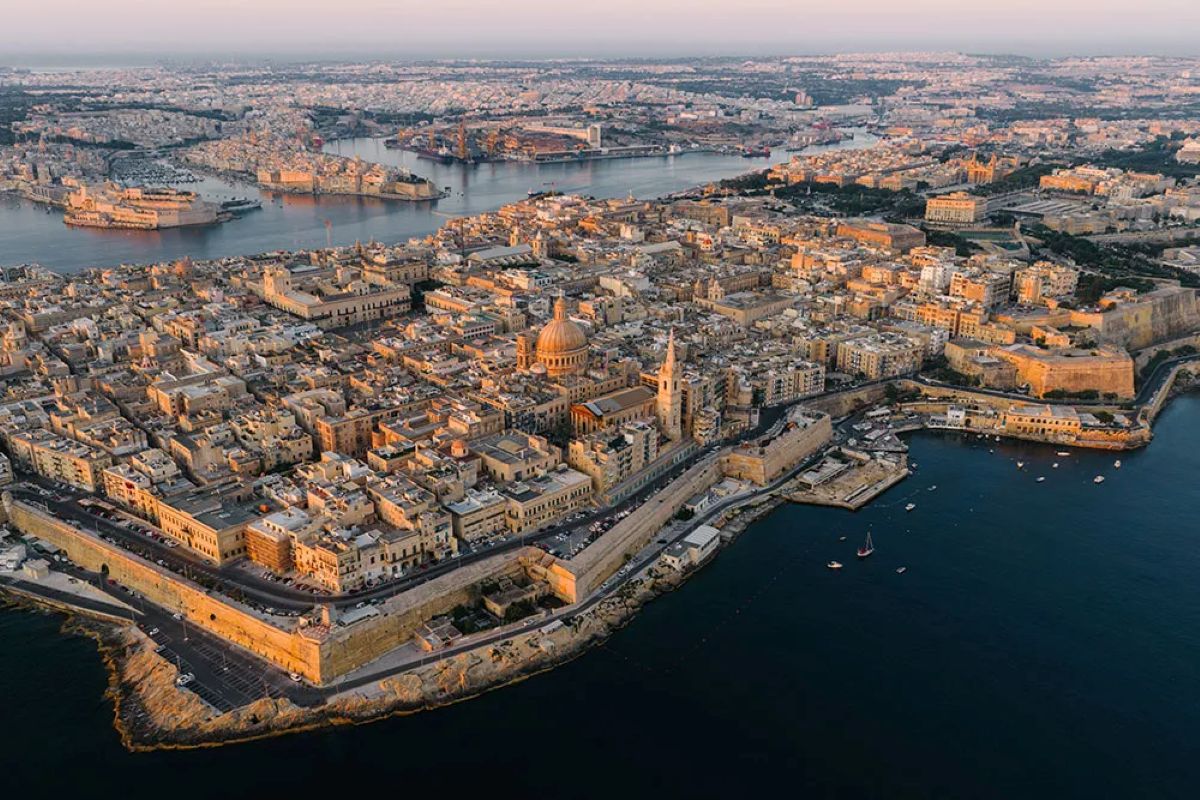
Malta hosts WTTC summit discussions in Valletta from 7–9 October 2026, bringing government representatives and tourism businesses together around eight priorities for growth and resilience. The talks build on a global agenda announced in June, covering borders, destinations, sustainability, technology, crises, connectivity, workers and investment. For holidaymakers and business travellers, the immediate distinction is clear: European Tourism faces a policy debate, not a new set of entry rules. The summit announcements introduce no passport exemption or automatic visa entitlement.
What the Verified Evidence Establishes
The table separates the summit’s main subjects from existing border measures. Percentages represent an editorial assessment of story emphasis, not official statistics, and total 100%.
| News Component | Share of Story | Officially Verified Finding | Relevance to Travellers | Official Source |
|---|---|---|---|---|
| Tourism strategy | 40% | Eight priorities announced in June | Proposed improvements require implementation | June priorities release. |
| Economic outlook | 25% | European sector growth forecast at 3.1% for 2026 | Expected growth, not guaranteed benefits | October economic release. |
| Borders and visas | 20% | Visa processing discussed; passport duties remain | Existing entry rules still apply | Summit dialogue; EU digital proposal. |
| Delivery and resilience | 15% | EU policy recognises implementation gaps | Local outcomes depend on practical action | May tourism conclusions. |
The evidence establishes a shared policy agenda. It does not demonstrate shorter queues, cheaper holidays or increased bookings caused by the summit.
The Current Position in Valletta
The 26th summit runs at the Mediterranean Conference Centre, with more than 1,000 international delegates. Its 7 October dialogue involved government and business representatives from 24 countries. Discussions addressed smoother journeys and investment conditions, including regulation, infrastructure and connectivity. The programme connects traveller access with wider destination competitiveness. The agenda includes staff retention and mobility, artificial intelligence and robotics, climate action, stronger crisis recovery, new travel corridors and improved relationships between destinations and residents.
Advertisement
Advertisement
Why European Tourism Policy Matters to Visitors
Borders, transport access and staffing shape how tourism operates. The agenda matters because it connects these practical issues with destination management and environmental protection. Hotels, transport providers and local businesses have an interest in delivery, while residents face the challenge of accommodating visitors without allowing tourism pressure to undermine everyday life.
From Earlier Proposals to the October Summit
A negotiating position on an EU digital travel application was adopted on 19 November 2025. The Entry/Exit System became fully operational on 10 April 2026. European tourism policy conclusions followed on 28 May, before the eight global priorities were announced on 4 June after more than 200 industry interviews.
Advertisement
Advertisement
Malta hosts WTTC summit talks from 7–9 October, bringing those policy themes into the current discussion. An updated economic forecast and the leaders’ dialogue were published on 7 October. The earlier border changes developed separately from the summit.
Understanding the Context Behind the Development
The immediate development is the summit’s discussion of an established agenda. Available evidence links the priorities to industry consultation, but does not establish one cause behind every issue addressed.
Advertisement
Advertisement
Growth Creates Planning Needs
Published forecasts anticipate expanding tourism activity. That outlook provides economic context for discussions about investment, skills and infrastructure; it does not show that the summit itself created additional demand.
Destinations Face Different Pressures
Official EU accommodation statistics show growth alongside national declines. Overcrowding and weak demand therefore require different local responses. As Malta hosts WTTC summit discussions, the strongest verified explanation is a shared search for practical improvements, with implementation still unresolved.
European Tourism Figures and Their Limits
Published industry estimates put Europe’s 2025 tourism contribution at US$3 trillion, supporting 40.7 million jobs. International visitor spending totalled US$835 billion. For 2026, European spending forecasts indicate increases of 5.8% internationally, 3.1% for leisure and 4.2% for business travel. These categories measure spending, not passenger numbers.
Official EU statistics recorded 1.321 billion accommodation nights in January–June 2026, up 1.7% from the same period in 2025. Malta increased 9.9%, while Cyprus declined 7.7%. Foreign guests represented 48.9% of EU nights and 95.2% in Malta. These EU accommodation measures differ geographically and methodologically from the wider European economic estimates.
Advertisement
Advertisement
Official Policy Emphasises Quality and Delivery
Malta’s published government position on 8 October emphasised quality, value and sustainability, supported by infrastructure, skills and technology. Separately, the May EU conclusions called for accessible transport, better working conditions and community involvement. They acknowledged uneven implementation across countries. These statements establish policy objectives, not proof that the intended benefits have already reached travellers.
Immediate Effects and Longer-Term Possibilities
The summit announcements do not require travellers to change existing bookings. Visa applications, biometric borders and AI-supported processing featured in discussions, but no new visa scheme emerged from the cited release. Golden visas were considered alongside tax incentives and special economic zones. Potential improvements to journeys depend on subsequent decisions and operational delivery.
What Delivery Could Mean for European Tourism
The evidence suggests that investment alone will not resolve every constraint. Staffing, transport links and destination planning also feature in the agenda. For businesses, the practical implication is to assess local demand and operating conditions alongside continental forecasts. No published evidence reviewed establishes a summit-driven increase in bookings, profits or traveller confidence.
Europe’s Outlook in Global Context
European Tourism growth is forecast at 3.1% in 2026, against 2.5% globally, a gap of 0.6 percentage points. Europe recorded 2.6% growth in 2025. Malta’s projected tourism contribution reaches US$4.9 billion, or 16.9% of GDP, supporting more than one in five jobs. Forecasts describe expected performance, not completed results.
Existing Entry Requirements Still Apply
The Entry/Exit System records eligible non-EU visitors’ document details, biometrics and border movements. Digital travel proposals retain physical passport or identity-card requirements. Standard Schengen visa fees are €90 for adults and €45 for children aged 6–12, subject to exemptions and special arrangements. Requirements vary by nationality and circumstances; the destination’s consulate remains the appropriate source.
Check Documents and Monitor Border Updates
Travellers affected by Schengen entry requirements should continue preparing under existing rules. The summit itself creates no new application deadline.
Advertisement
Advertisement
- Confirm visa eligibility with the relevant consulate.
- Check passport validity and supporting-document requirements.
- Allow for normal visa processing of 15 days, potentially extending to 45.
- Monitor official ETIAS announcements before applying or paying.
Existing plans need no summit-related alteration on the evidence reviewed. Border-system announcements require separate attention.
Confirmed Next Steps for European Tourism
ETIAS, the planned authorisation for eligible visa-exempt travellers, is scheduled for the final quarter of 2026. The precise starting date remains unannounced, and applications are not being collected. Separately, EU tourism conclusions request implementation reporting every three years. The eight-priority announcement sets no common deadline for delivering all its recommendations.
Progress Will Depend on Implementation
As Malta hosts WTTC summit talks, European Tourism faces a clear distinction between policy ambition and practical change. Eight priorities connect visitor journeys with investment, workers, communities and environmental protection. Published forecasts indicate growth, while official accommodation figures reveal uneven destination performance. The summit announcements create no passport exemption or automatic visa entitlement. Travellers should follow existing requirements and monitor confirmed border updates. Businesses should assess local conditions alongside broader projections. Lasting progress will depend on funded measures, effective coordination and evidence of better outcomes. Further official announcements will determine when proposed improvements become changes that visitors can actually experience.
Advertisement
