
Germany Is Opening the Door to Magical Autumn Travel as Bavaria Reveals Better Escapes and New Adventures

Updated
Published
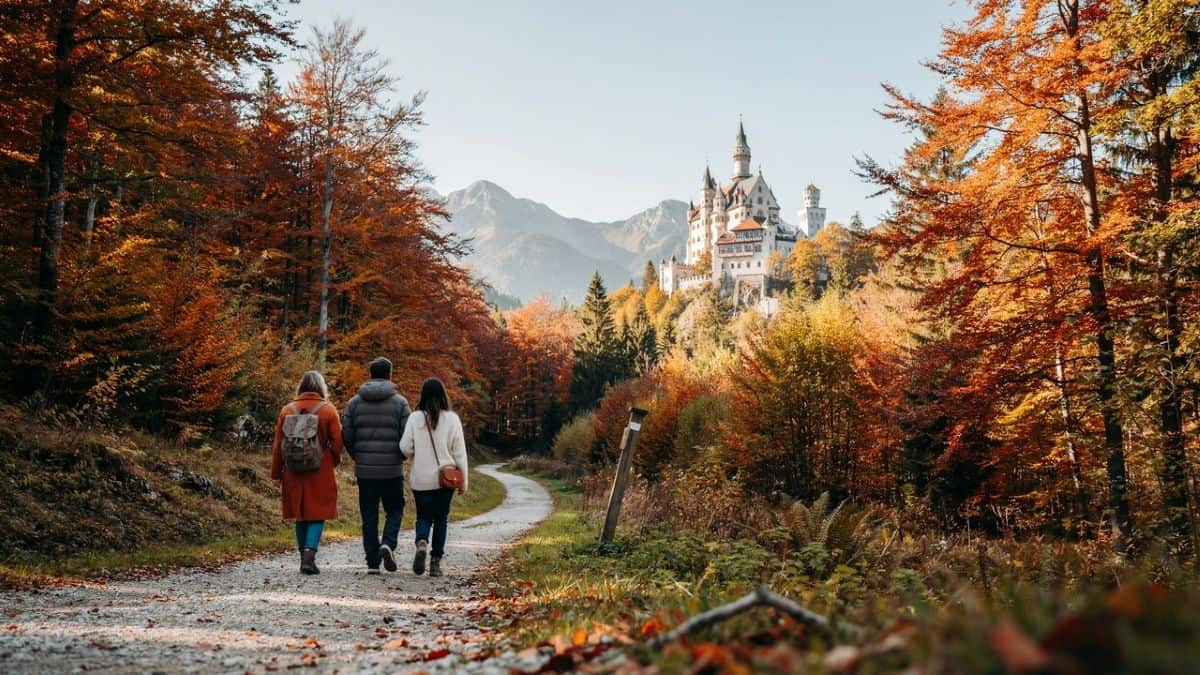
Image generated with Ai
Germany and Czechia are receiving renewed destination attention on 6 September 2026 as travellers consider European trips beyond the main summer period. Official tourism boards promote Bavaria’s landscapes, castles and wellness facilities alongside Czechia’s walking routes, spa towns and regional transport. This Autumn Travel trend matters because almost one-third of EU accommodation nights remain concentrated in July and August. It could distribute visitors and tourism spending across more months. No special fare, route, visa or passport change accompanies the development. Travellers can plan seasonal holidays immediately, but must check current prices, attraction availability, transport timetables and established Schengen entry requirements.
Verified Evidence Shows Where Autumn Travel Fits Within the Story
This story principally concerns seasonal destination tourism rather than aviation, immigration or regulatory change. Official European statistics demonstrate that visitor demand remains concentrated around summer, while national tourism organisations present autumn as an alternative period for cultural visits, walking holidays, wellness breaks and regional exploration. The percentages below represent an editorial assessment of the story’s verified focus, not government statistics. They measure the relative importance of each subject within the available official evidence and total exactly 100%.
Advertisement
Advertisement
| News Component | Share of Story | Officially Verified Finding | Relevance to Travellers |
|---|---|---|---|
| Seasonal tourism demand | 35% | July and August represented 31.1% of EU accommodation nights in 2025 | Explains the case for travelling beyond summer |
| Germany and Bavaria tourism | 25% | Germany promotes autumn walking, castles, thermal wellness and regional experiences | Provides alternatives to conventional summer holidays |
| Czechia regional tourism | 20% | September to November is promoted for countryside, heritage and spa trips | Supports travel beyond Prague and other busy centres |
| Tourism economy | 10% | The EU recorded 1.321 billion accommodation nights during the first half of 2026 | Shows that seasonal campaigns operate within a strong market |
| Transport and accessibility | 5% | Rail, coach and regional transport connect cities with smaller destinations | Helps travellers create multi-stop itineraries |
| Visa and passport policy | 5% | No seasonal visa exemption or passport change has been announced | Existing national and Schengen rules continue to apply |
The verified evidence establishes a genuine seasonal tourism opportunity, supported by official accommodation data and destination guidance. It does not demonstrate that autumn prices will always be lower, that every attraction will be quiet or that demand has already shifted significantly away from summer. It also provides no evidence of airline expansion, new rail routes or immigration reform caused by the trend. Travellers should understand the development as a destination and demand story. It concerns how existing tourism assets can attract visits beyond summer, rather than a new travel policy or transport announcement.
Current Situation Places Seasonal Tourism Beyond the Summer Peak
European tourism entered the second half of 2026 after another period of growth. Official data recorded 1.321 billion overnight stays in EU tourist accommodation during the first six months, representing a 1.7% increase from 1.299 billion in the same period of 2025. International guests generated 645.4 million nights, or 48.9% of the total. Their nights rose by 2.5%, compared with growth of 0.9% among domestic visitors. The figures confirm strong travel demand, although they do not separately measure September, October or November bookings.
Advertisement
Advertisement
The present Autumn Travel opportunity therefore sits within a growing but highly seasonal market. Around 31.1% of all EU accommodation nights in 2025 occurred during July and August. The concentration reached 54.5% in Croatia, 43.4% in Bulgaria and 41.6% in Greece. Germany recorded a lower ratio of 24%, showing a comparatively balanced annual market. Still, seasonal promotion can help Bavaria attract visitors after summer. Czechia can use the same period to encourage journeys towards regional landscapes, spa destinations and heritage communities beyond its most visited urban centres.
Advertisement
Advertisement
Why Autumn Travel Matters to Destinations and Travellers
Seasonal distribution matters because tourism concentrated within several weeks can place pressure on accommodation, roads, attractions, public spaces and local services. A broader visitor calendar can help hotels retain occupancy after summer while supporting restaurants, guides, museums and regional transport. Smaller communities may benefit when travellers leave capital cities for walking routes, vineyards, forests, spa towns and historic settlements. This does not guarantee equal benefits for every destination. Actual value depends on visitor spending, length of stay, local ownership, available capacity and effective destination management.
For travellers, the main advantage lies in greater choice rather than guaranteed savings. Cooler temperatures may support walking and sightseeing, while changing foliage creates a strong setting for countryside journeys. Cultural attractions and thermal facilities also provide alternatives when weather restricts outdoor plans. However, popular foliage weekends, festivals and school holidays can still produce high demand. Room prices may rise around major events, and timed-entry attractions can sell out. Travellers should compare live prices and availability instead of relying on general claims that every autumn trip will be cheaper or less crowded.
Official Timeline Explains How the Seasonal Opportunity Developed
The longer-term context began with Europe’s heavy dependence on summer tourism. In 2024, EU residents made nearly 1.2 billion overnight trips, with 92% taking place within the European Union. Accommodation demand then reached approximately 3.08 billion nights in 2025, around 2% above the previous year. International visitors delivered much of that increase. During the same year, July and August retained almost one-third of all nights. These results confirmed both record demand and continued seasonality, strengthening the case for destinations to promote other months.
Advertisement
Advertisement
During the first half of 2026, accommodation nights increased by a further 1.7%. International demand grew almost three times faster than domestic demand. By September 2026, existing seasonal guidance placed Bavaria’s cultural and natural assets alongside Czechia’s regional experiences as practical alternatives to summer travel. The Autumn Travel story did not begin with a government decree or a single operational announcement. It developed through destination promotion supported by accommodation statistics, established tourism infrastructure and sustained interest in countryside, heritage, food, wellness and slower itineraries.
How Autumn Travel Builds on Bavaria and Czechia’s Existing Strengths
Bavaria’s position comes from tourism assets that remain relevant in cooler weather. Its royal heritage includes Neuschwanstein, Linderhof, Herrenchiemsee and Aachen. The German Alpine Road connects Lake Constance with Schönau am Königssee through southern landscapes and mountain communities. Munich adds museums, cultural venues, markets and established hospitality. Germany also has more than 350 spas and health resorts, with major thermal facilities located in Bavaria. These assets create a mixture of indoor and outdoor activities, allowing travellers to adapt their plans when temperatures fall or rain affects mountain excursions.
Advertisement
Advertisement
Czechia combines heritage tourism with an extensive regional walking network. Official information identifies approximately 43,000 kilometres of marked trails. Potential destinations include the caves and Macocha Abyss of Moravian Karst, the volcanic landscape of České středohoří, Kokořínsko’s sandstone formations, the Lužické Mountains and Pálava’s vineyards. Karlovy Vary provides an established spa option. Rail and coach connections can help visitors travel beyond Prague without hiring a car. These features support countryside stays and multi-stop journeys, although travellers must check seasonal timetables, accessibility and attraction hours individually.
What Travellers Should Do Now and Watch Next
Travellers can begin planning seasonal journeys, but they should base decisions on current official information. Autumn weather can change quickly, particularly in mountain areas. Rain, wind, fog, early frost and shorter daylight can affect walking, driving and sightseeing. Fallen leaves may make paths slippery, while rural attractions and smaller businesses may reduce operating hours after summer. Historic buildings can also present accessibility difficulties. Travellers with mobility requirements should confirm step-free access, station facilities and suitable transport before purchasing non-refundable tickets.
Important planning points include:
- Confirm passport validity and visa eligibility through official government channels.
- Check established Schengen entry requirements before departure.
- Review applicable Entry/Exit System procedures for non-EU short-stay visitors.
- Compare live flight, rail, coach and accommodation prices.
- Reserve popular castles, museums and timed-entry attractions.
- Check regional transport timetables and planned engineering work.
- Verify opening hours for rural attractions, restaurants and visitor centres.
- Monitor official weather, road and walking-trail information.
- Carry suitable clothing for rain, lower temperatures and shorter daylight.
- Review cancellation terms for weather-dependent activities.
- Confirm accessibility directly with attractions and transport authorities.
What happens next will depend on measurable demand rather than destination publicity alone. Monthly accommodation statistics, regional occupancy levels, visitor expenditure and transport usage will show whether more travellers move beyond the summer peak. Germany and Czechia can continue promoting cultural, rural, wellness and nature-based experiences, but no official evidence confirms a permanent seasonal shift yet. Autumn Travel offers a credible route towards a broader tourism calendar. Its success will depend on reliable transport, responsible visitor management, realistic pricing, open attractions and clear official information that helps travellers plan with confidence.
Germany Autumn Travel Gains Momentum as Bavaria and Czechia Offer Quieter Seasonal Escapes
Germany’s Autumn Travel momentum shows how Bavaria and Czechia can offer quieter seasonal escapes while helping Europe spread tourism beyond its crowded summer peak. Official data confirms strong visitor demand and continued concentration in July and August, strengthening the case for cultural, nature-based and regional journeys later in the year. Travellers should still compare live prices, reserve popular attractions, check transport schedules and follow established entry requirements. Future results will depend on measurable overnight stays, regional spending, reliable services and responsible destination management. Autumn Travel can support local communities when growth remains balanced, accessible, evidence-led and sustainable for future visitors.
Advertisement
