

Overtourism Forces Europe Into Action as Italy and Major Nations Introduce Tough New Travel Restrictions

Published
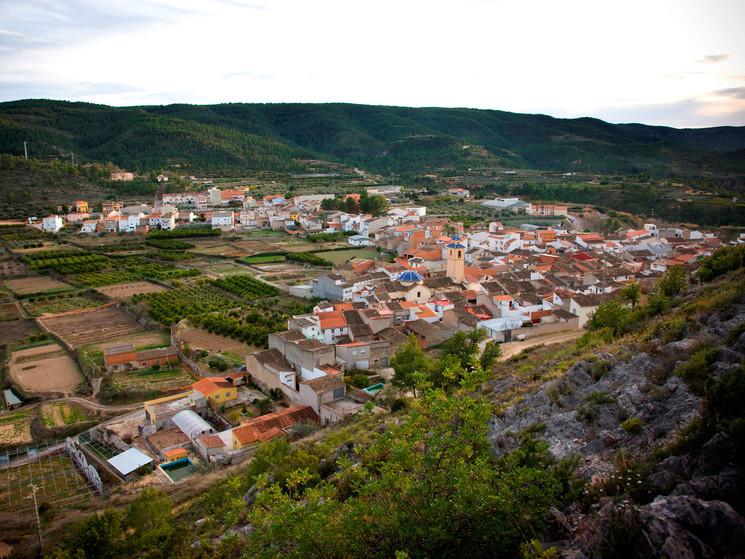
Tourists face new fees, rental limits and entry rules as Europe battles overtourism in 2026. The continent’s biggest destinations are rewriting the travel playbook. Spain, Italy, Greece, the Netherlands, France, Croatia, Portugal, Norway and parts of the United Kingdom are adopting measures that include tourist taxes, cruise levies, short-term rental restrictions, visitor reservation systems, accommodation caps and carrying-capacity planning. The aim is not to discourage travel entirely. Instead, authorities are trying to protect housing, reduce crowding, preserve natural and historic sites, improve local infrastructure and distribute tourism more evenly across seasons and destinations. The shift is becoming one of the most important structural changes in European tourism.
As of 7 October 2026, several European destinations are adopting much more interventionist tourism policies. The strongest measures are appearing in Spain, Italy, Greece, the Netherlands, Croatia, Portugal, Norway and the United Kingdom, while countries such as France, Austria, Ireland and Iceland are increasingly using destination-management, accommodation regulation and “value over volume” policies to prevent tourism pressure from becoming unmanageable.
European Countries Introducing New Strategies to Manage Overtourism
| Country | Destination / Scope | New or Recent Tourism Strategy | Main Measures | Timing / Current Status | What It Means for Tourists | Main Objective |
|---|---|---|---|---|---|---|
| Spain | Balearic Islands: Mallorca, Ibiza, Menorca, Formentera | Tourism Containment Decree, Decree-Law 4/2025 | Prohibits new tourist accommodation places in multi-family residential buildings; maintains controls on tourism-bed growth; increases penalties for illegal accommodation to as much as €500,000; allows tourism capacity limits to be established by island authorities; promotes conversion of obsolete tourism properties. | Approved April 2025 and subsequently validated by the Balearic Parliament. | Visitors should expect tighter legal accommodation supply and stronger enforcement against unlicensed holiday rentals. | Stop uncontrolled tourism-bed growth, tackle illegal rentals, protect housing and improve coexistence between tourists and residents. |
| Spain | Canary Islands | New sustainable regulation of tourist use of residential housing | Municipal planning must protect housing for permanent residents, avoid excessive concentrations of holiday accommodation and take tourism pressure and acceptable carrying capacity into account. The legislation explicitly refers to avoiding overtourism and tourist overcrowding. | Canary Islands law enacted in December 2025. | Holiday-home availability could become more restricted in heavily visited districts and islands. | Protect housing, prevent excessive touristification and prevent tourism pressure exceeding sustainable territorial limits. |
| Italy | Venice | Venice Access Fee experiment | Day visitors to the historic centre were charged €5 when booked early or €10 when booked close to arrival. The 2026 experiment operated for 60 selected days, mainly around high-demand periods. Advance booking is encouraged to improve visitor-flow management. | 2026 experiment ran from 3 April to 26 July; it had ended by 27 July 2026. Future application requires further municipal decisions. | Day-trippers may face booking requirements and entrance charges again if Venice continues or expands the scheme. Overnight guests are treated differently because they already pay local accommodation taxes. | Manage peak-day congestion, encourage advance planning and gather information for long-term crowd management. |
| Greece | Santorini, Mykonos and other cruise ports | New cruise passenger levy and tighter tourism management | Cruise passengers disembarking at Santorini or Mykonos pay €20 during June–September. Other Greek ports charge €5 during the same period. Rates fall during shoulder and winter months. Greece has also been tightening controls around short-term accommodation. | Introduced under Greece’s recent tourism-management reforms and now part of the country’s strategy for high-pressure destinations. | Cruise travellers face substantially higher peak-season charges at Greece’s two most pressured islands. | Spread demand beyond the busiest months, offset infrastructure pressure and manage extremely concentrated cruise arrivals. |
| Netherlands | Amsterdam | Stronger neighbourhood-level holiday-rental controls | Homes can normally be rented to tourists for no more than 30 nights annually, but eight heavily affected neighbourhoods in Centrum and De Pijp have a 15-night limit. Amsterdam proposed adding Helmersbuurt to the 15-night regime from 2027. | 15-night restriction operating in eight neighbourhoods in 2026; another area proposed for 2027. | Fewer entire homes may be available as holiday rentals in the busiest central districts. | Reduce residential nuisance, protect housing and prevent tourism accommodation from overwhelming residential neighbourhoods. |
| France | National framework, with Paris among the strongest users | Tougher short-term-rental regulation | French municipalities can establish quotas for furnished tourist rentals, protect areas for primary residences and reduce the annual rental ceiling for a primary residence from 120 days to 90 days. | New powers apply from 2025. Paris implemented the 90-day annual ceiling from 1 January 2025. | Travellers may find fewer short-term apartments in heavily visited cities, particularly Paris. | Return housing to residential use and give municipalities stronger tools against excessive conversion of homes into tourist accommodation. |
| Croatia | Nationwide, especially highly developed coastal destinations | Tourism Act and Sustainable Tourism Development Strategy to 2030 | Local destinations must prepare destination-management plans. Highly developed tourism areas use carrying-capacity calculations. Tourism organisations receive tools for managing tourist flows, while authorities are tackling excessive accommodation expansion and improving registration of rentals. | Tourism Act effective since January 2024; implementation continued through 2025–26. A new rental-registration framework was proposed in 2026. | Popular destinations may increasingly use capacity limits, planning controls and stricter accommodation management rather than simply promoting higher visitor numbers. | Shift Croatia from volume-led seasonal tourism towards managed, year-round, higher-quality tourism. |
| Portugal | Madeira | Reservation and fee system for protected hiking routes | Since 1 January 2026, access to Madeira’s classified PR walking trails requires an advance reservation using allocated 30-minute entry slots. The standard visitor fee is €4.50, with residents exempt. | Operating in 2026. | Travellers cannot simply arrive at some of Madeira’s most popular official trails without booking; visitor numbers can be distributed by time slot. | Prevent overcrowding on environmentally sensitive trails, improve safety and fund conservation and management. |
| Norway | Tourism-heavy municipalities nationwide | New Visitor Contribution Act | Municipalities experiencing particularly heavy tourism pressure can introduce an accommodation tax. Revenue must support tourism-related common infrastructure. A cruise levy framework is also being developed. | Law entered into force 1 July 2026; qualifying municipalities can begin imposing accommodation levies from 1 January 2027 after approval of spending plans. | Hotel and other overnight stays in high-pressure Norwegian destinations may become more expensive from 2027. | Make visitors contribute to infrastructure, public spaces and services strained by high visitor volumes. |
| United Kingdom | Edinburgh, Scotland | Edinburgh Visitor Levy | A 5% levy applies to paid overnight accommodation and is charged on the first five consecutive nights. Revenue supports infrastructure, culture, heritage, green spaces and destination management. | Began 24 July 2026 for qualifying bookings. Expected to generate as much as £50 million annually once established. | Accommodation costs in Edinburgh now include an additional levy for applicable bookings. | Make tourism help finance the infrastructure and services required by one of Britain’s busiest visitor cities. |
| United Kingdom | Wales | Visitor Accommodation Register and Visitor Levy | Welsh councils may introduce a levy of £1.30 per person per night for most accommodation and 75p for adults in hostels and campsites. Wales is also establishing a mandatory visitor-accommodation register. | Law received Royal Assent in September 2025. Registration starts in 2026; local levies can operate from April 2027. Cardiff has already chosen to introduce one. | Overnight tourists in participating Welsh council areas will pay an additional charge. | Finance destination infrastructure, nature protection and community services while improving data on tourist accommodation. |
| Austria | Vienna | Optimum Tourism / Visitor Economy Strategy | Vienna has moved away from pure arrival or overnight-growth targets. It measures tourism acceptance among residents and visitor satisfaction and wants roughly two-thirds of visitors to become high-value “desired guests”, including cultural, meetings and higher-spending travellers. | Updated Visitor Economy Strategy announced in April 2025 and embedded in Vienna’s 2025 policy programme. | Marketing will increasingly target visitors who spend more, stay productively and place less pressure on the city than sheer mass tourism. | Prevent the problems seen in more saturated European cities by prioritising quality and resident acceptance over volume. |
| Ireland | Nationwide | Tourism Policy Framework / A New Era for Irish Tourism | Ireland is shifting towards regional and seasonal dispersal, greater tourism revenue rather than simply visitor volume, sustainable accommodation and improved data. The government launched work on a new Tourist Accommodation Strategy in 2026. | National policy operating through 2030; accommodation-strategy consultation launched April 2026. | Promotion and investment should increasingly push tourists towards emerging destinations and quieter seasons rather than concentrating demand in already popular areas. | Achieve regional balance, reduce seasonal pressure and maximise economic value while protecting communities and the environment. |
| Iceland | Nationwide | Tourism Policy to 2030 | Iceland’s strategy places tourism under four pillars — economy, society, environment and visitors — and explicitly seeks a tourism industry operating in balance with the country and its population. | Tourism Strategy to 2030 is being implemented through an action programme. | Policies are increasingly expected to concentrate on visitor management, sustainability and infrastructure rather than unrestricted demand growth. | Maintain tourism profitability while protecting landscapes, communities and resident acceptance. |
Why Is Europe Moving Away From Unlimited Tourism Growth?
For decades, European tourism strategies largely focused on increasing arrivals, hotel nights and visitor spending. That model is changing as heavily visited destinations confront overcrowding, housing shortages, environmental stress and pressure on public infrastructure. Governments are increasingly treating tourism as something that must be managed, not simply marketed. Popular cities and islands now face difficult questions about how many visitors they can realistically accommodate without harming residents or degrading the visitor experience itself. This has pushed policymakers toward a “value over volume” approach. Instead of measuring success only through record arrivals, destinations are looking at spending, seasonality, local acceptance, environmental impact and capacity. The result is a more interventionist tourism system in which visitor numbers, accommodation supply and access to attractions can be actively regulated. Europe is effectively redefining tourism success around balance rather than continuous expansion.
How Is Spain Using Housing Rules to Control Tourism Pressure?
Spain has become one of Europe’s most active laboratories for overtourism policy because tourism pressure varies sharply between regions. The Balearic Islands have tightened controls on tourist accommodation by limiting new tourism places in residential buildings, increasing penalties for illegal rentals and giving island authorities greater power over tourism capacity. The Canary Islands have also introduced legislation designed to prevent excessive concentrations of holiday accommodation and protect housing for permanent residents. These policies directly connect tourism management with housing availability, an issue that has become politically and economically significant in many Spanish destinations. Rather than relying exclusively on tourist taxes, regional governments are focusing on the supply of accommodation itself. That matters because short-term rentals can dramatically increase tourism capacity without requiring traditional hotel development. Spain’s evolving strategy therefore aims to manage visitor growth at its source by limiting how much tourism accommodation can expand in already saturated communities.
Advertisement
Advertisement
Why Is Venice Charging Day Visitors Instead of Only Hotel Guests?
Venice is testing one of Europe’s most unusual overtourism tools by targeting day visitors rather than focusing only on overnight tourists. The city’s access-fee experiment was designed around the idea that day-trippers can generate intense congestion while contributing less through accommodation taxes. During selected peak days in 2026, visitors entering Venice’s historic center paid a lower fee when booking in advance and a higher amount when reserving closer to arrival. The system encouraged tourists to plan ahead while giving city authorities better information about expected crowds. Venice is not simply using the fee as a revenue mechanism. It is also experimenting with behavioral management. By changing the cost depending on booking timing, the city can encourage more predictable visitor flows. The initiative reflects a wider European trend in which destinations are beginning to manage when travelers arrive, not only how many arrive over an entire year.
How Is Greece Using Cruise Levies to Reduce Island Congestion?
Greece is addressing overtourism by focusing on one of the most concentrated forms of visitor pressure: cruise tourism. Santorini and Mykonos can receive thousands of cruise passengers within a few hours, creating intense pressure on transport, public spaces and local infrastructure. Greece responded by introducing a higher levy for cruise passengers disembarking at these islands during the busiest summer months. Lower charges apply at other ports and during less crowded periods. This creates a seasonal pricing structure that makes peak-season visits more expensive while preserving incentives for cruise calls outside the busiest months. The approach recognizes that tourism pressure is not evenly distributed across Greece. A visitor arriving on a winter day does not create the same congestion as thousands arriving simultaneously during summer. By varying the levy by place and season, Greece is using price signals to encourage better distribution of tourism demand.
Advertisement
Advertisement
Why Are Amsterdam and Paris Restricting Short-Term Rentals?
Amsterdam and Paris increasingly view short-term rentals as both a tourism issue and a housing issue. In Amsterdam, holiday rentals are subject to annual limits, with stricter rules in neighborhoods experiencing the highest levels of tourism pressure. Some districts allow considerably fewer rental nights than the citywide maximum. Paris has also reduced the number of days a primary residence can be legally rented to tourists. These measures are intended to keep residential properties in the long-term housing market and prevent entire neighborhoods from becoming dominated by visitor accommodation. The logic is straightforward: when homes are routinely converted into tourist rentals, housing supply for local residents can shrink while visitor capacity expands. That can increase neighborhood turnover and intensify crowding. By limiting rental days, cities can slow the growth of informal accommodation while retaining some flexibility for residents who occasionally rent their homes. Housing protection is becoming central to urban tourism policy.
How Is Croatia Using Carrying Capacity to Shape Tourism Growth?
Croatia is moving toward a more data-driven form of tourism management based on destination carrying capacity. Highly developed tourism areas are expected to prepare management plans that consider how much visitor activity local infrastructure, communities and environments can realistically support. This represents a major shift from traditional growth strategies that focused mainly on increasing arrivals and accommodation capacity. Carrying-capacity planning allows destinations to assess transport systems, water use, waste management, public services, beach congestion and other pressures before approving further tourism expansion. Croatia’s approach is particularly significant because many of its most popular destinations experience strong seasonal peaks along the Adriatic coast. A city or island may appear capable of supporting more tourism annually while still being overwhelmed during July and August. By integrating capacity analysis into destination planning, Croatia is attempting to prevent development from exceeding the limits of local communities and infrastructure.
Why Is Madeira Requiring Reservations for Popular Walking Trails?
Madeira is applying overtourism management to natural attractions rather than urban centers. The Portuguese island introduced advance reservations and timed entry for classified walking routes, including some of its most popular hiking trails. Visitors select designated entry periods and pay a fee, allowing authorities to distribute hikers more evenly throughout the day. This system helps reduce congestion on narrow paths, improves safety and limits environmental damage caused by concentrated foot traffic. It also generates revenue that can support maintenance and conservation. Madeira’s strategy demonstrates how visitor-management tools are spreading beyond famous cities and into environmentally sensitive landscapes. Natural attractions can experience overtourism even when total visitor numbers appear moderate because travelers often gather at the same viewpoints, trails and landmarks at the same time. Reservation systems give authorities direct control over daily flows and may become more common across Europe’s national parks and protected destinations.
How Are Norway, Scotland and Wales Making Visitors Fund Tourism Infrastructure?
Several European destinations are introducing visitor levies to ensure tourists contribute directly to the infrastructure they use. Norway has created a framework allowing heavily visited municipalities to introduce accommodation charges, with revenues directed toward tourism-related public services and facilities. Edinburgh has introduced a percentage-based visitor levy on paid overnight stays, while Wales has established legislation allowing local authorities to adopt their own charges. These systems reflect a growing belief that residents should not carry the full cost of infrastructure required by large tourism flows. Streets, public transportation, waste services, parks and cultural assets often require additional investment in popular destinations. Visitor levies provide a dedicated revenue stream that can help maintain these services. However, their significance goes beyond raising money. They also signal that tourism is increasingly being treated as an activity with measurable local costs. Destinations are moving toward a model in which visitor spending directly supports destination resilience.
Why Are Some Countries Choosing “Value Over Volume” Instead?
Not every destination is trying to control tourism through restrictions or fees. Austria, Ireland and Iceland are among places emphasizing a broader “value over volume” strategy. Vienna, for example, is focusing more strongly on attracting visitors who spend more, participate in cultural activities and contribute to the local economy without creating excessive pressure. Ireland is trying to spread tourism across different regions and seasons instead of concentrating visitors in established hotspots. Iceland’s tourism strategy similarly places greater emphasis on balancing economic benefits with environmental protection and community interests. These policies represent a softer form of overtourism management. Rather than directly limiting entry, governments attempt to influence what type of traveler visits, when they travel and where they go. The goal is to maintain tourism revenue while reducing the social and environmental costs associated with very high visitor concentrations. This approach could become increasingly important across Europe.
What Will Europe’s New Overtourism Policies Mean for Travelers?
European travel is likely to become more regulated, more expensive in high-demand areas and more dependent on advance planning. Travelers may increasingly encounter tourist taxes, cruise fees, accommodation restrictions, trail reservations, timed entry systems and tighter rules governing short-term rentals. The most popular destinations may also promote shoulder-season visits while directing tourists toward less crowded regions. These changes do not mean Europe is closing itself to tourism. Instead, governments are trying to preserve the destinations that visitors come to experience. Travelers who remain flexible may benefit from the shift. Visiting outside peak months, staying longer, choosing secondary destinations and booking official accommodation could become increasingly advantageous. The larger transformation is clear: European tourism policy is moving away from maximizing visitor numbers and toward actively managing tourism’s impact. The future of travel in Europe will increasingly depend on capacity, sustainability, local acceptance and better distribution of demand.
Europe’s overtourism crisis has been driven by record visitor concentrations, housing pressure, infrastructure strain and environmental stress in its most popular destinations. The answer is increasingly direct regulation. Governments are introducing taxes, cruise levies, accommodation restrictions, reservation systems and carrying-capacity rules. These policies are designed to spread demand, protect residents and make tourism pay more toward the places it affects. The reason is simple. Uncontrolled growth risks damaging the very destinations travelers want to experience. Europe is therefore shifting from chasing maximum arrivals to managing tourism more carefully, creating a model where economic benefits must coexist with livability and sustainability.
Advertisement
