
New England and Canada Turn Fall Foliage Cruises Into a Fresh Alternative to America’s Autumn Road Trips

Published
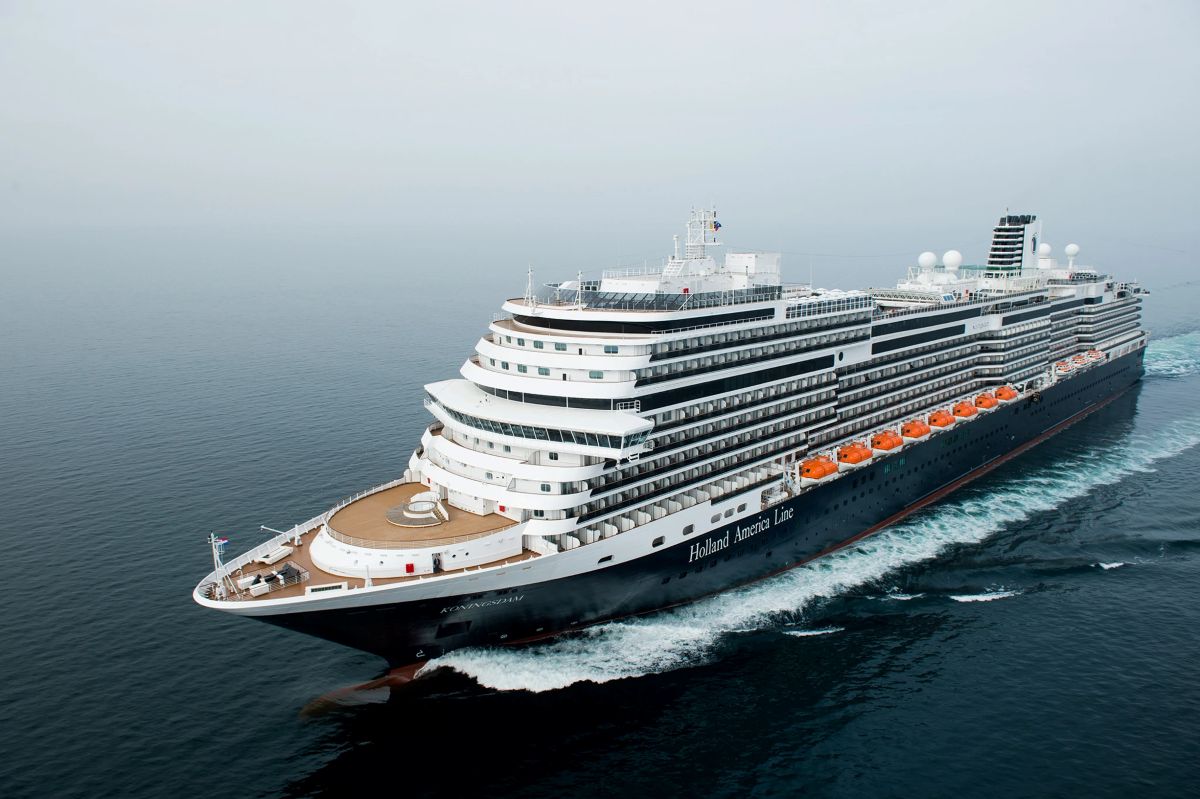
Autumn is becoming a cruise season in its own right as travellers seek easier ways to experience North America’s changing landscapes. Fall foliage cruises are drawing passengers towards New England, eastern Canada and the Hudson Valley, where peak colour coincides with September and October sailings. Cruise Lines International Association recorded 37.2 million ocean cruise passengers globally in 2025, up from 34.6 million in 2024. Nearly 90% of cruisers also say they intend to sail again. Cruise lines are responding with foliage-focused itineraries, longer port calls and smaller-ship options. Princess, Holland America, Norwegian, Royal Caribbean and American Cruise Lines all have autumn programmes in the region. For travellers, the proposition is straightforward: unpack once, skip long drives and reach several foliage destinations on one itinerary.
Autumn Becomes A Cruise Season
The traditional leaf-peeping journey has usually meant driving between small towns, scenic routes and national parks. That model still appeals, but cruises offer a compelling alternative for travellers who prefer a structured itinerary.
The attraction is especially strong in the Northeast. Travellers can board in New York, Boston, Québec City or nearby ports, then move through several destinations without changing hotels.
The timing matters. Peak colour generally arrives from late September through October across much of New England and eastern Canada. The precise window shifts with latitude, elevation and weather, making itinerary selection crucial.
Advertisement
Advertisement
Princess currently describes late September and October as prime periods for New England foliage. Its 2026 programme includes Majestic Princess and Sapphire Princess, with sailings from New York, Boston and Québec City.
Holland America has also strengthened its regional proposition. Its 2026 programme features Zuiderdam and Volendam, with seven-day sailings alongside longer 10- and 11-day itineraries. The company has added more port visits and overnight opportunities.
Advertisement
Advertisement
| Cruise Line | Key 2026 Ship(s) | Typical Autumn Duration | Major Foliage Region | Main Departure Points |
|---|---|---|---|---|
| Princess Cruises | Majestic Princess, Sapphire Princess | 7–14 days | New England & Eastern Canada | New York, Boston, Québec City |
| Holland America Line | Zuiderdam, Volendam | 7–11 days | Maine, Maritimes & Québec | Boston, Montréal, Québec City |
| Norwegian Cruise Line | Norwegian Breakaway, Norwegian Jewel | 7–10 days | New England & Canada | Boston, New York, Québec City |
| Royal Caribbean | Independence of the Seas | 9 nights | New England & Maritime Canada | Cape Liberty, New Jersey |
| Seabourn | Seabourn Ovation, Seabourn Quest | About 12 nights | Canada & New England | New York, Montréal |
| American Cruise Lines | American Independence and other small ships | 9 days | Hudson Valley | New York, Albany |
Current 2026 listings confirm a broad autumn offering across mainstream and luxury operators. October departures include Norwegian Breakaway, Majestic Princess, Holland America’s Zuiderdam and Volendam, Norwegian Jewel and Seabourn vessels.
Five Ships Leading the Shift
Norwegian Cruise Line is making a particularly clear seasonal play. Norwegian Escape is scheduled for seven-day round-trip Canada and New England voyages from New York between August and October 2026.
The itinerary includes Portland, Saint John and Halifax. Norwegian has explicitly positioned the programme around cool-weather cruising and autumn scenery.
Norwegian Breakaway is also scheduled on seven-day Canada and New England voyages from Boston. October departures place the ship directly inside the core foliage-viewing period.
Princess is taking a similarly destination-led approach. Its 2026 programme promotes seven-, 10- and 14-day journeys, with routes linking New York, Boston and Québec City.
Majestic Princess is scheduled to depart New York on a seven-night Canada and New England itinerary on 3 October 2026. The route includes Newport, Boston, Portland, Saint John and Halifax.
Advertisement
Advertisement
Holland America’s strategy is more expansive. Zuiderdam and Volendam cover Boston, Maine, the Maritimes and Québec, with some longer voyages reaching Newfoundland.
That gives passengers greater flexibility. Shorter itineraries suit first-time cruisers, while longer routes provide more opportunities to encounter peak colour across different regions.
Royal Caribbean is also putting a large-ship product into the market. Independence of the Seas has a nine-night Canada and New England sailing from Cape Liberty on 1 October 2026.
The itinerary includes Boston, Portland, Halifax and an extended Saint John call. Its schedule provides two days in Saint John, creating more time for inland excursions.
Small Ships Change The Experience
Large ships dominate the headline numbers, but small ships can offer a different foliage proposition. American Cruise Lines operates a nine-day Hudson River Fall Foliage itinerary between New York and Albany.
Its 2026 departures begin on 15 and 23 October. The route includes Sleepy Hollow, West Point, Kingston, Hyde Park, Catskill and Albany.
Advertisement
Advertisement
The product is fundamentally different from an ocean cruise. Instead of using the ship primarily as a floating resort, the itinerary makes the river landscape part of the journey.
Passengers can watch the Catskill Mountains and Hudson Valley from outdoor decks and cabins. Excursions then connect the scenery with historic estates and cultural attractions.
American Cruise Lines lists the nine-day 2026 Hudson River sailing from $8,395 for the 15 October departure. The 23 October sailing is listed from $10,165. Prices are subject to change and cabin availability.
That premium illustrates an important market distinction. A foliage cruise is not automatically the cheaper alternative to driving.
Its value instead comes from combining accommodation, transport, dining, entertainment and organised excursions. Travellers should therefore compare the total trip cost rather than only the cruise fare.
The Data Behind The Cruise Surge
The shift towards cruise-based autumn travel comes against a much stronger global cruise backdrop. CLIA says global ocean cruise passenger volume reached 37.2 million in 2025, setting a new record.
Advertisement
Advertisement
That represents an increase of roughly 7.5% from the 34.6 million passengers recorded in 2024. The industry also reports strong repeat demand, with nearly nine in ten cruisers intending to sail again.
Regional infrastructure reflects that recovery. Flynn Cruiseport Boston welcomed more than 380,000 passengers in fiscal 2024, around 7% above the previous year’s volume. Boston’s cruise programme supports thousands of jobs and generates substantial regional economic activity.
Halifax provides another measure of the market’s scale. Its 2025 cruise schedule contained 188 ship calls and approximately 328,000 cruise guests.
The season ran from April into November, with 52 multiple-ship days. September and October therefore sit inside a well-established cruise operating window.
Maine’s wider tourism economy also shows why these itineraries matter. The state recorded 14.8 million visitors and more than $9.2 billion in visitor spending in 2024.
Tourism supported approximately 115,900 jobs and generated $5.4 billion in wages. Nearly 800,000 Canadian visitors contributed about $497.7 million.
Advertisement
Advertisement
| Tourism Indicator | Latest Government Figure | Relevance To Autumn Cruising |
|---|---|---|
| Global ocean cruise passengers, 2025 | 37.2 million | Shows sustained cruise demand |
| Global ocean passengers, 2024 | 34.6 million | Provides year-on-year comparison |
| Boston cruise passengers, FY2024 | 380,000+ | Demonstrates regional cruise scale |
| Halifax cruise guests, 2025 schedule | ~328,000 | Shows Maritime Canada capacity |
| Halifax cruise calls, 2025 | 188 | Indicates strong seasonal connectivity |
| Maine visitors, 2024 | 14.8 million | Highlights destination demand |
| Maine visitor spending, 2024 | $9.2bn+ | Shows tourism’s economic importance |
| Canadian visitors to Maine, 2024 | ~800,000 | Underlines cross-border importance |
Why Travellers Are Changing Course
Convenience sits at the heart of the proposition. A road trip requires drivers to navigate traffic, book several hotels, monitor weather and manage parking.
Cruising removes much of that friction. Travellers unpack once while the ship moves between destinations overnight.
The difference becomes particularly relevant during peak foliage periods. Popular roads, small towns and scenic viewpoints can become crowded when colour reaches its seasonal peak.
A cruise also provides a built-in itinerary. Shore excursions can connect passengers with national parks, historic districts, farms, lighthouses and rural communities.
However, there is a trade-off. Ships generally provide only a limited number of hours ashore. Travellers seeking secluded trails or spontaneous roadside stops may find driving more rewarding.
The ideal choice therefore depends on travel style. Cruises suit travellers who value convenience and multiple destinations. Road trips remain stronger for independent exploration and flexible timing.
Advertisement
Advertisement
Ports Turn Leaves Into Experiences
The strongest itineraries are not relying on scenery alone. They are packaging foliage with regional food, heritage and outdoor experiences.
Portland provides access to Maine’s coastal landscape and culinary identity. Bar Harbor offers a gateway to Acadia National Park. Saint John connects passengers with the Bay of Fundy and surrounding countryside.
Halifax adds historic districts, waterfront attractions and access to Nova Scotia’s autumn landscape. Québec City brings architecture, cuisine and a distinctly European cultural dimension.
That mix creates a stronger tourism proposition than simple scenic cruising. The journey becomes a sequence of place-based experiences, with foliage acting as the seasonal thread.
Princess, for example, promotes seafood, historic sites and coastal villages alongside autumn landscapes. Holland America similarly combines foliage with lighthouses, national parks and UNESCO-linked destinations.
Autumn Travel Needs Better Timing
Foliage is beautiful but unpredictable. Travellers should avoid treating a calendar date as a guarantee of peak colour.
Advertisement
Advertisement
Northern and higher-elevation areas generally change earlier. Southern New England and lower elevations tend to reach peak colour later.
That makes longer itineraries particularly attractive. A seven- to 14-day voyage can pass through several foliage zones during one journey.
Travellers should also prepare for rapidly changing temperatures. Canadian ports can feel significantly colder than Boston or New York.
Layers, waterproof outerwear and comfortable walking shoes are therefore essential. Outdoor decks may also become less appealing after sunset as temperatures fall.
Passport requirements deserve equal attention. Itineraries crossing into Canada require appropriate travel documentation, even when the voyage begins in the United States. Princess advises US travellers that a valid passport is required for its New England cruises visiting Canada.
Cruise Demand Meets Tourism Strategy
The growth of autumn cruising also has implications for destination management. Cruise passengers can generate spending across restaurants, transport providers, attractions and excursion operators.
Advertisement
Advertisement
That matters in destinations where tourism is highly seasonal. Extending demand into September and October can support businesses beyond the traditional summer peak.
Maine’s recent visitor data illustrates the broader challenge. The state’s 2025 summer tracking showed 7.29 million visitors and $4.99 billion in direct spending, with visitor numbers down 6% year on year.
Cruising cannot replace every form of land-based tourism. Yet it can introduce destinations to travellers who might otherwise overlook them.
The cross-border dimension is equally significant. Maine officials have highlighted the importance of Canadian visitors, particularly after weaker Canadian travel into the state during 2025.
In that environment, Canada-New England cruise routes offer a useful tourism bridge. They package both sides of the border into one holiday product.
What Travellers Should Book
The best strategy is to choose the itinerary before choosing the ship. Travellers focused on foliage should examine port dates, not simply departure dates.
Advertisement
Advertisement
An early-September cruise may produce attractive scenery in northern areas but miss peak colour elsewhere. An October sailing can provide stronger foliage in southern New England while increasing the likelihood of colder weather.
| Traveller Priority | Best-Fit Cruise Style | Why |
|---|---|---|
| First-time cruiser | 7-day mainstream sailing | Shorter commitment and major ports |
| Maximum foliage coverage | 10–14-day itinerary | More geographic range |
| Premium experience | Seabourn or similar luxury sailing | Smaller scale and longer port focus |
| River scenery | American Cruise Lines | Direct Hudson Valley viewing |
| Family holiday | Norwegian or Royal Caribbean | Broad onboard activity range |
| Food and heritage | Princess or Holland America | Strong destination programming |
| Independent exploration | Road trip | Greater flexibility ashore |
Booking excursions early is also prudent. Popular experiences around Acadia, Québec City and coastal Maine can fill quickly during October.
Travellers should also examine cancellation terms, included dining, gratuities, excursion costs and port fees. The headline fare rarely represents the entire holiday budget.
Autumn Cruising Has Staying Power
The rise of autumn cruising reflects more than a seasonal marketing trend. It combines a mature global cruise industry with a destination that naturally lends itself to multi-stop travel.
New England and eastern Canada already possess the ingredients cruise operators need: strong ports, distinctive food, historic towns and dramatic seasonal scenery. The cruise format simply connects them more efficiently.
For travellers, the decision is ultimately about priorities. Driving remains the better option for freedom and deep inland exploration. Cruising wins when convenience, multiple destinations and organised experiences matter most.
Advertisement
Advertisement
As global cruise demand reaches record levels, operators are increasingly finding new reasons to keep ships moving beyond traditional summer and Caribbean markets. The changing leaves may prove one of the industry’s most visually compelling reasons to do exactly that.
Advertisement
