
Indiana Travel Economy Boom In Indianapolis And Fort Wayne Is Driving An Unprecedented Cultural Renaissance Across The Heartland

Published
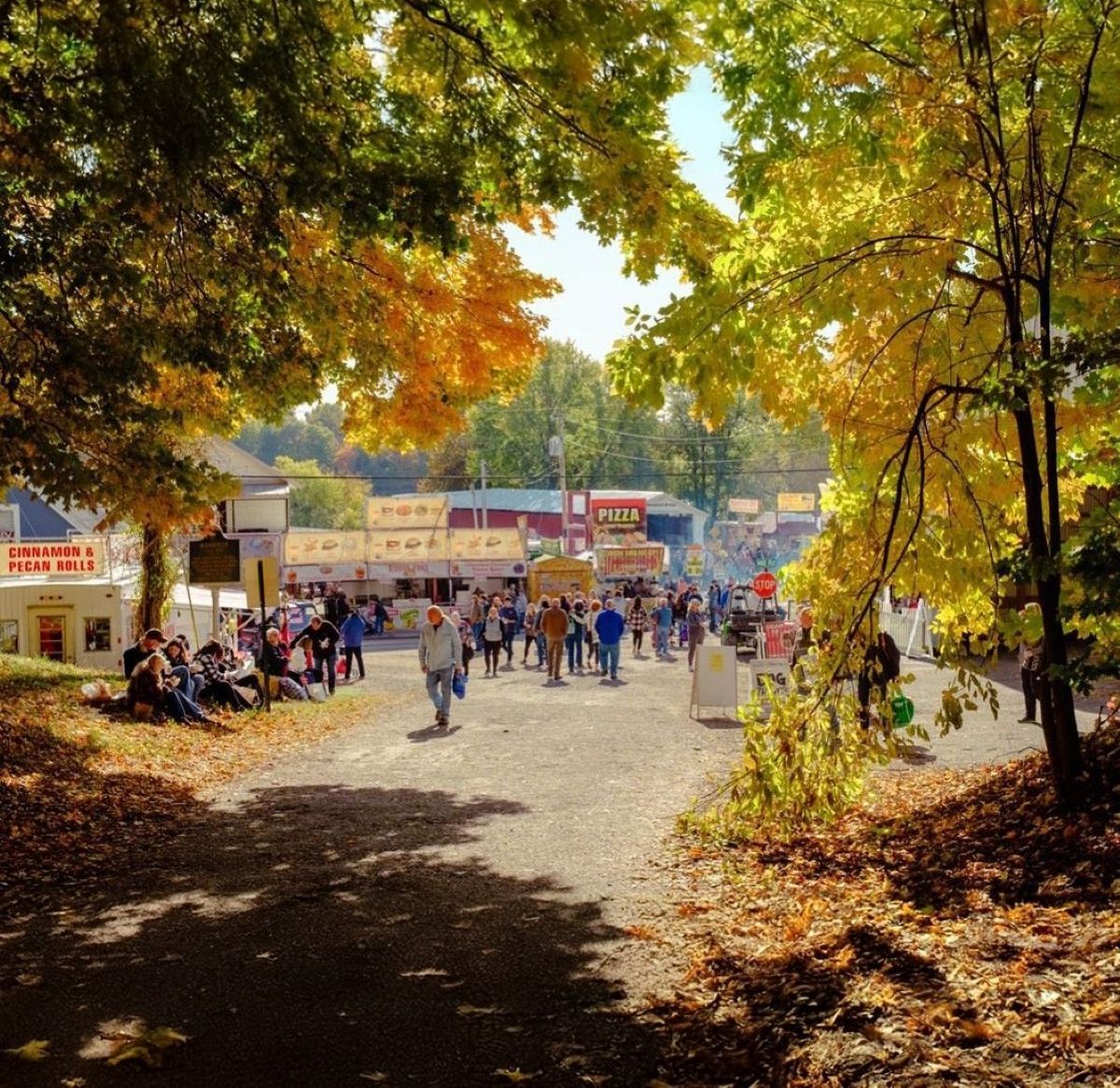
There is a magic in the way Indiana moves you. It’s not just in the numbers or the reports. It’s in the real living heart of the Heartland. Think of the loud thrilling roar from the Indianapolis Motor Speedway. Imagine the golden light at dusk falling over Fort Wayne’s riverfront. Picture the easy chatter of a Friday night football crowd in South Bend. These are not just places. They are feelings. Traveling here isn’t about rushing. It’s about stopping. Listening. Believing you belong. On these winding roads every town square, every small craft kitchen, every valley lit by sunlight. They all tell a story. A simple story. A human story. A story, about connection. About home. About being rooted.
Is Indianapolis Solidifying Its Position As The Premier Convention And Sports Capital Of The Midwest?
Advertisement
Advertisement
Indianapolis remains the economic powerhouse of the state’s leisure and group travel economy, commanding £5.12 billion in annual direct visitor spending. Marion County welcomed 30.5 million visitors, supporting roughly 78,000 direct and indirect jobs while yielding £2.4 billion in total workforce wages across the capital.
The capital city’s travel growth is anchored by major sports events like the Indianapolis 500 and NCAA championships, alongside extensive facilities such as the Indiana Convention Center. Driven by a steady national surge in corporate group bookings, Indianapolis consistently captures high-yielding national conventions like the National FFA Convention & Expo.
Advertisement
Advertisement
How Is Fort Wayne Capitalising On Youth Sports Tournaments And Riverfront Urban Developments To Continue Driving Multi-Day Tourism?
Fort Wayne has established itself as a premier regional tourism anchor within Allen County by heavily investing in youth athletics and riverfront renewal. Modern sporting facilities draw thousands of families for multi-day regional tournaments, driving hotel occupancy rates and restaurant sales across the northeast corridor.
Advertisement
Advertisement
Strategic downtown revitalization, new hotel builds, and expanded riverfront parks have transformed Fort Wayne into a vibrant cultural and culinary hub for travellers. These urban enhancements attract steady road-trip traffic from nearby drive markets across Ohio, Michigan, and Illinois, ensuring prolonged visitor stays.
What Strategic Private Capital Investments Are Accelerating Tourism Receipts Across Evansville And The Ohio River Valley Basin?
Advertisement
Advertisement
Evansville anchors the economy of Vanderburgh County through targeted private entertainment investments and regional leisure facilities that appeal to families. A prime example is the £16 million Cannonball Water Coaster addition at nearby Holiday World & Splashin’ Safari, which draws enthusiastic visitors from surrounding states.
Cross-border trip volume and regional gaming facilities continue to provide essential tax revenues for local municipal budgets throughout the region. Simultaneously, growing consumer appetite for active outdoor recreation throughout the Ohio River valley basin guarantees a steady influx of leisure travellers.
How Does Notre Dame Athletics And Heritage Infrastructure Elevate Visitor Yield In South Bend And St. Joseph County?
South Bend leverages the global reputation of the University of Notre Dame to command high average daily lodging rates during major game days and academic events. St. Joseph County benefits from predictable seasonal surges in weekend visitor arrivals, boosting surrounding hospitality businesses and local dining establishments.
Advertisement
Advertisement
Targeted heritage appropriations strengthen the region’s cultural landscape, exemplified by a £40,000 state grant allocated to the Studebaker National Museum expansion fund. Moreover, South Bend’s position along major transport corridors captures consistent travel flow from the broader Chicago metropolitan region.
Why Is Carmel Leading Suburban Luxury Travel Yields Through Cultural Institutions And Corporate Growth In Hamilton County?
Carmel delivers exceptional per-visitor economic yields within Hamilton County through boutique hotel developments, fine dining, and upscale shopping hubs. Cultural venues like the Center for the Performing Arts draw affluent arts enthusiasts from across the region to experience world-class performances.
Suburban corporate expansion fuels steady weekday business travel and executive conference bookings throughout the year. Strong local tax retention allows Carmel to reinvest heavily in municipal infrastructure, maintaining higher-than-average visitor spending metrics across the northern Indianapolis suburban belt.
How Is Domestic Leisure Drive-Market Dominance Generating High Per-Trip Spending Outflows Across Bordering Midwest Corridor States?
The structural backbone of Indiana’s visitor volume relies heavily on short-haul drive markets from nearby metropolitan centres such as Chicago, Cincinnati, Detroit, and Louisville. Regional travellers prefer flexible auto-mobility over air travel, resulting in higher localized spending on boutique lodging, independent dining, and regional entertainment venues.
Advertisement
Advertisement
By tailoring seasonal promotional campaigns across surrounding Midwest hubs, Indiana successfully converted single-day road-trippers into overnight stayers. This strategic pivot drove average daily spending past historic thresholds while keeping nearly two-thirds of all gross visitor revenue within local municipal borders.
What Role Does The Transient And Corporate Group Rebound Play In Bolstering Regional Municipal Tax Revenues Across Commercial Hubs?
While leisure tourism provided an immediate bounce-back, the corporate travel sector delivered essential mid-week baseline stability for metropolitan hospitality markets. The rebound in group gatherings, executive conferences, and commercial trade shows pushed occupancy rates higher across key business hubs like Indianapolis and Carmel.
This commercial resurgence directly enriched local municipal tax collections through food-and-beverage, car rental, and county innkeeper’s taxes. Local authorities utilize these specific visitor-generated tax revenues to fund essential civic infrastructure and city improvement projects without increasing property taxes for local residents.
How Are Comprehensive Culinary Tourism and Beverage Route Investments Transforming Regional Traveler Spending Profiles?
Culinary travel has evolved from a secondary amenity into a primary driver of destination choice across the state. Visitors actively seek out authentic culinary experiences, craft beverage trails, and heritage agritourism routes that showcase Indiana’s rich agricultural roots.
Advertisement
Advertisement
Statewide co-op grants have enabled smaller rural communities to group their culinary offerings into marketable regional itineraries. This coordinated strategy encourages longer trip durations, increases daily spending on artisan foods, and distributes tourism wealth evenly across non-urban counties.
How Does The Multi-Billion-Pound Outdoor Recreation Economy Fuel Eco-Tourism Growth Throughout Southern Indiana’s River Basins?
Southern Indiana’s scenic topography anchored by the Ohio River valley basin, state park systems, and expansive lakes serves as a primary magnet for nature enthusiasts and eco-tourists. Strategic investments in trail network connectivity, water sports infrastructure, and eco-friendly lodging have elevated the region’s appeal.
The rise of nature-based travel has created strong economic spillover effects for rural gateway communities. Outdoor leisure activities sustain local equipment suppliers, regional guides, and hospitality providers while reinforcing environmental conservation efforts across delicate natural ecosystems.
What Impact Does Workforce Development And Wage Growth Have On Sustaining Over 210,000 Tourism-Supported Jobs Statewide?
The economic impact of travel extends far beyond visitor spending metrics; it functions as a primary driver of employment and wage stability for local communities. The sector supports diverse employment opportunities spanning hotel operations, culinary arts, event management, and transit services.
Advertisement
Advertisement
To address labor market dynamics, industry stakeholders and state agencies have invested heavily in hospitality training programs and competitive wage structures. Increased base pay and professional growth pathways have helped stabilize the workforce, ensuring high standards of service delivery across all major destinations.
How Do Strategic Cultural Grants And Heritage Preservation Funds Elevate High-Yield Arts Tourism In Regional Anchor Cities?
Targeted public investments in historical preservation and cultural venues yield substantial long-term economic dividends. By preserving historic sites, supporting performing arts centers, and funding museum expansions, Indiana appeals to high-spending cultural travel demographics.
Cultural institutions enrich the travel itinerary by extending overnight stays and raising per-person expenditures. These heritage investments preserve local history while creating vibrant downtown arts districts that attract both out-of-state visitors and prospective resident talent.
How Are Emerging International Inbound Travel Markets Recovering To Drive Long-Haul Economic Returns Across Indiana?
The gradual recovery of long-haul international visitation represents a lucrative growth frontier for the state’s travel economy. International travelers typically log longer lengths of stay and spend significantly more on lodging, retail, and premium dining compared to domestic visitors.
Advertisement
Advertisement
Global marketing campaigns, combined with international athletic events and foreign corporate investments, have positioned Indiana as an accessible Midwest entry point. This steady growth in international arrivals helps diversify the state’s tourism portfolio and boosts international trade relations.
What Long-Term ROI Does Out-Of-State Destination Marketing Yield In Federal, State, and Local Tax Offsets For Local Residents?
State-level destination marketing programs function as high-performing economic catalysts rather than simple operational expenses. Out-of-state advertising campaigns—such as the “IN Indiana” initiative effectively attract foreign capital into the local economy with proven efficiency.
The resulting tax receipts generated from visitor spending significantly relieve the local tax burden on resident households. Without the billions contributed annually by tourists, local tax authorities would need to raise individual household taxes to maintain existing public services, roads, and municipal infrastructure.
The Final Horizon
Indiana’s economic story is, at its heart a story of people helping each other and feeling proud. Behind every record-breaking number is a family making memories by the rivers a chef putting their heart into a hometown meal and a community being kind and welcoming. This increase in visitors isn’t about numbers in a book; it is, about special moments that you remember long after you leave. Indiana doesn’t just let travelers come in—it lets them feel at home leaving a lasting mark on every person who walks through its hills and lively streets.
Advertisement
Advertisement
Frequently Asked Questions (FAQs)
- What was the total direct visitor spending in Indiana according to official reports?
Direct visitor spending in Indiana reached £13.5 billion, representing a 4.7% year-over-year increase that passed pre-pandemic records.
- How many annual trips were made to Indiana by visitors?
Visitors completed 83.3 million annual person trips across Indiana, reflecting steady growth in leisure and business travel volume.
- What was the Return on Investment (ROI) of the marketing campaign?
The state marketing campaign generated £25.60 in direct visitor spending for every single pound spent on advertising.
- How many jobs does the tourism industry support in Indiana?
The travel and tourism sector supports over 210,000 direct and indirect jobs statewide across hospitality, food service, retail, and transportation industries.
Advertisement
