
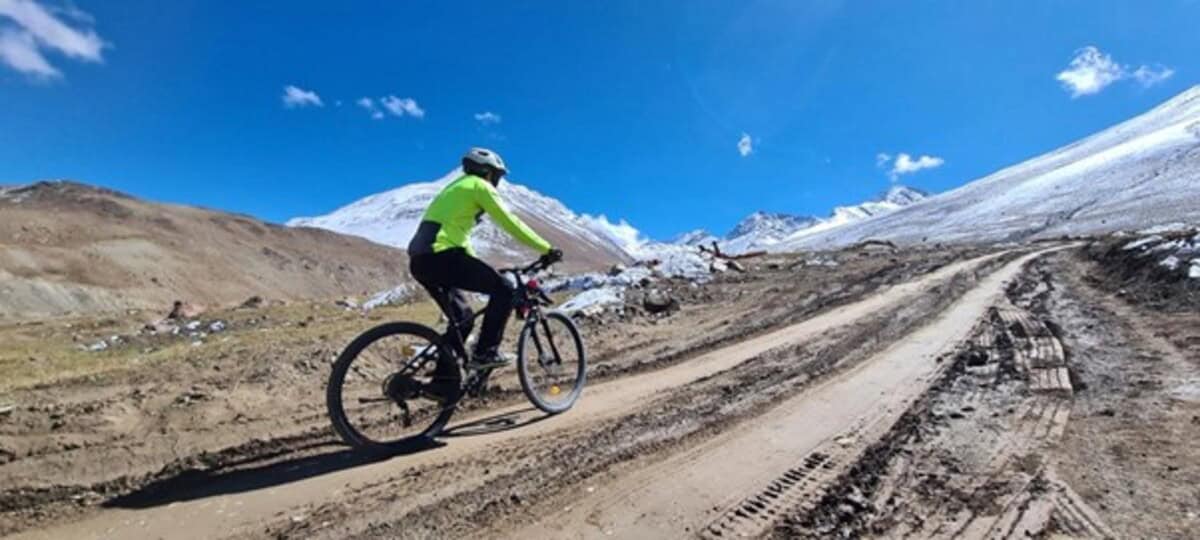
Image generated with Ai
More than a decade ago, Bir in Himachal Pradesh was chosen as the foundation for a new hospitality journey at a time when the mountain village remained largely unknown to mainstream travellers. It was a quiet destination, recognised mainly by a small community of paragliders, adventure seekers and long-stay backpackers who were drawn to its peaceful landscapes, open skies and unique mountain culture.
Building hospitality in Bir during those early years came without a ready-made blueprint. Kangra was still finding its place on India’s tourism map, and the potential of its mountains, villages and communities had not been fully recognised. The decision was guided by a belief that destinations like Kangra should not simply be visited and consumed but experienced with awareness, respect and responsibility. Its natural beauty, cultural heritage and slower pace of life deserved a tourism model that valued preservation as much as growth.
Advertisement
This vision has become increasingly important with the appointment of Shri Sandeep Kumar as Secretary, Tourism and Civil Aviation, Government of Himachal Pradesh. As someone with roots in Himachal Pradesh, he brings a strong understanding of the state’s geography, communities and tourism challenges. His earlier administrative experience, including his tenure as Deputy Commissioner of Kangra and Divisional Commissioner of the Kangra Division, provides him with valuable insights into the region’s opportunities, development needs and local realities.
For stakeholders who have worked closely with Kangra’s tourism sector, this combination of experience and regional understanding carries significant importance. Tourism in Kangra has never depended only on large hotels, commercial projects or conventional holiday packages. Its identity has been shaped by local communities, family-run homestays, independent guides, small businesses and entrepreneurs who have created authentic experiences for travellers.
Advertisement
These grassroots contributors have played a major role in establishing Kangra as a destination where visitors can connect with local traditions, explore natural landscapes and experience mountain life beyond traditional sightseeing. Recognising and strengthening this ecosystem will be essential as the region enters a new phase of tourism development.
The ambition to position Kangra as the tourism capital of Himachal Pradesh represents a major opportunity. The region has many qualities required to become a leading mountain destination, including spectacular landscapes, adventure opportunities, spiritual heritage and strong community-based tourism experiences.
Bir stands as a powerful example of how responsible destination development can create global recognition while maintaining local character. Once primarily known as a paragliding destination, Bir has gradually transformed into an internationally recognised hub for adventure tourism, wellness travel, remote work and immersive mountain experiences. Visitors today are attracted not only by the thrill of flying over the valleys but also by the village’s peaceful atmosphere, cultural diversity and connection with nature.
The growth of Bir reflects a wider shift taking place across the global travel industry. Modern travellers are increasingly moving beyond traditional sightseeing-focused holidays. They are searching for meaningful journeys, longer stays and experiences that allow deeper engagement with local communities.
Advertisement
Advertisement
The rise of slow travel, wellness tourism and remote working has changed how people explore destinations. Travellers are increasingly choosing places where their visit contributes positively to local economies and where they can develop a stronger connection with the destination. Bir has become part of this movement by attracting digital nomads, creative professionals, adventure enthusiasts and repeat visitors who return not only for the landscape but also for the sense of community.
However, the growth of mountain destinations also requires careful planning. Rapid tourism expansion without proper management can place pressure on natural resources, infrastructure and local lifestyles. Protecting the identity of Kangra will require a balanced approach that supports economic development while maintaining environmental and cultural sustainability.
The experience of developing hospitality in Himachal Pradesh highlights the importance of building alongside communities rather than around them. Responsible tourism can create employment opportunities, encourage local entrepreneurship and help preserve traditions while offering travellers more authentic experiences.
The future success of Kangra will depend on how effectively stakeholders balance visitor growth with long-term sustainability. Tourism development cannot be measured only through arrival numbers or infrastructure expansion. A truly successful destination is one where local communities benefit, natural resources are protected and travellers leave with meaningful memories.
With the right approach, Kangra has the potential to become more than another destination on India’s tourism circuit. It can emerge as a leading example of sustainable mountain tourism, demonstrating how government leadership, local communities and responsible businesses can work together to create a stronger tourism ecosystem.
The journey ahead will require thoughtful planning, innovation and respect for the region’s unique identity. Kangra already possesses the essential ingredients — breathtaking landscapes, rich cultural traditions and welcoming communities. The challenge now is to ensure that future growth protects the qualities that made Bir and the wider Kangra region special while creating new opportunities for generations to come.
Advertisement
Advertisement
Advertisement













Saturday, September 5, 2026

Friday, September 4, 2026
Saturday, September 5, 2026
Saturday, September 5, 2026

Thursday, September 3, 2026

Wednesday, September 2, 2026

Saturday, September 5, 2026

Saturday, September 5, 2026


