
Germany Joins France and Other Key Countries to Drive Slovenia Tourism with Over 3 Million August Overnight Stays

Published
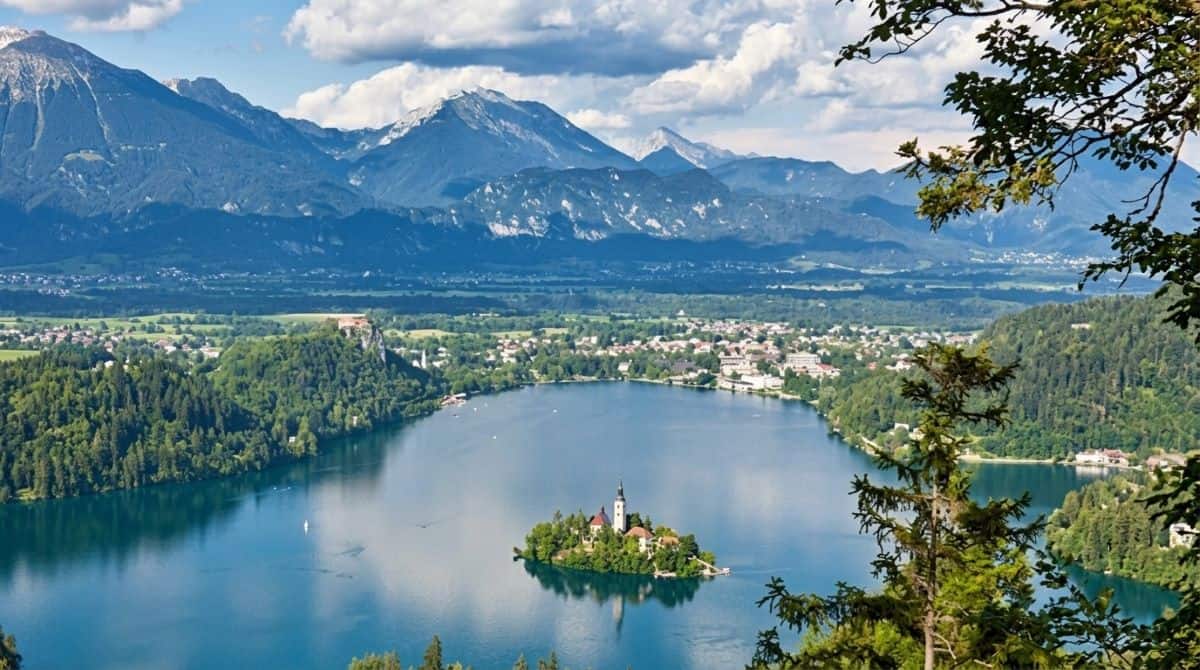
Slovenia recorded 3,537,213 overnight stays in August 2026, its highest monthly total, with demand rising 5.8% year on year. Germany and Italy continued to provide further growth to overnight stays, with Germany claiming the lead in overnight stays. France continued to be a significant contributor, but with a down in overnight stays. These markets are contributing to explaining the strength and unevenness of Slovenia tourism. The Statistical Office of the Republic of Slovenia (SURS) also released final data regarding 1,285,957 accommodation arrivals, which increased by 6.0%, on 25 September 2026. The results, in addition to the record, also show the origin of the additional nights, the destinations that gained and what travelers should think about when planning a vacation.
Germany, France and Other European Countries Drive Slovenia’s August Overnight Stays
Five leading foreign markets generated almost half of international overnight stays, calculated from SURS totals. Their performance separates established demand from expanding demand.
Advertisement
Advertisement
| Source market | August 2026 overnight stays | Annual change |
|---|---|---|
| Germany | 540,451 | +6.2% |
| Italy | 281,386 | +8.8% |
| Netherlands | 235,329 | −7.0% |
| Czechia | 214,654 | +11.0% |
| France | 201,169 | −4.3% |
Czechia grew fastest among these five markets and moved ahead of France in overnight stays. Yet falling Dutch and French totals do not make those markets unimportant. Market size and market growth answer different questions: one identifies existing customers; the other reveals where demand is changing.
Slovenia’s Tourism Growth Extends Beyond Its Biggest Markets
Foreign guests generated 2,946,440 nights, up 7.6%, while domestic nights fell 2.4% to 590,773. International visitors accounted for approximately 83.3% of the total.
Advertisement
Advertisement
Calculations comparing the two official August releases reveal a less obvious result. Foreign overnight stays increased by 209,055. The five markets above supplied a combined net increase of 49,096. All remaining foreign markets collectively contributed 159,959, or approximately 76.5% of the foreign increase.
The implication is significant: focusing only on the largest countries misses most of the additional international demand. However, that combined result neither proves that every smaller market grew nor identifies which contributed most.
Advertisement
Advertisement
Mountain Resorts Supply Over Half the National Increase
Mountain resorts recorded 1,381,413 overnight stays, up 7.7%, accounting for roughly 39% of Slovenia’s total. Seaside resorts generated 666,001 nights, increasing 2.2%, while health and spa resorts recorded 489,916, up 5.4%.
The mountain category added 99,169 nights against August 2025. Calculated against the national net increase of 194,150, it supplied approximately 51.1% of the additional nights. Mountain accommodation was therefore central to the record, rather than simply its largest established component.
For travellers, this raises a practical planning question: which overnight base best serves the places you intend to explore? Build the route around those stops rather than choosing accommodation first and fitting everything else around it.
Ljubljana, Piran and Bled Attract Different Visitors
National rankings conceal important local differences:
- Ljubljana: The capital recorded 431,585 nights, with foreign guests generating 98%. Italy, Germany and France featured prominently in its visitor mix.
- Piran: Almost 364,000 nights included a domestic contribution of nearly one quarter. Hungary, Germany and Austria were important foreign markets.
- Bled: Almost 236,000 nights were overwhelmingly international, with foreign guests generating 99%. Germany, the United Kingdom and the Netherlands stood out.
For accommodation operators, these differences favour destination-specific services and marketing. The United Kingdom’s importance to Bled, for example, should not be confused with a top-five national position. Local visitor patterns provide a sharper guide than a single countrywide ranking.
Hotels and Private Stays Share Slovenia’s Accommodation Demand
Slovenia’s record extended across several accommodation types.
Advertisement
Advertisement
| Accommodation type | August 2026 overnight stays | Annual change |
|---|---|---|
| Hotels | 1,044,840 | +4.4% |
| Private rented rooms and dwellings | 1,035,646 | +6.7% |
| Campsites | 777,938 | +4.2% |
Private accommodation came close to hotels in volume and expanded faster. This challenges a hotel-only reading of tourism performance: a substantial part of visitor activity took place elsewhere. The category describes accommodation types, not reservations through one booking platform.
For a holiday budget, compare the complete booking rather than the headline nightly price. Assess facilities, transport costs and cancellation terms. A lower accommodation charge may not suit the trip better when the location adds inconvenient journeys.
Slovenia’s Eight-Month Results Change the Domestic Tourism Story
Across January–August 2026, Slovenia registered 14,078,406 overnight stays, up 6.4%. Foreign nights increased 7.9%, while domestic nights rose 1.9%.
The contrast matters. Residents spent fewer nights away within Slovenia during August, but their eight-month total increased. A weak month does not establish a year-long retreat.
Czech overnight stays reached 761,886, rising 17.3% over the eight-month period. Its stronger August therefore formed part of a longer expansion, rather than an isolated monthly jump.
For businesses, the analytical lesson is to test peak-season performance against a longer period before changing market priorities. Monthly demand and sustained growth are not interchangeable.
Advertisement
Advertisement
Visitor Research Highlights Slovenia’s Multi-Stop Holiday Appeal
A separate SURS report, published 22 September 2026, provides context from foreign guests surveyed in hotels and campsites during July–August 2025.
During that earlier summer, 46% stayed overnight in several Slovenian places, and 54% visited other countries on the same trip. 61.8% travelled the longest distance to Slovenia by car or van.
These findings support planning the complete itinerary: arrival, transfers, overnight stops and departure all deserve attention.
Average daily spending was €170 per hotel guest and €63 per campsite guest, including expenditure beyond accommodation. These historical estimates are not current room prices. Nor can they be multiplied by August 2026 nights to establish verified tourism revenue: the periods and accommodation coverage differ.
What Slovenia’s Record Means Before You Book
An overnight stay counts one guest staying one night. Two guests spending three nights generate six person-nights, not six visitors. Accommodation arrivals also differ from unique people entering the country: they count arrivals at establishments.
Use the figures to inform planning, not replace live checks:
Advertisement
Advertisement
- Choose the route first. Match accommodation locations to the journey and check transfers before committing.
- Compare the full stay. Assess facilities, access and booking conditions across accommodation types.
- Check current availability. Record nights alone do not prove higher prices, full occupancy or shortages everywhere.
Slovenia’s record is best understood as a combination of established international demand and growth that reaches beyond its biggest markets. The opportunity for tourism businesses lies in recognising those differences. For travellers, the priority is more personal: choose the destination, accommodation and pace that make the journey work, rather than booking around a national record.
In conclusion, Germany joins France and other key countries in supporting Slovenia tourism, with over 3 million August overnight stays reflecting strong international demand. Germany’s leading contribution and growth from Italy and Czechia helped to drive the record, while France remained important despite declining nights. Mountain resorts supplied more than half the national increase, as hotels, private accommodation and campsites all recorded growth. Slovenia’s success therefore rested on expanding foreign demand across diverse destinations and accommodation types, rather than equal growth from every country or visitor segment.
Advertisement
