
Europe Is Improving Boating Services and Ports in Countries Like Croatia and More

Published
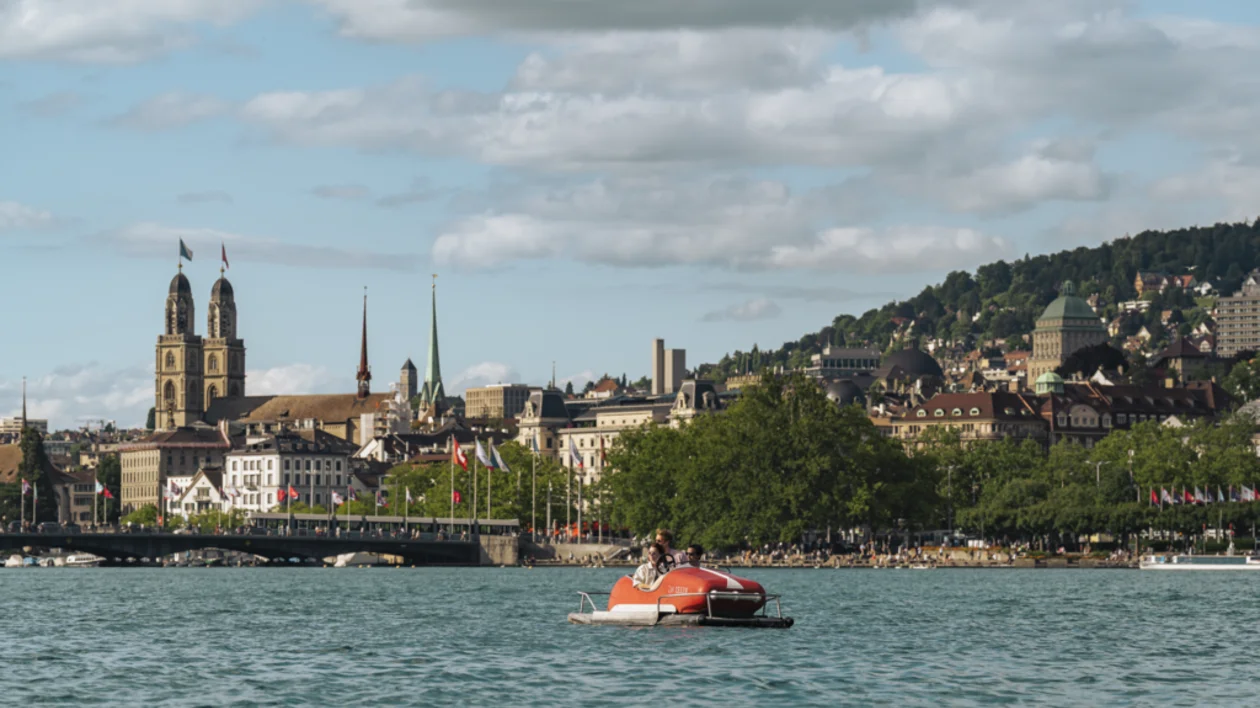
Image generated with Ai
Nautical tourism in Europe is entering a major transformation phase ahead of 2027, driven by sustainable marinas, greener ports, digital boating services, coastal regeneration, blue economy strategies and marine conservation projects. Mediterranean countries remain central to the sector, while Atlantic, Baltic and Northern European destinations are also strengthening water-based travel infrastructure. European Union programmes are increasingly supporting coastal tourism models that combine economic growth with environmental protection.
Countries are investing in smarter marinas, cleaner facilities, digital solutions, and improved visitor services. These upgrades are creating stronger connections between travellers and coastal communities. The goal is clear: deliver safer, greener, and more memorable sea-based journeys while protecting marine environments that remain central to Europe’s tourism future.
Advertisement
Advertisement
European Countries Improving Nautical Tourism for 2027 Key Developments and Investment Trends
| Country | Main Nautical Tourism Focus | Major Developments Towards 2027 | Key Tourism Benefits | Sustainability and Innovation Measures | Expected Impact |
|---|---|---|---|---|---|
| Croatia | Yacht tourism, island sailing, marinas, coastal experiences | Expansion of sustainable tourism programmes, marine environment management measures until 2027, digital and green marina upgrades | Strengthens Croatia’s position as a leading Mediterranean sailing destination with improved visitor experiences across islands and coastal towns | Green marina technologies, energy efficiency, renewable solutions and digital tools for nautical facilities | More competitive yacht tourism, longer visitor stays and improved protection of Adriatic ecosystems |
| Greece | Island sailing, yacht charter, marina development, coastal tourism | New marina investments in destinations such as Lefkada and wider Ionian Islands development plans | Better access for yacht travellers, increased island connectivity and higher-value tourism | Sustainable coastal tourism models promoted through Mediterranean initiatives | More international sailing demand and stronger blue economy growth |
| Spain | Cruise tourism, marina infrastructure, coastal ports, marine recreation | More than €1.5 billion investment planned for Spanish state-owned ports by 2027, including sustainability and infrastructure improvements | Modernised ports, improved cruise connections and stronger coastal tourism capacity | Shore-side electricity systems, greener port operations, digitalisation and emissions reduction projects | More sustainable maritime tourism and improved competitiveness of Spanish coastal destinations |
| Italy | Coastal tourism, sailing routes, cruise innovation, marine heritage | Participation in EU maritime sustainability programmes and green transition projects | Growth of experiential sailing, coastal exploration and marine cultural tourism | Projects supporting blue economy, eco-cruising and low-impact maritime activities | Stronger sustainable tourism products across Mediterranean regions |
| France | Atlantic and Mediterranean sailing, coastal recreation, ports | Marine spatial planning and coastal sustainability initiatives supporting long-term maritime development | Improved coastal visitor management and diversified marine experiences | Marine planning, ecosystem protection and sustainable use of sea areas | Balanced growth between tourism development and environmental protection |
| Portugal | Atlantic sailing, island tourism, marina tourism | Investment focus on coastal resilience, blue economy opportunities and sustainable tourism development | Improved sailing routes, island access and coastal experiences, including Madeira and Azores | Nature protection, marine conservation and sustainable visitor models | Increased appeal for international sailors and adventure travellers |
| Malta | Yacht tourism, luxury sailing, harbour experiences | Continued development of maritime services and Mediterranean sailing infrastructure | Stronger position as a yacht stopover and island cruising destination | Focus on protecting marine environments and improving coastal management | Higher-value nautical tourism and extended visitor seasons |
| Montenegro | Luxury yacht tourism, Adriatic cruising, marina development | Continued expansion of premium coastal tourism infrastructure | Attracts yacht owners, charter operators and luxury travellers | Sustainable coastal planning and environmental management | Increased luxury maritime tourism demand |
| Turkey | Blue voyage routes, yacht charter, marina tourism | Expansion of coastal tourism facilities and marina services | More yacht itineraries across the Aegean and Mediterranean coasts | Improved marine tourism management and coastal investment | Growth of international sailing holidays |
| Netherlands | Canal tourism, inland boating, electric boats | Continued promotion of sustainable water tourism and cleaner boating solutions | Stronger canal experiences, recreational boating and urban water tourism | Electric tourist boats, waterway preservation and sustainable mobility | Global model for urban nautical tourism |
| Denmark | Baltic sailing, coastal experiences, harbour tourism | North Sea and coastal sustainability programmes supporting maritime development | Improved sailing networks and coastal visitor experiences | Green transition projects, marine planning and sustainable infrastructure | More resilient coastal tourism economy |
| Norway | Fjord tourism, cruise, expedition sailing | Development of cleaner maritime transport and sustainable cruise solutions | Enhanced fjord experiences with lower environmental impact | Zero-emission maritime technologies, including hydrogen-powered vessels entering service from 2026–2027 | Leadership in low-carbon maritime tourism |
| Sweden | Archipelago tourism, sailing, nature-based boating | Continued development of sustainable coastal tourism | Better access to islands and marine landscapes | Environmental protection and sustainable marine management | Growth of nature-focused nautical travel |
| Germany | Baltic Sea tourism, inland waterways, harbour experiences | Sustainable coastal and water tourism projects supported through European programmes | Improved boating experiences and regional tourism links | Green ports, ecosystem protection and digital tourism solutions | More sustainable water-based tourism markets |
| Ireland | Atlantic coastal tourism, sailing, marine adventure | Coastal community development and blue economy initiatives | More opportunities for sailing, kayaking and marine recreation | Sustainable coastal development approaches | Stronger regional tourism opportunities |
| Cyprus | Mediterranean sailing, marinas, island tourism | EU island and coastal strategies supporting transport, infrastructure and resilience | Improved maritime accessibility and visitor experiences | Coastal resilience and sustainable development measures | Greater appeal for yacht and marine leisure tourism |
Why Is Nautical Tourism Becoming a Major Focus Across Europe Before 2027?
Nautical tourism has become one of Europe’s most valuable coastal tourism segments because it connects travel, recreation, hospitality, transport, and marine experiences. Millions of visitors travel each year for sailing holidays, yacht charters, cruise journeys, island exploration, diving, fishing, and water-based leisure activities.
European coastal destinations are now moving beyond traditional seaside tourism models. Instead of focusing only on beaches and resorts, countries are developing complete maritime ecosystems that include modern marinas, digital booking systems, environmentally responsible ports, and protected marine environments.
Advertisement
Advertisement
The growth of nautical tourism is also linked to the wider blue economy, which supports economic activities connected to oceans, seas, and coastal regions. Governments are increasingly viewing maritime tourism as a tool for regional development, especially in island and coastal communities that depend heavily on international visitors.
Ahead of 2027, sustainability has become the central theme. Many countries are upgrading ports with cleaner energy systems, better waste management, renewable technologies, and improved protection measures for marine habitats. These changes are designed to attract travellers who want memorable experiences while reducing environmental impact.
Advertisement
Advertisement
The European Union’s focus on climate action, marine conservation, and sustainable tourism is also influencing national strategies. Coastal destinations are being encouraged to balance tourism growth with responsible management of natural resources.
How Is Croatia Strengthening Its Position as Europe’s Leading Sailing Destination?
Croatia remains one of Europe’s most recognised nautical tourism destinations because of its dramatic coastline, more than a thousand islands, historic harbour towns, and strong marina network. Before 2027, the country is focusing on improving the quality and sustainability of its maritime tourism offer.
The Adriatic coastline attracts thousands of sailing enthusiasts every year. Visitors are drawn to destinations such as Dubrovnik, Split, Hvar, Korčula, and the Kornati Islands because they offer a combination of natural landscapes, cultural heritage, and accessible sailing routes.
Croatia’s future nautical tourism development is increasingly connected with environmental responsibility. Marina operators and coastal authorities are adopting greener solutions, including energy efficiency improvements, better waste management systems, and digital services that improve the boating experience.
The country is also working to protect the Adriatic marine environment while supporting tourism growth. Sustainable coastal management is becoming a key priority as visitor numbers increase and demand for yacht tourism continues to expand.
By 2027, Croatia aims to strengthen its reputation as a premium sailing destination where travellers can enjoy high-quality maritime experiences while exploring protected coastal landscapes.
Advertisement
Advertisement
How Are Greece and Its Islands Expanding Sustainable Sailing Experiences?
Greece is preparing for continued growth in nautical tourism by improving marina facilities, strengthening island connections, and promoting sustainable coastal travel. With thousands of islands and one of the Mediterranean’s longest coastlines, Greece has a natural advantage in sailing tourism.
The Greek islands attract travellers looking for yacht charters, private sailing holidays, island-hopping adventures, and luxury maritime experiences. Destinations including the Ionian Islands, Cyclades, and Dodecanese continue to receive strong international interest.
Ahead of 2027, investment in marina infrastructure is becoming a major part of Greece’s tourism development strategy. Improved facilities are expected to create better services for visitors, support yacht operators, and encourage longer stays.
Sustainability is also becoming increasingly important. Greece is working to protect coastal ecosystems while managing tourism pressure in popular island destinations. Cleaner technologies, improved waste management, and responsible visitor practices are becoming essential parts of future maritime development.
The country’s nautical tourism expansion is expected to create wider economic benefits for island communities by supporting restaurants, accommodation providers, transport services, and local businesses connected with marine travel.
How Is Spain Building a Greener Maritime Tourism Network?
Spain is strengthening its nautical tourism sector through major improvements in port infrastructure, coastal facilities, and sustainable maritime operations. The country’s extensive Mediterranean and Atlantic coastlines make it one of Europe’s most important destinations for sailing, cruising, and marine recreation.
Advertisement
Advertisement
Spanish ports are increasingly adopting greener technologies as part of wider efforts to reduce emissions and improve operational efficiency. Investments in cleaner energy systems, digital services, and modern infrastructure are helping ports prepare for future tourism demand.
Popular coastal regions such as the Balearic Islands, Canary Islands, Catalonia, and Valencia continue to attract international sailing visitors. These destinations combine beaches, cultural attractions, marine activities, and luxury travel experiences.
Spain is also focusing on creating a more sustainable relationship between tourism and the marine environment. Coastal protection measures, responsible boating practices, and improved visitor management are becoming central elements of development plans.
By 2027, Spain’s nautical tourism sector is expected to benefit from improved connectivity, upgraded facilities, and stronger sustainability standards, making its coastal destinations more competitive in the global tourism market.
How Are Italy and Portugal Expanding Their Blue Economy Tourism Opportunities?
Italy and Portugal are using their coastal heritage and maritime traditions to develop stronger nautical tourism industries. Both countries are combining cultural experiences, natural landscapes, and sustainable marine activities to attract international travellers.
Italy’s Mediterranean coastline offers a wide range of nautical experiences, including sailing routes, luxury yacht journeys, coastal villages, and marine heritage exploration. Regions such as Sicily, Sardinia, Liguria, and the Amalfi Coast continue to attract visitors seeking unique sea-based holidays.
Advertisement
Advertisement
Portugal is strengthening its Atlantic maritime tourism offer through destinations such as the Algarve, Madeira, and the Azores. These locations provide sailing, whale watching, diving, and adventure tourism experiences.
Both countries are increasingly focusing on the blue economy approach, where tourism development is balanced with marine protection. Sustainable boating, ecosystem conservation, and responsible coastal management are becoming essential priorities.
Ahead of 2027, Italy and Portugal are expected to benefit from growing demand for authentic maritime experiences where visitors can combine relaxation, culture, nature, and adventure.
How Are Northern European Countries Creating Low-Impact Nautical Tourism Models?
Northern European countries are developing a different approach to nautical tourism by focusing on sustainability, low-emission transport, and nature-based experiences.
Norway is becoming a leader in cleaner maritime tourism through efforts to reduce emissions from cruise and passenger vessels. Its famous fjords continue attracting international visitors, but future development is increasingly focused on protecting fragile environments.
The Netherlands is expanding sustainable boating through electric vessels, canal tourism, and environmentally friendly water transport. Its historic waterways provide a unique urban nautical tourism experience.
Advertisement
Advertisement
Denmark and Sweden are also improving coastal tourism through sailing routes, harbour experiences, and marine conservation programmes. Their archipelagos and coastal landscapes appeal strongly to travellers seeking quieter and more sustainable experiences.
These countries demonstrate how nautical tourism can grow without relying only on traditional yacht tourism. Instead, they are creating models based on environmental protection, technology, and responsible visitor management.
What Will Define Europe’s Nautical Tourism Future by 2027?
Europe’s nautical tourism future will be shaped by sustainability, innovation, and personalised travel experiences. Coastal destinations are no longer focusing only on increasing visitor numbers. They are developing smarter tourism systems that protect marine environments while improving traveller experiences.
By 2027, leading destinations will likely be those that successfully combine modern infrastructure with environmental responsibility. Green marinas, digital services, cleaner vessels, and protected coastal areas will become key elements of successful maritime tourism strategies.
Mediterranean countries such as Croatia, Greece, Spain, Italy, Malta, and Montenegro will continue attracting yacht and sailing travellers. Meanwhile, Northern European destinations will strengthen their position through low-impact boating and nature-focused marine tourism.
The evolution of nautical tourism reflects a broader change in global travel. Visitors increasingly want meaningful experiences that connect them with nature while supporting local communities.
Advertisement
Advertisement
Europe’s investment in sustainable maritime tourism is creating a future where coastal travel can become more responsible, innovative, and accessible. As 2027 approaches, the continent’s seas, islands, and waterways are set to play an even greater role in international tourism growth.
By 2027, European nautical tourism is expected to become more sustainable, technology-driven and experience-focused. Mediterranean destinations will continue attracting yacht travellers, while Northern European countries will strengthen low-emission boating and nature-based maritime experiences.
The biggest shift will be from traditional boating infrastructure towards smart marinas, cleaner vessels, protected marine environments and community-focused coastal tourism. European initiatives are increasingly connecting tourism growth with ocean protection, creating a new generation of responsible nautical travel experiences.
Europe’s nautical tourism transformation is gaining momentum because countries recognise the growing value of maritime travel and coastal experiences. Better ports, improved boating services, and sustainable infrastructure are helping destinations attract more international visitors while protecting natural resources. Croatia and other European nations are leading this shift through modern marina upgrades, environmental initiatives, and enhanced traveller facilities. The reason behind these investments is simple: future tourists want comfortable, responsible, and unique marine experiences. By 2027, Europe’s upgraded nautical tourism network is expected to create stronger coastal economies and a more sustainable future for boating and sailing tourism.
[Image: Visit Europe]
Advertisement
