
Greece and UNESCO Strengthening New Cultural Tourism Cooperation on Heritage, Climate Resilience and Local Communities

Published
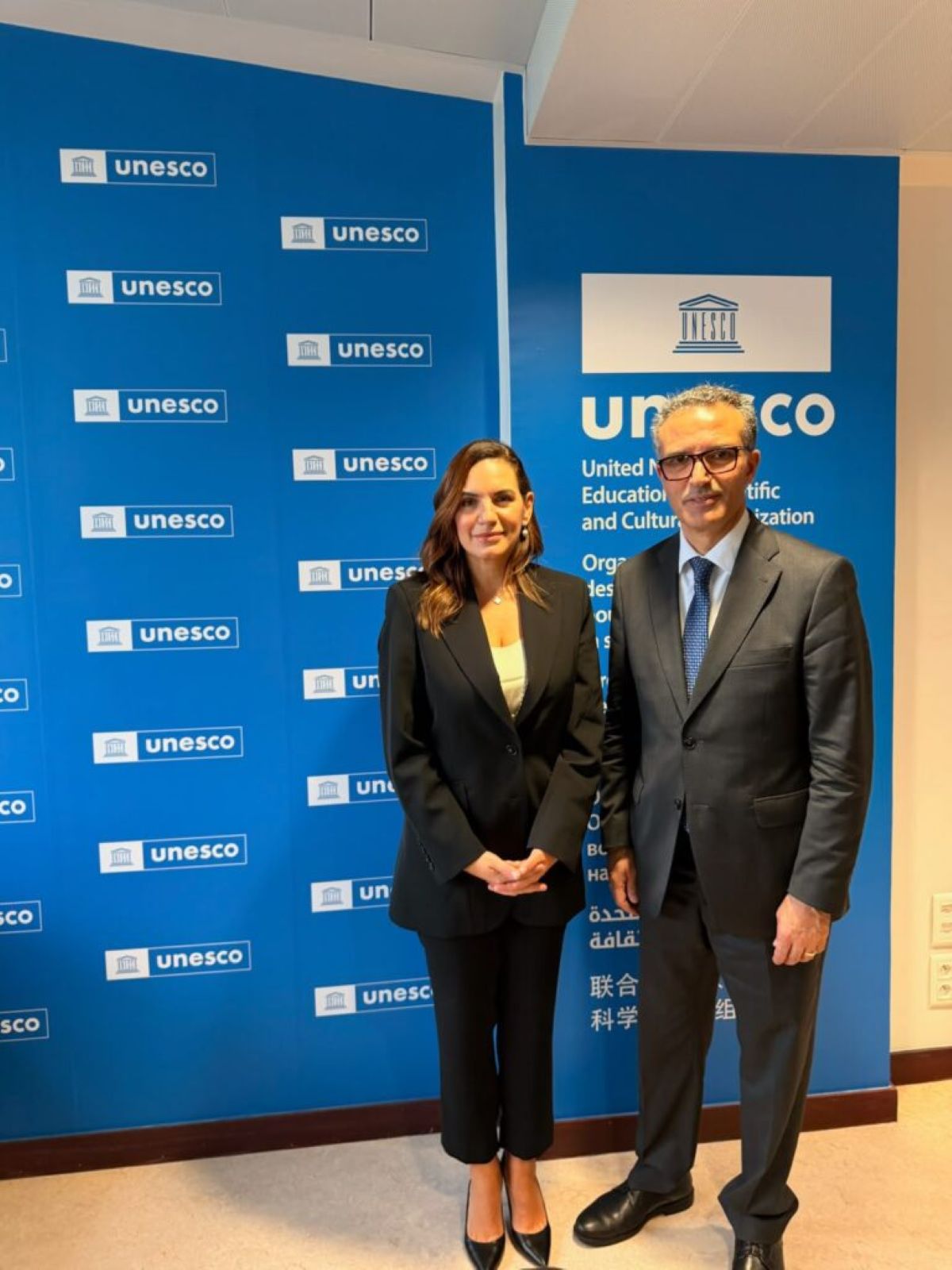
There are efforts being made by Greece to improve collaboration with UNESCO regarding cultural tourism, heritage conservation and sustainable tourism development as Greece tries to create a more resilient tourism model. Strategic significance of cultural tourism has been one of the key issues during the meeting of the Greek Tourism Minister Olga Kefalogianni and UNESCO officials such as Director-General Khaled El-Enany and Assistant Director-General for Culture Nayef Al-Fayez.
Among the participants in the meeting was also Giorgos Koumoutsakos, Permanent Representative of Greece to UNESCO, while Olga Kefalogianni was accompanied by Vasiliki Koutsoukou, Secretary General of Tourism Policy and Development. Meeting took place on 13 October 2026 according to the information provided by the Greek Ministry of Tourism. The issue of how tourism could serve for the purpose of heritage conservation rather than profit from it has been raised.
Advertisement
Advertisement
Cultural Tourism Becomes Strategic Tool for Extending Greece’s Tourism Season
Greece is seeking to broaden its tourism proposition beyond its most recognised monuments and archaeological attractions. The strategy places greater emphasis on intangible cultural heritage, local traditions, gastronomy and community creativity. This wider interpretation of cultural tourism can create reasons for visitors to travel beyond the traditional summer season. It can also encourage tourists to explore a broader range of Greek destinations.
Gastronomy, local customs, traditional arts and community experiences can complement Greece’s established heritage attractions while creating additional economic opportunities for local areas. The approach is designed to spread the benefits of tourism more widely across the country. Rather than concentrating demand around a limited number of famous sites, Greece wants cultural tourism to support destinations and communities across different regions.
Advertisement
Advertisement
Heritage Protection Must Develop Alongside Tourism Growth
A central point in the discussions was the need to connect tourism development directly with the protection and preservation of cultural heritage. The Greek Ministry of Tourism stressed that tourism should not place additional pressure on cultural assets without appropriate management. Instead, tourism development should contribute to the long-term protection of heritage for future generations. This requires responsible visitor management, stronger site resilience and active involvement from local communities.
The issue is increasingly relevant as climate change creates additional risks for cultural and natural heritage. Greece’s approach therefore links tourism planning with conservation, seeking to ensure that increased visitor activity does not undermine the resources on which cultural tourism depends.
Advertisement
Advertisement
Climate Resilience Becomes Critical for Greek Heritage Destinations
Climate change is becoming an important consideration for destinations managing historic and archaeological sites. Greece’s tourism strategy places emphasis on strengthening the resilience of cultural sites against climate-related pressures. This includes considering how tourism destinations can be managed responsibly while protecting monuments and archaeological areas.
The objective is to create a model where heritage sites remain accessible to visitors while their long-term conservation is protected. UNESCO’s own World Heritage and Sustainable Tourism Programme similarly promotes destination-level planning that integrates tourism management with heritage protection and stakeholder cooperation. The organisation also identifies climate change as an important consideration for World Heritage sites and sustainable tourism planning.
Advertisement
Advertisement
UNESCO Promotes Tourism Models That Benefit Heritage and Communities
UNESCO’s approach provides an international framework that aligns closely with the priorities discussed by Greece. Its World Heritage and Sustainable Tourism Programme promotes dialogue between tourism and heritage stakeholders and encourages tourism that protects cultural and natural assets. The programme also emphasises balanced participation by stakeholders, including local communities.
UNESCO identifies heritage-based journeys and thematic routes as tools that can support sustainable tourism development while creating distinctive visitor experiences. This approach is particularly relevant to Greece, where cultural attractions are distributed across mainland and island destinations. Connecting them through thematic experiences could encourage visitors to explore beyond individual monuments.
Greece and UNESCO Examine New Cultural Routes and Tourism Initiatives
The meeting explored opportunities for stronger Greece-UNESCO cooperation through joint sustainable cultural tourism initiatives, knowledge exchange and cultural routes. Cultural routes can connect multiple sites around a common theme, encouraging visitors to explore heritage through a broader narrative. Such routes can combine:
- Archaeological sites
- Historic monuments
- Local traditions
- Gastronomy
- Arts and crafts
- Community experiences
For Greece, this model could help distribute visitor activity while encouraging longer and more diverse trips. UNESCO’s World Heritage tourism framework already includes the development of thematic routes as one mechanism for heritage-based sustainable tourism.
Advertisement
Advertisement
Greece Wants Tourism to Actively Contribute to Heritage Preservation
The Greek position outlined during the meeting goes beyond using cultural heritage as a tourism marketing asset. The objective is to create a tourism model in which visitor activity can contribute to the preservation, promotion and transmission of heritage. This changes the relationship between tourism and culture.
Heritage becomes not only something that attracts visitors but also something that tourism stakeholders have a responsibility to protect. Such an approach can include responsible visitor management, community participation and investment in conservation. It can also help ensure that cultural traditions remain connected with the communities that maintain them.
Local Communities Gain Important Role in Sustainable Cultural Tourism
Community participation was another important element of the discussions. Local communities are often the custodians of traditions, cultural practices, food heritage and living forms of cultural expression. Giving communities an active role in tourism can help ensure that cultural experiences remain authentic while generating local economic benefits.
UNESCO’s sustainable tourism framework specifically emphasises stakeholder participation and empowering local communities in tourism planning and management. For Greece, this approach could strengthen the relationship between tourism businesses, heritage managers and local residents. It could also support smaller destinations that have significant cultural resources but attract fewer international visitors.
Greece Calls for Stronger UNESCO and UN Tourism Cooperation
Kefalogianni also highlighted the importance of strengthening cooperation between UNESCO and UN Tourism. The proposal is intended to encourage joint initiatives that demonstrate the close relationship between culture and tourism. Greater cooperation between the two United Nations organisations could support:
- International dialogue
- Knowledge exchange
- Sustainable tourism practices
- Heritage protection
- Community support
- Cultural tourism development
The concept builds on a long-standing international recognition that culture and tourism are closely connected. UNESCO has previously worked with UN Tourism on approaches linking heritage protection, tourism development and community benefits. Its World Heritage programme continues to promote sustainable tourism based on dialogue and stakeholder cooperation.
Advertisement
Advertisement
Greece Positions Cultural Heritage as Foundation for Quality Tourism
The strategy presented by Greece places cultural heritage within a wider definition of tourism quality. Historic monuments remain important, but the country is also seeking to promote living culture, traditions, gastronomy and local creativity. This can create a more diverse visitor experience while supporting destinations outside the main tourism centres.
The strategy also supports longer travel seasons by providing cultural reasons to visit during periods beyond the traditional summer peak. For Greece, cultural tourism therefore serves several objectives simultaneously: destination diversification, local economic development, heritage protection and greater tourism resilience.
Cultural Routes Could Help Spread Tourism Across More Greek Destinations
The development of cultural routes could become an important mechanism for achieving these objectives. Rather than encouraging visitors to travel to a single landmark, thematic routes can connect several locations around a shared cultural story. Potential themes could incorporate Greece’s archaeological heritage, food traditions, historic landscapes, crafts or other forms of cultural identity.
UNESCO’s sustainable tourism programme identifies heritage journeys and thematic routes as tools for creating high-quality, heritage-based tourism experiences. For Greece, such an approach could help distribute visitor flows and increase the visibility of lesser-known destinations.
Greece and UNESCO Set Course for More Responsible Cultural Tourism
The Paris conference is yet another milestone on the road of the Greek strategy of integrating culture and sustainable tourism.
In the agenda of the Greek Ministry of Tourism are some ideas for cooperation with UNESCO, such as cultural routes, exchange of knowledge and sustainable tourism development. From the perspective of the larger UNESCO framework, the aim of tourism management is to protect heritage, involve local communities and create adequate tourism products.
In the case of Greece, the idea is obvious – cultural heritage must become the living base of tourism, not just a tourist attraction. Through linking monuments, traditions, cuisine, creativity and communities, Greece seeks to develop a kind of tourism that could preserve its cultural richness and create more benefits for destinations and future generations.
Advertisement
