

Dallas Outpaces Atlanta and Other Cities in Commanding Over 20% of US Hospitality Pipeline as Tourism Investment Soars

Published
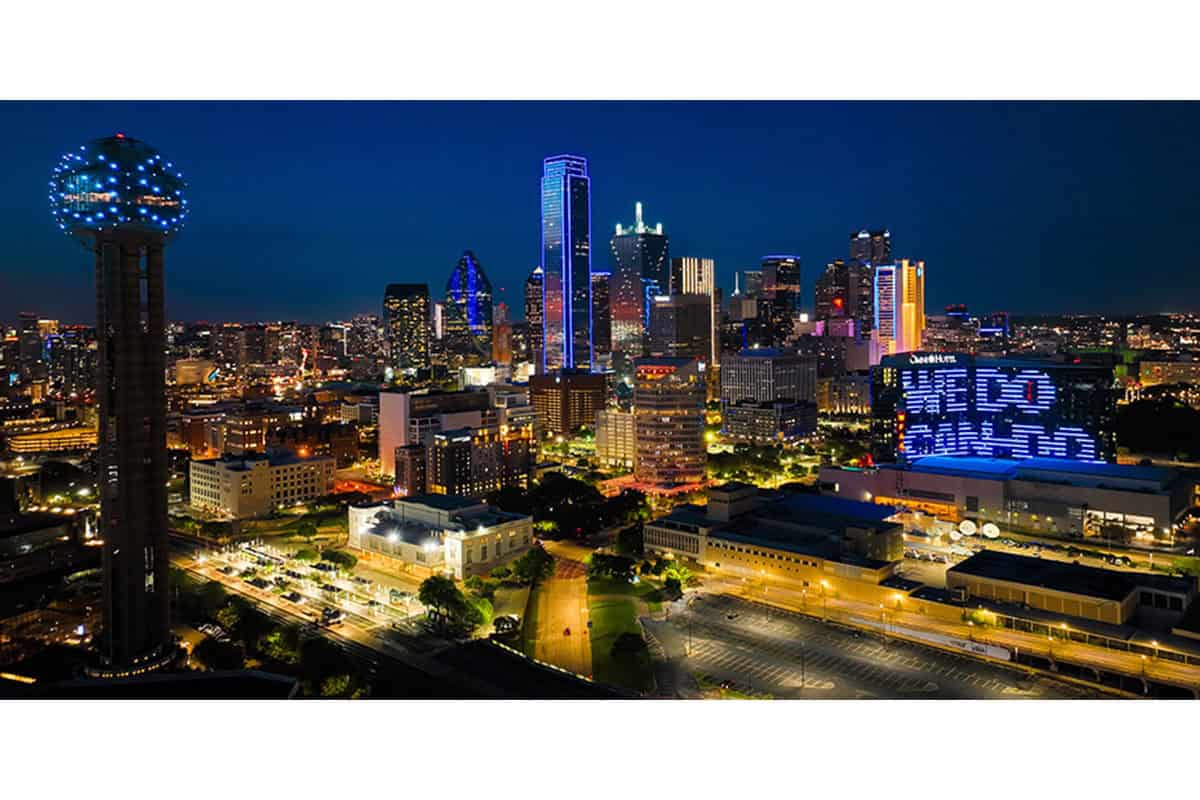
As of October 2026, the American travel sector is witnessing unprecedented infrastructural growth, and Texas is spearheading this transformation. Recent industry data reveals a remarkable trend: Dallas outpaces Atlanta and other cities in commanding over 20% of US hospitality pipeline as tourism investment soars among top-tier metropolitan markets. Driven by aggressive economic development policies, robust corporate relocations, and substantial municipal upgrades, Dallas has officially become the nation’s epicentre for hotel construction. This surge reflects widespread confidence in the city’s long-term economic stability. Global investors are shifting their focus towards Texas, fundamentally reshaping the competitive landscape of modern American tourism today.
Background: The Rise of the Texas Economic Engine
Historical Context of Dallas and Atlanta as Regional Hubs
For decades, the American South and Sun Belt regions have served as fiercely competitive arenas for economic dominance, with Dallas and Atlanta continually vying for the title of the preeminent regional hub. Historically, both metropolises relied on their central geographic locations, relatively mild climates, and business-friendly regulatory environments to attract corporate headquarters and foster population growth. Atlanta leveraged its status as a historic rail and aviation nexus, traditionally capturing the lion’s share of corporate travel and convention business across the southeastern United States. Conversely, Dallas emerged from its roots in energy, agriculture, and finance to develop a highly diversified economy. Over time, the competitive dynamic between these two giants intensified, particularly within the commercial real estate and hospitality sectors. While Atlanta long maintained a stronghold on massive international transit and logistics, Dallas quietly but aggressively laid the groundwork for a broader, more robust corporate ecosystem. This historical rivalry set the stage for the current infrastructural boom, wherein strategic investments have allowed Texas to systematically overtake its Georgian counterpart in terms of sheer volume and scale of commercial property development.
Evolution of Dallas into an International Powerhouse
The transformation of Dallas from a regional economic centre into an undisputed international powerhouse is a testament to meticulous urban planning and aggressive economic diversification. No longer solely dependent on the oil and gas industries that originally fuelled its wealth, modern Dallas boasts a formidable concentration of Fortune 500 companies spanning technology, telecommunications, healthcare, and financial services. This corporate migration has fundamentally altered the city’s demographic profile, drawing a highly skilled, cosmopolitan workforce from across the globe. Consequently, the demand for world-class amenities, premium corporate lodging, and sophisticated entertainment venues has skyrocketed. City officials and private developers recognised this shifting paradigm early on, initiating large-scale redevelopment projects that integrated commercial, residential, and hospitality spaces. Downtown Dallas, alongside rapidly expanding northern submarkets, transitioned into vibrant, 24-hour environments designed to cater to international executives and high-net-worth investors. By cultivating an ecosystem that seamlessly blends corporate utility with luxury lifestyle offerings, Dallas successfully positioned itself as a primary destination for global capital, thereby necessitating the massive expansion of its hospitality infrastructure to accommodate an ever-growing influx of international visitors.
The Strategic Importance of Aviation Infrastructure
Aviation infrastructure remains the lifeblood of any thriving metropolitan hospitality sector, and Dallas possesses a distinct, globally recognised advantage in this domain. The Dallas-Fort Worth (DFW) International Airport stands as an indispensable global gateway, anchoring the region’s broader economic ambitions. By consistently facilitating an immense volume of both domestic and international passenger traffic—processing over 7.28 million passengers in March 2025 alone—the airport acts as a primary catalyst for local hospitality demand. Furthermore, Dallas Love Field serves as a crucial supplementary hub, efficiently managing an additional 1.5 million passengers within the same timeframe, primarily catering to domestic corporate and leisure travellers. This dual-airport system ensures unparalleled connectivity, allowing Dallas to capture a vast demographic of transit passengers, convention attendees, and international tourists. The continuous expansion of flight routes, combined with substantial investments in terminal modernisations, directly correlates with the surging demand for nearby hotel accommodations. As airlines increase capacity to DFW, hotel developers are virtually guaranteed a steady, high-volume stream of potential guests, making the surrounding submarkets incredibly attractive for long-term, large-scale hospitality investments.
Advertisement
Advertisement
How Dallas Outpaces Atlanta and Other Cities in Commanding Over 20% Of US Hospitality Pipeline As Tourism Investment Soars
Lodging Econometrics Q2 2026 Data Unveiled
The second quarter of 2026 marked a watershed moment for the American hospitality industry, as official statistics quantified the sheer magnitude of Texas’s infrastructural dominance. According to the highly respected Q2 2026 U.S. Construction Pipeline Trend Report published by Lodging Econometrics (LE), the national hotel construction pipeline swelled to an impressive 5,975 projects, comprising exactly 703,001 rooms. Within this expansive national framework, Dallas unequivocally led the United States, boasting a staggering 183 active hotel projects encompassing 22,840 rooms. When isolated among the nation’s absolute top-tier metropolitan markets, this robust concentration illustrates precisely how Dallas outpaces Atlanta and other cities in commanding over 20% of US hospitality pipeline as tourism investment soars. This unparalleled concentration of development activity is not merely a statistical anomaly but rather the result of sustained, calculated capital deployment by institutional investors who view the Dallas-Fort Worth metroplex as the most lucrative hospitality market in North America. The data unequivocally confirms that Dallas has successfully transitioned from a rapidly growing market into the nation’s undisputed leader in hotel construction.
Analysing the Dominance Over Rival Cities
To truly comprehend the scale of Dallas’s achievement, one must closely analyse its performance relative to traditional industry heavyweights, most notably Atlanta. While Atlanta has long been a powerhouse in the convention and corporate travel sectors, recent Lodging Econometrics data reveals a significant divergence in immediate development trajectories. In Q2 2026, Dallas reported having 68 hotel projects, encompassing 7,885 rooms, scheduled to commence construction within the next 12 months. In stark contrast, Atlanta trailed behind with 61 equivalent projects. Although Atlanta remains a formidable competitor—and is indeed forecast to see a high volume of new hotel openings by 2028—Dallas’s current active pipeline and immediate construction starts highlight a more aggressive, accelerated pace of capital deployment. This dominance extends beyond Atlanta; Dallas routinely outperforms other major gateway cities such as Los Angeles, New York, and Chicago in terms of new project volume. The ability to consistently outpace these historical giants underscores Dallas’s superior land availability, more favourable regulatory environment, and immense corporate demand, collectively forming an unassailable competitive moat.
Advertisement
Advertisement
Market Segment Distribution: Midscale Versus Upscale Growth
A granular examination of the Dallas hotel pipeline reveals a sophisticated, highly strategic distribution across various market segments, tailored to meet diverse consumer demands. Nationally, the upper-midscale and upscale chain scales dominate the landscape, collectively comprising 59 percent of all projects and 53 percent of all rooms in the total U.S. pipeline. Dallas mirrors and amplifies this national trend. While mid-tier hotels continue to represent the majority of ongoing construction—appealing to budget-conscious corporate travellers and families—there is a profound, notable shift towards the upscale and luxury sectors. Upscale properties currently account for a remarkable 38 percent of the Dallas pipeline. These premium assets are highly sought after by developers due to their favourable cost-to-revenue ratios and are predominantly being integrated into the rapidly expanding northern submarkets of the Dallas-Fort Worth area. Concurrently, the Central Business District (CBD) is witnessing an influx of top-tier luxury additions, including the highly anticipated Auberge Resorts Collection and the newly finalised InterContinental Dallas. This diversified segment growth ensures the city can simultaneously accommodate elite international executives and mass-market tourism.
Government Announcements and Strategic Backing
Initiatives by the Texas Economic Development & Tourism Office
The explosive growth of the Dallas hospitality sector is intrinsically linked to the proactive, aggressive strategies implemented by state-level governance. The Texas Economic Development & Tourism Office, operating under the purview of Governor Greg Abbott, has systematically dismantled bureaucratic barriers to entry for foreign and domestic capital. By fiercely promoting Texas’s exceptionally favourable business climate, robust workforce, and superior infrastructure, this governmental body has effectively served as a highly efficient marketing engine for the state. Their comprehensive approach encompasses providing actionable market intelligence, facilitating international trade partnerships, and actively courting foreign direct investment. Furthermore, the state’s strategic focus on diversifying its economy—targeting sectors such as information technology, artificial intelligence, and advanced manufacturing—has inherently driven corporate travel demand, thereby creating a reciprocal need for expanded hospitality infrastructure. The synchronised efforts of the Texas Economic Development & Tourism Office ensure that cities like Dallas remain at the absolute forefront of global investors’ minds when allocating capital for large-scale commercial real estate projects.
Advertisement
Advertisement
The Dallas Tourism Public Improvement District (DTPID)
At the municipal level, the financial architecture supporting Dallas’s tourism and hospitality boom is remarkably sophisticated, heavily anchored by the Dallas Tourism Public Improvement District (DTPID). Operating strictly within officially designated boundaries, the DTPID functions as a powerful economic catalyst by leveraging a 2% assessment on total room rental collections from participating hotels. This mechanism generates substantial, dedicated capital entirely ring-fenced for the explicit purpose of marketing Dallas as a premier convention and leisure destination. The current DTPID operational term is securely in place until September 30, 2029, providing long-term financial predictability and stability for ongoing tourism promotion efforts. The annual budget and assessment rates are subject to rigorous public hearings and final approval by the Dallas City Council, ensuring total transparency and civic alignment. By directly reinvesting these funds into high-impact marketing campaigns, bid preparations for mega-events, and targeted incentive programmes, the DTPID effectively guarantees that the city’s expanding hotel inventory will be met with a correspondingly robust influx of visitors.
Local Council Endorsements and Public-Private Partnerships
The realisation of a hospitality pipeline of this magnitude requires seamless collaboration between municipal authorities and private developers, a synergy that the Dallas City Council has masterfully cultivated. Recognising that private capital is the engine of urban revitalisation, local authorities have consistently endorsed public-private partnerships (PPPs) to expedite complex hotel developments. These partnerships often involve the city providing vital infrastructural upgrades—such as improved streetscaping, enhanced public transit connectivity, and modernised utilities—in exchange for private developers committing to large-scale, high-density hotel projects. Furthermore, the council has demonstrated a willingness to utilise targeted economic incentives to stimulate development in historically underutilised submarkets, thereby ensuring equitable economic growth across the wider metropolitan area. By maintaining an open, collaborative dialogue with major real estate investment trusts (REITs), private equity firms, and global hotel brands, the local government has fostered an environment of mutual trust. This cooperative governance model significantly reduces development timelines and mitigates regulatory risks, making Dallas an exceptionally attractive jurisdiction for hospitality investment.
Verified Statistics: Breaking Down the Numbers
A Comprehensive Look at the National Pipeline
To fully appreciate the gravity of Dallas’s hospitality boom, one must contextualise it within the broader macroeconomic performance of the United States hotel industry. The Q2 2026 Lodging Econometrics report provides an exhaustive, verified snapshot of this landscape. Midway through 2026, the national pipeline stood at an imposing 5,975 projects, yielding a total of 703,001 rooms. Of this vast sum, 1,081 projects, comprising 133,216 rooms, were already actively under construction. Furthermore, the industry witnessed the successful delivery of 277 new hotels (31,416 rooms) during the first half of the year, with an additional 384 projects expected to finalise before year-end, resulting in a healthy 1.3 percent national growth rate. These figures indicate a highly resilient, expanding national market, recovering vigorously from previous macroeconomic headwinds. However, within this national resurgence, the distribution of capital is highly asymmetrical, overwhelmingly favouring Sun Belt metropolises over traditional coastal gateway cities, with Texas serving as the ultimate beneficiary of this geographic capital rotation.
Regional Performance and the Northern Submarket Boom
Within the expansive Dallas-Fort Worth metroplex, the distribution of new hotel construction is intensely concentrated in specific, rapidly appreciating submarkets. A staggering fifty percent of Dallas-Fort Worth’s hospitality sales volume over the preceding 12 months was concentrated in the South/East, CBD/Market Center, and the Denton/Lewisville/McKinney submarkets. The northern trajectory of this development is particularly noteworthy. The Denton/Lewisville/McKinney corridor alone accounts for the single greatest surge in new supply, with an impressive 1,504 new rooms currently in the pipeline. This hyper-localised boom is directly correlated with the aggressive northern expansion of corporate campuses, retail centres, and high-end residential developments. As major corporations continue to establish sprawling headquarters in these northern suburbs, the immediate demand for proximate, high-quality corporate lodging naturally follows. Consequently, developers are racing to deliver mid-tier and upscale properties to service this captive corporate audience, fundamentally transforming formerly suburban landscapes into dense, economically vibrant commercial nodes.
Advertisement
Advertisement
Aviation and Passenger Traffic Statistics
The statistical correlation between aviation traffic and hospitality demand in Dallas is incontrovertible, acting as a primary barometer for the health of the local hotel sector. The sheer volume of human movement through the region’s airspace is staggering. Verified data from March 2025 highlights this perfectly, with Dallas-Fort Worth International Airport (DFW) recording an astounding 7,288,446 total passengers in a single month. Concurrently, Dallas Love Field processed a highly respectable 1.5 million passengers. This translates to nearly 9 million individuals transiting through the city’s primary aviation hubs within a 31-day period. Even when accounting for connecting flights, the residual volume of terminating passengers necessitates a massive, highly efficient hospitality infrastructure. Furthermore, as DFW continues to execute its long-term strategic expansion plans—adding new international routes and upgrading terminal capacities—the baseline requirement for local hotel rooms will scale proportionately. For institutional hotel investors, these verified passenger traffic statistics provide the ultimate, quantifiable proof of sustained, long-term demand, thereby completely justifying the record-breaking size of the city’s current hotel construction pipeline.
Policy Implications for Urban Development
Zoning Frameworks Facilitating Rapid Construction
The remarkable speed and scale at which Dallas is executing its hospitality pipeline are heavily reliant on highly pragmatic, developer-friendly zoning frameworks. Unlike several coastal municipalities where labyrinthine zoning laws and protracted environmental reviews can stall projects for years, Dallas has intentionally streamlined its bureaucratic processes. The city’s planning departments prioritise rapid approvals for commercial developments that align with the broader strategic vision for urban densification. Flexible zoning ordinances frequently permit mixed-use developments, allowing developers to seamlessly integrate hotel properties with residential apartments, retail spaces, and corporate offices within a single footprint. This flexibility is particularly crucial in the Central Business District and the rapidly expanding northern suburbs, where maximising land utility is financially imperative. By drastically reducing the friction associated with land-use approvals and permitting, Dallas effectively lowers the overall carrying costs for developers, thereby making the financial mathematics of large-scale hotel construction substantially more attractive than in rival jurisdictions like Atlanta.
Tax Incentives and the Texas Enterprise Fund
The deployment of aggressive, highly targeted fiscal policies is a cornerstone of Texas’s strategy to dominate the national commercial real estate market. At the state level, tools such as the Texas Enterprise Fund (TEF) serve as massive financial inducements for corporations looking to relocate or expand. While the TEF primarily targets corporate job creation, its secondary impact on the hospitality sector is profound; every major corporate relocation brings an immediate, sustained demand for corporate travel, thereby indirectly subsidising the business case for new hotels. Locally, Dallas utilises tax increment financing (TIF) districts and property tax abatements to directly incentivise hotel developers. By offering substantial rebates on future property taxes, the city effectively de-risks large-scale, capital-intensive hospitality projects, particularly those located in designated redevelopment zones. This calculated sacrifice of short-term tax revenue in exchange for long-term infrastructural investment and permanent job creation has proven to be an incredibly potent tool in outmanoeuvring competing cities for highly coveted institutional capital.
Sustainable Urban Planning and Infrastructure Readiness
While the pace of hotel construction in Dallas is blistering, it is not occurring in a vacuum; it is underpinned by rigorous, forward-looking urban planning designed to ensure long-term infrastructural sustainability. The city recognises that injecting tens of thousands of new hotel rooms into the ecosystem places immense strain on municipal utilities, public transit, and road networks. Consequently, concurrent investments in civic infrastructure are a strict prerequisite for this growth. The local government is heavily prioritising the expansion of the Dallas Area Rapid Transit (DART) system, ensuring that newly developed hospitality clusters in the northern submarkets are seamlessly connected to both DFW Airport and the downtown core. Furthermore, modern development policies increasingly incorporate strict Environmental, Social, and Governance (ESG) criteria. New hotel projects are routinely evaluated on their energy efficiency, water conservation technologies, and overall environmental footprint. This commitment to sustainable urban planning guarantees that Dallas’s hospitality boom will not compromise the city’s long-term liveability or ecological stability.
Industry Impact: Reshaping the Hospitality Sector
The Luxury and Upscale Paradigm Shift
The most striking qualitative shift within the Dallas hospitality pipeline is the aggressive pivot towards luxury and high-end upscale properties. Historically viewed as a highly functional, mid-market corporate destination, Dallas is rapidly rebranding itself as a premier luxury market. This evolution is perfectly evidenced by the introduction of ultra-premium brands into the Central Business District, notably the finalisation of the InterContinental Dallas and the highly anticipated completion of the Auberge Resorts Collection. This paradigm shift is driven by a profound change in the demographic profile of the city’s visitors, which increasingly includes elite international executives, high-net-worth investors, and affluent leisure tourists demanding world-class amenities, bespoke concierge services, and Michelin-calibre dining. By successfully attracting these elite luxury flags, Dallas is effectively elevating its global prestige, directly challenging established luxury strongholds like Miami and Los Angeles. This influx of high-end supply forces existing properties to execute comprehensive renovations to remain competitive, thereby continuously elevating the overall quality of the city’s entire hospitality inventory.
Transforming the MICE Sector and Convention Facilities
The Meetings, Incentives, Conferences, and Exhibitions (MICE) sector is a foundational pillar of the Dallas hospitality economy, and current infrastructural investments are designed to secure absolute national dominance in this space. Recognising that modern convention planners demand state-of-the-art facilities integrated seamlessly with premium lodging, the city is executing massive, strategic upgrades to its civic assets. Most notably, corporate travellers and event organisers are highly anticipating the comprehensive renovations currently underway at the Kay Bailey Hutchison Convention Center. Crucially, the city has managed this monumental project while keeping the facility fully operational, ensuring no interruption to current revenue streams. The expansion and modernisation of this convention centre act as a gravitational pull for massive industry trade shows, international medical conferences, and global corporate summits. To support this influx of MICE attendees, the surrounding hospitality pipeline is heavily skewed towards large-scale, full-service hotels capable of absorbing thousands of delegates simultaneously, thereby cementing Dallas’s reputation as the ultimate American convention destination.
Advertisement
Advertisement
Supply Chain and Operational Dynamics in Hotel Construction
Executing a construction pipeline of 183 distinct hotel projects requires a logistical and operational apparatus of staggering complexity. The sheer volume of development in Dallas has fundamentally altered regional supply chain dynamics for commercial construction materials. Procuring the necessary structural steel, architectural glass, commercial-grade HVAC systems, and bespoke interior furnishings for over 22,000 rooms has necessitated the establishment of highly localised, ultra-efficient supply networks. Furthermore, the operational demands of staffing these properties upon completion represent a monumental undertaking. The local hospitality industry is actively partnering with regional universities and culinary institutes to establish robust talent pipelines, ensuring a steady supply of highly trained management personnel, executive chefs, and frontline service staff. This intense concentration of construction and operational activity has effectively transformed Dallas into a national hub for hospitality innovation, where developers test new modular construction techniques, advanced property management software, and automated guest service technologies before rolling them out nationwide.
Economic Implications: The Multiplier Effect
Direct Capital Injections and Real Estate Valuation
The financial magnitude of Dallas’s hotel construction pipeline represents an unprecedented injection of direct institutional capital into the local economy. Billions of dollars are currently being deployed by private equity firms, sovereign wealth funds, and domestic REITs to finance land acquisition, architectural design, and physical construction. This tsunami of capital has a profound, immediate impact on regional real estate valuations. Commercial land prices in highly sought-after submarkets—particularly the CBD, Market Center, and the Denton/Lewisville/McKinney corridor—have appreciated significantly as developers aggressively compete for prime parcels. Furthermore, the successful completion and stabilisation of these premium hotel assets systematically raise the overall assessed value of the surrounding commercial districts. This intense concentration of high-value real estate inherently boosts municipal tax revenues, providing the local government with expanded fiscal resources to further reinvest in civic amenities, public safety, and public education, thereby creating a highly virtuous, self-sustaining cycle of economic appreciation.
Job Creation in Construction and Permanent Operations
The most immediate, tangible benefit of Dallas’s hospitality boom is exceptional, broad-based job creation. The development phase alone requires a massive, highly skilled labour force, providing years of sustained, high-paying employment for architects, civil engineers, project managers, and thousands of unionised and independent construction tradespeople. The economic ripple effects of this construction payroll are immense, directly supporting local housing markets, automotive sales, and retail consumption. However, the true economic value lies in the permanent operational jobs created once these 183 hotels officially open their doors. Operating 22,840 new hotel rooms requires a vast army of permanent employees, spanning executive management, sales and marketing, culinary arts, housekeeping, and facility maintenance. Crucially, the hospitality sector offers a highly accessible entry point into the workforce for individuals of varying educational backgrounds, while simultaneously providing clearly defined, robust pathways for upward career mobility and management training, thereby serving as a vital engine for local socioeconomic advancement.
Ripple Effects Across the Broader Texas Economy
The economic implications of Dallas’s hospitality dominance extend far beyond the city limits, generating powerful ripple effects that benefit the broader Texas economy. A thriving, rapidly expanding hospitality sector acts as a massive consumer of goods and services produced throughout the state. From sourcing high-quality beef and agricultural produce from rural Texas for luxury hotel restaurants, to procuring linens, cleaning supplies, and technological infrastructure from regional manufacturers, the hotel industry’s supply chain is deeply embedded within the state’s economic fabric. Moreover, Dallas serves as the primary gateway for international tourists visiting Texas. A positive, world-class lodging experience in Dallas frequently encourages visitors to extend their itineraries to explore other Texan destinations, such as Austin’s music scene or San Antonio’s historical sites. Consequently, the colossal investments being made in Dallas’s hotel infrastructure act as a massive, privately funded marketing and facilitation engine for the entire Texas tourism industry, amplifying economic prosperity across the Lone Star State.
Tourism, Business, and Public Impact
Enhancing the Modern Visitor Experience
At its core, the massive expansion of the Dallas hospitality pipeline is fundamentally about elevating the modern visitor experience to world-class standards. Today’s global travellers—whether arriving for a high-stakes corporate merger or a leisurely family holiday—demand hyper-personalised, technologically advanced, and aesthetically exceptional environments. The new wave of hotel developments in Dallas is meticulously designed to exceed these rigorous expectations. From seamless, contactless check-in protocols and smart-room technologies to highly curated, chef-driven culinary concepts and immersive wellness spas, the city’s new inventory represents the absolute cutting edge of hospitality innovation. By offering a diverse, highly segmented portfolio of properties—ranging from vibrant, youth-oriented boutique hotels in deep Ellum to hyper-luxurious, highly discreet corporate retreats in the CBD—Dallas ensures that every specific demographic of traveller receives a perfectly tailored, exceptionally high-quality experience, thereby guaranteeing high rates of return visitation and glowing international word-of-mouth.
Preparation for Global Mega-Events and the 2026 World Cup
A significant, verifiable catalyst driving the urgency and scale of Dallas’s current hospitality construction is the impending arrival of global mega-events, most notably the 2026 FIFA World Cup. As one of the premier host cities for this monumental global spectacle, Dallas is preparing to absorb an unprecedented influx of international tourists, sports media, and global dignitaries. The World Cup represents a unique, unrepeatable opportunity to showcase the city on the ultimate global stage, and having sufficient, world-class lodging infrastructure is the absolute most critical prerequisite for success. Developers and institutional investors are acutely aware of the massive, guaranteed revenue spikes associated with such events, accelerating their construction timelines to ensure their properties are fully operational, staffed, and stabilised well in advance of the opening ceremonies. The infrastructural legacy of preparing for the 2026 World Cup will permanently elevate Dallas’s capacity to host future global events, from Olympic bids to massive international political summits.
Advertisement
Advertisement
Symbiosis Between Corporate Travellers and Local Retail
The relationship between an expanding hospitality sector and the local retail economy is deeply symbiotic, generating highly lucrative cross-pollination. The influx of thousands of new hotel rooms, particularly in the upscale and luxury segments, brings a steady, daily stream of high-net-worth corporate travellers and affluent tourists directly into Dallas’s commercial districts. These visitors represent a highly captive, exceptionally well-funded consumer base with significant disposable income. Consequently, areas surrounding major new hotel developments are experiencing a renaissance in high-end retail, experiential dining, and premium entertainment offerings. Luxury boutiques, artisanal coffee roasters, and exclusive nightclubs strategically position themselves adjacent to new hospitality clusters to capture this lucrative foot traffic. This dynamic creates vibrant, highly walkable, 24-hour urban precincts that benefit not only the transient visitors but also significantly enhance the quality of life and entertainment options available to permanent Dallas residents.
Expert and Official Statements
Stances from the City of Dallas Office of Economic Development
The official stance of the municipal government regarding this unprecedented growth is one of strategic facilitation and aggressive optimism. The City of Dallas Office of Economic Development has consistently championed the expansion of the hospitality sector as a foundational element of its broader urban revitalisation strategy. Through the meticulous management of entities like the Dallas Tourism PID, the office actively shapes the narrative of Dallas as a premier global destination. Officials routinely emphasise that the city’s collaborative, pro-business regulatory environment is intentionally designed to attract precisely the type of large-scale, institutional capital currently flooding the hotel sector. Their public mandates focus heavily on ensuring that this private investment translates directly into equitable job creation, enhanced civic infrastructure, and long-term economic resilience for all Dallas residents.
Insights from Hospitality Market Analysts
Leading hospitality market analysts uniformly view Dallas’s current trajectory as a textbook example of a market successfully capitalising on macroeconomic shifts. Reports from industry authorities like Lodging Econometrics repeatedly highlight Dallas’s absolute dominance in the national construction pipeline, explicitly noting its consistent ability to outpace historical rivals like Atlanta. Analysts frequently point to the highly diversified nature of the Dallas economy—acting as a powerful hedge against industry-specific downturns—as the primary reason investors feel secure deploying billions of dollars into the local hotel sector. While some analysts caution that the sheer volume of new supply—over 5,000 rooms projected for delivery by 2027—could temporarily impact occupancy rates and RevPAR (Revenue Per Available Room), the overwhelming consensus remains highly bullish, predicting that the region’s relentless corporate and population growth will effortlessly absorb the new inventory over the medium to long term.
The Broader Perspective from State-Level Tourism Boards
At the state level, the narrative surrounding Dallas’s hotel boom is woven into the broader triumphant story of the Texas economy. The Texas Economic Development & Tourism Office, representing the highest echelons of state governance, views the Dallas hospitality pipeline as definitive proof of the state’s superior business climate and infrastructural readiness. State officials frequently utilise Dallas’s staggering hotel development statistics in their international marketing campaigns to court foreign direct investment, presenting the city as the ultimate, shining example of Texan economic exceptionalism. For the state government, the success of the Dallas hospitality sector is not merely a local victory; it is a vital, highly visible component of Texas’s overarching strategy to remain the most economically dynamic, globally connected, and aggressively expanding state in the American union.
Future Outlook: Projections for 2027, 2028 and Beyond
Anticipated Supply Deliveries by 2027
As we look towards the immediate horizon, the physical manifestation of this massive pipeline will dramatically alter the Dallas skyline. By 2027, the market is officially forecast to witness the delivery of more than 5,000 newly constructed hotel rooms. This immense wave of new inventory will undoubtedly test the market’s absorption capacity. However, given the parallel expansion of corporate headquarters, the ongoing renovations at the Kay Bailey Hutchison Convention Center, and the relentless growth in passenger traffic at DFW International Airport, market fundamentals remain exceptionally strong. Hotel operators will likely engage in fierce competition for market share, which will ultimately benefit the consumer through highly competitive pricing, elevated service standards, and aggressive loyalty programme incentives. The successful integration of these 5,000 rooms will serve as the ultimate stress test for the Dallas hospitality economy.
New Hotel Openings Forecast for 2028
Looking slightly further ahead, the competitive dynamic between America’s premier Sun Belt metropolises is expected to remain incredibly intense. According to Lodging Econometrics’ highly anticipated New Hotel Openings Forecast for 2028, Atlanta is currently projected to lead the nation in actual project completions for that specific calendar year, with 25 projects (2,345 rooms) slated to open. However, Dallas remains exceptionally strong, closely following in the second position with an estimated 19 projects and 2,042 rooms forecast to open in 2028. This projection indicates that while Dallas currently commands the absolute largest overall active construction pipeline, Atlanta is fiercely attempting to accelerate its own development timelines to close the gap. This ongoing, high-stakes infrastructural arms race ensures that both cities will continue to push the boundaries of hospitality innovation, aggressively courting institutional capital to sustain their respective growth trajectories.
Advertisement
Advertisement
Sustaining the Crown in the Evolving Hospitality Landscape
Ultimately, the long-term sustainability of Dallas’s position as the nation’s premier hotel construction market depends on its ability to continuously adapt to an ever-evolving global economy. The city has brilliantly executed the initial phase of its infrastructural expansion, successfully proving that Dallas outpaces Atlanta and other cities in commanding over 20% of US hospitality pipeline as tourism investment soars. However, maintaining this crown in the post-2028 landscape will require continued, unwavering commitment to infrastructural excellence, progressive urban planning, and aggressive international marketing. By continually modernising its aviation hubs, expanding its public transit networks, and maintaining a fiercely pro-business regulatory environment, Dallas is perfectly positioned not only to absorb its current historic hotel pipeline but to remain the undisputed, long-term epicentre of the American hospitality industry for decades to come.
Advertisement
