
Cambridge Bay Unlocks Canada Arctic First Ice Wonders and Inuit Stories This October
Published
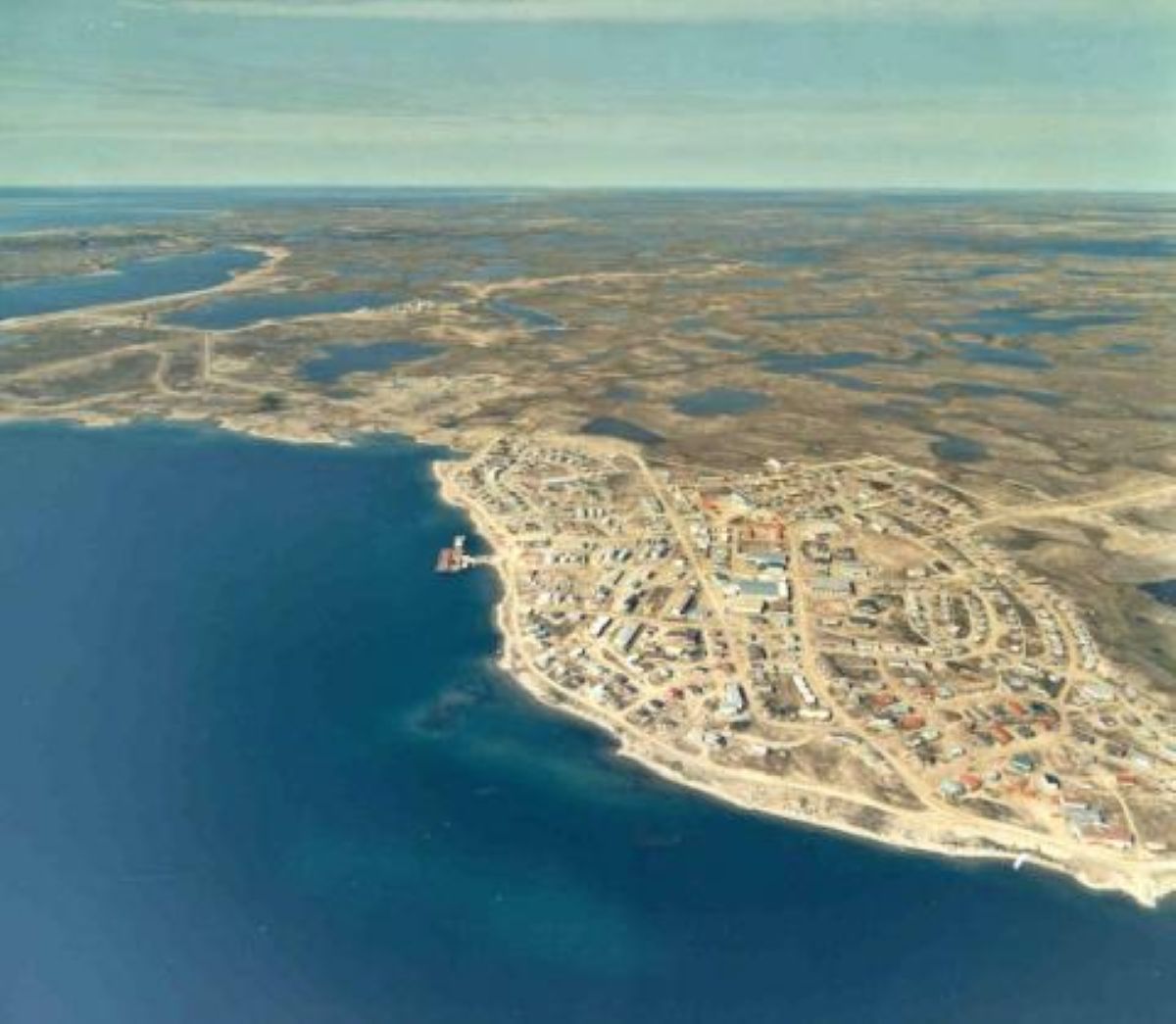
image credit: cambridgebay
Cambridge Bay is not a normal autumn destination. It is a place where the Arctic changes before your eyes. The open water of summer starts to fade. Cold winds arrive. Snow may cover the ground. The first sea ice can begin to form.
This small Nunavut community sits on Victoria Island in Canada’s far north. Its Inuktitut name is Iqaluktuuttiaq. It is the main hub of the Kitikmeot region. It is also a doorway to Arctic culture, science, wildlife and history.
October is not the month for an easy last minute holiday. It is a month for travellers who want to understand the real Arctic. They must plan well. They must respect the weather. They must follow local advice. In return, they can see a rare side of Canada that few visitors experience.
A Key Gateway to the Canadian Arctic
Cambridge Bay already plays an important role in Nunavut tourism. Between July and September 2025, it received 5,900 visitor trips by air. It also received 4,000 cruise visitor trips. This made Cambridge Bay one of the most visited communities in Nunavut during the main summer travel period.
October marks the end of that busy season. Some Arctic cruises still operate in Nunavut until October. But the sea season is closing. The weather is changing fast. This gives Cambridge Bay a special tourism value.
It is a place for people who want a quieter and more meaningful visit. They can learn about the land. They can meet local guides. They can see how Inuit knowledge shapes life in the Arctic. They can understand why travel here needs time and care.
Cambridge Bay is not built around large crowds. Its strongest appeal is its small scale and real character.
The Arctic Coast Visitors Centre Opens the Local Story
The Arctic Coast Visitors Centre should be the first stop for visitors. The centre gives travellers a clear introduction to Cambridge Bay and the wider Arctic Coast region.
It has displays about Inuit lifestyles, local culture, exploration and nearby attractions. It can also help visitors learn about local tours and self guided walks. The centre offers information about local artists and works that may be available to buy.
This matters because Cambridge Bay should not be explored as a place on a map only. Visitors need local context. They need to understand the people, history and weather around them.
The centre can help travellers turn a short visit into a stronger experience. Instead of only taking photos, they can learn why the land matters and how people have lived with its seasons for generations.
Advertisement
Advertisement
Arctic Science Gives Visitors a New Reason to Stay
Cambridge Bay is also home to the Canadian High Arctic Research Station, known as CHARS. This gives the community a rare science tourism angle.
CHARS brings together research on the Arctic environment, climate and northern life. Visitors can request a tour of the campus in advance. This is an important opportunity because it lets travellers see that the Arctic is not only a remote view from an aircraft or ship. It is also a place where major research is taking place.
The visit can help people understand the fast changes facing northern Canada. It can show how science, local knowledge and community life connect.
For travellers, this adds depth to a Cambridge Bay trip. They can explore a place where the future of the Arctic is being studied close to the land itself.
Ovayok Delivers a Big Land Story
Ovayok Territorial Park is one of the strongest outdoor draws near Cambridge Bay. The park is named after a 200 metre mountain that rises above the flat coastal landscape.
Ovayok has been an important landmark for Inuit for many generations. It is also linked to a local legend about giants who starved on the land. The mountain can be seen from Cambridge Bay on a clear day.
The park has around 20 kilometres of trails, camping areas and signs that explain the place. A hike to the mountain can take four to six hours. Muskoxen are often seen along the road to the park.
But October visitors must be careful. This is not a casual solo hike. Snow, wind and ice can change the route. Wildlife can also be nearby. Travellers should ask the visitor centre and local guides about conditions before going out.
The best experience is a guided one. It keeps people safer and helps local tourism businesses.
Advertisement
Advertisement
Arctic Food Creates a Taste of Place
Cambridge Bay also has a strong food story. Kitikmeot Foods offers locally harvested Arctic char products. These include fillets, lox and jerky. Visitors may also find muskox products in season.
This gives travellers a chance to take home food that is linked to the region. It also supports a deeper story about harvesting, local skills and northern food traditions.
Food tourism in Cambridge Bay should be respectful. It should not treat traditional food as a strange attraction. It should explain how food connects people to the land, the water and the seasons.
Franklin History Needs Careful Telling
Cambridge Bay lies within the wider story of the Northwest Passage and the Franklin expedition. The wrecks of HMS Erebus and HMS Terror are part of a national historic site in the Kitikmeot region.
The wreck site is not open for public visits. Visitors must not expect to travel there. This point is important.
But the heritage story can still add meaning to a Cambridge Bay visit. Inuit knowledge played a major role in the search for the lost ships. Parks Canada and Inuit organisations now work together to protect and share this history.
The heritage agreement also supports cultural and business opportunities in Cambridge Bay and Gjoa Haven. This gives tourism a more responsible direction. The story is not only about British explorers. It is also about Inuit knowledge, leadership and the protection of Arctic heritage.
Advertisement
Advertisement
October Requires Smart Planning
Cambridge Bay can be reached by air, mainly through Yellowknife. Flights can face delays or cancellations because weather is powerful in the Arctic. Visitors should allow extra time. They should avoid tight connections. They should book rooms and guided experiences early.
October is also the fall season before sea ice fully freezes. At this time, polar bear sightings near Nunavut communities can increase. Travellers should never go on the land alone. They should follow local warnings and use experienced guides.
This is the real promise of Cambridge Bay in October. It is not easy. It is not ordinary. It is a guided journey into the Arctic turning point, where first ice, Inuit stories, science and wild landscapes meet.
Advertisement
