
Louisiana Adds Arizona, Hawaii and More US States with US E-Bike Road Risk List as Cycling Tourism Safety Comes Into Focus

Updated
Published
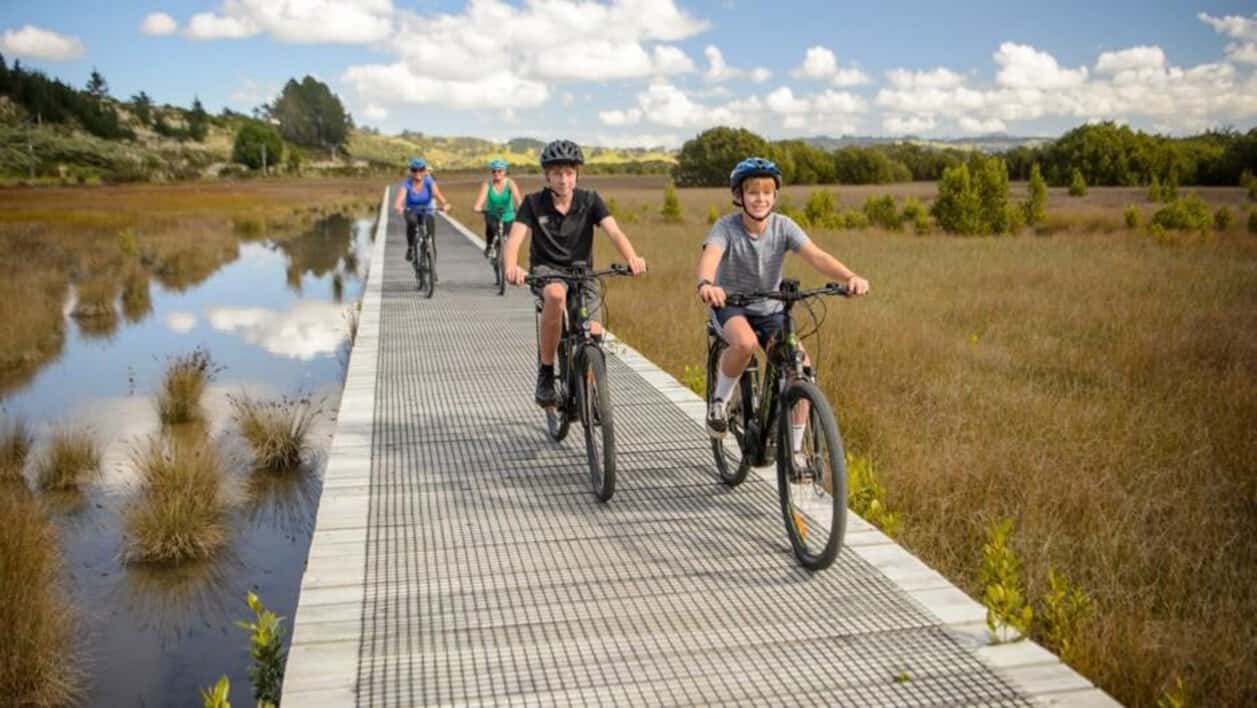
Louisiana leads a new US e-bike road risk list, with Arizona, Hawaii, Rhode Island and Florida also recording high scores. The findings bring renewed attention to cycling tourism safety as more visitors hire e-bikes to explore cities, coastlines and attractions, often while unfamiliar with local traffic conditions.
Louisiana has recorded the highest E-Bike Road Risk Score in a new H&P Law analysis, followed by Arizona, Hawaii and Rhode Island. The findings arrive as visitor use of rental e-bikes grows across the United States, placing route planning, rider education and safer cycling infrastructure under sharper focus.
Advertisement
Advertisement
Louisiana leads the national e-bike road risk ranking
Louisiana has emerged as the highest-risk state in a new H&P Law ranking of e-bike roadway conditions across all 50 states and Washington, D.C. The state received an E-Bike Road Risk Score of 98.4 out of 100.
Arizona followed with 93.9, while Hawaii placed third at 90.9. Rhode Island ranked fourth with 87.2. Florida, Delaware, Nevada, New Jersey, California and New York completed the top 10.
Advertisement
Advertisement
The ranking matters to a travel industry that is increasingly promoting cycling as a clean, flexible and immersive way for visitors to explore cities, coastlines, national parks and heritage districts. E-bikes allow more people to take longer rides with less physical effort. They are particularly popular with visitors who may not be regular cyclists but want an independent way to reach attractions.
However, the same accessibility can create a safety challenge. Visitors may be unfamiliar with local traffic rules, road layouts, cycling lanes, weather conditions and the speed or handling of an e-bike. A route that looks simple on a map may involve wide junctions, high-speed traffic, uneven surfaces or limited protection for cyclists.
Advertisement
Advertisement
The states with the highest road risk scores
| Rank | State | E-Bike Road Risk Score |
|---|---|---|
| 1 | Louisiana | 98.4 |
| 2 | Arizona | 93.9 |
| 3 | Hawaii | 90.9 |
| 4 | Rhode Island | 87.2 |
| 5 | Florida | 84.4 |
| 6 | Delaware | 82.7 |
| 7 | Nevada | 80.1 |
| 8 | New Jersey | 79.9 |
| 9 | California | 78.2 |
| 10 | New York | 78.2 |
The geographical spread is striking. The list includes Western and Pacific destinations such as Arizona, Hawaii, Nevada and California. It also includes Northeast and Mid-Atlantic states, including Rhode Island, Delaware, New Jersey and New York. Louisiana and Florida represent the South.
This does not mean visitors should avoid cycling in these states. It means that destination managers, tour operators and travellers should treat local conditions seriously and choose routes carefully.
Injury figures underline a growing national issue
The Consumer Product Safety Commission has reported a steep rise in e-bike-related injuries. Its 2024 estimate put emergency department-treated e-bike injuries at 59,200, compared with an estimated annual average of about 6,300 between 2017 and 2021.
The agency also recorded 310 reported e-bike deaths between 2017 and 2024. Of these, 97 deaths were reported in 2024.
These figures should be read carefully. National injury estimates do not identify every trip purpose or prove that tourism is a direct cause. Yet they show that e-bikes are now a significant road-safety concern, particularly as their use expands among commuters, delivery riders, residents and visitors.
The CPSC’s wider reporting has repeatedly identified falls, collisions with motor vehicles, collisions with fixed objects, rider ejection and loss of control among the risks associated with e-bike incidents. The speed and weight of an e-bike can also change the consequences of a crash compared with a standard bicycle.
Advertisement
Advertisement
What the ranking means for cycling tourism
E-bike tourism is becoming part of the visitor economy. Rental fleets are now common near beachfronts, historic districts, resort towns, riverfronts, university areas and national park gateways. Guided e-bike tours are marketed as an accessible alternative to walking tours, while self-guided hires appeal to travellers seeking freedom and lower-carbon local transport.
For destinations, that growth brings a responsibility to make the experience understandable and safe.
Rental operators can help by providing helmets, lights, maps and simple route briefings. They can point customers towards separated paths, lower-speed streets and recognised cycling corridors. A short explanation of local turning rules, pavement restrictions, trail access and parking rules can prevent confusion before a rider sets off.
Hotels and visitor information centres also have a role. They often recommend local mobility options, including e-bike hire. A responsible recommendation should include practical guidance: where visitors can ride, which routes are suitable for beginners, when traffic is busiest and how weather can affect the journey.
Florida stands out on pedalcyclist fatalities
Florida ranked fifth in the wider e-bike road-risk list with a score of 84.4. It also recorded the highest pedalcyclist fatality rate among the highlighted states, at 0.960 deaths per 100,000 residents.
Florida’s tourism economy makes the finding especially relevant. The state welcomes visitors who cycle along waterfronts, resort areas, beach communities and urban districts. Warm weather can encourage year-round riding, but it can also mean strong sunlight, sudden rain, high visitor volumes and heavy traffic in popular areas.
Advertisement
Advertisement
For travellers, the basic precaution is to avoid assuming that a leisure destination automatically has leisure-friendly roads. Cycle routes should be checked before departure, especially where roads are shared with vehicles. Evening rides require particular care, with lights, reflective clothing and clear awareness of visibility.
Infrastructure remains the central issue
The H&P Law analysis adds to a wider national discussion about protected lanes, traffic calming, junction design and safe access to trails. These measures do not only benefit residents. They also make destinations more welcoming for visitors who want to travel without a car.
A connected network of protected cycling routes can support tourism spending by linking accommodation, dining areas, attractions, transport hubs and waterfronts. It can reduce reliance on short car journeys and offer a more relaxed way to experience a destination.
The challenge is that infrastructure quality can vary sharply within a state. A visitor may find a well-designed urban trail in one area, then encounter an uncomfortable or dangerous gap when the route reaches a major road. State-level rankings are useful indicators, but travellers should also assess the exact route they intend to use.
Practical advice for visitors hiring e-bikes
Visitors should book through reputable operators and inspect the e-bike before leaving. Brakes, tyres, lights, battery charge and helmet fit should all be checked. Riders should ask whether the route includes high-speed roads, complex junctions or unprotected traffic lanes.
Travellers should also select an e-bike suitable for their experience. A first-time rider does not need the fastest model or the longest route. Starting with a short daytime journey on a separated path can build confidence.
Advertisement
Advertisement
“E-bikes give travellers a rewarding, low-impact way to discover places at their own pace. Their growth must be matched by safer routes, responsible rental practices and clear visitor guidance. Destinations that invest in cycling safety can strengthen confidence while creating more inclusive, sustainable and enjoyable journeys for everyone.”
— Anup Kumar Keshan, Founder and Editor-in-Chief, Travel And Tour World
Alcohol and e-bikes are a poor combination. So is using a phone while riding. Riders should avoid travelling in heavy rain, strong winds or poor visibility where possible. They should also obey local restrictions on trails, pavements and public spaces.
For travel businesses, the opportunity is clear: e-bikes can enrich a visitor experience. The responsibility is equally clear: make safety information as easy to find as the booking button.
Louisiana’s leading risk score, alongside high rankings for Arizona, Hawaii, Rhode Island and Florida, shows that e-bike safety is a nationwide tourism issue. As visitor cycling grows, destinations and rental operators can protect travellers through safer routes, clear local guidance, reliable equipment and practical rider education.
The rankings show that e-bike safety is a visitor-economy issue across several US regions. Clear rental guidance, protected cycling routes, reliable equipment and better local road awareness can help travellers enjoy e-bike journeys more confidently while supporting sustainable tourism in destinations from Louisiana to Hawaii.
Advertisement
